






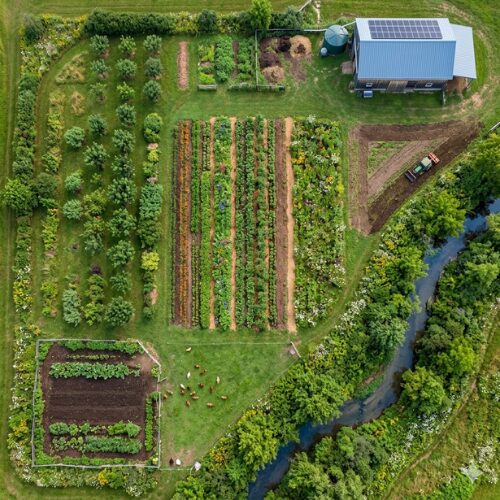
Agriculture is the backbone of food production and economic development worldwide. However, traditional farming methods can sometimes contribute to environmental challenges such as soil degradation, water pollution, deforestation, and greenhouse gas emissions. As the demand for food continues to grow, farmers and agricultural stakeholders are increasingly adopting sustainable approaches to protect the environment while maintaining productivity. This is where Eco-Sustainability in Agriculture plays a vital role.
By implementing environmentally responsible farming practices, farmers can improve soil health, conserve natural resources, reduce waste, and ensure long-term agricultural productivity. Sustainable agriculture is not just about protecting the environment—it is also about creating a resilient food system capable of supporting future generations.
What Is Eco-Sustainability in Agriculture?
Eco-Sustainability in Agriculture refers to farming methods that balance food production with environmental conservation. It focuses on minimizing negative impacts on ecosystems while maintaining profitable and productive agricultural operations.
The goal is to use natural resources efficiently, preserve biodiversity, improve soil fertility, and reduce pollution. Sustainable farming practices help create agricultural systems that remain productive for many years without exhausting the resources they depend on.
Why Sustainable Agriculture Matters
The agricultural sector faces numerous challenges, including climate change, water scarcity, declining soil quality, and increasing food demand. Sustainable farming provides solutions that help address these issues while promoting economic and environmental stability.
Key reasons sustainable agriculture is important include:
- Protecting natural resources
- Enhancing food security
- Improving soil health
- Conserving water supplies
- Reducing greenhouse gas emissions
- Supporting rural livelihoods
As environmental concerns continue to grow, sustainable agriculture has become essential for long-term food production.
Key Principles of Sustainable Farming
1. Soil Conservation
Healthy soil is the foundation of productive agriculture. Sustainable farming practices focus on maintaining soil fertility and preventing erosion.
Methods include:
- Cover cropping
- Crop rotation
- Mulching
- Reduced tillage
These techniques improve soil structure, increase organic matter, and support beneficial microorganisms.
2. Water Conservation
Efficient water management is critical in modern farming.
Water-saving strategies include:
- Drip irrigation systems
- Rainwater harvesting
- Soil moisture monitoring
- Proper irrigation scheduling
These practices reduce water waste while ensuring crops receive adequate moisture.
3. Biodiversity Protection
Encouraging biodiversity creates healthier and more resilient farming ecosystems.
Farmers can promote biodiversity by:
- Planting diverse crop varieties
- Preserving natural habitats
- Encouraging beneficial insects
- Integrating trees into farmland
Greater biodiversity helps reduce pest outbreaks and supports ecosystem stability.
4. Responsible Resource Management
Sustainable agriculture seeks to maximize efficiency while minimizing environmental impact.
This includes:
- Efficient fertilizer use
- Renewable energy adoption
- Sustainable land management
- Waste reduction practices
Responsible resource management contributes to both environmental and economic sustainability.
Sustainable Farming Practices for a Greener Future
Organic Farming
Organic farming avoids synthetic pesticides and fertilizers, relying instead on natural methods to maintain soil fertility and control pests.
Benefits include:
- Reduced chemical pollution
- Improved soil health
- Enhanced biodiversity
- Increased consumer demand for organic products
Organic agriculture is one of the most recognized approaches to sustainable farming.
Crop Rotation
Crop rotation involves growing different crops on the same land over multiple seasons.
Advantages include:
- Improved soil fertility
- Reduced pest and disease pressure
- Better nutrient management
- Increased crop productivity
This simple practice helps maintain long-term soil health.
Integrated Pest Management (IPM)
Integrated Pest Management combines biological, cultural, and mechanical methods to control pests while minimizing chemical use.
Examples include:
- Beneficial insect introduction
- Crop monitoring
- Biological controls
- Targeted pesticide application when necessary
IPM helps reduce environmental contamination while protecting crops.
Agroforestry
Agroforestry integrates trees and shrubs into farming systems.
Benefits include:
- Improved soil quality
- Carbon sequestration
- Enhanced biodiversity
- Additional income sources
This approach supports both environmental and economic sustainability.
Precision Agriculture
Modern technologies allow farmers to monitor and manage crops more efficiently.
Precision agriculture uses:
- GPS technology
- Drones
- Soil sensors
- Data analytics
These tools help optimize resource use while reducing waste and environmental impact.
Environmental Benefits of Sustainable Agriculture
One of the greatest advantages of Eco-Sustainability in Agriculture is its positive effect on the environment.
Reduced Soil Degradation
Sustainable farming practices help maintain soil fertility and prevent erosion.
Lower Greenhouse Gas Emissions
Efficient resource use and renewable energy adoption contribute to lower carbon emissions.
Improved Water Quality
Reducing chemical runoff helps protect rivers, lakes, and groundwater supplies.
Enhanced Biodiversity
Sustainable farms provide habitats for pollinators, birds, and beneficial organisms.
Together, these benefits contribute to healthier ecosystems and greater environmental resilience.
Economic Benefits for Farmers
Sustainability also offers important economic advantages.
Reduced Input Costs
Efficient use of water, fertilizers, and pesticides can lower production expenses.
Improved Crop Resilience
Healthy soils and diverse farming systems are often better able to withstand extreme weather conditions.
Access to Premium Markets
Many consumers are willing to pay more for sustainably produced agricultural products.
Long-Term Productivity
Maintaining soil health and resource availability supports consistent yields over time.
These benefits help improve farm profitability and financial stability.
Challenges to Sustainable Agriculture
Despite its advantages, sustainable agriculture faces several challenges.
High Initial Investment
Some sustainable technologies and systems require significant upfront costs.
Limited Knowledge and Training
Many farmers need access to education and technical support to implement sustainable practices effectively.
Climate Change Impacts
Extreme weather events can make agricultural planning more difficult.
Policy and Infrastructure Gaps
In some regions, limited support services and infrastructure can slow adoption.
Addressing these challenges requires collaboration among governments, agricultural organizations, researchers, and farmers.
The Future of Eco-Sustainability in Agriculture
The future of Eco-Sustainability in Agriculture is promising as technological innovation and environmental awareness continue to grow. Advances in smart farming, renewable energy, climate-resilient crops, and sustainable resource management are helping farmers improve productivity while protecting the environment.
Governments and organizations around the world are increasingly investing in sustainable agricultural initiatives to strengthen food security and reduce environmental impact. As these efforts expand, sustainable farming will play a crucial role in building a greener and more resilient future.
Conclusion
Eco-Sustainability in Agriculture is essential for ensuring long-term food production while protecting the environment. Through practices such as organic farming, crop rotation, integrated pest management, agroforestry, and precision agriculture, farmers can improve productivity while conserving natural resources. As environmental challenges continue to evolve, adopting sustainable farming methods will remain critical to creating a healthier planet and a more secure future for generations to come.



 Get it on
  Download on the