






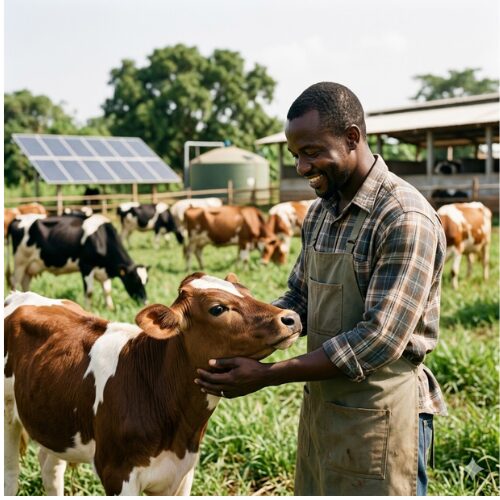
As global demand for meat, milk, eggs, and other livestock products continues to grow, farmers face increasing pressure to produce more while protecting natural resources and ensuring animal welfare. Sustainable Animal Farming offers a balanced approach that promotes environmental stewardship, economic viability, and responsible livestock management. By adopting sustainable practices, farmers can improve productivity, reduce environmental impact, and build resilient farming businesses that thrive for generations.
Modern livestock producers are increasingly recognizing that sustainability is not just beneficial for the environment—it is also essential for long-term profitability and success.
What Is Sustainable Animal Farming?
Sustainable Animal Farming refers to livestock production systems that meet current food demands while preserving resources for future generations. It focuses on maintaining animal health, protecting ecosystems, conserving resources, and ensuring economic sustainability.
The key goals of sustainable livestock farming include:
- Improving animal welfare
- Conserving natural resources
- Reducing environmental impact
- Supporting farm profitability
- Enhancing food security
These objectives help create farming systems that are both productive and environmentally responsible.
Why Sustainable Animal Farming Matters
The livestock sector plays a significant role in food production worldwide. However, unsustainable practices can contribute to environmental degradation, resource depletion, and reduced farm efficiency.
Benefits of sustainability include:
- Better resource utilization
- Lower production costs
- Improved animal health
- Reduced waste generation
- Enhanced market opportunities
- Increased resilience to climate change
Farmers who prioritize sustainability are often better prepared for future challenges and opportunities.
Provide Proper Animal Nutrition
Nutrition is one of the most important components of Sustainable Animal Farming.
Best Feeding Practices
Farmers should:
- Provide balanced diets
- Use high-quality feed ingredients
- Ensure constant access to clean water
- Minimize feed waste
- Utilize locally available feed resources where possible
Efficient feeding programs improve productivity while reducing costs and environmental impact.
Prioritize Animal Health and Welfare
Healthy animals are more productive and require fewer medical interventions.
Animal Welfare Practices
Important measures include:
- Providing adequate housing
- Preventing overcrowding
- Maintaining clean living conditions
- Following vaccination schedules
- Conducting regular health checks
Good animal welfare contributes to stronger livestock performance and higher farm profitability.
Implement Effective Waste Management
Livestock farming generates manure and other waste materials that must be managed responsibly.
Sustainable Waste Management Strategies
Farmers can:
- Compost animal manure
- Produce organic fertilizers
- Reduce water contamination
- Improve nutrient recycling
Proper waste management helps protect the environment while creating additional value from farm by-products.
Practice Rotational Grazing
Rotational grazing is a valuable technique for cattle, sheep, and goat farmers.
Benefits of Rotational Grazing
Advantages include:
- Improved pasture quality
- Better soil health
- Reduced erosion
- Increased forage production
- Enhanced livestock nutrition
Allowing grazing areas to recover naturally helps maintain productive pastures over time.
Conserve Water Resources
Water is a critical resource in livestock production.
Water Conservation Methods
Farmers can conserve water by:
- Repairing leaks promptly
- Installing efficient watering systems
- Harvesting rainwater
- Monitoring water usage
Responsible water management supports both environmental sustainability and farm efficiency.
Reduce Environmental Impact
Modern livestock producers are increasingly adopting practices that lower their environmental footprint.
Environmentally Friendly Approaches
Examples include:
- Reducing greenhouse gas emissions
- Improving feed efficiency
- Planting trees around farms
- Protecting natural habitats
- Using renewable energy sources
These measures contribute to the long-term sustainability of farming operations.
Utilize Renewable Energy
Renewable energy can reduce operating costs and improve environmental performance.
Renewable Energy Options
Common solutions include:
- Solar panels
- Biogas systems
- Wind energy
- Energy-efficient farm equipment
Many livestock farms are now integrating renewable technologies into their operations.
Improve Breeding Programs
Genetic improvement can enhance productivity and sustainability.
Sustainable Breeding Practices
Farmers should:
- Select healthy breeding stock
- Focus on disease resistance
- Maintain breeding records
- Avoid excessive inbreeding
Improved genetics often result in healthier and more productive animals.
Adopt Modern Technology
Technology plays an increasingly important role in Sustainable Animal Farming.
Useful Technologies
Examples include:
- Automated feeding systems
- Livestock monitoring sensors
- Farm management software
- Precision livestock farming tools
Technology helps farmers optimize resources and improve decision-making.
Support Biodiversity
Biodiversity contributes to healthier ecosystems and more resilient farms.
Ways to Promote Biodiversity
Farmers can:
- Preserve natural vegetation
- Protect wildlife habitats
- Maintain diverse grazing systems
- Integrate trees into farming landscapes
These practices strengthen ecological balance and environmental health.
Keep Accurate Farm Records
Good record-keeping supports effective farm management.
Important records include:
- Feed consumption
- Animal health data
- Breeding performance
- Financial transactions
- Production outputs
Accurate information helps farmers identify opportunities for improvement and make informed decisions.
Economic Benefits of Sustainable Animal Farming
Sustainability is not only about environmental protection; it also offers financial advantages.
Financial Benefits
These may include:
- Lower operating costs
- Improved productivity
- Better product quality
- Increased market demand
- Enhanced farm resilience
Consumers are increasingly interested in products produced through responsible farming methods, creating additional business opportunities.
Challenges of Sustainable Livestock Farming
While sustainable practices offer many advantages, farmers may face certain challenges.
Common Challenges
- Initial investment costs
- Limited access to technology
- Training requirements
- Climate variability
- Resource constraints
Despite these challenges, long-term benefits often outweigh short-term difficulties.
The Future of Sustainable Animal Farming
The future of Sustainable Animal Farming is promising as governments, consumers, and agricultural organizations place greater emphasis on environmental responsibility and food security. Innovations in livestock management, renewable energy, waste recycling, and precision farming technologies will continue to support more sustainable production systems.
Farmers who embrace sustainability today will be better positioned to succeed in an increasingly competitive agricultural landscape.
Conclusion
Sustainable Animal Farming is essential for ensuring the long-term success of livestock production. By focusing on proper nutrition, animal welfare, waste management, water conservation, renewable energy, and modern technology, farmers can build productive and environmentally responsible operations. Sustainable practices not only protect natural resources but also improve profitability, strengthen resilience, and support future food security. As the agricultural sector continues to evolve, sustainability will remain a key driver of success for livestock farmers worldwide.



 Get it on
  Download on the