






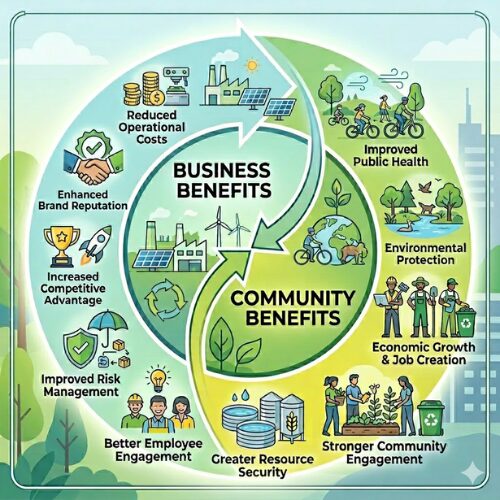
As environmental challenges continue to grow, Eco-Sustainability has become one of the most important concepts shaping the future of our planet. From climate change and resource depletion to pollution and biodiversity loss, the need for sustainable solutions has never been greater. In 2026, individuals, businesses, and governments are increasingly embracing environmentally responsible practices to protect natural resources and ensure a healthier future for generations to come.
Understanding what eco-sustainability means and why it matters can help everyone make better decisions that benefit both the environment and society.
What Is Eco-Sustainability?
Eco-Sustainability refers to the responsible use and management of natural resources in a way that meets current needs without compromising the ability of future generations to meet theirs. It focuses on maintaining ecological balance by reducing environmental impact, conserving resources, and promoting sustainable development.
The concept involves creating systems and practices that support long-term environmental health while also considering economic growth and social well-being. Eco-sustainability encourages actions such as reducing waste, conserving energy, protecting ecosystems, and adopting renewable resources.
The Core Principles of Eco-Sustainability
Several key principles form the foundation of sustainable environmental practices:
1. Resource Conservation
Natural resources such as water, forests, minerals, and fossil fuels are limited. Sustainable management ensures these resources are used efficiently and responsibly.
2. Waste Reduction
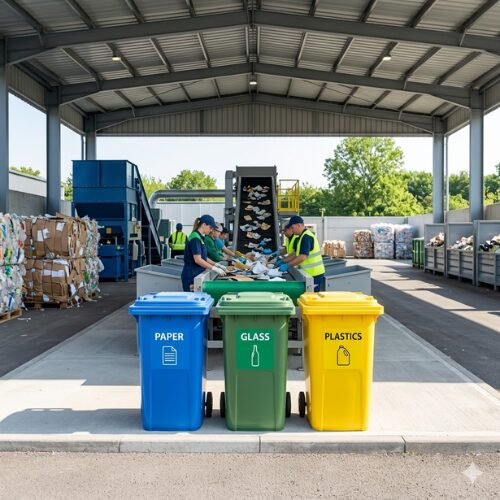
Reducing, reusing, and recycling materials helps minimize landfill waste and lowers environmental pollution.
3. Renewable Energy Adoption
Using renewable energy sources such as solar, wind, and hydropower reduces dependence on fossil fuels and lowers greenhouse gas emissions.
4. Biodiversity Protection
Healthy ecosystems support life on Earth. Protecting wildlife habitats and preserving biodiversity are essential for ecological stability.
5. Sustainable Consumption
Consumers and businesses are encouraged to choose products and practices that have minimal environmental impact throughout their lifecycle.
Why Eco-Sustainability Matters in 2026
The importance of Eco-Sustainability has grown significantly due to increasing environmental concerns and global sustainability goals. Here are some reasons why it matters more than ever in 2026.
Addressing Climate Change
Climate change continues to impact weather patterns, agriculture, water availability, and public health worldwide. Sustainable practices help reduce carbon emissions and slow environmental degradation.
Preserving Natural Resources
Population growth and industrial development have increased pressure on natural resources. Eco-sustainability promotes efficient resource use to prevent shortages and environmental damage.
Supporting Economic Growth
Sustainable industries create jobs, encourage innovation, and improve long-term economic resilience. Green technologies and environmentally friendly businesses are becoming major drivers of economic development.
Improving Public Health
Cleaner air, safer water, reduced pollution, and healthier ecosystems contribute directly to better public health outcomes and improved quality of life.
Meeting Global Sustainability Goals
Many countries and organizations are working toward international sustainability targets that aim to reduce environmental impact and promote responsible development.
Eco-Sustainability in Everyday Life
Individuals play a vital role in creating a more sustainable future. Small actions can collectively make a significant difference.
Some practical ways to support sustainability include:
- Reducing single-use plastics
- Conserving water and electricity
- Using energy-efficient appliances
- Choosing sustainable transportation options
- Supporting environmentally responsible brands
- Recycling household waste
- Planting trees and protecting green spaces
These simple habits help reduce environmental footprints and contribute to broader sustainability efforts.
The Role of Businesses in Eco-Sustainability
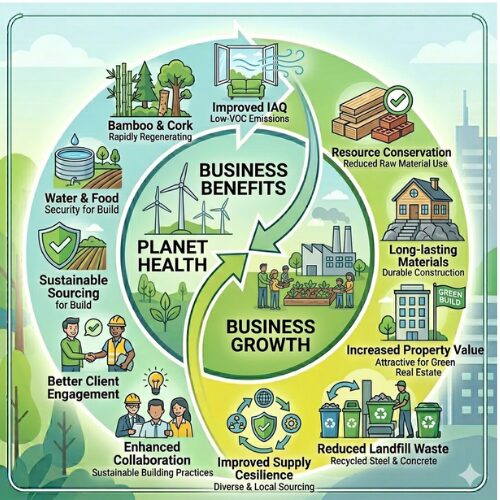
Businesses are increasingly integrating sustainability into their operations. Companies that prioritize environmental responsibility often gain customer trust, improve efficiency, and reduce long-term costs.
Common sustainable business practices include:
- Implementing renewable energy systems
- Reducing packaging waste
- Using sustainable materials
- Improving supply chain efficiency
- Investing in environmental conservation initiatives
- Measuring and reducing carbon emissions
Consumers are also becoming more conscious of environmental issues, making sustainability an important competitive advantage.
Eco-Sustainability in Agriculture
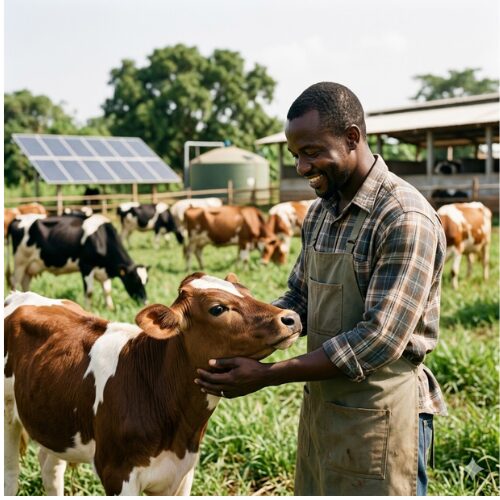
Agriculture plays a critical role in environmental protection and food security. Sustainable farming practices help preserve soil health, conserve water, and reduce chemical pollution.
Examples include:
- Organic farming
- Precision agriculture
- Crop rotation
- Water-efficient irrigation systems
- Integrated pest management
- Agroforestry practices
These methods improve productivity while protecting natural ecosystems.
Challenges to Achieving Eco-Sustainability
Despite growing awareness, several challenges remain:
High Initial Costs
Many sustainable technologies require significant upfront investments, which can discourage adoption.
Lack of Awareness
Some individuals and organizations still lack sufficient knowledge about sustainable practices and their benefits.
Policy and Regulatory Gaps
Inconsistent environmental regulations can slow sustainability progress in certain regions.
Resource Limitations
Developing countries may face financial and technological barriers when implementing large-scale sustainability initiatives.
Addressing these challenges requires collaboration between governments, businesses, communities, and individuals.
The Future of Eco-Sustainability
The future of Eco-Sustainability looks promising as technological innovation and environmental awareness continue to grow. Advances in renewable energy, smart agriculture, circular economy models, and green infrastructure are helping create more sustainable systems worldwide.
Artificial intelligence, data analytics, and clean technologies are also enabling organizations to monitor environmental impact and optimize resource use more effectively.
As sustainability becomes a global priority, eco-friendly practices are expected to become standard across industries, helping create a more resilient and environmentally responsible world.
Conclusion
Eco-Sustainability is more than just an environmental trend—it is a necessity for ensuring long-term ecological balance, economic stability, and social well-being. In 2026, the importance of sustainable practices continues to grow as communities face increasing environmental challenges. By conserving resources, reducing waste, supporting renewable energy, and making responsible choices, individuals and organizations can contribute to a healthier planet and a more sustainable future for generations to come.




 Get it on
  Download on the