






- Adaobi
- July 27, 2026
- No Comments
Using an air conditioner correctly can make a significant difference in cooling performance, energy consumption, and the lifespan of your unit. Many people purchase high-quality air conditioners but do not achieve the desired cooling effect because of incorrect operation. Learning how to operate an air conditioner for a proper cooling effect helps you maintain a comfortable indoor environment while reducing unnecessary electricity costs. Whether you use a split AC, window AC, or inverter air conditioner, proper operation ensures your system works efficiently.
Why Proper Air Conditioner Operation Matters
An air conditioner is designed to regulate indoor temperature, remove heat, and improve comfort. However, incorrect usage can reduce efficiency and increase energy consumption.
Proper operation helps you:
- Achieve faster cooling
- Reduce electricity bills
- Prevent unnecessary repairs
- Improve indoor air quality
- Extend the lifespan of your AC
- Maintain consistent room temperature
Furthermore, using your air conditioner correctly allows the compressor and other components to work smoothly.
Choose the Right Temperature Setting
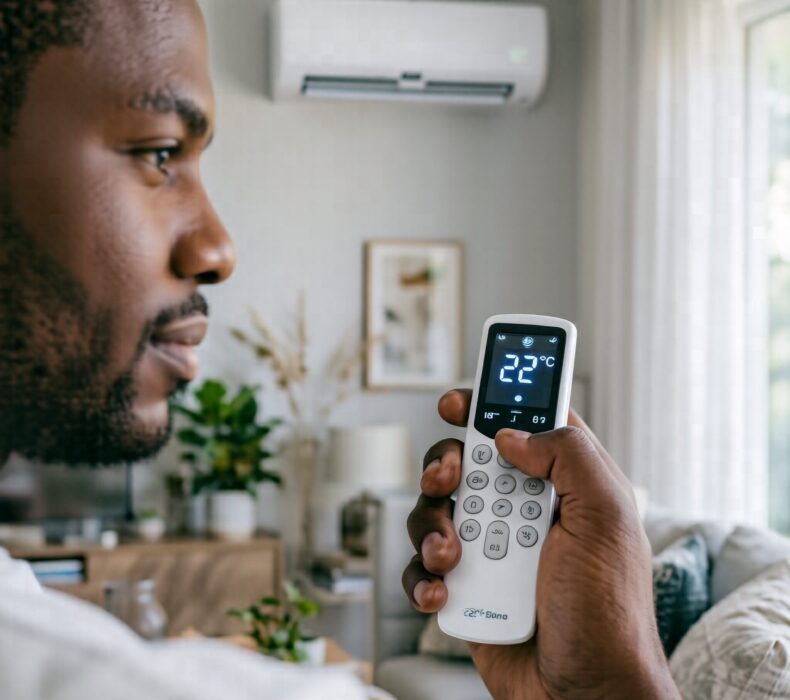
One of the most important steps in how to operate an air conditioner for a proper cooling effect is selecting the right temperature.
Many people believe setting the AC to the lowest temperature will cool the room faster. However, this is not always true. The air conditioner cools at the same speed regardless of whether you set it extremely low or at a comfortable level.
For better efficiency:
- Set your AC between 22°C and 26°C for comfortable cooling.
- Avoid constantly changing temperature settings.
- Choose a moderate temperature that matches your comfort level.
As a result, your air conditioner will cool effectively while using less energy.
Select the Correct Cooling Mode
Modern air conditioners come with different operating modes.
Cool Mode
The cool mode is the standard setting for reducing room temperature. It activates the compressor and delivers cold air.
Dry Mode
Dry mode removes excess moisture from the air. It is useful during humid weather because it improves comfort without heavy cooling.
Fan Mode
Fan mode circulates air without activating the cooling system. It is useful when the room temperature is already comfortable.
Sleep Mode
Sleep mode adjusts temperature gradually during the night to provide comfort while saving energy.
Choosing the correct mode ensures your air conditioner operates according to your needs.
Keep Doors and Windows Closed
One simple but effective way to improve cooling is keeping your room properly sealed.
When doors and windows remain open:
- Warm air enters the room.
- Cool air escapes.
- The AC works harder.
- Electricity consumption increases.
Therefore, close doors and windows before switching on your air conditioner. Additionally, use curtains or blinds to reduce heat from direct sunlight.
Adjust the Airflow Direction
Proper airflow distribution helps cool the entire room evenly.
Avoid directing cold air only toward one area. Instead:
- Adjust the air vents upward or sideways.
- Allow cool air to circulate throughout the room.
- Avoid blocking airflow with furniture or curtains.
Consequently, your AC will provide a more balanced cooling effect.
Use the Remote Control Correctly
The air conditioner remote gives you control over important settings.
Common remote functions include:
- Temperature adjustment
- Fan speed control
- Mode selection
- Timer settings
- Sleep function
- Air swing control
Before using your AC, understand what each button does. This prevents incorrect settings that may affect cooling performance.
Set the Appropriate Fan Speed
Fan speed determines how quickly air circulates around the room.
For faster cooling:
- Use a higher fan speed when entering a hot room.
- Reduce the fan speed once the room becomes comfortable.
However, running the fan at maximum speed continuously may increase energy use. Therefore, adjust the speed based on your comfort needs.
Avoid Turning the AC On and Off Frequently
Many users switch their air conditioner on and off repeatedly to save electricity.
However, frequent restarting can place extra stress on the compressor.
Instead:
- Allow the AC to complete its cooling cycle.
- Use timer functions when necessary.
- Maintain a stable temperature.
This practice improves efficiency and reduces wear on the system.
Use Timer Functions
The timer feature helps control how long your air conditioner operates.
For example, you can:
- Schedule the AC to turn off after sleeping.
- Set operation hours during peak heat periods.
- Reduce unnecessary cooling when rooms are empty.
Therefore, using timers can improve comfort while reducing energy waste.
Maintain Clean Air Filters
Even when operated correctly, a dirty air conditioner cannot provide effective cooling.
Blocked filters restrict airflow and make the unit work harder.
To maintain proper airflow:
- Clean filters regularly.
- Remove dust buildup.
- Replace damaged filters when necessary.
Clean filters improve cooling performance and help maintain healthier indoor air.
Avoid Overloading the Room With Heat Sources
Heat-producing items can reduce your air conditioner’s effectiveness.
Avoid using too many heat-generating appliances while the AC is running, such as:
- Irons
- Ovens
- Large lamps
- Unnecessary electronic devices
Additionally, reducing indoor heat sources allows the air conditioner to cool the room faster.
Allow Proper Space Around the Outdoor Unit
For split air conditioners, the outdoor unit needs good airflow to release heat.
Ensure that:
- The condenser area is free from obstacles.
- Dust and leaves are removed regularly.
- Air circulation is not blocked.
A clean outdoor unit improves cooling efficiency and prevents compressor problems.
Use Energy-Saving Features
Modern air conditioners include features designed to improve efficiency.
These may include:
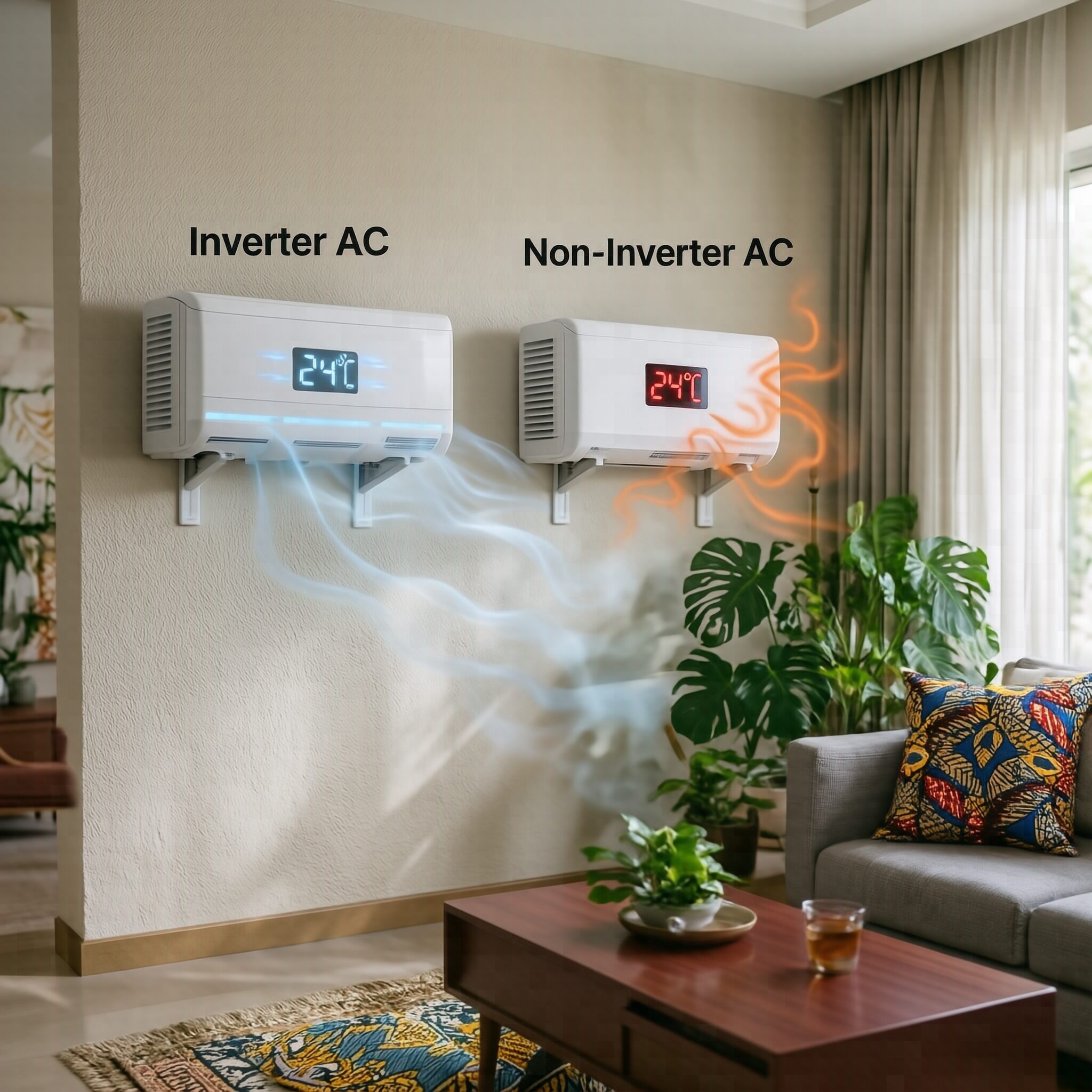
- Inverter technology
- Eco mode
- Smart temperature control
- Energy-saving settings
Using these features allows your AC to provide effective cooling while consuming less electricity.
Avoid Setting Extremely Low Temperatures
Setting your air conditioner at extremely low temperatures does not necessarily provide faster cooling.
Instead, it:
- Increases electricity consumption.
- Forces the compressor to work harder.
- Creates unnecessary strain on the system.
A moderate temperature setting provides better comfort and improves efficiency.
Perform Regular Air Conditioner Maintenance
Proper operation should always be combined with regular maintenance.
Important maintenance practices include:
- Cleaning filters.
- Checking refrigerant levels.
- Servicing the compressor.
- Cleaning coils.
- Inspecting electrical connections.
Furthermore, professional servicing helps identify problems before they become expensive repairs.
Tips for Faster Cooling
If your room feels too warm, try these steps:
- Close windows and doors.
- Reduce sunlight entering the room.
- Clean the air filters.
- Increase fan speed temporarily.
- Use the cool mode.
- Check if the AC capacity matches the room size.
These simple actions can help your air conditioner cool more effectively.
Conclusion
Understanding how to operate an air conditioner for a proper cooling effect allows you to enjoy maximum comfort while improving energy efficiency. Correct temperature settings, proper airflow management, regular maintenance, and smart usage habits all contribute to better cooling performance.




 Get it on
  Download on the