







Agriculture remains the backbone of food production in Nigeria, and fertilizer use plays a major role in determining crop yield and farm profitability. When it comes to improving soil fertility, many farmers face an important decision: Organic vs Chemical Fertilizers. Understanding the differences between these two fertilizer types can help farmers choose the best option for their crops, soil conditions, and long-term farming goals.
The debate around Organic vs Chemical Fertilizers continues as farmers seek ways to increase productivity while maintaining healthy soil. Both fertilizer types offer unique benefits and challenges, making it essential to understand how they work before making a purchasing decision.
Choosing the right fertilizer affects crop health, soil fertility, farm profitability, and environmental sustainability. Whether you are a small-scale farmer or a commercial producer, understanding fertilizer options can help you make informed decisions that improve agricultural performance.
Understanding Organic vs Chemical Fertilizers
Fertilizers provide essential nutrients that crops need for healthy growth and development. The primary difference between organic and chemical fertilizers lies in their source, nutrient content, and release patterns.
What Are Organic Fertilizers?
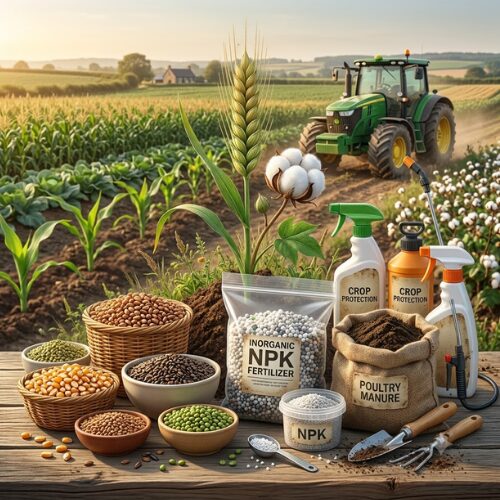
Organic fertilizers are derived from natural materials such as animal waste, plant residues, and composted organic matter.
Examples include:
- Poultry manure
- Cow dung
- Compost
- Bone meal
- Vermicompost
Organic fertilizers release nutrients slowly while improving soil structure and microbial activity.
What Are Chemical Fertilizers?
Chemical fertilizers are manufactured products designed to provide nutrients in concentrated forms.
Examples include:
- NPK fertilizers
- Urea
- Ammonium sulfate
- Potassium chloride
These fertilizers provide nutrients quickly and are widely used in commercial farming operations.
Benefits of Organic vs Chemical Fertilizers
Both fertilizer types offer valuable benefits depending on farming objectives.
Benefits of Organic Fertilizers
Improved Soil Structure
Organic matter improves soil texture, allowing roots to penetrate more easily and access nutrients.
Better Water Retention
Organic fertilizers help soil retain moisture, reducing water stress during dry periods.
Enhanced Soil Biology
Organic materials encourage beneficial microorganisms that improve nutrient cycling.
Environmentally Friendly
Organic fertilizers generally have a lower environmental impact and contribute to sustainable agriculture.
Benefits of Chemical Fertilizers
Fast Nutrient Availability
Plants can absorb nutrients almost immediately after application.
Higher Short-Term Yield Potential
Chemical fertilizers often promote rapid crop growth and increased harvests.
Precise Nutrient Supply
Farmers can apply exact nutrient ratios based on crop requirements.
Easy Availability
Chemical fertilizers are widely available through agricultural suppliers across Nigeria.
Organic vs Chemical Fertilizers: Key Differences
Nutrient Release
Organic fertilizers release nutrients gradually, while chemical fertilizers provide immediate nutrient availability.
Soil Health
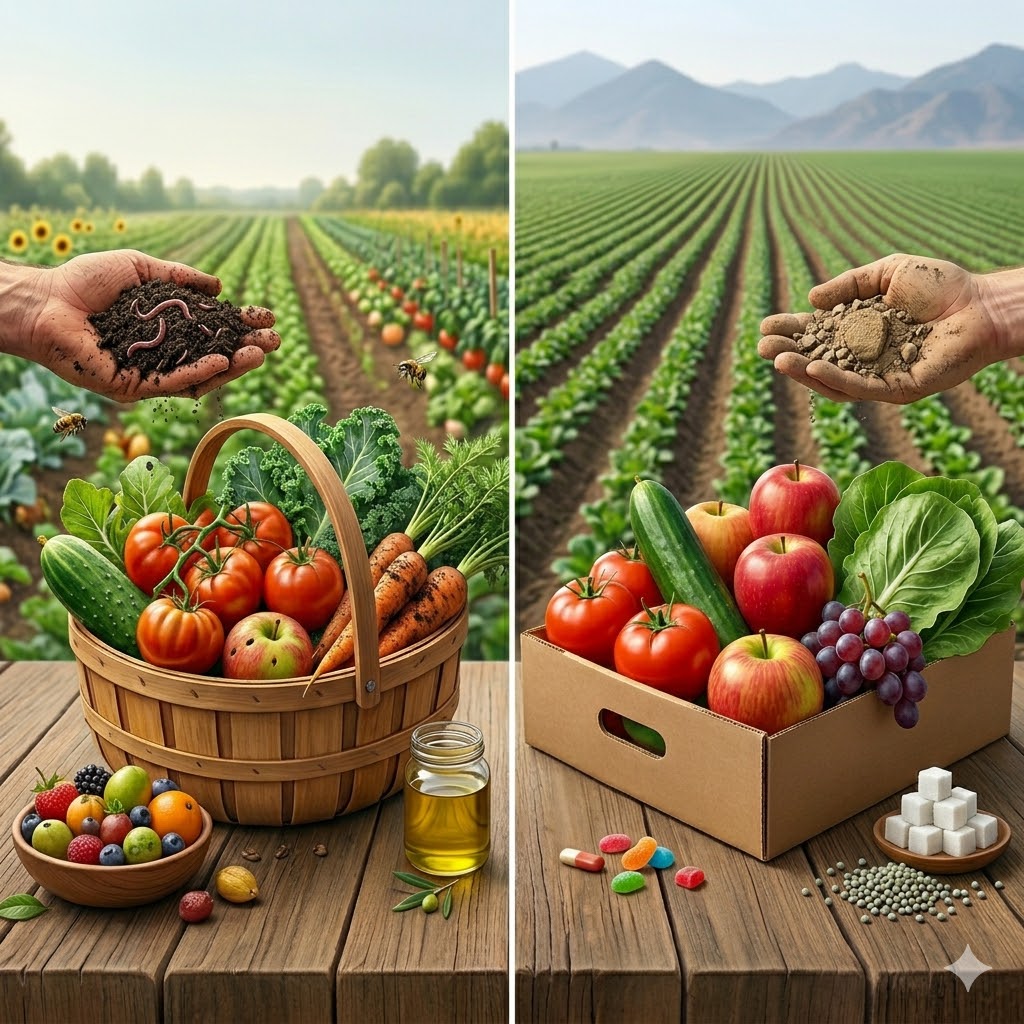
Organic fertilizers improve long-term soil fertility by increasing organic matter content. Chemical fertilizers primarily provide nutrients without significantly improving soil structure.
Cost Considerations
Organic fertilizers can often be sourced locally at lower costs, while chemical fertilizers may require greater financial investment.
Environmental Impact
Improper use of chemical fertilizers can contribute to water pollution and soil degradation. Organic fertilizers generally pose fewer environmental risks.
Organic vs Chemical Fertilizers for Higher Crop Yield
One of the most common questions farmers ask is which fertilizer type produces better yields.
Chemical fertilizers often generate faster growth and higher short-term yields because nutrients are immediately available to plants. However, organic fertilizers improve soil fertility over time and contribute to sustainable crop production.
Many successful farmers combine both fertilizer types to achieve balanced crop nutrition and long-term productivity.
Integrated Fertility Management
Integrated fertility management combines organic and chemical fertilizers strategically.
Benefits include:
- Improved soil health
- Balanced nutrient supply
- Increased crop productivity
- Reduced fertilizer costs
- Better sustainability
This approach allows farmers to enjoy the strengths of both fertilizer systems.
Best Crops for Organic Fertilizers
Organic fertilizers work particularly well for:
- Vegetables
- Fruits
- Herbs
- Organic produce
- Home gardens
These crops benefit from gradual nutrient release and improved soil conditions.
Best Crops for Chemical Fertilizers
Chemical fertilizers are commonly used for:
- Maize
- Rice
- Cassava
- Wheat
- Commercial cash crops
These crops often require high nutrient levels during critical growth stages.
Factors to Consider Before Choosing Fertilizers
Soil Condition
Conduct soil testing to identify nutrient deficiencies before selecting fertilizers.
Crop Type
Different crops require different nutrient levels and fertilizer programs.
Budget
Evaluate both immediate costs and long-term returns.
Farm Size
Commercial farms often require different fertilizer strategies than small-scale farms.
Sustainability Goals
Farmers interested in long-term soil health may benefit from incorporating organic fertilizers.
Common Mistakes Farmers Make
When comparing Organic vs Chemical Fertilizers, farmers often make avoidable mistakes.
Common errors include:
- Overapplying fertilizers
- Ignoring soil tests
- Using poor-quality organic materials
- Applying fertilizers at the wrong time
- Depending entirely on one fertilizer type
Proper management is essential regardless of fertilizer choice.
The Future of Organic vs Chemical Fertilizers in Nigeria
The future of Organic vs Chemical Fertilizers in Nigeria is likely to involve integrated solutions that combine the strengths of both approaches.
Advances in agricultural research continue to improve fertilizer efficiency while reducing environmental impacts. New technologies, biofertilizers, and precision farming practices are helping farmers maximize yields while protecting soil health.
As agriculture evolves, farmers who adopt balanced nutrient management strategies will be better positioned to achieve sustainable productivity and profitability.
Conclusion
The debate over Organic vs Chemical Fertilizers does not have a single answer for every farmer. Organic fertilizers improve soil structure, support beneficial microorganisms, and promote long-term sustainability. Chemical fertilizers provide rapid nutrient availability and often increase short-term crop yields.
For many Nigerian farmers, the most effective strategy is combining both approaches. By understanding the advantages and limitations of each option, farmers can make informed decisions that improve productivity, profitability, and long-term soil fertility.





 Get it on
  Download on the