






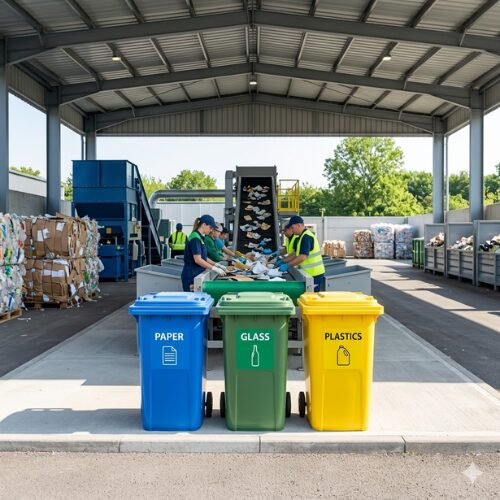
As environmental concerns continue to grow worldwide, effective waste management and recycling have become essential components of sustainable development. The importance of Recycling and Waste Management in Eco-Sustainability cannot be overstated, as these practices help reduce pollution, conserve natural resources, and support a healthier environment. In 2026, governments, businesses, and individuals are increasingly recognizing the need to manage waste responsibly and promote recycling as part of broader sustainability efforts.
By reducing the amount of waste sent to landfills and encouraging the reuse of valuable materials, recycling and waste management play a vital role in creating a more sustainable future.
What Is Recycling and Waste Management in Eco-Sustainability?
Recycling and Waste Management in Eco-Sustainability refers to the collection, processing, disposal, and reuse of waste materials in ways that minimize environmental impact. The goal is to reduce waste generation, recover valuable resources, and prevent pollution while supporting sustainable economic growth.
Waste management includes activities such as:
- Waste collection
- Waste sorting
- Recycling
- Composting
- Landfill management
- Waste-to-energy systems
Together, these practices help create a circular economy where materials are reused rather than discarded.
Why Recycling and Waste Management Matter
The world generates billions of tons of waste each year. Without proper management, waste can pollute land, water, and air while contributing to climate change and public health problems.
Effective recycling and waste management help:
- Reduce environmental pollution
- Conserve natural resources
- Lower greenhouse gas emissions
- Protect ecosystems
- Support sustainable development
- Improve public health
These benefits make waste management a critical part of environmental sustainability strategies.
The Connection Between Recycling and Eco-Sustainability
Sustainability focuses on meeting present needs without compromising the ability of future generations to meet theirs. Recycling directly supports this goal by reducing the demand for raw materials and conserving valuable resources.
Key sustainability benefits include:
Resource Conservation
Recycling materials such as paper, plastic, metal, and glass reduces the need for extracting new raw materials.
Energy Savings
Manufacturing products from recycled materials often requires less energy than producing them from virgin resources.
Waste Reduction
Recycling diverts waste from landfills, helping extend landfill lifespan and reduce environmental damage.
Environmental Protection
Responsible waste management reduces pollution and protects ecosystems from contamination.
Types of Recycling That Support Eco-Sustainability
Paper Recycling
Paper recycling helps reduce deforestation and conserves water and energy.
Benefits include:
- Reduced tree harvesting
- Lower energy consumption
- Less landfill waste
- Reduced greenhouse gas emissions
Plastic Recycling
Plastic recycling helps address one of the world’s most significant pollution challenges.
Benefits include:
- Reduced plastic waste
- Conservation of petroleum resources
- Lower environmental pollution
- Support for a circular economy
Metal Recycling
Metals such as aluminum and steel can be recycled repeatedly without losing quality.
Benefits include:
- Resource conservation
- Significant energy savings
- Reduced mining activities
- Lower emissions
Glass Recycling
Glass can be recycled indefinitely without losing purity.
Benefits include:
- Reduced raw material extraction
- Lower manufacturing energy use
- Reduced landfill waste
- Environmental conservation
Waste Management Strategies for Sustainability
Waste Reduction
The most effective waste management strategy is reducing waste generation at the source.
Examples include:
- Using reusable products
- Avoiding excessive packaging
- Buying durable goods
- Practicing responsible consumption
Reuse
Reusing products extends their lifespan and reduces the need for new resources.
Examples include:
- Refillable containers
- Donating unwanted items
- Repurposing household materials
Composting
Organic waste such as food scraps and yard waste can be composted and transformed into nutrient-rich soil amendments.
Benefits include:
- Reduced landfill waste
- Improved soil health
- Lower methane emissions
Waste-to-Energy Technologies
Some waste materials can be converted into energy through controlled processes.
Benefits include:
- Reduced landfill dependence
- Energy generation
- Improved waste management efficiency
Environmental Benefits of Recycling and Waste Management in Eco-Sustainability
One of the greatest advantages of Recycling and Waste Management in Eco-Sustainability is environmental protection.
Reduced Pollution
Proper waste management prevents harmful substances from contaminating soil, water, and air.
Lower Carbon Emissions
Recycling often requires less energy than producing goods from raw materials, reducing greenhouse gas emissions.
Conservation of Natural Resources
Recycling helps preserve forests, minerals, water supplies, and other valuable resources.
Protection of Biodiversity
Reducing waste and pollution helps protect wildlife habitats and ecosystems.
Economic Benefits of Recycling and Waste Management
Sustainable waste management also provides economic advantages.
Job Creation
The recycling industry creates employment opportunities in:
- Collection services
- Processing facilities
- Manufacturing
- Environmental consulting
Cost Savings
Businesses can reduce disposal costs through recycling and waste reduction initiatives.
Resource Efficiency
Recycling allows valuable materials to remain in circulation, reducing production costs.
Support for Green Industries
Sustainable waste management encourages innovation and investment in environmentally friendly technologies.
Challenges in Recycling and Waste Management
Despite its benefits, waste management faces several challenges.
Limited Recycling Infrastructure
Some regions lack adequate recycling facilities and collection systems.
Public Awareness
Many people still do not fully understand proper recycling practices.
Contamination Issues
Incorrect disposal can contaminate recyclable materials and reduce recycling efficiency.
Rising Waste Generation
Growing populations and increased consumption continue to generate large amounts of waste.
Addressing these challenges requires cooperation among governments, businesses, and communities.
The Future of Recycling and Waste Management in Eco-Sustainability
The future of Recycling and Waste Management in Eco-Sustainability is promising as new technologies improve recycling efficiency and resource recovery. Smart waste collection systems, advanced recycling technologies, and circular economy initiatives are helping create more sustainable waste management solutions.
As environmental awareness continues to grow, recycling and responsible waste management will play an increasingly important role in protecting natural resources and reducing environmental impact.
Conclusion
Recycling and Waste Management in Eco-Sustainability are essential for building a cleaner, healthier, and more sustainable future. By reducing waste, conserving resources, lowering emissions, and protecting ecosystems, these practices contribute significantly to environmental and economic well-being. As individuals, businesses, and governments continue to prioritize sustainability, effective recycling and waste management will remain key drivers of long-term environmental protection.





 Get it on
  Download on the