





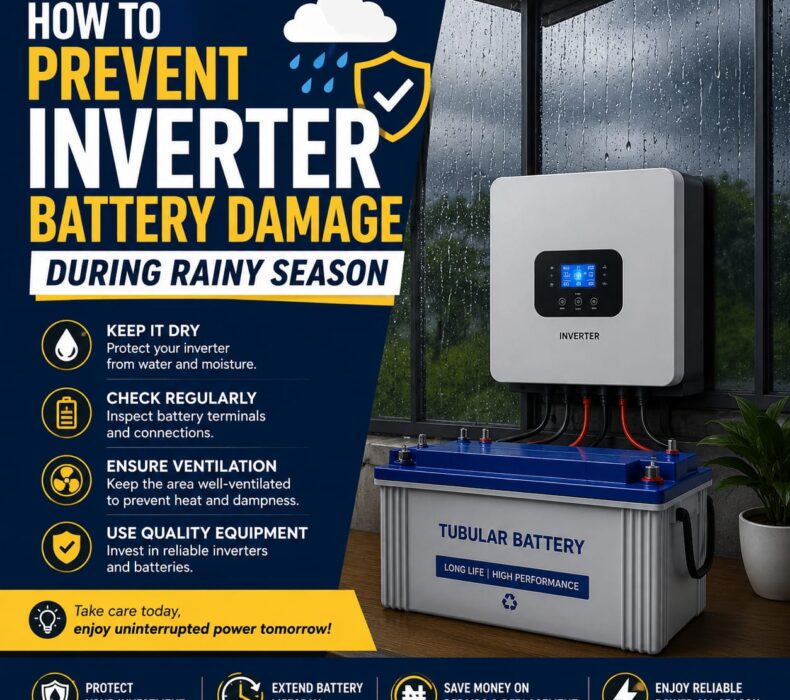
Understanding how to prevent inverter battery damage during rainy season is essential for every homeowner and business owner who relies on backup power. During the rainy months, increased humidity, moisture exposure, and unstable electricity supply can negatively affect inverter batteries. As a result, battery performance may decline, leading to reduced efficiency and costly replacements.
Why Rainy Season Can Damage Inverter Batteries
The rainy season creates several environmental conditions that can affect inverter batteries. First, excess moisture in the air can lead to corrosion on battery terminals. Furthermore, water leaks and flooding may expose batteries to direct water contact, causing severe damage.
Additionally, frequent power outages often force inverter systems to cycle more often. Consequently, batteries may experience increased wear and tear. Therefore, understanding these risks is the first step toward protecting your investment.
Keep Your Inverter Battery in a Dry Location
One of the most effective ways to prevent battery damage is to keep the battery in a dry and well-protected area. Moisture is a major threat during the rainy season.
Therefore, ensure that:
- The battery is placed on an elevated platform.
- The storage area is free from leaks.
- Rainwater cannot reach the battery compartment.
- The room has adequate ventilation.
Moreover, avoid placing batteries directly on damp floors because moisture can gradually affect the battery casing.
Ensure Proper Ventilation
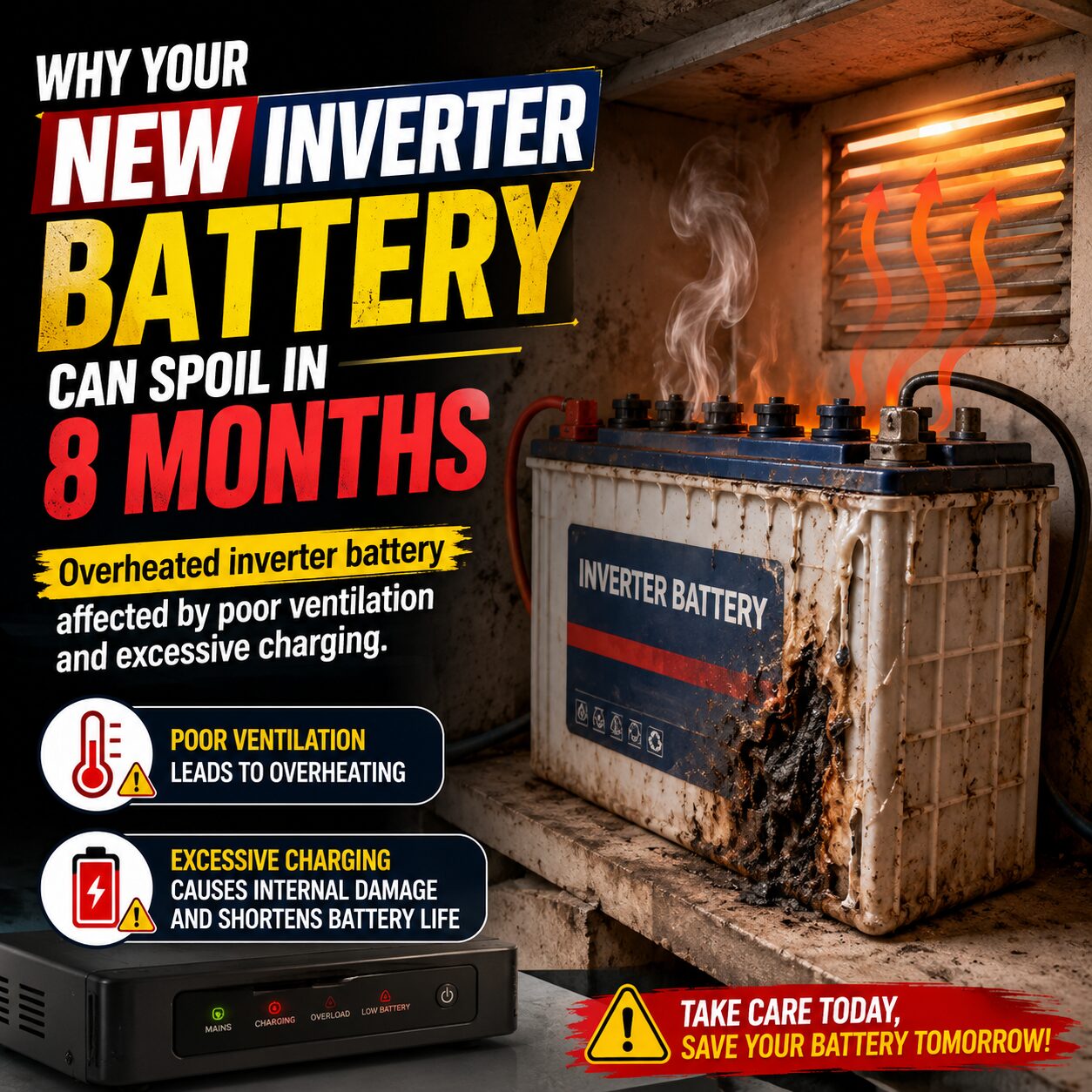
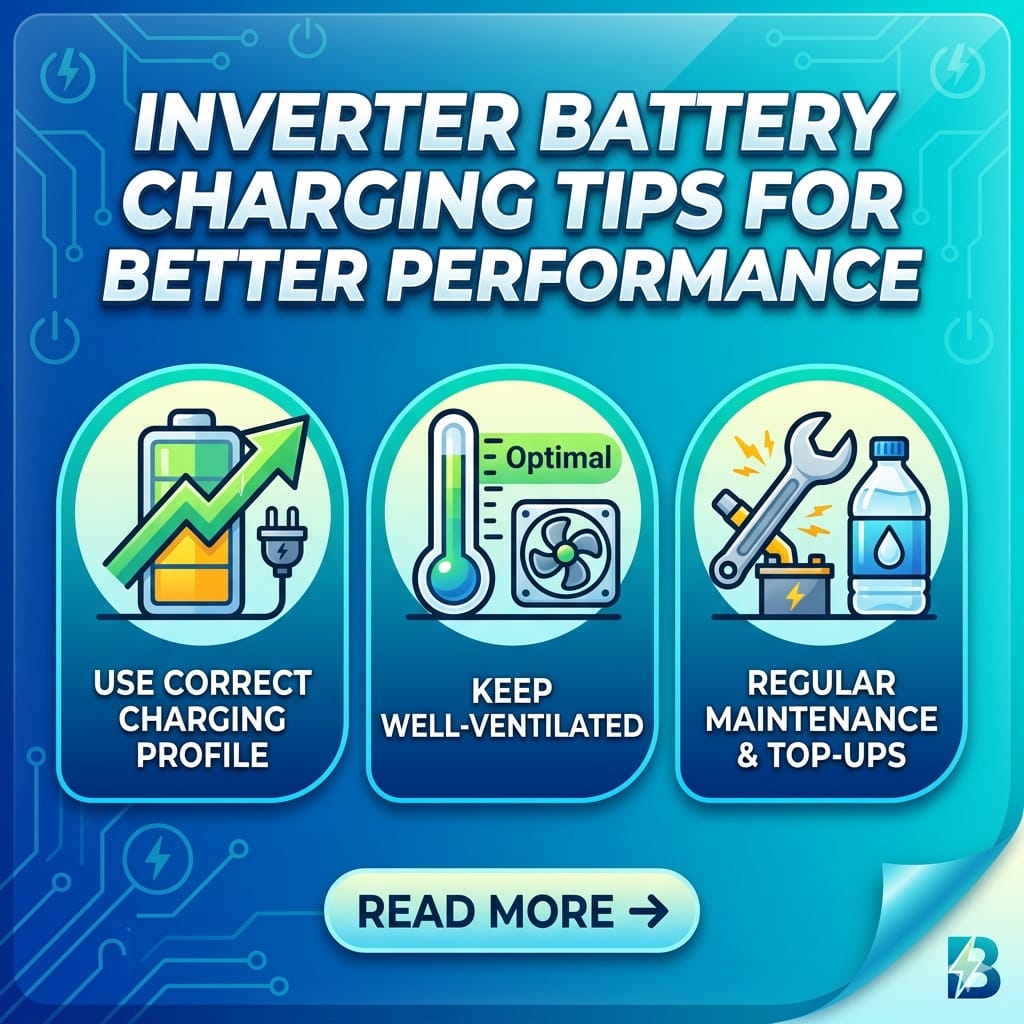
While protecting batteries from rain is important, ventilation is equally necessary. Batteries generate heat during charging and discharging cycles. Without sufficient airflow, excessive heat can build up.
As a result, battery efficiency may decrease over time.
To improve ventilation:
- Keep the battery room well-aired.
- Avoid overcrowding the area.
- Leave enough space around the battery unit.
- Install ventilation fans if necessary.
Consequently, your battery will operate at a safer temperature and enjoy a longer lifespan.
Regularly Inspect Battery Terminals
Battery terminals are especially vulnerable to corrosion during humid weather. Therefore, routine inspections should become part of your maintenance schedule.
Look for:
- White or greenish deposits
- Rust formation
- Loose cable connections
If corrosion appears, clean the terminals carefully using a recommended battery cleaning solution. Afterwards, apply terminal grease to minimize future corrosion.
As a result, electrical connections remain strong and efficient.
Check Battery Water Levels Frequently
For flooded lead-acid batteries, monitoring electrolyte levels is extremely important. During rainy periods, many users focus on weather-related issues and forget routine battery checks.
However, low water levels can significantly reduce battery performance.
Therefore:
- Inspect electrolyte levels regularly.
- Use only distilled water when topping up.
- Avoid overfilling the cells.
- Follow manufacturer guidelines.
By maintaining proper electrolyte levels, you can improve battery efficiency and extend its lifespan.
Protect Against Power Surges
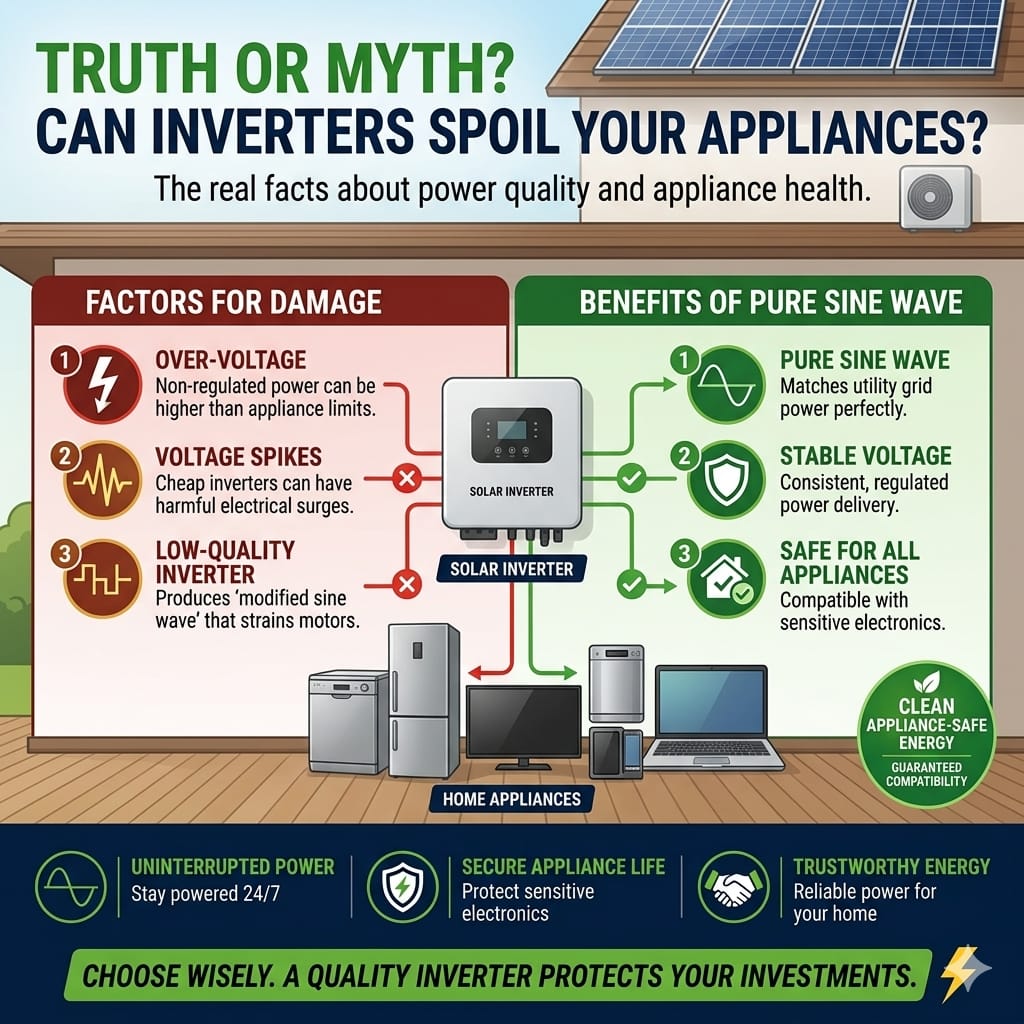
Rainstorms often bring lightning strikes and voltage fluctuations. Consequently, inverter batteries may suffer damage from unstable electrical input.
To minimize risks:
- Install a quality surge protector.
- Use voltage stabilizers where necessary.
- Ensure your inverter has built-in protection features.
Furthermore, surge protection helps safeguard not only the battery but also connected appliances.
Avoid Deep Battery Discharges
Frequent and complete battery discharge can shorten battery life significantly. During rainy seasons, prolonged outages may tempt users to drain batteries completely.
Instead:
- Recharge batteries as soon as possible.
- Avoid running batteries to extremely low levels.
- Monitor battery charge status regularly.
As a result, the battery experiences less stress and maintains its capacity longer.
Keep Battery Connections Tight
Loose battery connections can create resistance, leading to overheating and reduced charging efficiency.
Therefore, periodically check:
- Cable connections
- Terminal bolts
- Wiring integrity
Additionally, replace damaged cables immediately to prevent electrical issues.
This simple maintenance practice can significantly improve inverter performance during heavy rainfall periods.
Clean the Battery Area Regularly
Dust combined with moisture can create conductive paths that may affect battery operation. Therefore, keeping the surrounding environment clean is essential.
Make sure to:
- Remove dust accumulation.
- Wipe away moisture immediately.
- Keep the battery enclosure clean.
- Inspect for mold growth.
Consequently, your inverter system remains safer and more reliable.
Monitor Battery Health with Routine Testing
Battery testing allows you to identify potential problems before they become serious. During the rainy season, preventive maintenance is particularly important.
You should periodically check:
- Battery voltage
- Charging efficiency
- Backup duration
- Physical condition
Furthermore, professional inspections can help detect hidden issues early.
Use Quality Batteries Designed for Nigerian Conditions
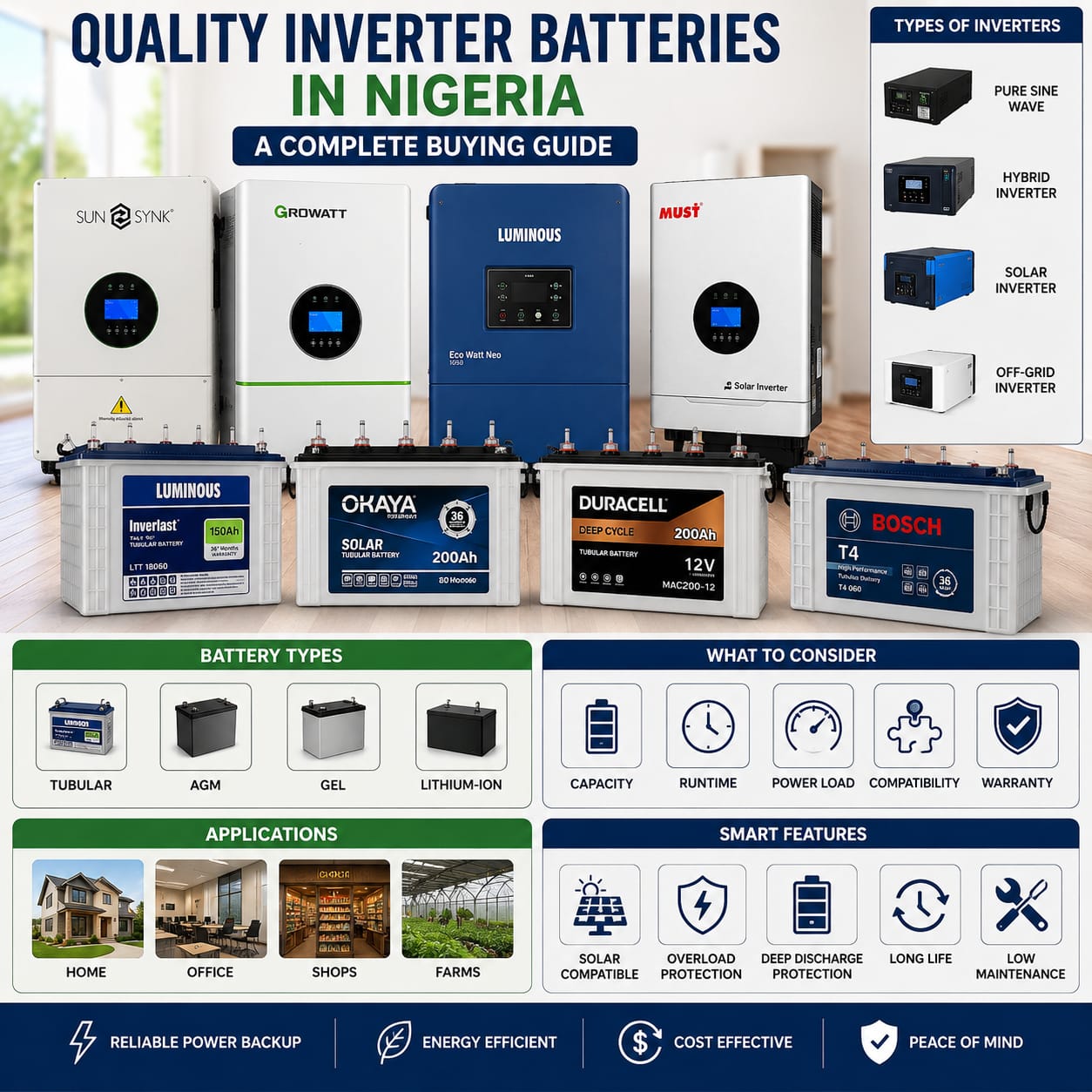
Not all batteries perform equally in humid environments. Therefore, investing in high-quality inverter batteries designed for tropical climates can make a significant difference.
When selecting a battery, consider:
- Durability
- Warranty coverage
- Temperature tolerance
- Manufacturer reputation
Although quality batteries may cost more initially, they often provide better long-term value.
Signs Your Inverter Battery May Be Damaged
Even with proper maintenance, batteries can develop issues over time.
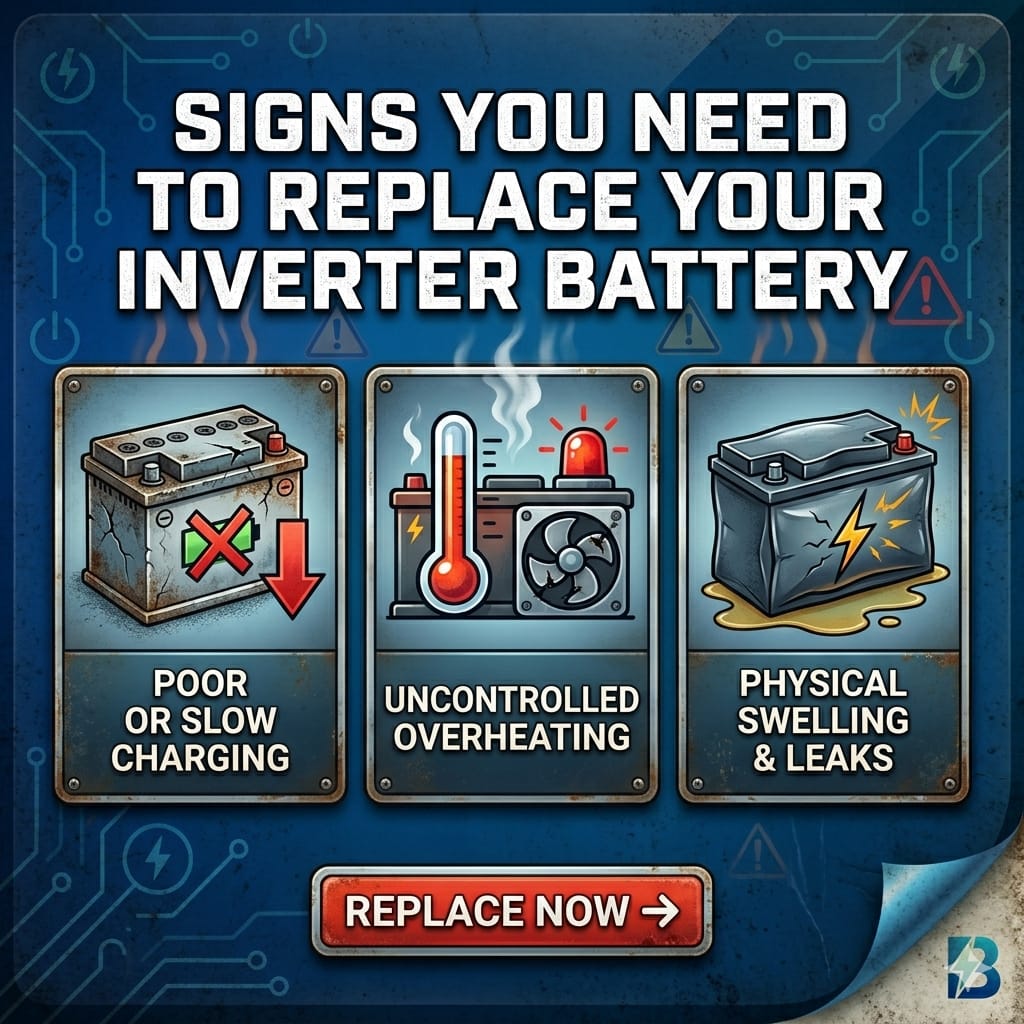
Watch out for these warning signs:
Reduced Backup Time
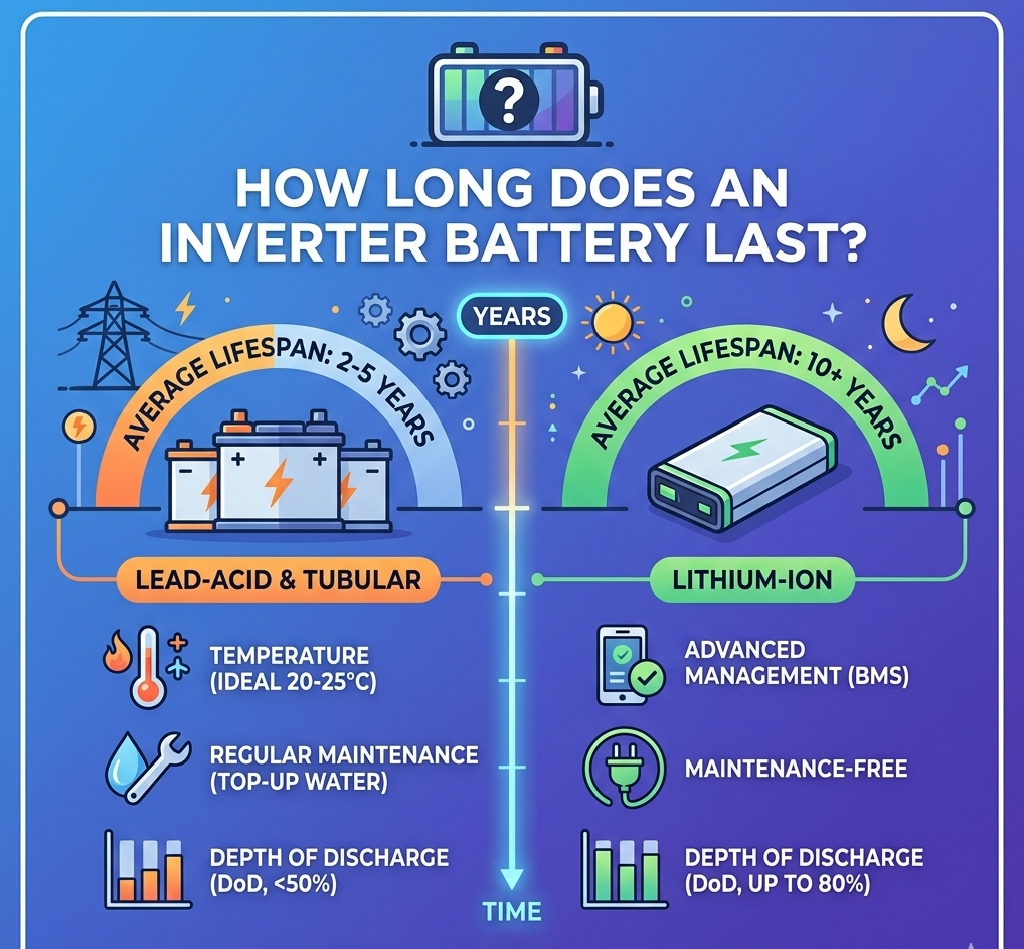
If your battery no longer provides sufficient backup duration, its capacity may be declining.
Swollen Battery Casing
Bulging or swelling often indicates internal damage and requires immediate attention.
Excessive Heating
Unusual heat generation during charging or operation may signal battery problems.
Corroded Terminals
Persistent corrosion can affect performance and should not be ignored.
Slow Charging
Long charging times may indicate aging cells or charging system issues.
Conclusion
Knowing how to prevent inverter battery damage during rainy season can save you money, improve power reliability, and extend battery lifespan. By keeping batteries dry, ensuring proper ventilation, checking water levels, preventing corrosion, and protecting against power surges, you can significantly reduce the risk of damage.


 Get it on
  Download on the