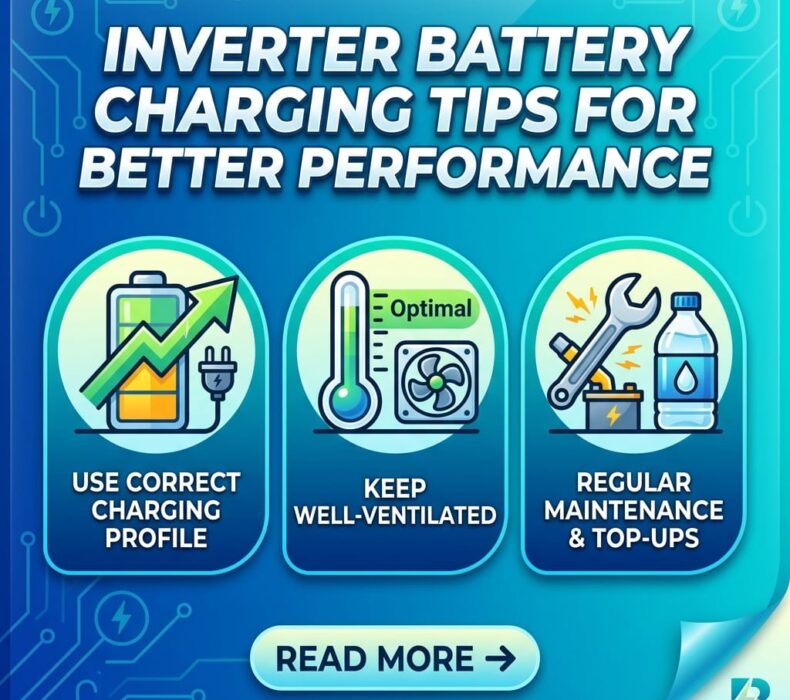
Following the right inverter battery charging tips for better performance is essential if you want to maximize battery lifespan and ensure reliable backup power. Many inverter users focus on purchasing quality batteries but often overlook proper charging practices. However, charging habits play a major role in determining how efficiently a battery performs over time. Therefore, understanding and applying effective charging techniques can help reduce maintenance costs while improving overall system reliability.
Why Proper Battery Charging Matters
An inverter battery is the heart of any backup power system. Without proper charging, even the most expensive battery can experience reduced efficiency and a shorter lifespan.
Moreover, improper charging can lead to:
Reduced backup duration
Overheating
Sulfation in lead-acid batteries
Higher maintenance costs
Premature battery failure
Consequently, adopting correct charging practices is one of the smartest ways to protect your investment.
Charge Batteries Fully Whenever Possible
One of the most important charging practices is ensuring that batteries reach a full charge whenever possible.
Partially charged batteries may gradually lose capacity over time. Furthermore, repeated incomplete charging can reduce overall battery efficiency.
Therefore:
Allow batteries to complete charging cycles.
Avoid disconnecting chargers prematurely.
Monitor charging progress regularly.
As a result, the battery remains healthier and delivers consistent performance.
Avoid Deep Battery Discharges
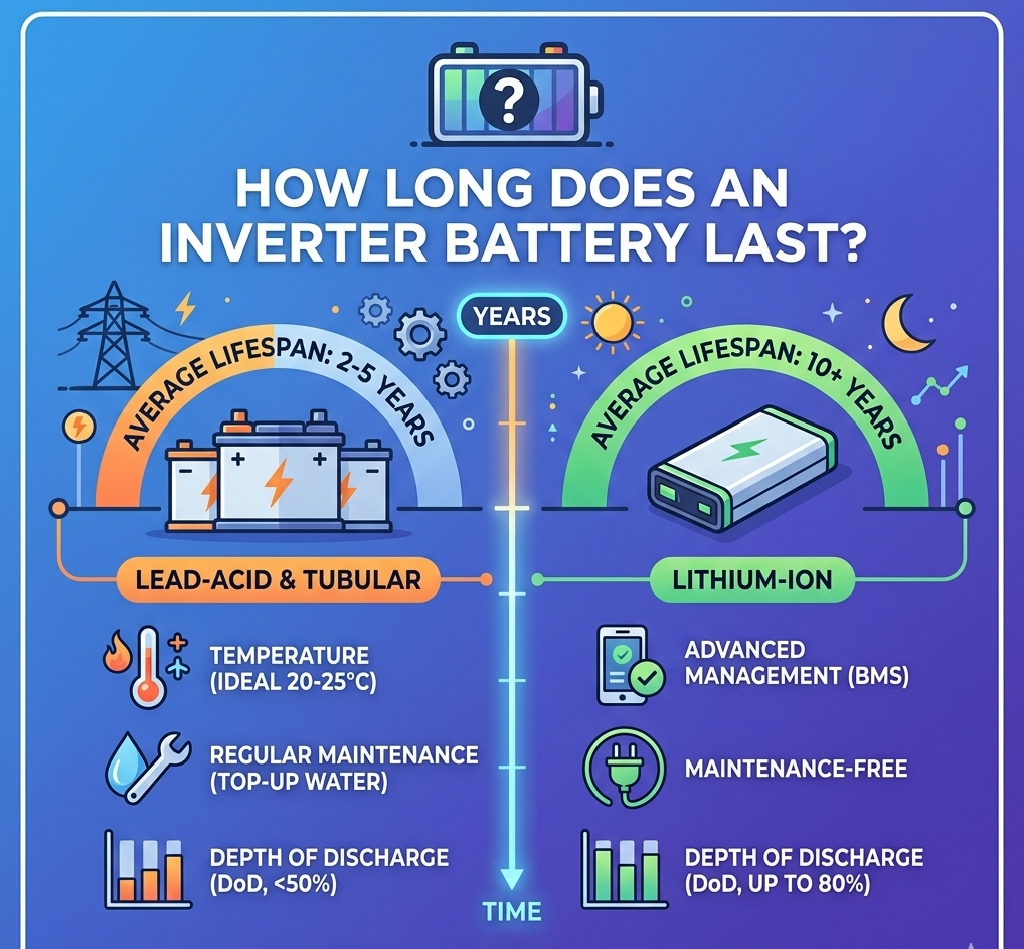
Although inverter batteries are designed for repeated charging and discharging, excessively deep discharges can shorten their lifespan.
For example, frequently draining a battery to very low levels places additional stress on its internal components.
Instead:
Recharge batteries before they become fully depleted.
Monitor battery voltage regularly.
Use battery management systems when available.
Consequently, the battery maintains its capacity for a longer period.
Use the Correct Charging Voltage
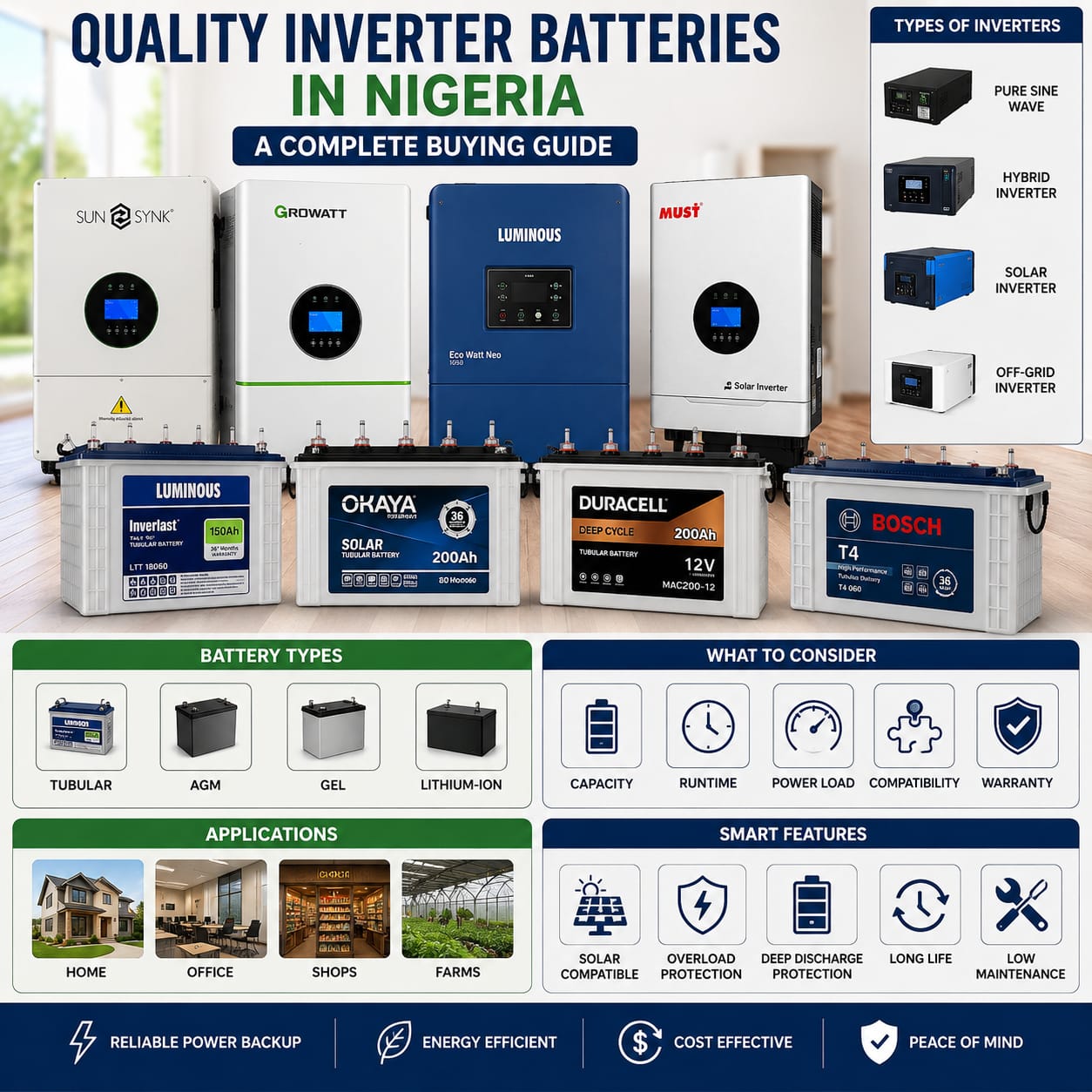
Different battery types require specific charging voltages.
Using incorrect voltage settings may lead to:
Undercharging
Overcharging
Reduced efficiency
Internal battery damage
Therefore, always follow the manufacturer’s charging recommendations.
Additionally, modern inverter systems often include automatic charging controls that help maintain proper voltage levels.
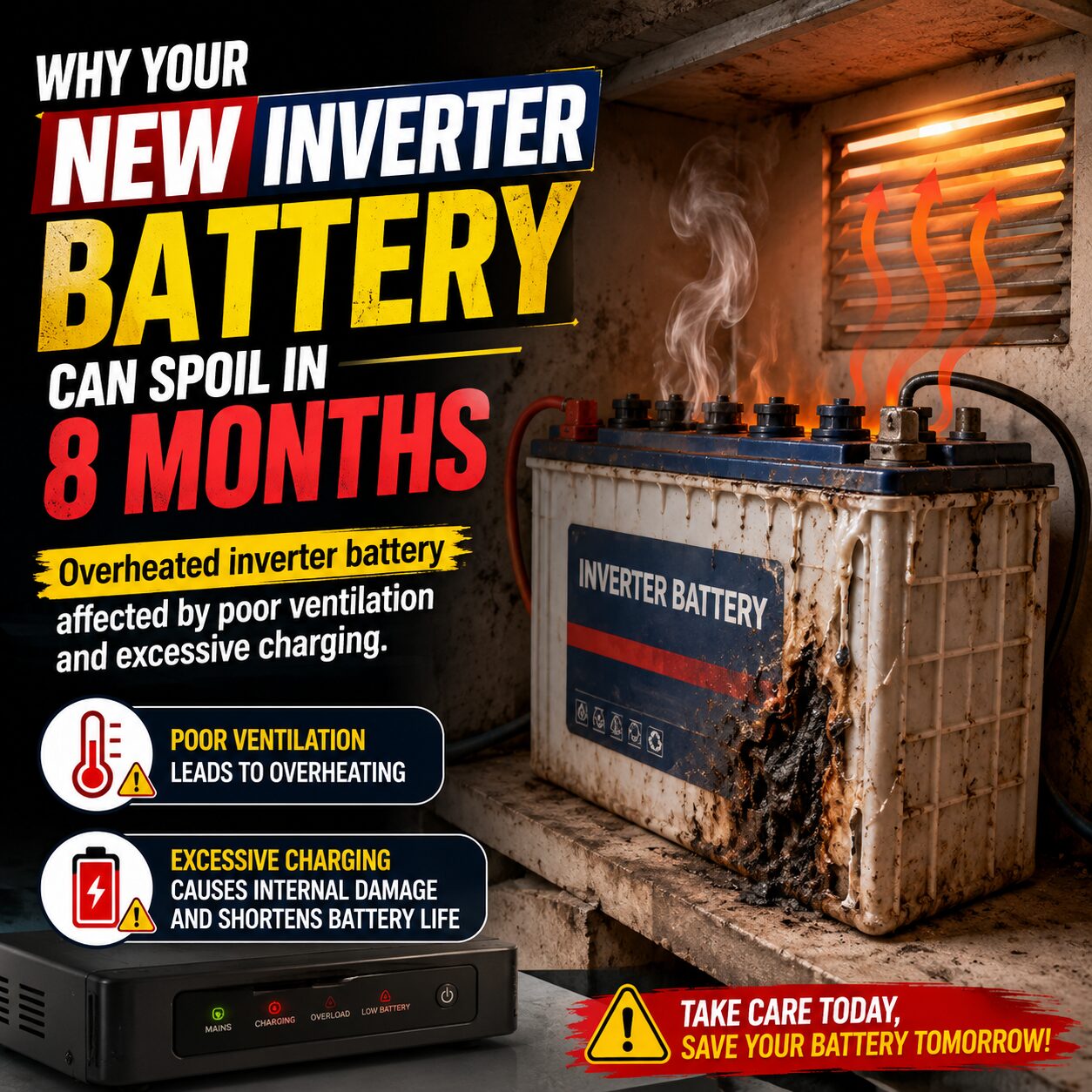
Prevent Overcharging
Overcharging is one of the most common causes of battery deterioration.
When batteries remain on excessive charge for prolonged periods, they may experience:
Excessive heat buildup
Water loss
Plate corrosion
Reduced lifespan
Fortunately, smart chargers automatically regulate charging levels and prevent overcharging.
As a result, battery performance remains stable over time.
Maintain Proper Ventilation During Charging
Batteries generate heat while charging. Consequently, poor ventilation can cause temperatures to rise beyond safe operating limits.
To improve airflow:
Place batteries in well-ventilated areas.
Avoid enclosed spaces without airflow.
Keep vents unobstructed.
Install cooling fans if necessary.
Furthermore, proper ventilation helps improve charging efficiency and safety.
Monitor Battery Temperature
Temperature significantly affects battery charging performance.
During hot weather, batteries may charge differently than during cooler conditions.
Therefore:
Avoid exposing batteries to direct sunlight.
Maintain moderate room temperatures.
Inspect batteries for excessive heating.
As a result, charging remains more efficient and battery life is preserved.
Check Electrolyte Levels Regularly
For flooded lead-acid batteries, maintaining proper electrolyte levels is essential.
Low electrolyte levels can expose internal battery plates and reduce performance.
To prevent problems:
Inspect electrolyte levels routinely.
Use only distilled water when refilling.
Avoid overfilling battery cells.
Consequently, the battery continues operating at peak efficiency.
Clean Battery Terminals Frequently
Corrosion on battery terminals can interfere with charging efficiency.
Therefore, regular cleaning should be part of your maintenance routine.
Look for:
White powdery deposits
Rust formation
Loose cable connections
After cleaning, apply terminal grease to reduce future corrosion.
As a result, electrical connections remain strong and charging performance improves.
Use Quality Charging Equipment
Not all charging systems provide the same level of performance.
Investing in quality chargers offers several benefits:
Accurate voltage regulation
Faster charging
Improved safety features
Better battery protection
Although cheaper alternatives may seem attractive initially, quality charging equipment often saves money in the long run.
Avoid Long Periods of Inactivity
Batteries that remain unused for extended periods can gradually lose charge.
Furthermore, prolonged inactivity may contribute to sulfation in lead-acid batteries.
Therefore:
Charge stored batteries periodically.
Perform maintenance charging when necessary.
Monitor voltage levels during storage.
Consequently, batteries remain ready for use when needed.
Balance Charging Loads Properly
Many inverter users overload their systems without realizing it.
Excessive loads force batteries to discharge more deeply and recharge more frequently.
To avoid this problem:
Calculate your power requirements accurately.
Use appliances within inverter capacity limits.
Upgrade battery capacity if necessary.
As a result, charging cycles become more efficient and battery health improves.
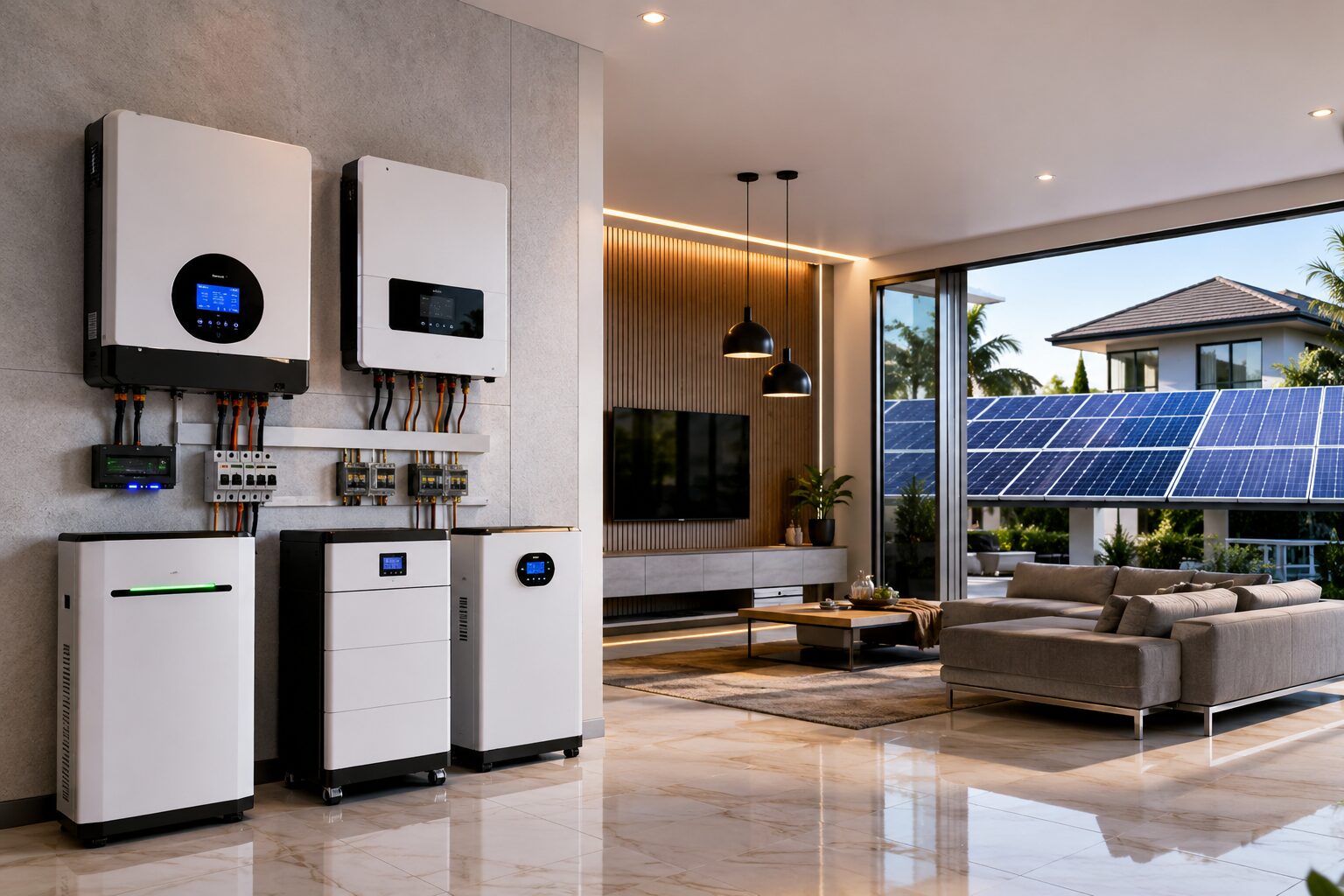
Consider Solar Charging Solutions
Solar charging systems provide a reliable and cost-effective way to maintain inverter batteries.
Additionally, solar charging offers:
Reduced electricity bills
Cleaner energy production
Consistent daytime charging
Greater energy independence
Therefore, integrating solar panels with your inverter system can significantly improve overall performance.
Common Charging Mistakes to Avoid
While following these inverter battery charging tips for better performance, avoid these common mistakes:
Ignoring Manufacturer Instructions
Different batteries have different charging requirements.
Allowing Frequent Deep Discharges
Repeated deep discharges can reduce battery lifespan significantly.
Neglecting Maintenance
Regular inspections help identify problems before they become serious.
Consequently, proper maintenance contributes to longer battery life and better performance.
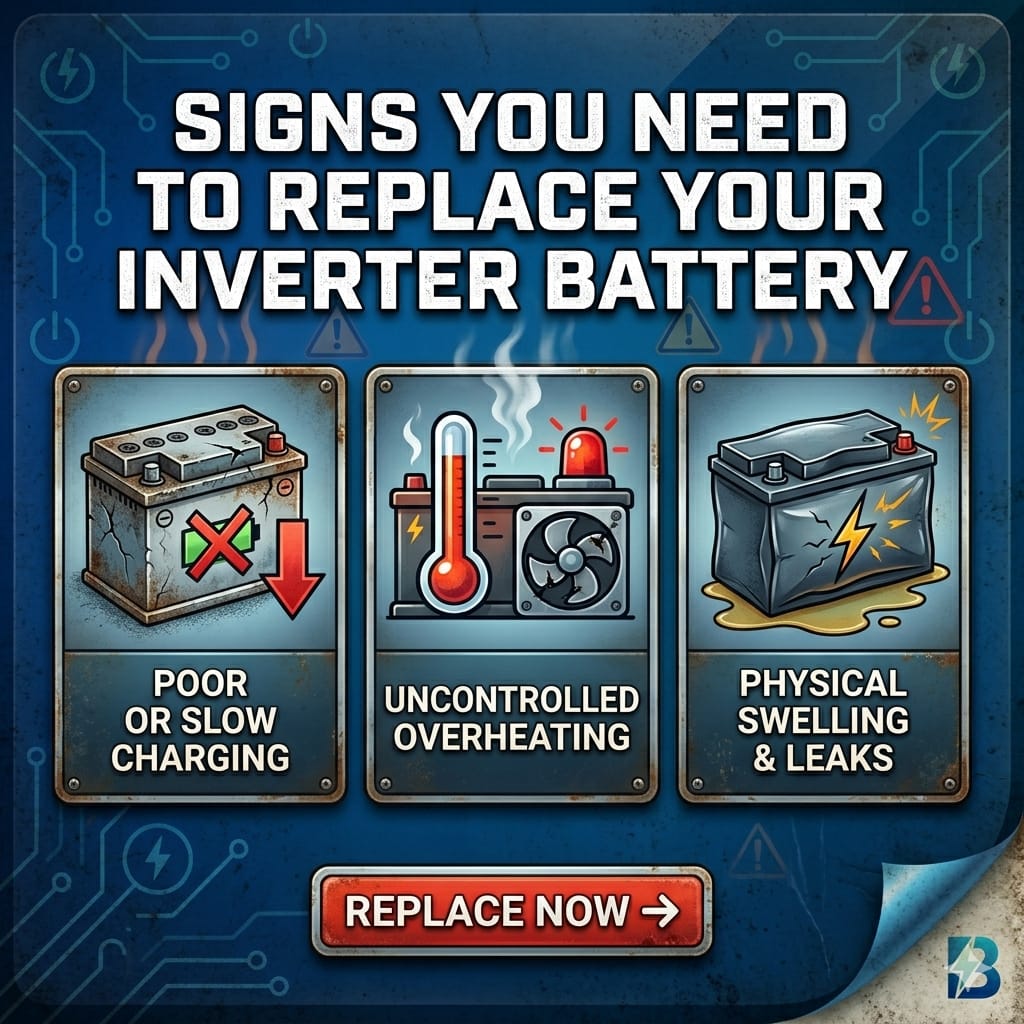
Signs Your Battery May Have Charging Problems
While following these inverter battery charging tips for better performance Watch for these warning signs
Slow charging
Reduced backup time
Excessive heat generation
Swollen battery casing
Frequent low-voltage alerts
If any of these symptoms appear, inspect the charging system immediately.
Conclusion
Applying these inverter battery charging tips for better performance can significantly improve battery efficiency, extend lifespan, and reduce replacement costs. By avoiding overcharging, maintaining proper voltage levels, ensuring adequate ventilation, and performing routine maintenance, you can keep your inverter battery operating at its best.










 Get it on
  Download on the