






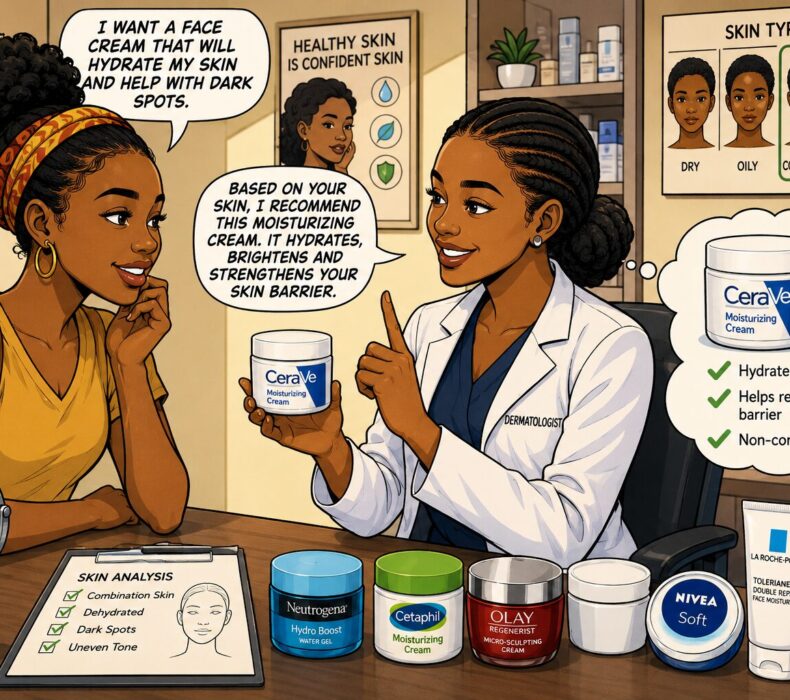
Healthy, glowing skin is something many Nigerians desire, but achieving it requires more than simply washing your face. Daily exposure to the hot sun, humidity, dust, pollution, and harsh weather conditions can strip the skin of its natural moisture, leaving it dry, dull, or prone to breakouts. This is where a good face cream becomes an essential part of your skincare routine.
Many people still ask, what does face cream do? Is it only for people with dry skin? Can oily skin benefit from it? Does it actually improve your complexion? The answer is yes. Face cream plays a vital role in maintaining healthy skin regardless of your skin type.
Whether you live in Lagos, Abuja, Port Harcourt, Kano, Enugu, or anywhere else in Nigeria, using the right face cream can help protect your skin from environmental damage while keeping it hydrated, smooth, and youthful.
In this comprehensive guide, you’ll learn exactly what face cream does, its major benefits, how to choose the right one for your skin type, and the best practices for getting the most from your skincare routine.
What Does Face Cream Do?
Face cream is a skincare product specially formulated to moisturize, nourish, protect, and improve the overall health of your facial skin. Unlike body lotions, face creams are designed specifically for the delicate skin on the face.
A quality face cream works by:
- Restoring lost moisture
- Strengthening the skin barrier
- Preventing excessive water loss
- Protecting against environmental damage
- Improving skin texture
- Supporting natural skin repair
Modern face creams often contain beneficial ingredients such as:
- Hyaluronic Acid
- Ceramides
- Niacinamide
- Glycerin
- Shea Butter
- Vitamin E
- Vitamin C
- Peptides
- Aloe Vera
These ingredients work together to maintain healthy, hydrated skin throughout the day.
Why Nigerians Need Face Cream More Than Ever
Nigeria’s tropical climate presents unique skincare challenges.
These include:
- Intense UV exposure
- High temperatures
- Humidity
- Air pollution
- Dust
- Harmattan dryness
- Frequent sweating
All these factors can weaken the skin barrier and increase moisture loss.
Using a good face cream helps your skin stay healthy despite these environmental conditions.
Benefits of Using Face Cream
1. Keeps the Skin Hydrated
One of the biggest benefits of face cream is hydration.
Throughout the day, your skin loses water naturally through evaporation. Without replacing this moisture, your skin becomes:
- Dry
- Rough
- Tight
- Flaky
Face cream locks moisture into the skin, keeping it soft and comfortable.
Hydrated skin also appears:
- Fresher
- Brighter
- More youthful
2. Strengthens the Skin Barrier
Your skin barrier acts like a protective shield against:
- Germs
- Pollution
- Dust
- Chemicals
- Harsh weather
When the barrier becomes damaged, skin problems become more common.
Face creams containing ceramides and lipids help rebuild this protective barrier, reducing sensitivity and irritation.
3. Prevents Dryness During Harmattan
Harmattan is one of the toughest seasons for skin in Nigeria.
The cold, dry air often causes:
- Cracked skin
- Peeling
- Tightness
- White patches
- Irritation
Using a rich moisturizing face cream helps prevent excessive dryness and discomfort during this period.
4. Makes the Skin Feel Softer
Dry skin often feels rough to the touch.
Regular application of face cream smooths the skin’s surface, making it softer and more supple.
Many people notice improvements within just a few weeks of consistent use.
5. Helps Reduce Fine Lines
Dehydrated skin often makes wrinkles appear deeper than they actually are.
Face creams containing:
- Hyaluronic Acid
- Peptides
- Retinol
- Vitamin E
can help improve skin elasticity and reduce the appearance of fine lines.
While moisturizers cannot permanently erase wrinkles, they significantly improve the skin’s appearance.
6. Protects Against Environmental Damage
Daily exposure to pollution generates free radicals that damage skin cells.
This damage contributes to:
- Premature aging
- Uneven skin tone
- Dullness
- Fine lines
Many face creams now include antioxidants like:
- Vitamin C
- Vitamin E
- Green Tea Extract
These ingredients help protect the skin from environmental stress.
7. Brightens the Complexion
Many Nigerians desire brighter, healthier-looking skin—not necessarily lighter skin.
Hydrated skin naturally reflects light better, giving the face a healthy glow.
Face creams containing:
- Niacinamide
- Vitamin C
- Licorice Extract
can gradually improve dullness and uneven skin tone.
8. Helps Control Oil Production
Many people with oily skin avoid moisturizers because they think they’ll make the face greasier.
In reality, the opposite is often true.
When skin becomes dehydrated, it may produce extra oil to compensate.
Using a lightweight face cream helps balance oil production.
This can reduce excessive shine over time.
9. Supports Skin Repair
Your skin repairs itself while you sleep.
Night creams often contain nourishing ingredients that help accelerate this natural repair process.
These creams support:
- Cell renewal
- Moisture restoration
- Skin recovery
This is why many dermatologists recommend using face cream both morning and night.
10. Improves Makeup Application
Well-moisturized skin creates a smoother surface for makeup.
Foundation tends to:
- Blend better
- Last longer
- Look more natural
Dry patches become less noticeable after regular moisturizing.
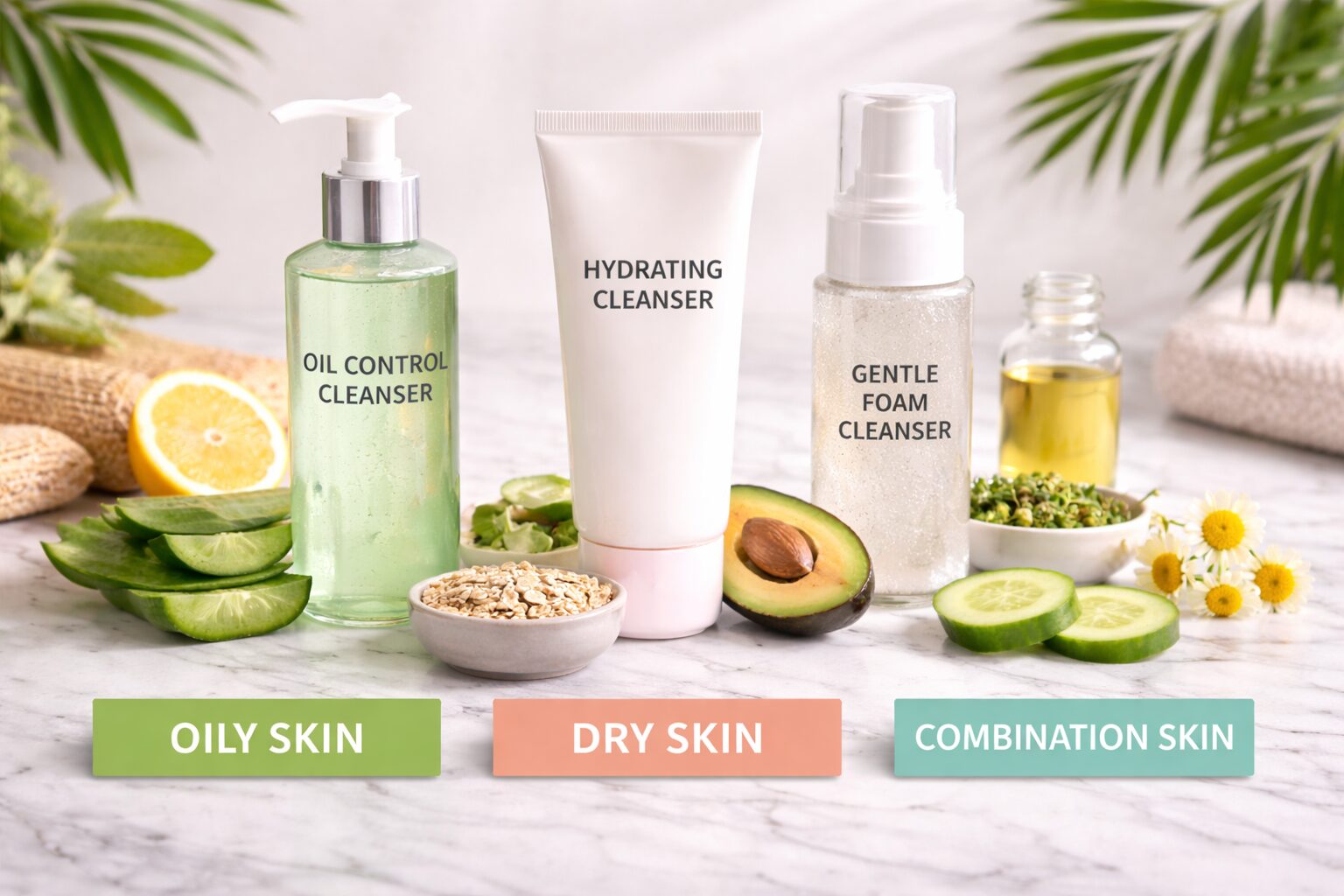
Face Cream for Different Skin Types
Dry Skin
Dry skin benefits from rich creams containing:
- Shea Butter
- Ceramides
- Squalane
- Glycerin
These ingredients provide deep hydration.
Oily Skin
Choose lightweight, non-comedogenic creams.
Look for ingredients such as:
- Hyaluronic Acid
- Niacinamide
- Aloe Vera
These moisturize without clogging pores.
Combination Skin
Combination skin requires balanced hydration.
Gel creams or lightweight moisturizers often work best.
Sensitive Skin
Sensitive skin needs fragrance-free products with calming ingredients like:
- Aloe Vera
- Panthenol
- Ceramides
Avoid creams containing excessive alcohol or artificial fragrance.
Acne-Prone Skin
People with acne still need moisturizer.
Look for:
- Oil-free formulas
- Non-comedogenic products
- Niacinamide
- Hyaluronic Acid
These help hydrate the skin without worsening breakouts.
Common Ingredients Found in Face Cream
Hyaluronic Acid
Draws water into the skin and provides long-lasting hydration.
Ceramides
Repair and strengthen the skin barrier.
Niacinamide
Helps reduce oil production while improving skin tone.
Glycerin
One of the most effective moisturizing ingredients.
Vitamin C
Brightens dull skin and protects against environmental damage.
Shea Butter
Provides deep nourishment, especially for dry skin.
Aloe Vera
Soothes irritated and sensitive skin.
How to Apply Face Cream Properly
Many people apply face cream incorrectly.
For the best results:
Step 1
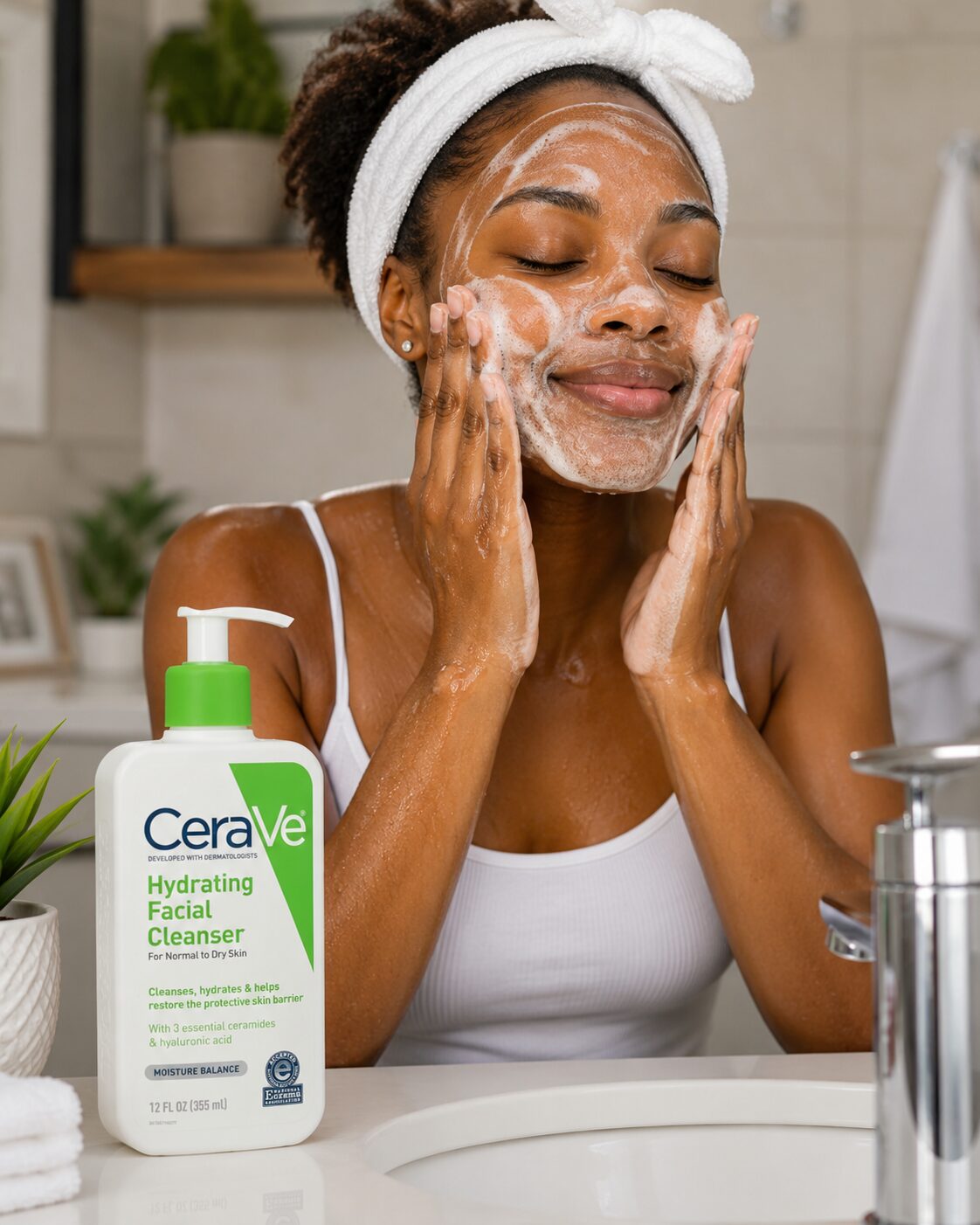
Wash your face with a gentle cleanser.
Step 2
Apply toner if you use one.
Step 3
Apply any treatment serum.
Step 4
Take a small amount of face cream.
Step 5
Dot it across:
- Forehead
- Nose
- Cheeks
- Chin
Step 6
Massage gently using upward circular motions.
Step 7
Allow it to absorb completely.
Step 8
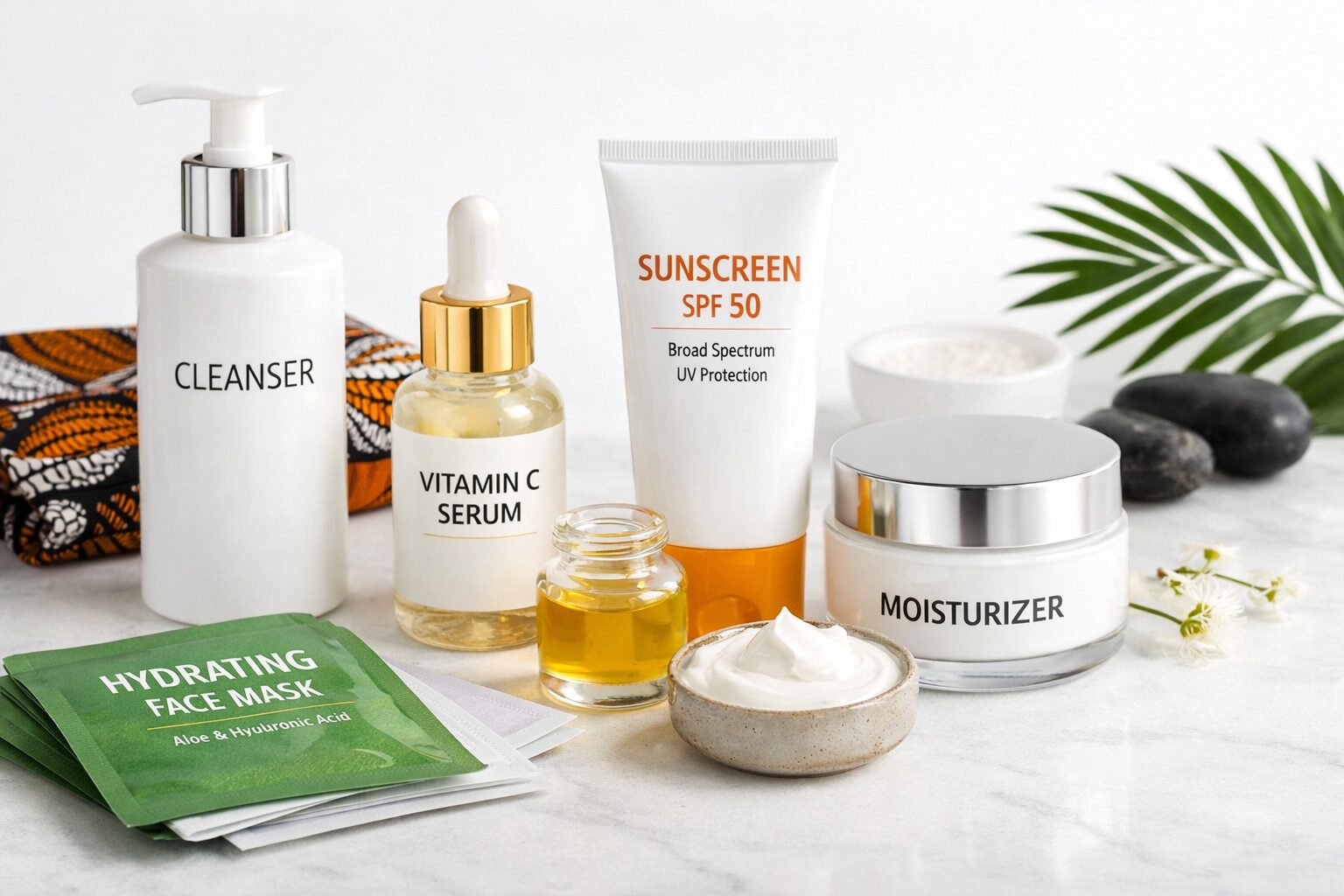
During the day, finish with sunscreen.
Mistakes Nigerians Make When Using Face Cream
Using Too Much
Applying excessive cream doesn’t improve results.
A pea-sized amount is usually enough.
Skipping Moisturizer Because of Oily Skin
Oily skin still needs hydration.
Skipping moisturizer may increase oil production.
Choosing Products Based Only on Price
Expensive doesn’t always mean better.
Choose products based on ingredients and your skin type.
Ignoring Sunscreen
Face cream cannot replace sunscreen.
Without SPF, UV damage continues even if you moisturize daily.
Inconsistent Use
Many people use face cream only occasionally.
Consistency is what produces noticeable improvements.
How Often Should You Use Face Cream?
Most dermatologists recommend using face cream:
- Every morning
- Every night
Morning application protects against daily moisture loss.
Night application supports overnight skin repair.
Can Men Use Face Cream?
Absolutely.
Men experience the same environmental stressors as women.
In fact, shaving can increase skin sensitivity and dryness.
Using face cream helps soothe irritation and maintain healthier skin.
At What Age Should You Start Using Face Cream?
There is no specific age.
Teenagers can begin using lightweight moisturizers if needed.
Adults should make moisturizing part of their daily skincare routine.
Preventive skincare is always easier than correcting skin problems later.
Choosing the Best Face Cream in Nigeria
When buying a face cream, consider:
- Your skin type
- The ingredient list
- Non-comedogenic formulas
- Fragrance-free options for sensitive skin
- Products from trusted brands
- Climate suitability
If you live in humid areas like Lagos or Port Harcourt, lightweight creams may feel more comfortable.
If you experience dry conditions during Harmattan, richer creams provide better protection.
Popular Face Cream Ingredients Nigerians Should Look For
Depending on your skincare goals, choose products with:
| Skin Concern | Recommended Ingredients |
|---|---|
| Dry Skin | Shea Butter, Ceramides, Glycerin |
| Oily Skin | Niacinamide, Hyaluronic Acid |
| Acne | Salicylic Acid, Niacinamide |
| Sensitive Skin | Aloe Vera, Ceramides |
| Dull Skin | Vitamin C, Niacinamide |
| Aging Skin | Peptides, Retinol, Hyaluronic Acid |
Frequently Asked Questions
Can I Use Face Cream Every Day?
Yes. Daily use helps maintain hydration and supports healthy skin.
Is Face Cream Better Than Body Lotion?
Yes. Face creams are specifically formulated for the delicate skin on your face and are less likely to clog pores.
Can Face Cream Remove Dark Spots?
Some face creams contain ingredients like niacinamide or vitamin C that can gradually improve the appearance of dark spots. However, stubborn hyperpigmentation may require targeted treatments and consistent sun protection.
Should I Use Face Cream Before Sunscreen?
Yes. Apply face cream first, allow it to absorb, then apply a broad-spectrum sunscreen with SPF 30 or higher during the day.
Does Oily Skin Need Face Cream?
Absolutely. Oily skin still requires hydration. Choose a lightweight, oil-free, non-comedogenic moisturizer to avoid clogged pores while maintaining the skin’s moisture balance.
Conclusion
So, what does face cream do? It does much more than simply moisturize your skin. A good face cream hydrates, strengthens the skin barrier, protects against environmental damage, supports skin repair, improves texture, and promotes a healthier, more radiant complexion. For Nigerians, regular use is especially valuable because the country’s heat, humidity, dust, pollution, and Harmattan season can place extra stress on the skin.
Whether your skin is dry, oily, combination, sensitive, or acne-prone, there is a face cream formulated to meet your needs. The key is to choose products with proven ingredients, use them consistently, and pair them with a gentle cleanser and daily sunscreen. Over time, this simple routine can help you maintain smoother, healthier, and more resilient skin.
By making face cream a daily habit, you’re investing in the long-term health and appearance of your skin—helping it look and feel its best every day.





 Get it on
  Download on the