







- BeautyWriter
- July 22, 2026
- No Comments
Best Facial Cream for Hyperpigmentation in Nigeria: Complete Guide to Clear, Even-Toned Skin
Hyperpigmentation is one of the most common skincare concerns among Nigerians. Whether caused by acne scars, sun damage, hormonal changes, or skin irritation, those stubborn dark patches can affect confidence and make achieving an even complexion seem difficult. Fortunately, choosing the best facial cream for hyperpigmentation in Nigeria can significantly improve your skin tone when combined with a consistent skincare routine.
This guide explains what hyperpigmentation is, what causes it, the ingredients to look for, and the best facial creams available in Nigeria that help reduce dark spots safely without damaging the skin.
What Is Hyperpigmentation?
Hyperpigmentation refers to areas of the skin that become darker than the surrounding skin due to excess production of melanin, the pigment responsible for skin color. It can appear as:
- Acne marks (Post-Inflammatory Hyperpigmentation)
- Melasma
- Sunspots
- Age spots
- Dark patches caused by eczema or skin injuries
People with darker skin tones, including many Nigerians, naturally produce more melanin, making them more prone to hyperpigmentation after inflammation or injury. Fortunately, it often responds well to consistent treatment using evidence-based skincare ingredients.
Common Causes of Hyperpigmentation in Nigeria
Understanding the cause of your pigmentation helps you choose the right facial cream.
1. Acne
Pimples often leave behind dark marks after healing, especially when they are squeezed or picked.
2. Sun Exposure
Nigeria’s tropical climate exposes the skin to strong UV rays throughout the year. Without sunscreen, pigmentation becomes darker and takes longer to fade.
3. Hormonal Changes
Pregnancy, birth control pills, and hormonal imbalances may trigger melasma.
4. Skin Irritation
Harsh exfoliation, bleaching creams, burns, and allergic reactions can stimulate excess melanin production.
5. Insect Bites and Minor Injuries
Mosquito bites and small cuts frequently leave dark spots on darker skin tones.
Ingredients That Work Best for Hyperpigmentation
Rather than focusing only on brands, dermatologists recommend choosing creams based on their active ingredients.
Niacinamide
Niacinamide (Vitamin B3) helps reduce pigment transfer, strengthens the skin barrier, reduces redness, and gradually brightens dark spots.
Suitable for:
- Sensitive skin
- Oily skin
- Acne-prone skin
Vitamin C
Vitamin C is a powerful antioxidant that brightens dull skin, protects against environmental damage, and helps fade discoloration.
Best for:
- Sunspots
- Uneven skin tone
- Dull complexion
Alpha Arbutin
Alpha Arbutin reduces melanin production without the harsh side effects associated with stronger bleaching agents.
It is ideal for:
- Acne scars
- Melasma
- General pigmentation
Tranexamic Acid
One of the newest dermatologist-recommended ingredients, tranexamic acid helps improve stubborn pigmentation and melasma while being gentler than hydroquinone.
Azelaic Acid
Azelaic acid treats both acne and pigmentation at the same time.
Ideal for:
- Oily skin
- Acne-prone skin
- Sensitive skin
Kojic Acid
Kojic acid inhibits melanin production and gradually brightens pigmentation.
It works best when combined with:
- Vitamin C
- Niacinamide
- Alpha Arbutin
Retinol
Retinol speeds up skin cell turnover, allowing dark marks to fade faster. It should be introduced gradually and paired with daily sunscreen because it increases sun sensitivity.
Best Facial Creams for Hyperpigmentation in Nigeria
1. CeraVe PM Facial Moisturizing Lotion
Best for: Sensitive skin
Benefits:
- Contains Niacinamide
- Ceramides strengthen the skin barrier
- Lightweight
- Fragrance-free
- Suitable for daily use
2. La Roche-Posay Mela B3 Cream
Best for: Stubborn dark spots
Benefits:
- Niacinamide
- Melasyl technology
- Hydrates while fading pigmentation
- Suitable for sensitive skin
3. Palmer’s Skin Success Fade Cream
Best for: Dark spots
Benefits:
- Helps improve uneven complexion
- Moisturizes dry skin
- Widely available in Nigeria
4. Olay Vitamin C Face Cream
Best for: Dull skin
Benefits:
- Brightens complexion
- Hydrates deeply
- Improves skin texture
5. Nivea Luminous 630 Anti Spot Cream
Best for: Melasma
Benefits:
- Targets pigmentation
- Improves overall skin tone
- Suitable for daily use
6. Cetaphil Healthy Radiance Cream
Best for: Sensitive skin
Benefits:
- Niacinamide
- Gentle formula
- Reduces uneven skin tone while supporting the skin barrier.
7. Ambi Fade Cream
Best for: Stubborn pigmentation
Benefits:
- Effective for post-acne marks
- Often contains hydroquinone in some formulations
- Use only according to product directions and seek medical advice if using stronger hydroquinone-based products for extended periods.
8. Venus Toning Cream
A long-standing product in Nigeria, Venus Toning Cream contains niacinamide, moisturizers, and UV filters to help improve uneven skin tone while avoiding harsh bleaching ingredients.
How to Choose the Right Facial Cream
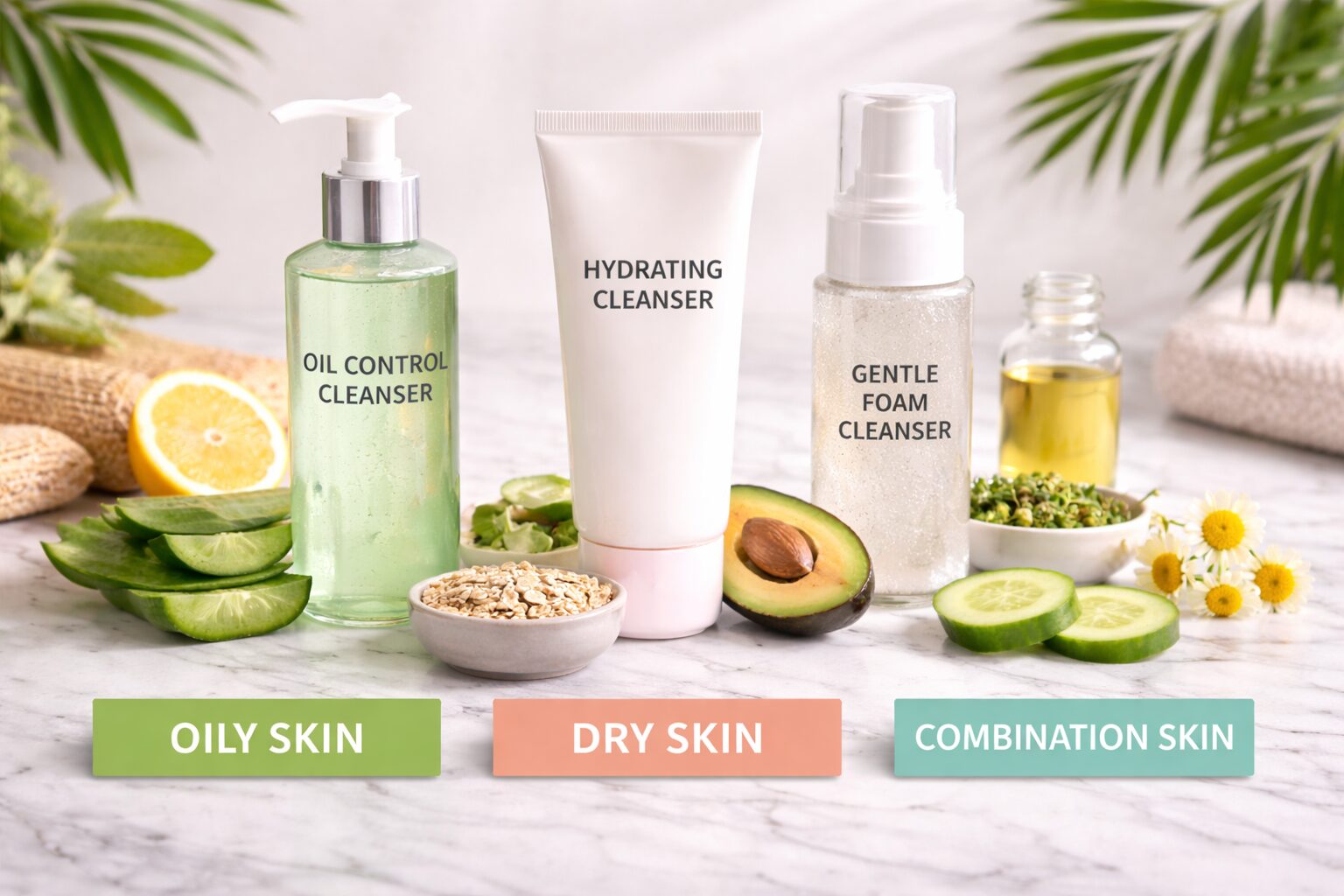
For Oily Skin
Choose lightweight creams containing:
- Niacinamide
- Azelaic Acid
- Vitamin C
Avoid thick oily creams.
For Dry Skin
Look for:
- Ceramides
- Hyaluronic Acid
- Shea Butter
- Glycerin
These ingredients hydrate while supporting skin repair.
For Sensitive Skin
Choose fragrance-free products with:
- Niacinamide
- Ceramides
- Panthenol
Avoid products containing excessive alcohol or harsh fragrances.
For Acne-Prone Skin
Select creams that include:
- Azelaic Acid
- Niacinamide
- Non-comedogenic moisturizers
Daily Routine for Treating Hyperpigmentation
Morning
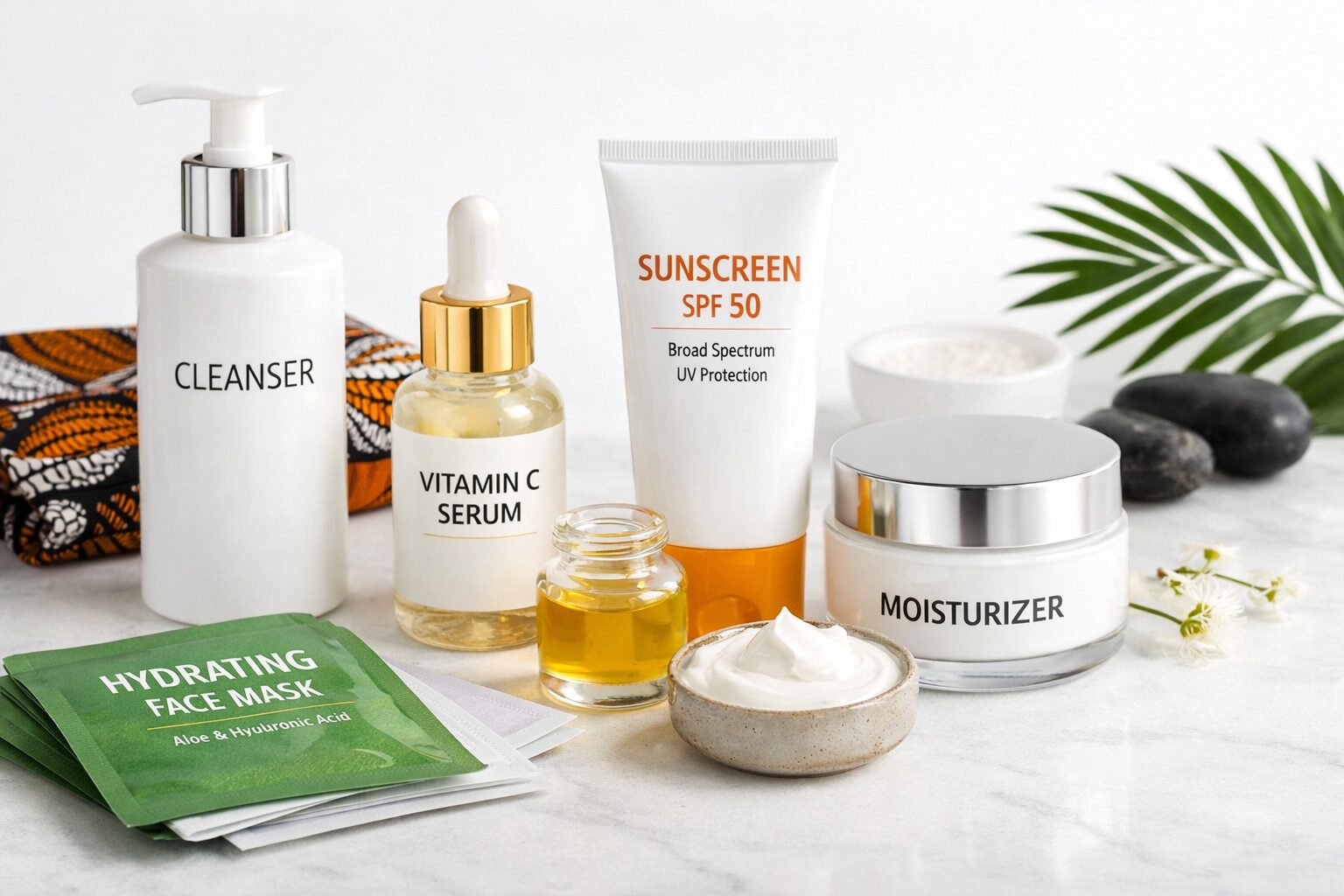
- Gentle facial cleanser
- Vitamin C serum (optional)
- Facial cream
- Sunscreen SPF 30 or higher
Evening
- Gentle cleanser
- Hyperpigmentation treatment (such as alpha arbutin, azelaic acid, or retinol, if appropriate)
- Moisturizing facial cream
Consistency over several weeks is essential for visible improvement.
Importance of Sunscreen
Many people invest in expensive facial creams but skip sunscreen.
Without sunscreen:
- Dark spots become darker
- Results take longer
- New pigmentation develops
- Existing treatment becomes less effective
Dermatologists consistently recommend daily SPF 30 or higher because UV exposure is a major trigger for hyperpigmentation.
Mistakes to Avoid
Using Bleaching Creams
Products containing unsafe levels of mercury or unregulated steroids may lighten the skin temporarily but can cause severe damage.
Mixing Too Many Active Ingredients
Using retinol, exfoliating acids, vitamin C, and hydroquinone all at once increases irritation and may worsen pigmentation.
Picking Pimples
Every squeezed pimple increases the risk of dark spots.
Expecting Overnight Results
Hyperpigmentation usually requires 8–12 weeks of consistent treatment to show meaningful improvement.
Natural Remedies: Do They Work?
Some natural ingredients may help brighten the skin slightly, including:
- Aloe vera
- Licorice extract
- Green tea extract
However, these are generally less effective than clinically studied ingredients such as niacinamide, vitamin C, alpha arbutin, tranexamic acid, and azelaic acid.
Where to Buy Facial Creams in Nigeria
You can purchase authentic facial creams from:
- Licensed pharmacies
- Authorized beauty stores
- Trusted online skincare retailers
- Reputable cosmetic shops
Always check expiry dates, ingredient lists, packaging quality, and seller credibility to reduce the risk of counterfeit products.
Frequently Asked Questions
Which facial cream removes dark spots fastest?
Products containing tranexamic acid, niacinamide, alpha arbutin, vitamin C, or azelaic acid tend to provide the best balance of effectiveness and safety. Hydroquinone may work faster for some people but should be used cautiously and preferably under medical supervision.
Can hyperpigmentation disappear completely?
Many cases fade significantly with consistent treatment, although deeper pigmentation such as melasma may require long-term maintenance and sun protection.
How long does it take to see results?
Most users notice gradual improvement after 8–12 weeks of regular use, provided they also wear sunscreen daily.
Can I use facial cream every day?
Yes. Most moisturizing facial creams formulated for hyperpigmentation are designed for daily use. Follow the product instructions, especially for creams containing retinoids or hydroquinone.
Conclusion
Finding the best facial cream for hyperpigmentation in Nigeria is about choosing products with proven active ingredients rather than relying on marketing claims. Ingredients such as niacinamide, vitamin C, alpha arbutin, azelaic acid, tranexamic acid, and ceramides are supported by evidence for improving uneven skin tone while maintaining a healthy skin barrier. When combined with gentle cleansing, daily moisturization, and consistent use of sunscreen, these creams can noticeably reduce dark spots and reveal a brighter, more even complexion over time.
Remember that patience is essential. Hyperpigmentation develops gradually and usually fades gradually as well. By avoiding harsh bleaching products, following a consistent routine, and choosing authentic skincare products from trusted Nigerian retailers, you can achieve healthier, more radiant skin safely and sustainably.





 Get it on
  Download on the