






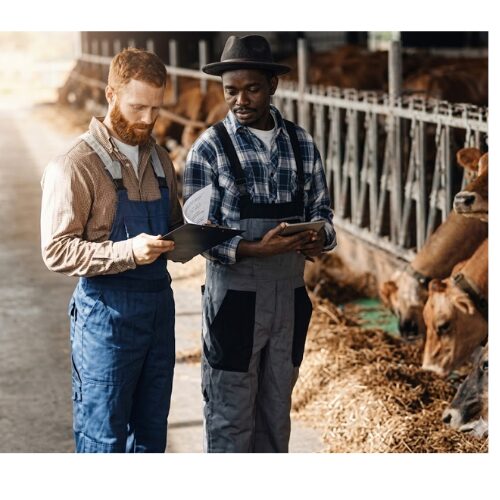
The Role of Technology in Modern Animal Farming
The livestock industry has evolved significantly over the past few decades, with technological advancements transforming how farmers manage animals and farm operations. Today, Technology in Modern Animal Farming is helping producers increase efficiency, improve animal welfare, reduce costs, and boost productivity. From automated feeding systems to smart monitoring devices and data-driven management tools, technology is reshaping the future of livestock production.
As global demand for meat, milk, eggs, and other animal products continues to rise, farmers are increasingly adopting innovative solutions to meet production goals while maintaining sustainability.
Why Technology Matters in Animal Farming
Traditional farming methods remain valuable, but technology provides tools that make livestock management more efficient and accurate.
Benefits of adopting technology include:
- Improved animal health
- Increased productivity
- Reduced labor requirements
- Better resource managementvvv
- Enhanced farm profitability
- Improved decision-making
The growing use of Technology in Modern Animal Farming is helping farmers remain competitive in an increasingly demanding agricultural sector.
Image Suggestion 1
Alt Text: Technology in Modern Animal Farming using smart livestock monitoring systems
Automated Feeding Systems
Feeding livestock efficiently is one of the most important aspects of animal production.
How Automated Feeders Work
Automated feeding systems distribute feed according to predetermined schedules and quantities.
Benefits include:
- Reduced feed waste
- Consistent feeding schedules
- Improved feed conversion rates
- Lower labor costs
These systems are widely used in poultry farms, pig farms, dairy operations, and aquaculture facilities.
Smart Livestock Monitoring
Modern sensors and monitoring devices allow farmers to track animal health and behavior in real time.
Common Monitoring Technologies
Examples include:
- Wearable animal sensors
- GPS tracking devices
- Temperature monitoring systems
- Activity trackers
These tools help farmers identify health problems early and improve overall herd management.
Farm Management Software
One of the most valuable developments in Technology in Modern Animal Farming is the use of digital management platforms.
Functions of Farm Management Software
Farmers can use software to track:
- Animal health records
- Feed consumption
- Breeding schedules
- Production performance
- Financial data
Digital record-keeping improves organization and supports informed decision-making.
Precision Livestock Farming
Precision livestock farming uses technology to optimize animal production through data collection and analysis.
Benefits of Precision Farming
Advantages include:
- Better animal welfare
- Improved productivity
- Reduced environmental impact
- Early disease detection
By analyzing real-time information, farmers can make more accurate management decisions.
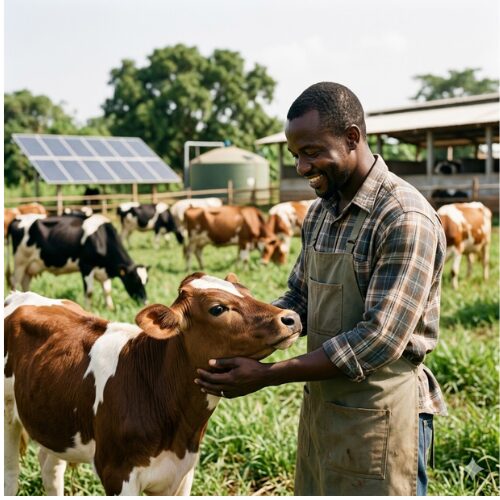
Image Suggestion 2
Alt Text: Technology in Modern Animal Farming featuring precision livestock management tools
Artificial Intelligence and Data Analytics
Artificial intelligence (AI) is becoming increasingly important in agriculture.
Applications of AI in Animal Farming
AI can help farmers:
- Predict disease outbreaks
- Analyze production trends
- Improve breeding decisions
- Optimize feeding programs
Data-driven insights help maximize efficiency and profitability.
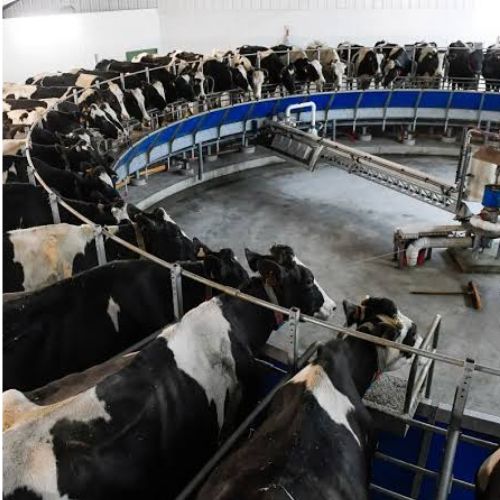
Automated Milking Systems
Dairy farms are increasingly adopting robotic milking technologies.
Benefits of Automated Milking
These systems offer:
- Increased milk production
- Improved animal comfort
- Reduced labor requirements
- Better milk quality monitoring
Automated milking equipment allows farmers to manage larger herds more efficiently.
Advanced Breeding Technologies
Breeding programs have benefited greatly from technological innovation.
Modern Breeding Tools
Technologies include:
- Artificial insemination
- Genetic testing
- Embryo transfer
- Reproductive monitoring systems
These methods improve livestock genetics and production performance.
Environmental Control Systems
Livestock housing environments significantly influence animal health and productivity.
Climate Control Technologies
Modern facilities may include:
- Automated ventilation systems
- Temperature sensors
- Humidity controls
- Air quality monitoring equipment
Maintaining optimal environmental conditions reduces stress and improves animal welfare.
Technology in Disease Prevention and Biosecurity
Disease management remains a top priority for livestock producers.
Biosecurity Innovations
Modern technologies support disease prevention through:
- Automated sanitation systems
- Health monitoring sensors
- Digital vaccination records
- Remote veterinary consultations
These tools help farmers reduce the risk of disease outbreaks.
Aquaculture Technology
Fish farming has also benefited from technological advancements.
Common Fish Farming Technologies
Examples include:
- Water quality sensors
- Automated feeding systems
- Aeration equipment
- Remote monitoring platforms
These innovations improve fish health and production efficiency.
Drones and Remote Farm Monitoring
Drones are increasingly being used to support farm operations.
Uses of Drones in Animal Farming
Drones can assist with:
- Livestock monitoring
- Fence inspections
- Pasture assessments
- Security surveillance
Remote monitoring technologies save time and improve farm management.
Benefits of Technology in Modern Animal Farming
The widespread adoption of Technology in Modern Animal Farming provides numerous advantages.
Increased Productivity
Technology helps optimize feeding, breeding, and animal health management.
Improved Animal Welfare
Continuous monitoring allows farmers to respond quickly to animal needs.
Reduced Labor Costs
Automation reduces dependence on manual labor.
Better Resource Efficiency
Technology helps farmers use feed, water, and energy more effectively.
Enhanced Profitability
Improved efficiency often translates into higher returns on investment.
Challenges of Adopting New Technologies
While technology offers many benefits, some challenges remain.
High Initial Costs
Advanced systems can require significant upfront investment.
Training Requirements
Farmers may need specialized training to operate new equipment effectively.
Technical Maintenance
Modern equipment requires regular servicing and maintenance.
Limited Internet Access
Some rural areas still face connectivity challenges that can affect digital farming solutions.
Despite these obstacles, the long-term benefits often outweigh the initial costs.
The Future of Technology in Modern Animal Farming
The future of Technology in Modern Animal Farming is highly promising. Emerging innovations such as artificial intelligence, machine learning, robotics, blockchain technology, and Internet of Things (IoT) devices will continue transforming livestock production. These advancements will help farmers improve efficiency, strengthen sustainability, and meet growing global demand for animal products.
As technology becomes more affordable and accessible, its adoption across small-scale and large-scale farms is expected to increase significantly.



 Get it on
  Download on the