






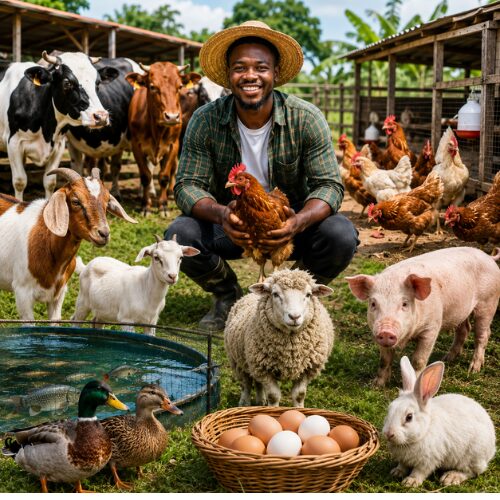
If you’re interested in raising livestock for food production, income generation, or self-sufficiency, this Animal Farming Guide will help you understand the basics. Animal farming is one of the oldest and most important agricultural practices in the world, providing meat, milk, eggs, wool, leather, and other valuable products. For beginners, understanding how animal farming works is the first step toward building a profitable and sustainable farming enterprise.
Whether you plan to raise poultry, cattle, goats, sheep, pigs, or fish, having a solid foundation can increase your chances of success and help you avoid common mistakes.
What Is Animal Farming?
Animal farming is the practice of breeding, raising, and managing livestock for commercial or personal purposes. Farmers care for animals to produce food products, raw materials, and income-generating resources.
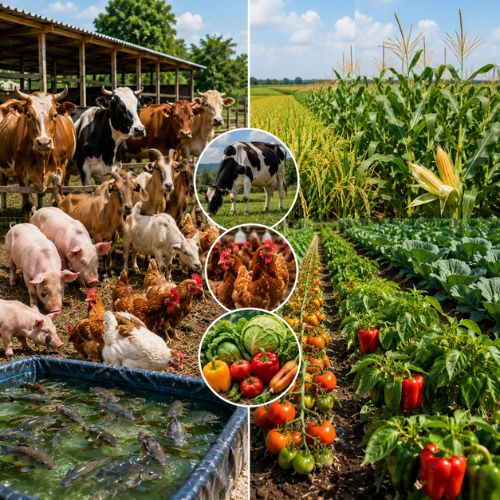
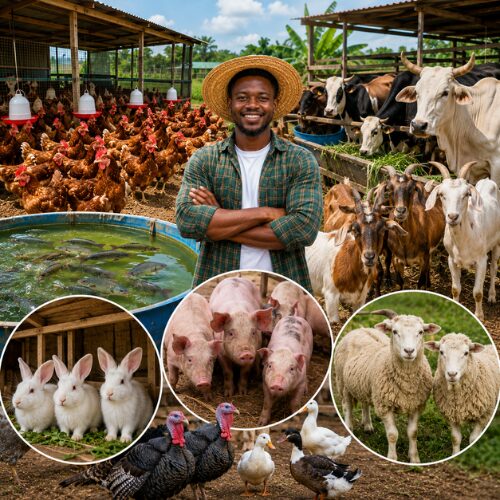
Common animals raised in farming include:
- Chickens
- Cattle
- Goats
- Sheep
- Pigs
- Rabbits
- Fish
- Ducks
- Turkeys
This Animal Farming Guide aims to help beginners understand the requirements, opportunities, and responsibilities involved in livestock production.
Why Animal Farming Is Important
Animal farming plays a vital role in agriculture and the global economy.
Key benefits include:
- Food production
- Employment creation
- Income generation
- Supply of raw materials
- Improved food security
- Support for rural development
Livestock farming contributes significantly to the livelihoods of millions of farmers around the world.
Types of Animal Farming
Understanding the various livestock sectors is an important part of any Animal Farming Guide.
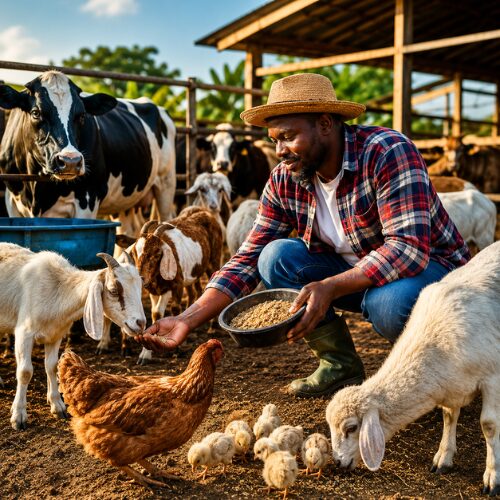
Poultry Farming
Poultry farming involves raising birds such as chickens, turkeys, ducks, and quails for meat and egg production.
Benefits include:
- Fast returns on investment
- High demand for poultry products
- Relatively low startup costs
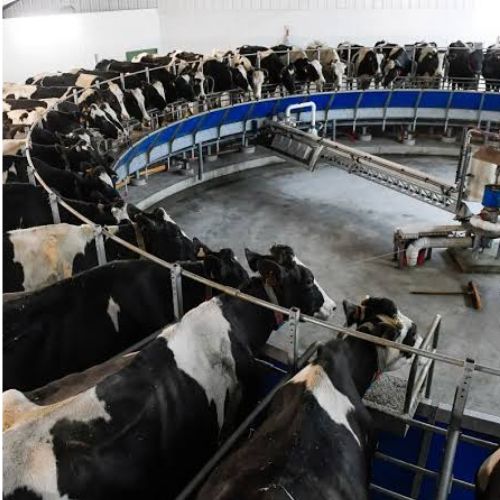
Cattle Farming
Cattle farming focuses on raising cows for milk, beef, and breeding purposes.
Advantages include:
- Strong market demand
- Multiple income streams
- Long-term profitability
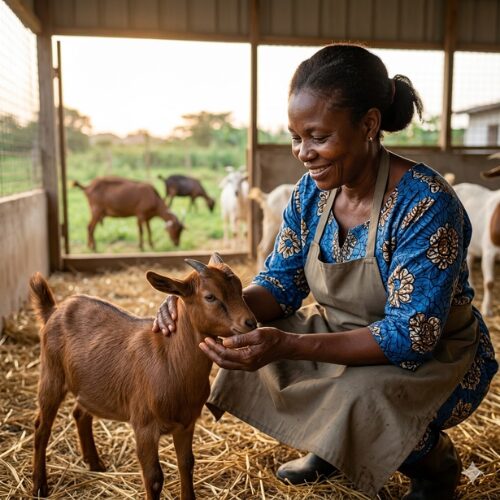
Goat Farming
Goats are popular among small-scale farmers due to their adaptability and relatively low maintenance requirements.
Benefits include:
- Lower feeding costs
- High reproductive rates
- Demand for meat and milk
Sheep Farming
Sheep farming provides meat, wool, and breeding opportunities.
Advantages include:
- Multiple product options
- Adaptability to different climates
- Efficient grazing habits
Pig Farming
Pig farming can be highly profitable due to rapid growth rates and efficient feed conversion.
Benefits include:
- Fast reproduction
- High market demand
- Efficient meat production
Fish Farming
Fish farming, also known as aquaculture, involves raising fish in ponds, tanks, or cages.
Popular species include:
- Catfish
- Tilapia
- Trout
Fish farming is increasingly popular due to growing seafood demand.
How to Start an Animal Farming Business
Starting a livestock farm requires careful planning and preparation.
1. Choose the Right Livestock
Select animals based on:
- Market demand
- Climate conditions
- Available resources
- Farming experience
2. Develop a Business Plan
Your plan should include:
- Startup costs
- Operational expenses
- Marketing strategy
- Revenue projections
3. Secure Suitable Land
The size and type of land required depend on the animals you intend to raise.
4. Build Proper Housing
Animals need shelter that provides:
- Protection from weather
- Adequate ventilation
- Easy cleaning and maintenance
5. Source Quality Breeding Stock
Healthy animals are essential for productivity and profitability.
Purchase livestock from reputable breeders or suppliers.
6. Provide Proper Nutrition
A key recommendation in every Animal Farming Guide is ensuring animals receive balanced diets that meet their nutritional requirements.
Good nutrition supports:
- Healthy growth
- Disease resistance
- Improved productivity
Essential Animal Farming Equipment
Depending on the type of livestock, you may need:
- Feeders
- Watering systems
- Fencing materials
- Housing structures
- Milking equipment
- Incubators
- Fish tanks or ponds
Investing in quality equipment improves efficiency and animal welfare.
Common Challenges in Animal Farming
While livestock farming offers many opportunities, farmers may face several challenges.
Disease Outbreaks
Animal diseases can reduce productivity and increase costs.
Preventive measures include:
- Vaccination programs
- Biosecurity practices
- Regular veterinary care
Feed Costs
Feed often represents the largest operating expense in livestock farming.
Market Fluctuations
Prices for livestock products can change based on supply and demand.
Climate Conditions
Extreme weather can affect animal health and productivity.
Proper planning helps reduce these risks.
Best Practices for Successful Animal Farming
Following proven management practices can improve farm performance.
Maintain Good Animal Health
Regular health checks and vaccinations are essential.
Keep Accurate Records
Track:
- Feed usage
- Breeding records
- Production data
- Expenses and income
Practice Proper Hygiene
Clean housing reduces disease risks and improves animal welfare.
Continuously Learn
Successful farmers stay updated on industry trends and modern farming techniques.
This Animal Farming Guide emphasizes the importance of education and ongoing improvement for long-term success.
Benefits of Animal Farming for Beginners
Animal farming offers several advantages for new farmers.
Steady Income Potential
Many livestock products are in constant demand.
Business Growth Opportunities
Farmers can expand operations over time.
Food Security
Livestock farming provides access to fresh food products.
Rural Development
Animal farming supports local economies and creates employment opportunities.
The Future of Animal Farming
Technology is transforming modern livestock production through innovations such as:
- Automated feeding systems
- Smart monitoring devices
- Improved breeding techniques
- Digital farm management tools
These advancements are helping farmers increase productivity while improving animal welfare and sustainability.
Conclusion
This Animal Farming Guide provides beginners with the knowledge needed to understand livestock farming and start a successful agricultural enterprise. From selecting the right animals and providing proper nutrition to managing health and marketing products, every aspect of animal farming requires planning and dedication. With the right approach, animal farming can become a profitable and rewarding business that contributes to food production, economic growth, and sustainable agriculture.


 Get it on
  Download on the