






Proper nutrition is one of the most important factors in successful livestock production. Following the Best Feeding Practices for Farm Animals helps farmers maintain healthy livestock, improve growth rates, enhance reproduction, and increase overall productivity. Whether you raise poultry, cattle, goats, sheep, pigs, rabbits, or fish, providing the right nutrition at the right time is essential for achieving optimal performance and profitability.
A well-planned feeding program not only supports animal health but also reduces waste, lowers production costs, and improves the quality of animal products such as meat, milk, eggs, and fish.
Why Proper Feeding Matters in Animal Farming
Nutrition directly affects every aspect of livestock production. Animals that receive balanced diets are generally healthier, more productive, and less susceptible to diseases.
Benefits of proper feeding include:
- Faster growth rates
- Improved reproductive performance
- Stronger immune systems
- Better feed conversion efficiency
- Higher production yields
- Reduced mortality rates
Implementing the Best Feeding Practices for Farm Animals can significantly improve farm profitability and long-term sustainability.
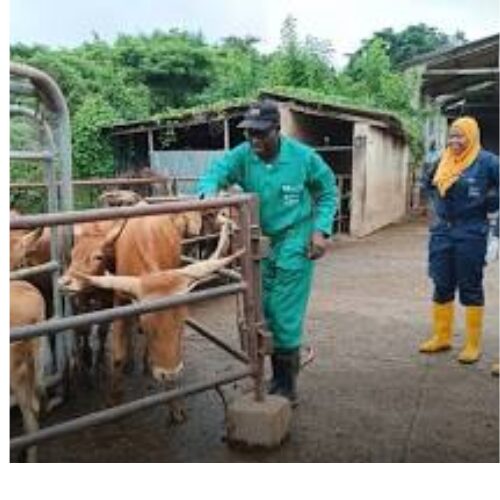
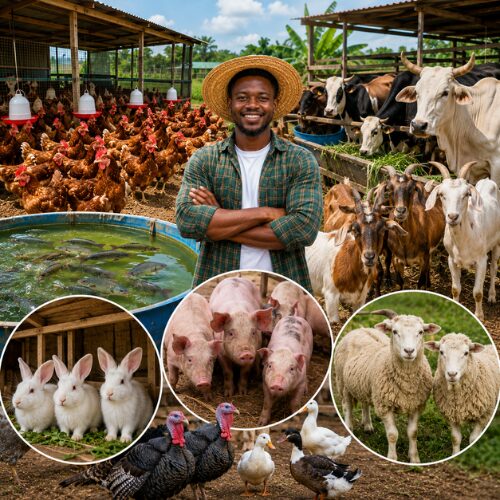
Image Suggestion 1
Alt Text: Best Feeding Practices for Farm Animals with livestock eating balanced nutritious feed
Understanding Animal Nutritional Requirements
Different farm animals require different nutrients depending on their species, age, weight, and production goals.
Essential nutrients include:
Carbohydrates
Carbohydrates provide energy for daily activities, growth, and production.
Sources include:
- Maize
- Wheat
- Sorghum
- Cassava
Proteins
Proteins support muscle development, tissue repair, and reproduction.
Common protein sources include:
- Soybean meal
- Groundnut cake
- Fish meal
- Cottonseed meal
Vitamins
Vitamins play a crucial role in maintaining healthy body functions and disease resistance.
Minerals
Minerals help strengthen bones, support growth, and improve reproductive performance.
Water
Clean water is often overlooked but remains one of the most important nutritional requirements for livestock.
Provide Balanced Diets
One of the Best Feeding Practices for Farm Animals is ensuring that feed contains the correct balance of nutrients.
Balanced diets should:
- Meet energy requirements
- Provide adequate protein
- Include essential vitamins and minerals
- Match the animal’s stage of growth
Nutritional deficiencies can lead to poor performance and health problems.
Feed According to Animal Age and Production Stage
Nutritional needs change as animals grow and develop.
Young Animals
Young livestock require nutrient-rich diets that support rapid growth and development.
Pregnant Animals
Pregnant animals need additional nutrients to support fetal development and maintain their health.
Lactating Animals
Milk-producing animals require higher energy and protein levels.
Finishing Animals
Animals raised for meat production often need specialized finishing diets before marketing.
Adjusting feed according to production stage improves efficiency and productivity.
Ensure Constant Access to Clean Water
Water is essential for:
- Digestion
- Temperature regulation
- Nutrient absorption
- Milk production
- Overall health
Animals deprived of water may experience reduced feed intake and lower productivity.
Farmers should:
- Clean water troughs regularly
- Check water quality frequently
- Ensure adequate water supply throughout the day
Access to clean water is a critical component of the Best Feeding Practices for Farm Animals.
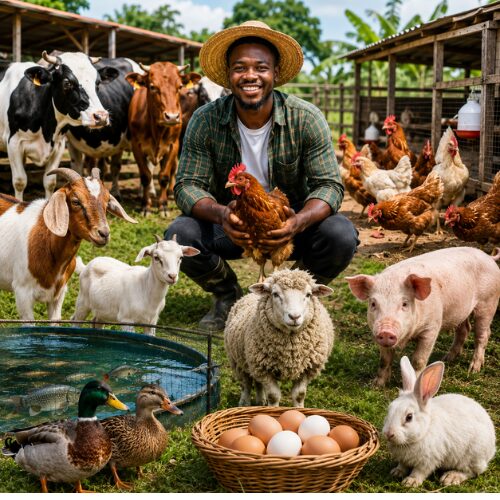
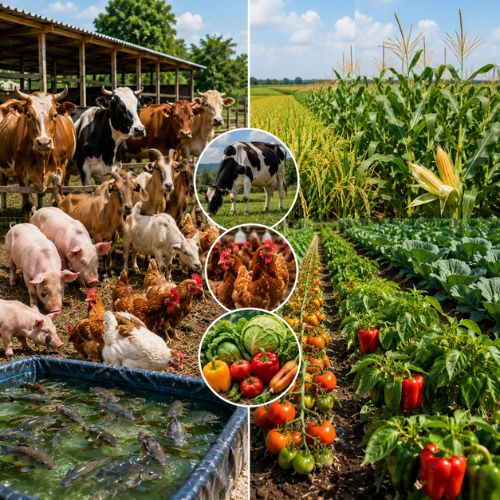
Image Suggestion 2
Alt Text: Best Feeding Practices for Farm Animals including clean water and quality feed management
Use High-Quality Feed Ingredients
Feed quality directly affects animal performance.
When selecting feed ingredients:
- Avoid moldy feed
- Store feed properly
- Purchase from reputable suppliers
- Monitor feed freshness
Poor-quality feed can lead to disease outbreaks and reduced productivity.
Follow Proper Feeding Schedules
Consistency is important in livestock nutrition.
Benefits of regular feeding schedules include:
- Improved digestion
- Reduced stress
- Better feed utilization
- Increased production efficiency
Farmers should establish feeding routines that suit the needs of their livestock.
Minimize Feed Waste
Feed costs often represent the largest expense in animal farming.
Ways to reduce waste include:
Use Appropriate Feeders
Well-designed feeders reduce spillage and contamination.
Store Feed Correctly
Proper storage prevents spoilage and pest infestations.
Avoid Overfeeding
Providing excessive feed can increase costs without improving productivity.
Reducing waste helps improve profitability and resource efficiency.
Incorporate Forage and Pasture Management
For grazing animals such as cattle, goats, and sheep, pasture quality is essential.
Good pasture management practices include:
- Rotational grazing
- Forage crop cultivation
- Weed control
- Soil fertility management
Healthy pastures provide nutritious feed while lowering feeding costs.
Monitor Animal Body Condition
Regular observation helps farmers assess whether feeding programs are effective.
Signs of proper nutrition include:
- Healthy body weight
- Shiny coats or feathers
- Good growth rates
- Strong reproductive performance
- High productivity
Body condition scoring can help identify nutritional issues before they become serious.
Use Feed Supplements When Necessary
Some animals may require additional supplements to meet their nutritional needs.
Common supplements include:
- Mineral blocks
- Vitamin premixes
- Protein supplements
- Electrolytes
Supplements should be used based on veterinary or nutritional recommendations.
Avoid Sudden Feed Changes
Abrupt dietary changes can cause digestive problems and stress.
When introducing new feeds:
- Transition gradually
- Mix old and new feeds
- Monitor animal responses
- Adjust feeding programs carefully
Gradual changes help maintain digestive health and feed intake.
Common Feeding Mistakes Farmers Should Avoid
Even experienced farmers can make feeding mistakes that affect productivity.
Common errors include:
- Underfeeding animals
- Overfeeding livestock
- Ignoring water quality
- Using poor-quality feed
- Failing to adjust diets by age and production stage
Avoiding these mistakes supports healthier animals and better farm performance.
Technology and Modern Feeding Systems
Advancements in agricultural technology are improving livestock feeding practices.
Modern feeding solutions include:
- Automated feeders
- Precision feeding systems
- Feed monitoring software
- Smart livestock management tools
These innovations help farmers optimize feed use and improve efficiency.
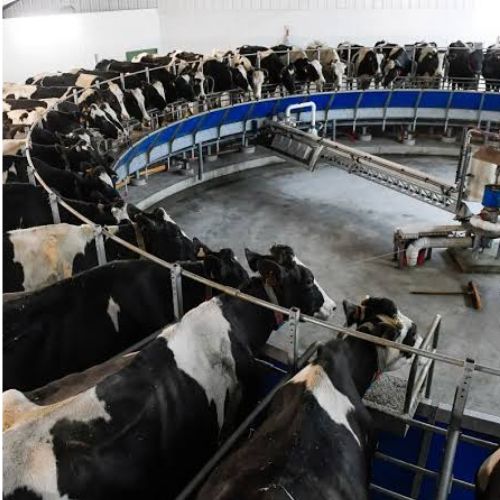
Image Suggestion 3
Alt Text: Best Feeding Practices for Farm Animals using automated feeding systems and modern livestock technology
The Future of Livestock Nutrition
As livestock farming continues to evolve, nutrition will play an increasingly important role in improving sustainability and productivity. Researchers are developing new feed ingredients, precision feeding technologies, and environmentally friendly nutrition strategies that help farmers produce more while using fewer resources.
Farmers who adopt the Best Feeding Practices for Farm Animals will be better positioned to meet growing demand for animal products while maintaining profitability and animal welfare.
Conclusion
Implementing the Best Feeding Practices for Farm Animals is essential for maintaining healthy livestock and maximizing farm productivity. Balanced diets, clean water, quality feed ingredients, proper feeding schedules, and effective pasture management all contribute to better animal performance and profitability. By focusing on sound nutrition practices, farmers can improve growth rates, enhance reproductive success, reduce disease risks, and build more sustainable livestock operations for the future.



 Get it on
  Download on the