







Livestock production remains one of the most rewarding sectors in agriculture, offering farmers multiple opportunities to generate income from meat, milk, eggs, fish, and breeding stock. However, achieving consistent success requires more than simply raising animals. Effective management, proper planning, and strategic decision-making are essential for Animal Farming for Profit. Farmers who focus on productivity, efficiency, and market demand can significantly increase revenue while maintaining healthy livestock.
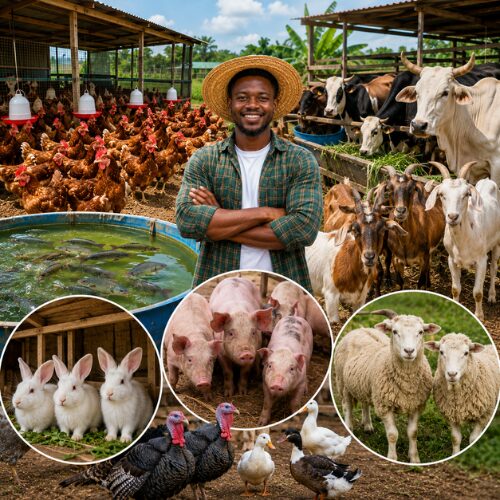
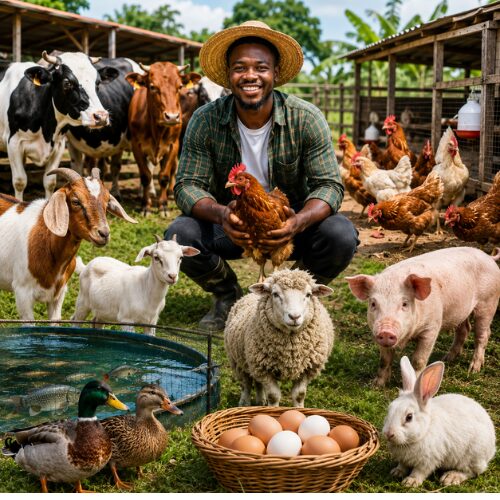
Whether you operate a poultry farm, cattle ranch, fish farm, piggery, goat farm, or sheep enterprise, adopting proven practices can help maximize profitability and support long-term growth.
Why Focus on Animal Farming for Profit?
Many livestock farmers struggle with rising costs, disease outbreaks, and fluctuating market prices. A profit-oriented approach helps farmers identify opportunities to improve efficiency and reduce unnecessary expenses.
Benefits include:
- Increased farm income
- Better resource management
- Improved productivity
- Greater business sustainability
- Enhanced competitiveness
- Stronger financial stability
Successful livestock enterprises focus on both production and profitability.
Choose the Right Livestock Enterprise
The first step in Animal Farming for Profit is selecting a livestock business that matches your resources, experience, and market demand.
Popular profitable livestock ventures include:
- Poultry farming
- Fish farming
- Goat farming
- Pig farming
- Cattle farming
- Sheep farming
- Rabbit farming
Before investing, research local market conditions and consumer preferences.
Invest in Quality Breeding Stock
The productivity of your farm largely depends on the quality of your animals.
Benefits of Good Breeding Stock
High-quality livestock often provide:
- Faster growth rates
- Better disease resistance
- Higher reproduction rates
- Improved product quality
Investing in superior genetics can significantly improve long-term profitability.
Provide Proper Nutrition
Nutrition plays a crucial role in animal performance and farm revenue.
Best Feeding Practices
Farmers should:
- Use balanced diets
- Provide clean water
- Avoid feed wastage
- Monitor feed quality
- Adjust rations according to animal needs
Efficient feeding programs improve growth and productivity while controlling costs.
Implement Strong Disease Prevention Measures
Disease outbreaks can quickly reduce profits and disrupt farm operations.
Disease Management Strategies
Effective measures include:
- Vaccination programs
- Regular health monitoring
- Proper sanitation
- Quarantine procedures
- Veterinary consultations
Healthy animals are more productive and generate better financial returns.
Improve Housing and Animal Welfare
Comfortable animals generally perform better than stressed animals.
Good Housing Practices
Provide:
- Adequate ventilation
- Clean bedding
- Sufficient space
- Protection from extreme weather
- Proper drainage systems
Good housing supports animal health and productivity.
Reduce Feed Costs Without Sacrificing Quality
Feed often represents the largest operating expense in livestock farming.
Cost-Saving Strategies
Farmers can:
- Grow forage crops
- Purchase feed in bulk
- Store feed properly
- Use efficient feeding systems
- Reduce feed waste
Lower feed costs can significantly increase profit margins.
Keep Accurate Farm Records
Record-keeping is essential for identifying strengths and weaknesses within a livestock operation.
Important records include:
- Feed expenses
- Animal health records
- Production data
- Breeding performance
- Sales revenue
Accurate records help farmers make informed business decisions.
Use Technology to Improve Efficiency
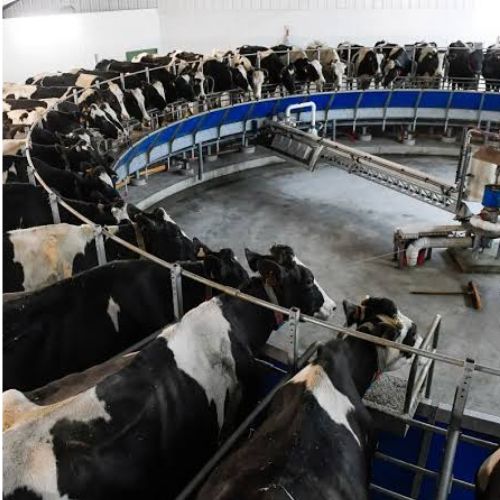
Modern technologies are transforming Animal Farming for Profit by improving productivity and reducing labor requirements.
Useful Technologies
Examples include:
- Automated feeders
- Livestock monitoring systems
- Farm management software
- Digital record-keeping tools
Technology helps farmers optimize resources and increase operational efficiency.
Focus on Breeding Efficiency
Reproductive performance directly affects livestock profitability.
Breeding Improvement Tips
Farmers should:
- Select productive breeding animals
- Monitor reproductive cycles
- Maintain breeding records
- Utilize improved breeding techniques
Higher reproductive success often leads to increased revenue.
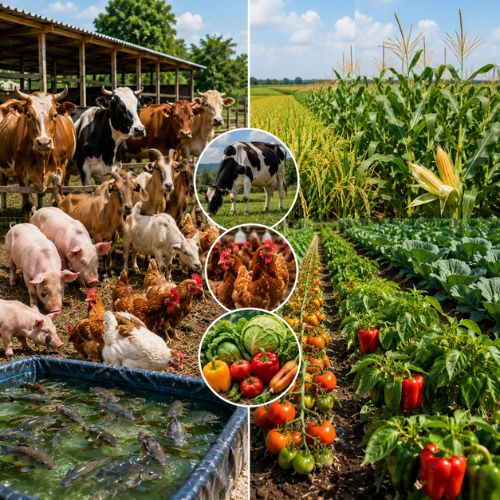
Diversify Income Sources
Relying on a single product can expose farmers to market risks.
Diversification Opportunities
Examples include:
- Meat production
- Egg production
- Milk production
- Breeding stock sales
- Organic manure sales
Multiple income streams help stabilize farm earnings.
Develop Strong Marketing Strategies
Production alone does not guarantee profitability.
Effective Marketing Approaches
Farmers can:
- Build relationships with buyers
- Sell directly to consumers
- Use social media marketing
- Explore value-added products
- Target premium markets
Good marketing often leads to higher selling prices and improved profitability.
Manage Farm Labor Effectively
Labor productivity has a significant impact on farm performance.
Labor Management Tips
- Train workers properly
- Establish clear responsibilities
- Use labor-saving equipment
- Monitor employee performance
Efficient labor management reduces costs and improves output.
Practice Sustainable Farming
Sustainability and profitability often go hand in hand.
Sustainable Practices
Farmers should:
- Conserve water
- Manage waste responsibly
- Practice rotational grazing
- Improve energy efficiency
- Protect natural resources
Sustainable farming can lower operating costs and improve long-term business resilience.
Monitor Market Trends
Market conditions constantly change.
Why Market Research Matters
Understanding market trends helps farmers:
- Identify profitable opportunities
- Adjust production plans
- Set competitive prices
- Meet customer demands
Farmers who stay informed are better positioned to maximize profits.
Common Mistakes That Reduce Farm Profitability
Many livestock producers unknowingly limit their earnings through poor management decisions.
Common mistakes include:
- Overcrowding animals
- Neglecting disease prevention
- Using poor-quality feed
- Ignoring record-keeping
- Failing to plan for market changes
Avoiding these errors can significantly improve financial performance.
The Future of Animal Farming for Profit
The future of Animal Farming for Profit looks promising as demand for animal products continues to increase worldwide. Advances in technology, genetics, nutrition, and farm management are creating new opportunities for farmers to improve efficiency and generate higher returns.
Farmers who embrace innovation and continuously improve their operations will be better positioned to succeed in a competitive agricultural environment.
Conclusion
Achieving success in Animal Farming for Profit requires a combination of proper nutrition, quality breeding stock, disease prevention, efficient management, and strong marketing strategies. By focusing on productivity and controlling costs, farmers can increase revenue while maintaining healthy and productive livestock. Whether operating a small-scale or commercial enterprise, adopting these best practices can help build a profitable and sustainable livestock business for years to come.




 Get it on
  Download on the