







The terms sustainability and eco-sustainability are often used interchangeably, but they are not exactly the same. Understanding Eco-Sustainability vs Sustainability is important for individuals, businesses, and policymakers seeking to make environmentally responsible decisions. While both concepts aim to support long-term well-being and responsible resource management, their focus and scope differ significantly.
As environmental concerns continue to grow in 2026, distinguishing between these concepts can help organizations and communities develop more effective strategies for protecting natural resources and promoting sustainable development.
What Is Sustainability?
Sustainability is a broad concept that focuses on meeting present needs without compromising the ability of future generations to meet their own needs. It is built around three key pillars:
Environmental Sustainability
Protecting ecosystems, reducing pollution, and conserving natural resources.
Social Sustainability
Promoting equality, human rights, education, health, and community well-being.
Economic Sustainability
Supporting long-term economic growth while ensuring responsible resource use.
Sustainability seeks to create a balance between environmental protection, social development, and economic prosperity.
What Is Eco-Sustainability?
Eco-sustainability is a more specific concept that focuses primarily on environmental protection and the responsible use of natural resources. It emphasizes reducing ecological impacts and maintaining the health of ecosystems for future generations.
Eco-sustainability involves practices such as:
- Renewable energy adoption
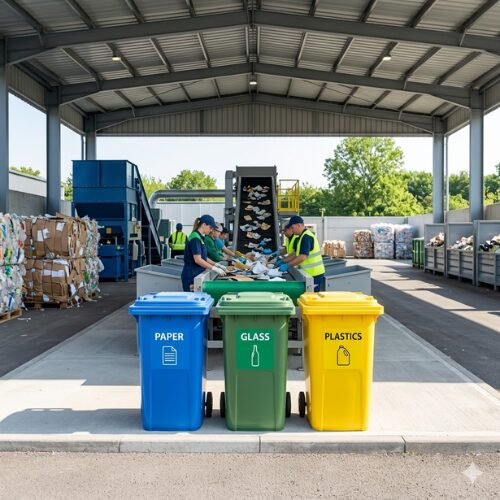
- Waste reduction and recycling
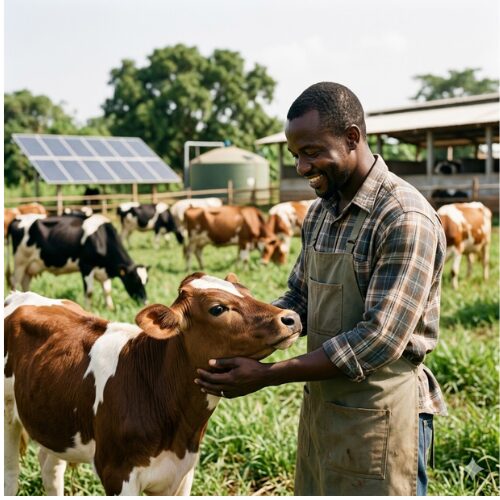
- Sustainable agriculture
- Water conservation
- Biodiversity protection
- Sustainable construction
While sustainability includes social and economic considerations, eco-sustainability concentrates mainly on environmental outcomes.
Eco-Sustainability vs Sustainability: The Core Difference
The primary distinction in Eco-Sustainability vs Sustainability lies in their scope.
| Eco-Sustainability | Sustainability |
|---|---|
| Focuses mainly on environmental protection | Includes environmental, social, and economic factors |
| Prioritizes ecosystem preservation | Balances environmental, social, and economic goals |
| Concentrates on resource conservation | Addresses broader development challenges |
| Environmental-centered approach | Holistic approach |
In simple terms, eco-sustainability is a subset of sustainability.
Why Eco-Sustainability Matters
Eco-sustainability plays a critical role in addressing environmental challenges such as:
- Climate change
- Deforestation
- Water scarcity
- Pollution
- Biodiversity loss
By focusing on environmental protection, eco-sustainability helps ensure that ecosystems remain healthy and productive.
Benefits of Eco-Sustainability
Reduced Environmental Impact
Eco-friendly practices help minimize pollution and conserve natural resources.
Improved Resource Efficiency
Sustainable use of energy, water, and raw materials reduces waste and environmental degradation.
Biodiversity Protection
Healthy ecosystems support wildlife and maintain ecological balance.
Climate Change Mitigation
Reducing greenhouse gas emissions helps combat global warming.
Why Sustainability Matters
Sustainability extends beyond environmental concerns to include social and economic well-being.
Social Benefits
Sustainability promotes:
- Education
- Healthcare access
- Human rights
- Community development
Economic Benefits
Sustainable economic practices encourage:
- Long-term profitability
- Responsible business operations
- Job creation
- Innovation
Environmental Benefits
Like eco-sustainability, sustainability also supports environmental protection through responsible resource management.
Similarities Between Eco-Sustainability and Sustainability
Despite their differences, both concepts share several important goals.
Resource Conservation
Both promote responsible use of natural resources.
Long-Term Thinking
Both focus on creating solutions that benefit future generations.
Environmental Responsibility
Protecting the environment remains an important component of both approaches.
Sustainable Development
Both contribute to building resilient and sustainable communities.
Real-World Examples of Eco-Sustainability vs Sustainability
Example of Eco-Sustainability
A company installs solar panels and adopts water conservation measures to reduce its environmental impact.
Example of Sustainability
The same company not only implements environmental initiatives but also provides fair wages, promotes employee well-being, and supports local economic development.
This illustrates how sustainability encompasses a broader range of responsibilities.
How Businesses Apply Eco-Sustainability and Sustainability
Modern organizations increasingly integrate both concepts into their operations.
Eco-Sustainability Initiatives
- Renewable energy adoption
- Recycling programs
- Sustainable sourcing
- Carbon footprint reduction
Sustainability Initiatives
- Ethical labor practices
- Community engagement
- Economic responsibility
- Environmental management
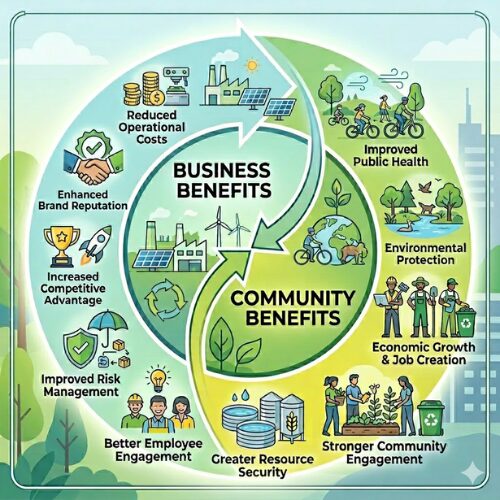
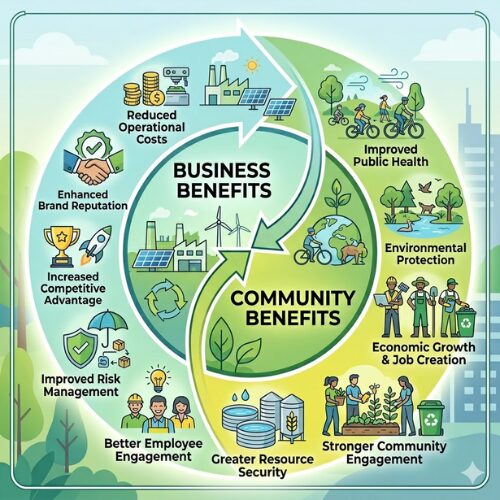
Businesses that embrace both approaches often achieve stronger long-term performance and stakeholder trust.
The Future of Eco-Sustainability vs Sustainability
The discussion around Eco-Sustainability vs Sustainability is becoming increasingly relevant as governments, businesses, and consumers seek solutions to global challenges. Future sustainability strategies will likely integrate environmental protection more deeply while also addressing social equity and economic resilience.
Advancements in renewable energy, circular economy systems, sustainable agriculture, and green technologies will continue to strengthen both eco-sustainability and sustainability efforts worldwide.
Which Approach Is More Important?
Rather than choosing between eco-sustainability and sustainability, it is best to view them as complementary concepts. Eco-sustainability provides the environmental foundation necessary for sustainable development, while sustainability offers a broader framework that includes social and economic considerations.
Organizations and individuals can achieve the greatest impact by integrating both approaches into their decision-making processes.
Conclusion
Understanding Eco-Sustainability vs Sustainability helps clarify how environmental protection fits within broader sustainable development goals. Eco-sustainability focuses specifically on preserving natural resources and protecting ecosystems, while sustainability encompasses environmental, social, and economic well-being. Together, these concepts provide a roadmap for creating a healthier, more resilient, and prosperous future for generations to come.




 Get it on
  Download on the