






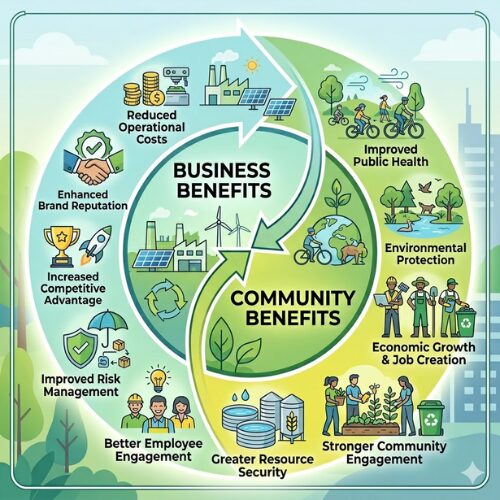
As environmental concerns continue to shape global priorities, understanding the Benefits of Eco-Sustainability has become increasingly important for businesses, governments, and communities. Eco-sustainability focuses on balancing economic growth, environmental protection, and social well-being to create a future that is both prosperous and environmentally responsible.
In 2026, sustainable practices are no longer optional for many organizations. Consumers are becoming more environmentally conscious, regulations are becoming stricter, and businesses are recognizing the long-term value of sustainability. At the same time, communities are benefiting from cleaner environments, healthier living conditions, and stronger local economies.
This article explores the key benefits of eco-sustainability and why it matters more than ever.
What Is Eco-Sustainability?
Eco-sustainability refers to the responsible use of natural resources in a way that meets current needs without compromising the ability of future generations to meet theirs. It involves reducing environmental impact, conserving resources, minimizing waste, and promoting sustainable development.
For businesses, eco-sustainability often includes energy efficiency, waste reduction, sustainable sourcing, and environmentally friendly operations. For communities, it means creating healthier, safer, and more resilient environments.
Why Eco-Sustainability Matters in 2026
The world continues to face significant environmental challenges, including climate change, pollution, resource depletion, and biodiversity loss. Governments, organizations, and individuals are increasingly working together to address these issues through sustainable practices.
The growing focus on sustainability is driven by:
- Increased environmental awareness
- Rising energy costs
- Consumer demand for responsible businesses
- Global climate commitments
- Technological advancements in green solutions
These factors make eco-sustainability a critical strategy for long-term success and resilience.
Benefits of Eco-Sustainability for Businesses
Businesses that embrace sustainability often gain both environmental and financial advantages.
1. Reduced Operational Costs
One of the most immediate Benefits of Eco-Sustainability is cost reduction. Companies that improve energy efficiency, conserve water, and reduce waste often experience lower operating expenses.
Examples include:
- Using energy-efficient equipment
- Installing renewable energy systems
- Reducing packaging materials
- Optimizing transportation and logistics
These measures help businesses save money while reducing their environmental footprint.
2. Enhanced Brand Reputation
Consumers increasingly prefer brands that demonstrate environmental responsibility. Businesses that adopt sustainable practices often build stronger customer trust and loyalty.
A positive environmental reputation can:
- Increase customer retention
- Attract environmentally conscious buyers
- Improve public perception
- Differentiate a company from competitors
Sustainability is becoming a key factor in purchasing decisions across many industries.
3. Increased Competitive Advantage
Organizations that invest in sustainable innovation often gain an edge over competitors. Green technologies, sustainable products, and environmentally responsible operations can open new market opportunities.
Companies that adapt early are often better positioned to meet future regulations and consumer expectations.
4. Improved Risk Management
Environmental risks such as resource shortages, regulatory changes, and climate-related disruptions can affect business operations.
Eco-sustainability helps organizations:
- Reduce dependence on limited resources
- Improve supply chain resilience
- Comply with environmental regulations
- Prepare for future environmental challenges
This proactive approach strengthens long-term business stability.
5. Better Employee Engagement
Employees increasingly want to work for organizations that align with their values. Sustainable workplaces often experience higher levels of employee satisfaction and engagement.
Benefits include:
- Improved workplace morale
- Higher productivity
- Better talent attraction and retention
- Stronger organizational culture
Sustainability initiatives can create a sense of purpose among employees.
Benefits of Eco-Sustainability for Communities
Communities also experience significant advantages when sustainability becomes a priority.
1. Improved Public Health
Cleaner air, safer water, and reduced pollution contribute directly to better health outcomes.
Environmental sustainability helps:
- Reduce respiratory illnesses
- Improve water quality
- Lower exposure to harmful pollutants
- Promote healthier living conditions
Healthier communities often experience reduced healthcare costs and improved quality of life.
2. Environmental Protection
One of the most important Benefits of Eco-Sustainability is the preservation of natural ecosystems.
Sustainable practices help:
- Protect forests and wildlife habitats
- Conserve natural resources
- Reduce greenhouse gas emissions
- Maintain biodiversity
These efforts ensure that natural environments remain productive and resilient for future generations.
3. Economic Growth and Job Creation
The transition to sustainable industries creates new employment opportunities in sectors such as:
- Renewable energy
- Sustainable agriculture
- Waste management
- Green construction
- Environmental consulting
Communities that invest in sustainability often benefit from economic diversification and increased job opportunities.
4. Greater Resource Security
Sustainable resource management helps communities avoid shortages and maintain reliable access to essential resources such as water, food, and energy.
By using resources more efficiently, communities can become more resilient to environmental and economic challenges.
5. Stronger Community Engagement
Sustainability projects often encourage collaboration among residents, businesses, schools, and local governments.
Examples include:
- Community recycling programs
- Tree-planting initiatives
- Environmental education campaigns
- Local clean-up events
These activities strengthen community relationships and foster a shared commitment to environmental stewardship.
The Role of Technology in Eco-Sustainability
Technology is playing a major role in advancing sustainable practices.
Innovations include:
- Solar and wind energy systems
- Smart energy management tools
- Water conservation technologies
- Sustainable agricultural solutions
- Electric vehicles and charging infrastructure
These advancements make it easier for businesses and communities to reduce their environmental impact while improving efficiency.
Challenges to Achieving Eco-Sustainability
Despite the advantages, some challenges remain:
Initial Investment Costs
Many sustainable technologies require upfront investments that can discourage adoption.
Limited Awareness
Some organizations and communities may not fully understand the long-term value of sustainability.
Infrastructure Limitations
In some regions, access to sustainable technologies and services remains limited.
Policy Barriers
Inconsistent regulations and enforcement can slow progress toward sustainability goals.
Addressing these challenges requires cooperation among governments, businesses, and local communities.
The Future of Eco-Sustainability
As environmental concerns continue to grow, sustainability is expected to become even more integrated into business operations and community development. Advances in renewable energy, smart technologies, and circular economy models will help drive future progress.
Organizations and communities that prioritize sustainability today will be better prepared to thrive in an increasingly environmentally conscious world.
Conclusion
The Benefits of Eco-Sustainability extend far beyond environmental protection. Businesses can reduce costs, strengthen their reputation, improve resilience, and gain a competitive advantage, while communities benefit from better health, economic growth, resource security, and environmental preservation. As sustainability continues to shape the future in 2026, embracing eco-friendly practices is one of the smartest investments organizations and communities can make for long-term success.







 Get it on
  Download on the