






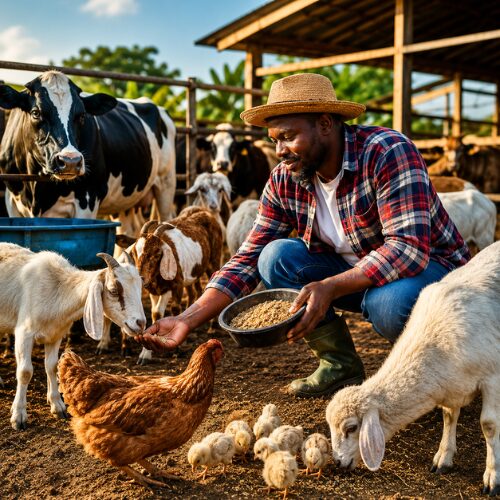
Animal farming is a rewarding agricultural venture that contributes significantly to food production, employment, and economic growth. However, livestock farmers often face numerous obstacles that can affect productivity and profitability. Understanding the Common Challenges in Animal Farming is essential for developing effective strategies that ensure long-term success. Whether you raise poultry, cattle, goats, sheep, pigs, rabbits, or fish, being prepared for these challenges can help you build a more resilient and sustainable farming business.
Why Understanding Common Challenges in Animal Farming Matters
Every farming enterprise comes with risks and uncertainties. Livestock farmers who recognize potential problems early are better equipped to protect their animals, reduce losses, and maintain steady production.
Benefits of identifying challenges include:
- Improved farm management
- Better animal welfare
- Increased productivity
- Reduced financial losses
- Enhanced business sustainability
By addressing issues proactively, farmers can create a stronger foundation for growth.
Disease Outbreaks
One of the most serious Common Challenges in Animal Farming is the outbreak of diseases. Livestock diseases can spread quickly and result in significant losses if not properly managed.
How to Overcome Disease Outbreaks
Farmers should:
- Follow vaccination schedules
- Maintain strict biosecurity measures
- Isolate sick animals
- Conduct regular veterinary checkups
- Keep housing facilities clean
Preventive healthcare is often more affordable than treating widespread infections.
High Feed Costs
Feed expenses account for a large portion of livestock production costs. Rising feed prices can reduce profit margins and make farming operations difficult to sustain.
How to Reduce Feed Costs
Consider the following strategies:
- Grow forage crops on the farm
- Use locally available feed ingredients
- Minimize feed wastage
- Store feed properly
- Formulate balanced diets
Efficient feeding practices help control costs while maintaining animal health.
Poor Animal Nutrition
Improper nutrition can lead to slow growth, low productivity, reproductive problems, and increased disease susceptibility.
How to Improve Nutrition
Farmers should:
- Provide balanced diets
- Ensure access to clean water
- Use quality feed products
- Consult livestock nutrition experts
- Monitor animal growth regularly
Good nutrition supports healthier and more productive animals.
Limited Access to Veterinary Services
In some areas, farmers struggle to access qualified veterinarians and animal health professionals.
Solutions
Possible solutions include:
- Building relationships with local veterinarians
- Participating in livestock training programs
- Utilizing agricultural extension services
- Learning basic animal health management
Improved access to animal healthcare reduces mortality and production losses.
Climate and Weather Challenges
Extreme weather conditions can negatively affect livestock production.
Common issues include:
- Heat stress
- Drought
- Flooding
- Water shortages
How to Manage Climate Risks
Farmers can:
- Provide adequate shelter
- Ensure proper ventilation
- Store water reserves
- Implement climate-smart farming practices
- Monitor weather forecasts
Preparing for environmental changes helps reduce weather-related losses.
Market Price Fluctuations
Livestock prices can change unexpectedly due to supply and demand conditions.
How to Manage Market Risks
Farmers should:
- Diversify livestock products
- Develop long-term buyer relationships
- Explore value-added products
- Monitor market trends regularly
Diversification can help stabilize farm income during market downturns.
Theft and Security Concerns
Livestock theft remains a significant problem in many farming communities.
Security Measures
Effective solutions include:
- Installing secure fencing
- Using surveillance systems
- Hiring security personnel
- Marking animals for identification
- Building strong community networks
Protecting livestock helps prevent financial losses and operational disruptions.
Inadequate Housing Facilities
Poor housing conditions can increase stress, disease outbreaks, and production inefficiencies.
How to Improve Animal Housing
Farmers should provide:
- Proper ventilation
- Sufficient space
- Clean bedding
- Protection from predators
- Weather-resistant structures
Comfortable housing contributes to better animal performance.
Breeding and Reproductive Problems
Low fertility rates and poor breeding management can affect herd growth and profitability.
Solutions for Breeding Challenges
Recommended practices include:
- Selecting quality breeding stock
- Maintaining accurate breeding records
- Monitoring reproductive health
- Using improved breeding techniques
Effective breeding programs support long-term farm productivity.
Labor Shortages
Finding skilled workers can be difficult for many livestock farmers.
How to Address Labor Challenges
Possible approaches include:
- Training existing workers
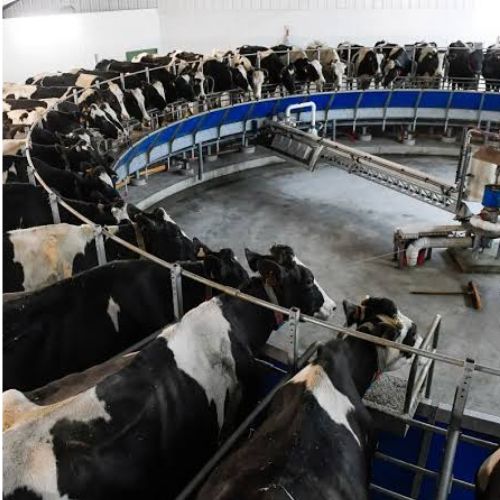
- Automating farm operations
- Investing in labor-saving equipment
- Offering competitive compensation
Technology can help reduce dependence on manual labor.
Financial Constraints
Limited access to capital remains one of the most common barriers to farm expansion and modernization.
How to Overcome Financial Challenges
Farmers can:
- Start small and grow gradually
- Reinvest profits
- Seek agricultural grants
- Explore cooperative financing
- Apply for agricultural loans
Proper financial planning improves long-term business sustainability.
Environmental Sustainability Concerns
Modern consumers increasingly expect farmers to adopt environmentally responsible practices.
Sustainable Farming Solutions
Farmers can improve sustainability by:
- Managing waste effectively
- Conserving water resources
- Practicing rotational grazing
- Reducing environmental pollution
- Utilizing renewable energy where possible
Sustainable farming supports both profitability and environmental protection.
Technology Adoption Challenges
Many farmers struggle to adopt modern technologies due to cost or lack of knowledge.
How to Embrace Technology
Useful technologies include:
- Automated feeders
- Farm management software
- Livestock monitoring systems
- Digital record-keeping tools
Technology helps improve efficiency and decision-making.
The Future of Overcoming Common Challenges in Animal Farming
As agricultural technology continues to evolve, farmers will have access to better tools, improved livestock breeds, advanced disease management systems, and more efficient production methods. Addressing the Common Challenges in Animal Farming will become easier through innovation, education, and improved access to resources.
Farmers who embrace modern practices and continuous learning will be better positioned to remain competitive and profitable in the years ahead.
Conclusion
Understanding the Common Challenges in Animal Farming is essential for achieving long-term success in livestock production. Disease outbreaks, feed costs, climate challenges, market fluctuations, and financial constraints can all affect profitability. However, with proper planning, effective management, modern technology, and continuous education, farmers can overcome these obstacles and build thriving livestock enterprises. By addressing challenges proactively, animal farmers can improve productivity, protect animal welfare, and secure sustainable business growth.



 Get it on
  Download on the