






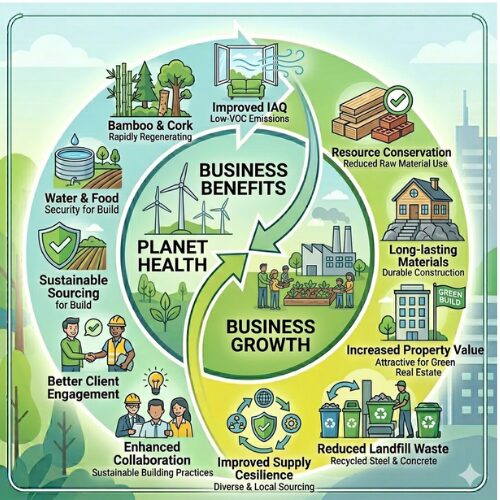
Eco-Sustainable Building Materials are transforming the construction industry by helping builders reduce environmental impact while creating durable, energy-efficient structures. As climate change and resource conservation become global priorities, architects, contractors, and property owners are increasingly choosing sustainable materials for residential and commercial projects. Using Eco-Sustainable Building Materials is one of the most effective ways to lower carbon emissions, reduce waste, and support long-term environmental sustainability.
What Are Eco-Sustainable Building Materials?
Eco-Sustainable Building Materials are materials that have a reduced environmental impact throughout their lifecycle. These materials are often renewable, recyclable, locally sourced, or manufactured using environmentally friendly processes.
Examples include bamboo, reclaimed wood, recycled steel, cork, hempcrete, recycled concrete, and recycled plastic products. These materials help conserve natural resources while maintaining strength, durability, and efficiency.
For more information, read our guide on What Is Eco-Sustainability and Why Does It Matter in 2026?
Why Eco-Sustainable Building Materials Matter in Green Construction
The construction industry is responsible for significant energy consumption and carbon emissions. Choosing sustainable materials helps address these challenges by:
- Conserving natural resources
- Reducing greenhouse gas emissions
- Lowering energy consumption
- Improving indoor air quality
- Reducing construction waste
- Supporting long-term environmental goals
As demand for green buildings increases, sustainable materials are becoming an essential part of modern construction.
Key Characteristics of Eco-Sustainable Building Materials
Renewable Eco-Sustainable Building Materials
Renewable materials come from sources that can naturally replenish themselves over time. Bamboo and cork are excellent examples because they regenerate quickly compared to traditional timber.
Recyclable Eco-Sustainable Building Materials
Materials such as recycled steel and recycled concrete help reduce landfill waste while decreasing the need for new raw materials.
Energy-Efficient Eco-Sustainable Building Materials
Many sustainable materials improve insulation, reducing heating and cooling costs while increasing building efficiency.
Durable Eco-Sustainable Building Materials
Long-lasting materials reduce replacement costs and maintenance requirements, making them a smart investment.
Best Eco-Sustainable Building Materials for Green Construction
Bamboo: A Leading Eco-Sustainable Building Material
Bamboo is one of the fastest-growing plants in the world and is highly renewable.
Benefits include:
- Rapid regeneration
- Strong structural properties
- Attractive appearance
- Low environmental impact
Recycled Steel
Steel can be recycled repeatedly without losing strength or quality.
Benefits include:
- Reduced raw material extraction
- Exceptional durability
- Fire resistance
- Lower landfill waste
Reclaimed Wood
Reclaimed wood is recovered from old buildings and repurposed for new construction.
Benefits include:
- Reduced deforestation
- Unique character and appearance
- Resource conservation
- Lower environmental impact
Recycled Concrete
Recycled concrete reduces the need for newly quarried materials and minimizes construction waste.
Benefits include:
- Sustainable resource management
- Lower costs
- Reduced environmental footprint
- Waste reduction
Hempcrete
Hempcrete is a bio-based building material made from hemp fibers and lime.
Benefits include:
- Excellent insulation
- Carbon absorption
- Lightweight construction
- Resistance to pests and mold
Cork
Cork is harvested without harming trees and offers excellent thermal and sound insulation.
Benefits include:
- Renewable resource
- Biodegradable
- Moisture resistance
- Energy efficiency
Rammed Earth
Rammed earth construction uses compacted natural soil to create durable walls.
Benefits include:
- Low carbon footprint
- Natural insulation
- Long lifespan
- Locally sourced materials
Recycled Plastic Building Products
Plastic waste can be transformed into useful construction materials such as decking, roofing products, and insulation panels.
Benefits include:
- Waste reduction
- Pollution prevention
- Long-term durability
- Resource conservation
Environmental Benefits of Eco-Sustainable Building Materials
One of the greatest advantages of Eco-Sustainable Building Materials is their contribution to environmental protection.
Reduced Carbon Emissions
Many sustainable materials require less energy during manufacturing and transportation.
Conservation of Natural Resources
Renewable and recycled materials reduce reliance on finite resources.
Waste Reduction
Reusing materials minimizes construction and demolition waste.
Ecosystem Protection
Responsible sourcing helps protect forests, wildlife habitats, and natural ecosystems.
Learn more by reading How Renewable Energy Supports Eco-Sustainability and Environmental Protection.
Economic Benefits of Eco-Sustainable Building Materials
Sustainable construction also provides significant financial benefits.
Lower Energy Bills
Energy-efficient materials reduce heating and cooling expenses.
Reduced Maintenance Costs
Durable materials last longer and require fewer repairs.
Increased Property Value
Green buildings are increasingly attractive to buyers and investors.
Government Incentives
Many governments offer grants and tax incentives for sustainable construction projects.
Challenges of Using Eco-Sustainable Building Materials
Despite their advantages, some challenges remain:
- Higher initial investment costs
- Limited availability in some regions
- Need for specialized installation skills
- Lack of awareness among consumers
However, these barriers continue to decrease as sustainable construction becomes more mainstream.
The Future of Eco-Sustainable Building Materials
The future of Eco-Sustainable Building Materials is promising. Innovations in recycling, material science, and sustainable manufacturing are expanding the range of eco-friendly construction options available worldwide.
As environmental regulations become stricter and consumer demand grows, sustainable materials will become increasingly important in residential, commercial, and infrastructure development.
Conclusion
Eco-Sustainable Building Materials are essential for creating environmentally responsible buildings that conserve resources, reduce emissions, and improve energy efficiency. From bamboo and reclaimed wood to hempcrete and recycled steel, these materials offer practical solutions for greener construction. As the construction industry continues to evolve, sustainable building materials will play a vital role in creating a healthier and more sustainable future.







 Get it on
  Download on the