Blackheads, clogged pores, excess oil and uneven skin texture are common skincare concerns for people with oily and combination skin. In Nigeria, factors such as heat, humidity, sweating, dust and frequent exposure to environmental pollutants can make oil control and pore care an important part of a consistent skincare routine.
One product category that has become popular for managing excess oil and improving the appearance of congested skin is the clay mask. Clay masks containing ingredients such as kaolin and bentonite can absorb excess oil and help leave the skin feeling cleaner and smoother. The American Academy of Dermatology also identifies kaolin and bentonite clay as useful ingredients for oily or acne-prone skin because they can absorb oil.
However, not every clay mask is suitable for every skin type. Some formulas can be too drying, while others may contain additional ingredients that are better suited to specific concerns.
This guide explains how clay masks work, which types of clay are best for blackheads and clogged pores, what ingredients to look for and how to use a clay mask safely as part of your skincare routine in Nigeria.
Blackheads are a type of acne that develops when a pore becomes clogged with oil and dead skin cells. When the contents of the pore are exposed to air, they oxidize and appear dark. Blackheads are therefore not simply dirt trapped inside the skin. The American Academy of Dermatology lists blackheads and whiteheads among the common forms of acne.
Clogged pores can also result from:
Excess sebum production
Dead skin cell accumulation
Heavy or pore-clogging skincare products
Inadequate cleansing
Sweat and environmental exposure
Hormonal changes
Certain cosmetics and hair products
Nigeria’s warm climate can also make the face feel oilier, particularly around the forehead, nose and chin.
A good skincare routine should therefore focus on managing excess oil without excessively stripping the skin.
Can Clay Masks Help Blackheads and Clogged Pores?
Yes, a clay mask can be a useful addition to a skincare routine, particularly for oily and combination skin.
Clay works primarily by absorbing excess oil from the skin. Ingredients such as kaolin and bentonite are commonly used in facial masks designed for oily or acne-prone skin.
A clay mask may help:
Absorb excess facial oil
Reduce the appearance of shine
Remove surface impurities
Improve the feel of congested skin
Make pores appear cleaner
Improve the appearance of rough skin texture
Complement an acne-focused skincare routine
However, clay masks should not be viewed as a permanent cure for blackheads. They can help manage oil and improve the appearance and feel of the skin, but persistent blackheads may require ingredients specifically designed to unclog pores.
For example, salicylic acid is a beta hydroxy acid that can penetrate into pores and help remove oil and dead skin-cell buildup. The American Academy of Dermatology recommends ingredients such as salicylic acid for acne-prone skin and notes that acne treatments should be matched to the type of blemish being treated.
What Is the Best Clay for Blackheads?
When shopping for the best clay mask for blackheads and clogged pores in Nigeria, two ingredients deserve particular attention: kaolin clay and bentonite clay.
Kaolin Clay
Kaolin is a relatively gentle clay frequently used in facial masks.
It can absorb excess oil without necessarily being as aggressive as stronger oil-absorbing formulas. This makes kaolin particularly interesting for people with combination, normal or mildly oily skin.
Kaolin clay may be a good choice if you experience:
Mild blackheads
Combination skin
Excess oil around the T-zone
Uneven skin texture
Occasional congestion
If your skin becomes dry or tight easily, a kaolin-based formula may be preferable to an extremely strong clay treatment.
Bentonite Clay
Bentonite is another popular clay used in purifying facial masks.
It has strong oil-absorbing properties and is often included in products designed for oily and congested skin. Some clay comparisons identify bentonite as particularly suitable for oilier skin, while kaolin tends to be positioned as a gentler option.
Bentonite may be worth considering if you have:
Very oily skin
A shiny T-zone
Frequent congestion
Visible blackheads
Heavy sebum production
Because bentonite can feel more drying, however, it is important not to overuse it.
Best Clay Mask Ingredients to Look For
The best clay mask isn’t necessarily the one containing the most ingredients. Instead, look for a formula that addresses your specific skin concerns without unnecessarily irritating your skin.
1. Kaolin
Kaolin can absorb excess oil and is suitable for many skin types. It is particularly useful if you want a gentler clay treatment.
2. Bentonite
Bentonite is a strong oil-absorbing clay that can be useful for oily and congested skin.
3. Salicylic Acid
If blackheads are your main concern, salicylic acid can make a clay mask more targeted. It helps exfoliate inside pores and is widely used for acne and clogged pores.
4. Niacinamide
Niacinamide can be useful in skincare routines designed for oily or acne-prone skin. The AAD notes niacinamide among ingredients that may help reduce shiny skin and acne.
5. Aloe Vera
Aloe can help make a clay formula feel more comfortable, particularly when combined with oil-absorbing ingredients.
6. Hyaluronic Acid and Glycerin
These hydrating ingredients can help reduce the uncomfortable dry or tight feeling that some people experience after using a clay mask.
7 Best Types of Clay Masks to Consider in Nigeria
Rather than choosing solely by brand name, consider the type of formulation that matches your skin.
1. Kaolin Clay Mask for Combination Skin
A kaolin-based mask is an excellent starting point for people with combination skin.
Apply it mainly to oily areas such as the forehead, nose and chin instead of automatically covering your entire face.
2. Bentonite Clay Mask for Oily Skin
Bentonite-based masks are worth considering when excess oil is your biggest concern.
They can be especially useful for people whose skin becomes noticeably shiny during the day.
3. Clay and Salicylic Acid Mask for Blackheads
If blackheads are your primary concern, consider a clay mask that also contains salicylic acid.
This combination can provide both oil absorption and pore-focused exfoliation. However, because both ingredients can be drying, introduce the product gradually.
4. Kaolin and Bentonite Combination Mask
Some products combine both clays to provide a balance between oil absorption and cleansing.
This can be a practical option for combination or oily skin.
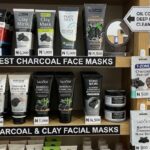
5. Charcoal and Clay Mask
Charcoal is frequently combined with clay in purifying masks. These products are marketed for removing impurities and absorbing oil.
However, charcoal should not automatically be considered better than clay. Evidence supporting some of the broader “detox” claims surrounding charcoal skincare remains limited, so the overall formula matters more than the charcoal label alone.
6. Clay Mask with Niacinamide
For oily skin that also looks shiny or uneven, a clay mask containing niacinamide may be worth considering.
It combines oil-absorbing clay with an ingredient commonly used in routines for oily and acne-prone skin.
7. Gentle Clay Mask for Sensitive Skin
If you have sensitive skin, choose a simple formula with gentle clays and soothing or hydrating ingredients.
Avoid choosing an extremely strong formula simply because you want faster results. Irritating your skin barrier can make your skincare routine more difficult.
How to Choose the Best Clay Mask for Your Skin Type
Best Clay Mask for Oily Skin
Choose a formula containing bentonite, kaolin or a combination of both.
Look for additional ingredients that support the skin without adding unnecessary heaviness.
Best Clay Mask for Combination Skin
Kaolin is often a good choice.
You can also use the clay mask strategically on your T-zone rather than applying it to drier areas.
Best Clay Mask for Dry Skin
Clay masks should be used cautiously if your skin is dry.
Choose a gentler kaolin formula with hydrating ingredients and avoid leaving the mask on for longer than recommended.
Best Clay Mask for Sensitive Skin
Look for a fragrance-free or low-irritant formulation with a short ingredient list.
Always patch-test a new product before applying it extensively.
Best Clay Mask for Acne-Prone Skin
Consider a clay mask containing kaolin or bentonite alongside acne-friendly ingredients such as salicylic acid or niacinamide.
However, a clay mask should complement—not replace—a proper acne treatment routine.
How to Use a Clay Mask for Blackheads
Using the best clay mask for blackheads and clogged pores in Nigeria correctly is just as important as choosing the right product.
Step 1: Cleanse Your Face
Begin with a gentle facial cleanser to remove sweat, sunscreen, makeup and surface impurities.
Step 2: Apply a Thin Layer
Apply the clay mask evenly across the areas where you have excess oil or congestion.
You do not necessarily need a thick layer.
Step 3: Follow the Recommended Time
Follow the manufacturer’s instructions.
Do not assume that keeping the mask on until it becomes completely dry and cracked will produce better results.
Step 4: Rinse Gently
Use lukewarm water and gently remove the mask.
Avoid aggressive rubbing, especially if your skin is sensitive.
Step 5: Moisturize
Apply a lightweight moisturizer after rinsing.
This step is important because excessive oil removal can leave the skin feeling dry or tight.
How Often Should You Use a Clay Mask?
For many people, once a week is a reasonable starting point.
Some people with very oily skin may tolerate more frequent use depending on the product instructions and their skin’s response. Others may need to use a clay mask less frequently.
If your skin becomes:
Tight
Flaky
Red
Irritated
Unusually sensitive
reduce the frequency or stop using the product until your skin feels comfortable again.
A clay mask should support your skincare routine rather than damage your skin barrier.
Clay Mask vs Salicylic Acid for Blackheads
Clay and salicylic acid perform different roles.
A clay mask is primarily useful for absorbing excess surface oil and improving the immediate feel and appearance of oily skin.
Salicylic acid is a chemical exfoliant that can penetrate into pores and help remove oil and dead skin-cell buildup. The AAD specifically identifies salicylic acid as an ingredient useful for oily and acne-prone skin.
For persistent blackheads, a skincare routine containing an appropriate salicylic acid product may therefore be more targeted than relying on a clay mask alone.
Some people can use both, but combining multiple strong products at once may cause irritation.
Common Mistakes to Avoid When Using Clay Masks
Leaving the Mask on Too Long
More time does not necessarily mean better results. Follow the instructions on the product.
Using a Clay Mask Every Day
Daily use can be unnecessarily drying for many people.
Scrubbing Blackheads Aggressively
Physical scrubbing can irritate the skin and does not guarantee that blackheads will disappear.
Skipping Moisturizer
Even oily skin needs hydration.
Using Too Many Active Ingredients
Combining clay with several exfoliating acids, retinoids and other strong treatments at the same time may increase irritation.
Trying to Squeeze Blackheads
Picking and squeezing can irritate the skin and potentially increase inflammation.
Can Clay Masks Shrink Pores?
Clay masks can make pores look less noticeable temporarily by removing excess surface oil and improving the appearance of congested skin.
However, they do not permanently shrink your pores.
Pore appearance is influenced by factors including genetics, oil production, skin elasticity and congestion. A consistent skincare routine can help keep pores looking cleaner and less noticeable.
Clay Mask Skincare Routine for Nigerian Skin
A simple routine can be more effective than using too many products.
Morning:
Gentle cleanser
Hydrating or balancing serum
Lightweight moisturizer
Broad-spectrum sunscreen
Evening:
Cleanser
Treatment product appropriate for your concerns
Moisturizer
Once or occasionally during the week:
Add your clay mask according to your skin’s tolerance and the product instructions.
If you use a salicylic acid treatment, retinoid or other exfoliating active, avoid automatically combining everything in the same routine.
Where to Buy Clay Masks in Nigeria
When shopping for a clay mask in Nigeria, compare the ingredients, skin-type recommendations, product size and authenticity before purchasing.
Local beauty stores, pharmacies, supermarkets and reputable online skincare retailers may carry popular clay-mask brands.
Prices can vary considerably depending on the brand, size, imported stock and retailer. Nigerian skincare shoppers should also be cautious of counterfeit products and unusually cheap products from unverified sellers.
Final Verdict: What Is the Best Clay Mask for Blackheads and Clogged Pores in Nigeria?
For oily skin, a bentonite or kaolin-bentonite formula may provide stronger oil control.
For combination skin, kaolin can be a gentler choice, particularly when applied only to oily areas.
For persistent blackheads, consider a clay mask combined with an appropriate pore-clearing ingredient such as salicylic acid rather than relying on clay alone.
For sensitive or dry skin, choose a gentle kaolin-based mask and prioritize hydration.
Most importantly, don’t judge a clay mask by how tight or dry your skin feels after using it. A good product should help manage excess oil and improve the appearance of congested skin without leaving your skin barrier uncomfortable.
With consistent cleansing, appropriate exfoliation, moisturizing and daily sun protection, a clay mask can become a useful addition to a skincare routine for maintaining smoother, cleaner-looking skin in Nigeria.
Frequently Asked Questions
Is clay mask good for blackheads?
Yes. Clay masks can help absorb excess oil and improve the appearance of congested pores. However, persistent blackheads may respond better to a dedicated pore-clearing ingredient such as salicylic acid.
Which is better for blackheads: kaolin or bentonite?
Both can be useful. Bentonite generally offers stronger oil absorption, while kaolin is often a gentler choice. Your skin type should determine which one you choose.
How often should I use a clay mask for clogged pores?
Once a week is a sensible starting point for many people. Adjust according to the product instructions and your skin’s tolerance.
Can I use a clay mask if I have acne?
Yes, clay can be useful for oily and acne-prone skin, but it should complement a suitable acne treatment rather than replace one.
Should I moisturize after using a clay mask?
Yes. Applying moisturizer after rinsing helps maintain comfortable, hydrated skin.
Can clay masks permanently remove blackheads?
No. Clay masks can help manage excess oil and improve the appearance of clogged pores, but they do not permanently eliminate the tendency to develop blackheads.
What is the best clay mask for oily skin in Nigeria?
Look for a well-formulated product containing kaolin, bentonite or both. If blackheads are a major concern, a formula that also contains salicylic acid may provide more targeted pore care.
Is clay mask suitable for dark skin?
Yes. Clay masks can be used on dark skin. The key is choosing a formulation appropriate for your skin type and avoiding excessive drying or irritation. As with any skincare product, patch-testing is advisable before regular use.















 Get it on
  Download on the