If you have oily skin, you probably know how frustrating it can be to deal with excess shine, enlarged-looking pores, blackheads and frequent breakouts. Nigeria’s hot and humid climate can make oily skin feel even oilier, especially during the warmer months. One skincare product that can help manage excess oil as part of a balanced routine is a clay mask.
Clay masks are popular because clays such as kaolin and bentonite can absorb excess oil and impurities from the skin. Modern formulas may also combine clay with ingredients such as charcoal, salicylic acid, niacinamide, aloe vera or soothing botanical extracts to target specific skin concerns.
But with so many options available, which clay mask should you choose?
In this 2026 guide, we explore 10 of the best clay masks for oily skin in Nigeria, what makes each one worth considering, how to choose the right formula and how to use a clay mask without unnecessarily drying your skin.
Why Use a Clay Mask for Oily Skin?
Oily skin produces more sebum than it needs, which can contribute to a shiny appearance and make pores appear more noticeable. When excess oil mixes with dead skin cells and other impurities, it may also contribute to clogged pores and blemishes.
A clay mask provides a targeted treatment that can temporarily absorb excess oil from the skin. Kaolin and bentonite are particularly common in formulas designed for oily or combination skin.
However, a clay mask should complement—not replace—a consistent skincare routine. Your daily routine should still include cleansing, moisturising and sunscreen.
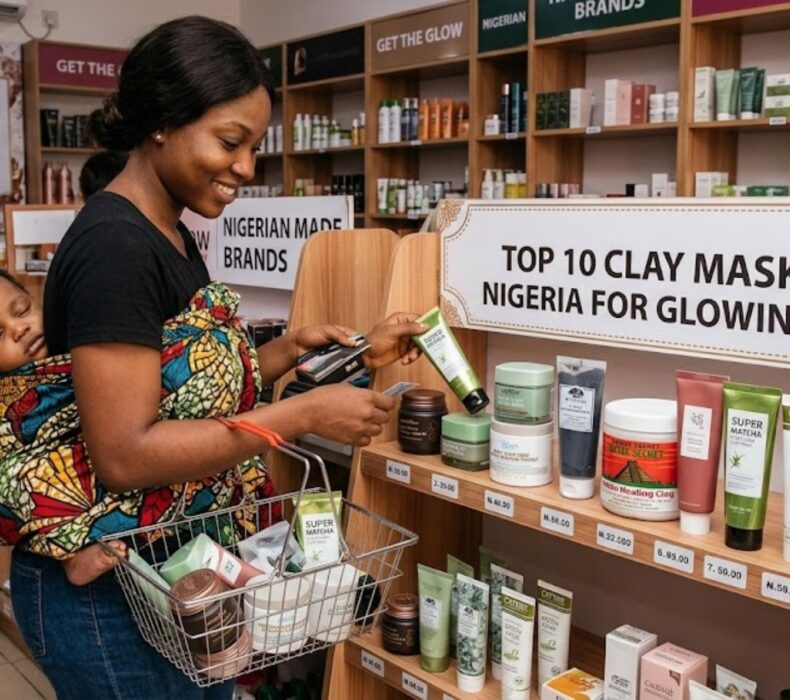
For people living in Nigeria, where heat and humidity can increase feelings of oiliness, a well-formulated clay mask can be useful when used appropriately.
What Should You Look for in a Clay Mask for Oily Skin?
Before buying a clay mask, check the ingredient list and consider your individual skin concerns.
1. Kaolin Clay
Kaolin is generally considered a gentler clay and can help absorb excess oil without necessarily providing the intensely drying feeling associated with some stronger formulas.
It can be a good starting point if you have oily or combination skin but are concerned about over-drying.
2. Bentonite Clay
Bentonite is known for its strong absorbency and is commonly used in deep-cleansing and oil-control masks. It may be particularly appealing if your primary concern is excess sebum and clogged-looking pores.
3. Charcoal
Activated charcoal is frequently paired with clay in purifying masks. These formulas are often marketed toward people concerned about impurities, excess oil and congested skin.
4. Salicylic Acid
If oily skin is accompanied by clogged pores and occasional acne, a mask containing salicylic acid may be worth considering. However, avoid combining too many strong exfoliating products at once because this can increase irritation.
5. Hydrating and Soothing Ingredients
Look for ingredients such as glycerin, aloe vera, hyaluronic acid or other moisturising ingredients if your skin becomes tight after using clay masks. Modern clay masks increasingly combine oil-absorbing ingredients with barrier-supportive or hydrating ingredients.
10 Best Clay Masks for Oily Skin in Nigeria
1. Innisfree Super Volcanic Pore Clay Mask 2X
Best for: Oily skin and visible pores
Innisfree Super Volcanic Pore Clay Mask 2X is a popular choice for people looking for a deep-cleansing clay treatment. Its volcanic clay concept makes it particularly appealing to oily and combination skin types.
The mask is designed around pore care and excess sebum, making it a good option when your main concern is a greasy appearance or congested-looking pores.
Why consider it: It is particularly suited to people who want a dedicated pore-care treatment.
Best for: Oily, combination and congested skin.
2. L’Oréal Paris Pure Clay Detox Mask
Best for: Oil control and dull-looking skin
The L’Oréal Paris Pure Clay range is another option worth considering if you want an accessible clay-based facial treatment.
The Detox version combines clay with charcoal and is designed to help remove impurities while leaving the complexion looking cleaner and fresher.
It can be especially useful when oily skin looks dull or feels congested after exposure to sweat, pollution and everyday environmental impurities.
Why consider it: A good option for people who want clay and charcoal in one formula.
Best for: Oily and combination skin.
3. Kiehl’s Rare Earth Deep Pore Cleansing Masque
Best for: Pores and excess oil
Kiehl’s Rare Earth Deep Pore Cleansing Masque is a well-known clay-based treatment featuring Amazonian white clay.
It is designed to help cleanse the skin and improve the appearance of pores while absorbing excess oil.
For Nigerian consumers who are willing to spend more on premium skincare, it can be considered when pore appearance and oil control are major concerns.
Why consider it: A premium clay mask focused on deep cleansing and pore care.
Best for: Oily, combination and congested skin.
4. Origins Clear Improvement Active Charcoal Mask
Best for: Oily skin and clogged pores
Origins Clear Improvement Active Charcoal Mask is another popular option for people who want a purifying treatment.
Charcoal and clay-based formulations are commonly chosen by people dealing with oily skin because they can provide an oil-absorbing, deep-cleansing experience.
This mask may be particularly appealing if your skincare concerns include excess shine, clogged-looking pores and a dull complexion.
Why consider it: Combines a purifying mask concept with charcoal.
Best for: Oily and combination skin.
5. Aztec Secret Indian Healing Clay
Best for: Strong oil-absorbing treatment
Aztec Secret Indian Healing Clay is a powdered bentonite clay product that has become popular among people who prefer simple clay-based treatments.
Because bentonite can be highly absorbent, this type of mask can provide a more intensive oil-control experience.
However, more is not necessarily better. If you have sensitive or dehydrated skin, use caution and avoid leaving a strong clay mask on for excessive periods.
Why consider it: A straightforward bentonite clay option for people seeking intensive oil absorption.
Best for: Very oily skin.
6. Beauty of Joseon Red Bean Refreshing Pore Mask
Best for: Gentle pore care
Not every oily-skin clay mask needs to leave your face feeling extremely dry. Beauty of Joseon’s Red Bean Refreshing Pore Mask is an attractive option for people looking for a gentler approach to pore care.
The formula combines clay with red bean ingredients and is designed to help manage excess sebum while supporting smoother-looking skin.
Some skincare enthusiasts also favour it because it provides a less aggressive alternative to very strong clay treatments. Community discussions in 2026 have highlighted the product as a gentler clay-mask option for combination and oily areas.
Why consider it: A good choice if you want pore care without an extremely stripped feeling.
Best for: Oily and combination skin.
7. Some By Mi Super Matcha Pore Clean Clay Mask
Best for: Oily skin and pore concerns
Some By Mi’s clay-mask options are popular among consumers interested in Korean skincare and targeted pore care.
The Super Matcha range is particularly focused on excess sebum and the appearance of pores, making it suitable for oily and combination skin routines.
If you are dealing with a shiny T-zone, applying a clay mask specifically to the forehead, nose and chin can be more appropriate than covering your entire face.
Why consider it: Designed with oily and pore-conscious skincare routines in mind.
Best for: Oily and combination skin.
8. Cattier Green Clay Mask
Best for: Traditional green-clay oil control
Green clay is widely used in cosmetic formulations designed for oily and combination skin. Cattier Green Clay Mask is therefore worth considering if you prefer a traditional green-clay approach.
Green clay can provide an oil-absorbing cleansing experience while helping the skin feel refreshed after rinsing.
As with other clay masks, avoid using it too frequently if you notice dryness or irritation.
Why consider it: A traditional green-clay option for oily skin.
Best for: Oily and combination skin.
9. Caudalie Instant Detox Mask
Best for: Oily skin and dull complexion
Caudalie Instant Detox Mask is a premium facial mask designed to provide a purifying treatment while helping improve the appearance of dull, congested skin.
It is a good option for people who want something beyond basic oil absorption and prefer a more sophisticated skincare formula.
It has also received attention in 2026 skincare discussions and beauty coverage as an option for acne-prone and oily skin.
Why consider it: Suitable for those looking for a premium detox-style facial treatment.
Best for: Oily, combination and congested skin.
10. Shani Darden Signature Nourishing Facial Mask
Best for: Oily skin that also needs hydration
People with oily skin sometimes make the mistake of assuming their skin does not need moisture. In reality, oily skin can still become dehydrated.
The Shani Darden Signature Nourishing Facial Mask is an example of a modern facial mask designed with a greater emphasis on nourishing and supporting the skin rather than simply stripping away oil.
Modern clay masks increasingly combine oil-absorbing ingredients with hydrating components, which can be useful for people concerned about excessive dryness.
Why consider it: A more nourishing approach for people who want to avoid an overly dry finish.
Best for: Combination and oily skin that can become dehydrated.
How to Use a Clay Mask for Oily Skin
Using a clay mask correctly is just as important as choosing the right product.
Step 1: Cleanse Your Face
Start with a gentle facial cleanser to remove sunscreen, makeup, sweat and surface impurities.
Step 2: Apply a Thin Layer
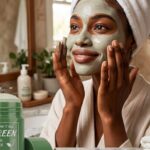
Apply an even layer of the clay mask to clean skin. You do not need a very thick layer to get the intended benefits.
Avoid the immediate eye and lip areas.
Step 3: Follow the Product Instructions
Different formulas have different recommended application times. Do not automatically wait until every clay mask becomes completely dry and cracked.
Some formulations are designed to be removed before they become completely dry, particularly if you have sensitive or combination skin.
Step 4: Rinse Gently
Use lukewarm water and gently remove the mask. Avoid aggressive scrubbing because the clay itself does not need to be forcibly rubbed into the skin.
Step 5: Moisturise
Finish with a lightweight moisturiser. This is particularly important for oily skin because excessive dryness can make your skincare routine uncomfortable and may encourage you to overuse oil-control products.
How Often Should You Use a Clay Mask?
There is no universal number that works for everyone.
If you have very oily skin and tolerate clay well, you may be able to use a clay mask around once or twice weekly depending on the specific product instructions.
If your skin is combination, sensitive or easily dehydrated, once a week—or even less frequently—may be sufficient.
The goal is not to remove every trace of oil. Healthy skin needs some natural lipids to support its protective barrier.
If your face feels painfully tight, irritated, excessively dry or uncomfortable after using a clay mask, reduce the frequency or switch to a gentler formula.
Clay Mask vs. Face Scrub for Oily Skin
Clay masks and face scrubs work differently.
A clay mask primarily provides an oil-absorbing and cleansing treatment, while a physical face scrub uses particles to manually exfoliate the skin.
If your skin is already irritated or acne-prone, aggressive physical scrubbing may not be the best approach.
For oily skin, a gentle cleanser, appropriate moisturiser, sunscreen and targeted treatments may be more important than repeatedly exfoliating.
Can Clay Masks Help Acne-Prone Skin?
Clay masks may help manage some of the oil and congestion associated with acne-prone skin, but they are not an acne cure.
Research and skincare literature have explored clay-based masks for oil absorption and improvements in certain skin concerns, but individual results vary.
If you have persistent, painful or severe acne, consider speaking with a dermatologist rather than relying exclusively on facial masks.
For mild breakouts, you may prefer a clay mask containing ingredients such as salicylic acid, while remembering that combining multiple exfoliating products can increase irritation.
Which Clay Is Best for Oily Skin?
If you are wondering whether kaolin or bentonite is better, the answer depends on your skin.
Bentonite clay: Generally better suited to people looking for stronger oil absorption and deep-cleansing effects.
Kaolin clay: Often a better starting point for oily or combination skin that is also sensitive or prone to dryness.
Green clay: Popular for oil-control and purifying skincare products.
Charcoal + clay: Useful if you want a purifying mask aimed at excess oil and impurities.
Choosing the right formula is more important than choosing the strongest clay available.
Final Thoughts: What Is the Best Clay Mask for Oily Skin in Nigeria?
For strong oil absorption, Aztec Secret Indian Healing Clay may appeal to people who prefer bentonite clay. For pore care, Innisfree Super Volcanic Pore Clay Mask 2X and Kiehl’s Rare Earth Deep Pore Cleansing Masque are options worth considering. If you prefer charcoal-based cleansing, L’Oréal Paris Pure Clay Detox Mask and Origins Clear Improvement Active Charcoal Mask are alternatives.
For people who want a gentler approach, Beauty of Joseon Red Bean Refreshing Pore Mask is worth considering, while premium shoppers may look toward options such as Caudalie Instant Detox Mask.
Most importantly, remember that oily skin still needs hydration. A good skincare routine should focus on balance rather than trying to remove every trace of natural oil.
For Nigerian skincare shoppers, consider factors such as product authenticity, ingredients, price, availability and your individual skin type before purchasing. A clay mask should be one part of a complete skincare routine—not the entire routine.












 Get it on
  Download on the