If you have oily skin, you probably know the struggle of dealing with excessive shine, clogged pores, blackheads and occasional breakouts. Nigeria’s warm and humid climate can make these concerns even more noticeable, especially when sweat and excess sebum accumulate on the skin.
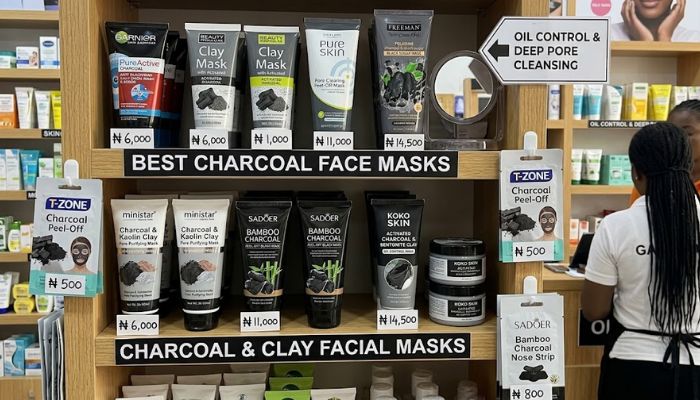
One skincare product that has become popular among people looking for better oil control is thecharcoal face mask. Activated charcoal is commonly used in facial masks because of its adsorptive properties, while many charcoal masks also contain oil-absorbing clays such as kaolin or bentonite.
However, not every charcoal mask is suitable for oily skin. Some formulas can be excessively drying, irritating or unsuitable for sensitive or acne-prone skin. Therefore, choosing the right product is more important than simply buying the darkest or most strongly marketed mask.
In this 2026 guide, we explain what charcoal face masks do, their benefits and limitations, what ingredients to look for, how often to use them and how to choose a suitable charcoal mask for oily skin in Nigeria.
What Is a Charcoal Face Mask?
A charcoal face mask is a skincare treatment formulated with activated charcoal, often combined with ingredients such as kaolin clay, bentonite clay, salicylic acid, niacinamide, aloe vera or other soothing ingredients.
Activated charcoal has a highly porous structure and is valued for its ability to adsorb certain substances. In cosmetics, it is commonly incorporated into cleansers and masks marketed for removing surface impurities and absorbing excess oil. However, evidence supporting charcoal as a treatment for acne or a “detoxifying” treatment for skin remains limited.
For oily skin, the more useful feature is usually the mask’s overall formulation rather than charcoal alone. A product containing charcoal plus kaolin or bentonite, for example, may provide stronger oil-absorbing properties.
Why Use a Charcoal Face Mask for Oily Skin?
Oily skin produces more sebum than is needed to maintain the skin’s natural protective barrier. Excess sebum can contribute to a shiny appearance and, together with dead skin cells and other debris, can contribute to clogged pores.
A well-formulated charcoal or charcoal-clay mask can temporarily reduce surface oil and leave the skin feeling cleaner and less greasy.
Research into clay masks has found promising results for oily and acne-prone skin. In one clinical study involving adults with oily or combination skin, twice-weekly use of a clay mask for four weeks was associated with improvements in sebum content, acne-related outcomes, skin evenness and hydration.
It is important to note that these findings relate to a particular clay-mask formulation and should not automatically be applied to every charcoal mask available on the market.
Benefits of the Best Charcoal Face Mask for Oily Skin
1. Helps Absorb Excess Oil
One of the main reasons people with oily skin choose charcoal and clay masks is oil absorption.
A suitable mask can absorb some of the excess oil sitting on the skin’s surface, temporarily reducing shine and giving the complexion a more matte appearance.
This can be particularly useful in Nigeria, where heat and humidity may make oily skin appear shinier during the day.
2. Helps Reduce the Appearance of Clogged Pores
Excess sebum, dead skin cells and other buildup can make pores appear more noticeable.
Charcoal masks are often formulated to remove surface impurities and absorb excess oil. When buildup is reduced, pores may temporarily appear cleaner and less prominent.
However, charcoal does not permanently shrink pores. The American Academy of Dermatology Association recommends ingredients such as clay, salicylic acid and niacinamide for oily or acne-prone skin depending on the individual’s needs.
3. Leaves Skin Feeling Fresh and Clean
A charcoal mask can provide a satisfying deep-cleansing sensation, particularly after exposure to sweat, dust, makeup and excess oil.
This does not mean that the product is literally removing toxins from inside the body. “Detox” is primarily a marketing term in many charcoal skincare products rather than a medically established effect.
4. May Improve the Appearance of Skin Texture
Removing excess surface oil and buildup can make skin feel smoother temporarily.
Some charcoal masks also contain exfoliating ingredients, but users should distinguish between charcoal’s adsorptive properties and the exfoliating action of ingredients such as salicylic acid or alpha hydroxy acids.
5. Can Complement an Oily-Skin Routine
A charcoal mask can be used as an occasional addition to a basic skincare routine consisting of cleanser, moisturizer and sunscreen.
It should not replace daily skincare or medically recommended acne treatments.
What Ingredients Should You Look for in a Charcoal Face Mask?
When shopping for the best charcoal face mask for oily skin in Nigeria, do not focus on charcoal alone.
Activated Charcoal
Activated charcoal is the key ingredient associated with traditional charcoal masks. It can contribute to the product’s adsorptive and cleansing properties, although clinical evidence for charcoal-specific acne treatment remains limited.
Kaolin Clay
Kaolin is a popular cosmetic clay that can help absorb excess oil. It is often a good choice for people looking for a gentler oil-control mask.
Bentonite Clay
Bentonite is another oil-absorbing clay frequently used in products designed for oily or congested skin.
Salicylic Acid
If clogged pores and blackheads are major concerns, a charcoal mask containing salicylic acid may be worth considering.
Salicylic acid is a beta hydroxy acid that can help exfoliate inside pores. The American Academy of Dermatology lists salicylic acid among ingredients that can be useful for oily or acne-prone skin.
Niacinamide
Niacinamide can be useful in skincare formulated for oily or blemish-prone skin. It can complement an oil-control routine without relying entirely on aggressive drying ingredients.
Aloe Vera and Other Soothing Ingredients
Because oil-absorbing masks can sometimes leave skin feeling dry, soothing and hydrating ingredients can make a formula more comfortable.
A good oily-skin mask should ideally help control excess oil without leaving the face painfully tight, burning or irritated.
Best Types of Charcoal Face Masks for Oily Skin
There is no single charcoal mask that is automatically the best for everyone. The right option depends on your skin condition and skincare goals.
Charcoal and Clay Mask
This is one of the most logical combinations for oily skin. Charcoal provides adsorptive properties while kaolin or bentonite helps absorb excess oil.
Charcoal and Salicylic Acid Mask
This combination may appeal to people dealing with oily skin and clogged pores. However, it can be more drying, so it should be introduced carefully.
Charcoal Peel-Off Mask
Peel-off masks can create an immediate feeling of removing buildup from the skin. However, they can be irritating for some users, particularly when pulled aggressively from the face.
If your skin is sensitive or your barrier is already irritated, a rinse-off charcoal-clay mask may be a better choice.
Hydrating Charcoal Mask
If you have combination skin, look for a charcoal mask containing humectants or soothing ingredients. You can apply it primarily to oily areas instead of covering your entire face.
How to Choose the Best Charcoal Face Mask in Nigeria
Before purchasing a charcoal face mask, consider these factors:
Skin type: Choose a formula specifically designed for oily or combination skin if excess sebum is your main concern.
Ingredient list: Look beyond charcoal. Supporting ingredients often determine whether the mask is appropriate for your skin.
Drying potential: Avoid unnecessarily harsh formulas if your skin becomes tight or irritated easily.
Acne concerns: If you frequently experience blackheads or clogged pores, consider formulas containing proven acne-care ingredients such as salicylic acid.
Fragrance: Strong fragrance may be unnecessary, especially if you have sensitive skin.
Authenticity: When purchasing imported skincare products in Nigeria, buy from reputable retailers to reduce the risk of counterfeit or improperly stored products.
Climate: Nigeria’s heat and humidity can make oil control particularly attractive, but this does not mean you should strip all oil from your skin.
How to Use a Charcoal Face Mask Correctly
Using a charcoal mask correctly is just as important as choosing one.
Step 1: Cleanse Your Face
Start with a gentle facial cleanser to remove sunscreen, makeup, sweat and surface dirt.
Step 2: Apply the Mask
Apply an even layer according to the manufacturer’s instructions. Avoid the immediate eye area and lips.
You do not necessarily need a very thick layer. More product does not automatically mean better results.
Step 3: Follow the Recommended Time
Leave the mask on for the amount of time stated on the product packaging.
Do not assume that keeping it on until it becomes extremely dry will produce better results. Overuse can contribute to dryness and irritation.
Step 4: Rinse Thoroughly
Use lukewarm water to remove a rinse-off mask. Avoid aggressive scrubbing.
Step 5: Moisturize
Apply a lightweight, non-comedogenic moisturizer afterward.
Even oily skin needs hydration. Removing too much surface oil without replenishing moisture can leave the skin uncomfortable and may damage the skin barrier.
Step 6: Use Sunscreen During the Day
If you use a mask containing exfoliating ingredients, daily broad-spectrum sunscreen becomes particularly important.
How Often Should You Use a Charcoal Face Mask?
For most people, using a charcoal or clay mask once or twice a week is a reasonable starting point, depending on the product’s directions and how your skin responds.
There is no advantage to using an oil-absorbing mask every day simply because your face is oily.
A clinical study on a specific clay-mask formulation used the product twice weekly for four weeks and reported improvements in oiliness and other skin parameters.
Start with once weekly if you are new to masking, then adjust based on your skin’s response.
Can Charcoal Face Masks Treat Acne?
A charcoal mask may help with excess oil and the appearance of clogged skin, but it should not be considered an acne treatment by itself.
There is limited clinical evidence supporting activated charcoal specifically for treating acne.
If acne is persistent, painful, severe or leaving scars, consider evidence-based acne treatments and seek professional dermatological advice.
The American Academy of Dermatology also notes that facial masks cannot replace treatment for conditions such as acne.
Charcoal Face Mask Mistakes to Avoid
Using It Every Day
Daily use can cause unnecessary dryness and irritation.
Scrubbing Too Hard
Do not aggressively scrub your face while removing the mask.
Leaving It on Too Long
Follow the manufacturer’s instructions rather than waiting until your face feels extremely tight.
Applying It to Irritated Skin
Avoid using a charcoal mask over broken, inflamed or irritated skin unless a healthcare professional recommends it.
Skipping Moisturizer
Oily skin still requires hydration.
Expecting Permanent Pore Reduction
Masks can temporarily improve the appearance of pores, but they cannot permanently change pore size.
Charcoal Face Mask vs Clay Face Mask: Which Is Better?
The answer depends on the formula.
Charcoal is popular because of its adsorptive properties, while kaolin and bentonite are widely used for oil absorption. A product combining charcoal and clay may therefore be particularly appealing to someone with oily or congested skin.
However, more ingredients do not automatically mean better results.
For oily skin, prioritize a balanced formula that controls excess oil without causing excessive dryness or irritation.
Is a Charcoal Face Mask Suitable for Nigerian Skin?
Yes. A charcoal face mask can be suitable for Nigerian consumers with oily or combination skin, provided the formula matches their individual skin needs.
Nigeria’s warm climate can contribute to sweating and make facial oiliness more noticeable. However, climate alone does not determine which skincare products you need.
A person with oily skin may benefit from a lightweight routine consisting of:
Gentle cleanser
Charcoal or clay mask once or twice weekly
Lightweight moisturizer
Daily sunscreen
Targeted acne or exfoliating treatment when appropriate
Remember that darker skin tones can also experience irritation and post-inflammatory hyperpigmentation. Therefore, avoiding excessive exfoliation and skin irritation is especially important if you are prone to dark marks after breakouts.
Final Verdict: What Is the Best Charcoal Face Mask for Oily Skin?
The best charcoal face mask for oily skin in Nigeria is not necessarily the most expensive product or the one making the biggest “detox” claims.
Look for a well-formulated mask containing activated charcoal alongside effective oil-absorbing ingredients such as kaolin or bentonite. If clogged pores are a major concern, ingredients such as salicylic acid may provide additional benefits.
Most importantly, choose a formula that leaves your skin clean and comfortable rather than excessively tight, dry or irritated.
Charcoal masks can be useful as an occasional addition to an oily-skin routine, particularly for temporarily reducing shine and surface buildup. However, they should complement—not replace—a consistent skincare routine and appropriate acne treatment.
For Nigerian skincare shoppers, buying authentic products from a reputable local retailer can also help ensure better product quality, storage and reliability.
Frequently Asked Questions
Can I use a charcoal mask if I have very oily skin?
Yes. Charcoal and clay masks can help temporarily absorb excess surface oil. Start once weekly and increase only if your skin tolerates the product well.
Can charcoal remove blackheads?
A charcoal mask may help remove some surface buildup and reduce the appearance of clogged pores, but it should not be considered a guaranteed blackhead treatment.
Can I use charcoal and salicylic acid together?
Some products combine both ingredients. However, the combination can be drying for some people. Follow the product directions and avoid combining too many irritating treatments at once.
Should I moisturize after using a charcoal mask?
Yes. Apply a lightweight moisturizer after rinsing the mask to help maintain your skin barrier.
How often should I use a charcoal face mask?
Once or twice a week is a practical starting point, but always follow the instructions on your specific product and reduce usage if irritation occurs.
Is charcoal good for acne-prone skin?
Charcoal may help absorb excess oil, but evidence for charcoal itself as an acne treatment is limited. Products containing proven acne-care ingredients may be more useful for specific concerns.















 Get it on
  Download on the