Facial masks have become a popular part of modern skincare routines because they provide targeted care beyond daily cleansing and moisturizing. Two of the most popular options are sheet masks and clay masks. While both can help improve the appearance and feel of the skin, they work in very different ways.
A sheet mask is generally designed to deliver hydrating and soothing ingredients to the skin, while a clay mask is commonly used to absorb excess oil and help remove impurities from the skin’s surface. Understanding these differences can help you choose the right mask for your skincare routine.
What Is a Sheet Mask?
A sheet mask is a thin sheet, commonly made from cotton, cellulose, hydrogel, or similar materials, that is soaked in a concentrated skincare essence or serum.
The mask is placed directly over the face for a short period, allowing the skin to come into prolonged contact with the ingredients.
Sheet masks are available in many formulations. Depending on the product, they may contain ingredients such as:
Hyaluronic acid
Niacinamide
Aloe vera
Vitamin C
Ceramides
Green tea
Peptides
Glycerin
Because different formulations target different concerns, sheet masks can be used for hydration, soothing, brightening, or improving the overall appearance of tired-looking skin.
What Is a Clay Mask?
A clay mask is a facial treatment formulated with mineral-rich clays designed primarily to absorb excess oil and impurities.
Common types of clay used in skincare include:
Kaolin clay
Bentonite clay
French green clay
Rhassoul clay
Clay masks are particularly popular among people with oily or combination skin because they can help absorb excess sebum and leave the skin feeling cleaner and less greasy.
However, not every clay mask is suitable for every skin type. Some formulas can be drying, especially when used too frequently or left on the skin for too long.
Sheet Mask vs Clay Mask: Key Differences
The biggest difference between a sheet mask and a clay mask is their primary purpose.
Sheet masks generally focus on hydration and delivering beneficial ingredients to the skin, while clay masks primarily focus on absorbing excess oil and impurities.
Feature
Sheet Mask
Clay Mask
Main purpose
Hydration and soothing
Oil absorption and cleansing
Best suited for
Dry, dehydrated, normal and sensitive skin depending on formula
Oily and combination skin
Texture
Fabric or gel-like sheet
Creamy or paste-like
Typical use
Short treatment
Short treatment followed by rinsing
Hydrating potential
Usually high
Usually lower
Oil control
Limited
Usually stronger
Application
Applied directly to face
Spread over the skin
Removal
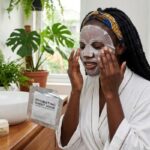
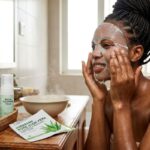
Remove sheet and massage remaining essence
Rinse thoroughly
The choice between the two should therefore depend on what your skin needs most.
Benefits of Sheet Masks
1. They Can Provide Hydration
One of the biggest reasons people use sheet masks is to give their skin an extra boost of hydration.
Ingredients such as glycerin and hyaluronic acid can help attract and retain water in the skin, making it appear smoother and more refreshed.
For people dealing with dry or dehydrated-looking skin, a hydrating sheet mask can be a useful addition to a regular skincare routine.
2. They Can Soothe the Skin
Some sheet masks contain soothing ingredients such as aloe vera, green tea, panthenol, or centella asiatica.
These formulations can be useful when the skin feels dry, uncomfortable, or temporarily stressed.
However, people with sensitive skin should still check the ingredient list and avoid products containing ingredients that they know irritate their skin.
3. They Are Convenient
Sheet masks are easy to use and require relatively little preparation.
You simply apply the mask according to the manufacturer’s instructions, leave it on for the recommended time, remove it, and continue with the rest of your skincare routine.
4. They Can Make Skin Look More Refreshed
A well-formulated sheet mask can temporarily make the skin appear more plump, hydrated, and radiant.
This can make sheet masks particularly appealing before events, photos, or occasions when you want your skin to look refreshed.
Benefits of Clay Masks
1. They Help Absorb Excess Oil
Clay is known for its ability to absorb oil from the skin’s surface.
This makes clay masks particularly attractive to people with oily or combination skin who experience noticeable shine during the day.
2. They Can Help Remove Surface Impurities
Clay masks can help remove excess oil, dirt, and other surface impurities when the mask is washed away.
They can therefore complement a regular cleansing routine, although a clay mask should not replace your everyday facial cleanser.
3. They Can Leave Skin Feeling Cleaner
After using a clay mask, many people notice that their skin feels cleaner and less oily.
This can be especially useful for people whose skin becomes greasy quickly.
4. They Can Be Useful for Oily and Combination Skin
People with oily or combination skin may benefit from incorporating a suitable clay mask into their skincare routine.
However, using a clay mask too often can potentially leave the skin feeling dry or uncomfortable.
Sheet Mask vs Clay Mask for Dry Skin
If you have dry skin, a hydrating sheet mask will generally be the more suitable option.
Look for formulas containing hydrating ingredients such as hyaluronic acid, glycerin, aloe vera, or ceramides.
Clay masks may not be the best choice if your skin is already very dry because some formulations can absorb oil and leave the skin feeling tighter.
If you enjoy using clay masks despite having dry skin, consider choosing a gentler formula and limiting how frequently you use it.
Sheet Mask vs Clay Mask for Oily Skin
For oily skin, a clay mask is generally more appropriate when the primary concern is excess oil.
Kaolin or bentonite-based masks can help absorb excess sebum and reduce the appearance of shine temporarily.
However, oily skin still needs hydration. Removing too much oil or repeatedly drying out the skin can leave it feeling uncomfortable.
A balanced routine can therefore include a gentle cleanser, lightweight moisturizer, sunscreen, and an appropriately formulated clay mask.
Sheet Mask vs Clay Mask for Acne-Prone Skin
People with acne-prone skin should choose facial masks based on their ingredients rather than simply choosing a product because it is labelled for acne.
A clay mask may be helpful for managing excess oil, but it should not be considered a treatment that cures acne.
Similarly, a sheet mask may provide hydration and soothing benefits but does not automatically treat breakouts.
If you have acne-prone skin, avoid masks containing ingredients that commonly irritate your skin, particularly heavily fragranced formulas if you are sensitive to fragrance.
For persistent or severe acne, professional dermatological advice is more appropriate than relying on facial masks alone.
Sheet Mask vs Clay Mask for Combination Skin
Combination skin can benefit from both types of masks.
For example, if your T-zone becomes oily while your cheeks feel normal or dry, you may not want to apply a strong clay mask to your entire face.
Instead, consider multi-masking.
You could apply a suitable clay mask to oilier areas such as the forehead, nose, and chin while using a hydrating product on areas that need additional moisture.
This targeted approach can help address different needs across the face.
How Often Should You Use a Sheet Mask?
There is no universal rule for how frequently everyone should use sheet masks.
The recommended frequency depends on the product’s ingredients and your skin’s tolerance.
Some gentle hydrating sheet masks can be incorporated into a skincare routine more regularly, while masks containing stronger active ingredients may require less frequent use.
Always follow the product instructions and pay attention to how your skin responds.
Using a sheet mask for longer than recommended does not necessarily provide better results. Allowing the sheet to dry completely on the face may actually make the skin feel uncomfortable.
How Often Should You Use a Clay Mask?
Clay masks generally do not need to be used every day.
For many people, occasional use is sufficient to help manage excess oil and keep the skin feeling clean.
If your skin becomes tight, flaky, irritated, or excessively dry after using a clay mask, reduce the frequency or consider a gentler formula.
Remember that the goal is not to remove every trace of oil from the skin. Healthy skin still requires some natural lipids and moisture.
Can You Use a Sheet Mask and Clay Mask Together?
Yes, you can use both as part of the same overall skincare routine, but they do not necessarily need to be applied one immediately after another.
If you are using a clay mask to manage excess oil, cleanse your face first, apply the clay mask according to the instructions, rinse it off, and moisturize afterward.
A hydrating sheet mask can be used on another day when your skin needs additional hydration.
Alternatively, if a particular routine recommends using both, follow the manufacturer’s directions and avoid combining too many potentially irritating products.
Which Mask Is Better for Glowing Skin?
Both masks can contribute to a healthier-looking complexion, but they achieve this differently.
A sheet mask may make the skin look temporarily more hydrated, plump, and radiant.
A clay mask may make oily skin appear fresher by reducing excess surface oil and leaving the complexion looking cleaner.
If your idea of glowing skin is hydrated and dewy-looking skin, a hydrating sheet mask may be preferable.
If your skin looks shiny because of excess oil, a suitable clay mask may help create a cleaner, more balanced appearance.
Which Mask Is Better for Your Skin?
There is no single winner in the sheet mask vs clay mask debate because both products serve different purposes.
Choose a sheet mask if your primary goal is:
Hydration
Soothing
Refreshing tired-looking skin
Supporting a more plump-looking complexion
Adding targeted skincare ingredients
Choose a clay mask if your primary goal is:
Absorbing excess oil
Managing facial shine
Removing surface impurities
Supporting oily or combination skin
Giving the skin a cleaner-feeling finish
Your skin type should also influence your decision.
How to Choose the Right Facial Mask
Before buying a facial mask, consider these factors:
Know Your Skin Type
Determine whether your skin is dry, oily, combination, normal, or sensitive.
Identify Your Main Skin Concern
Are you primarily dealing with dehydration, excess oil, dullness, or sensitivity?
Your answer can help determine whether a sheet mask or clay mask is more appropriate.
Check the Ingredients
Do not choose a mask based only on its packaging or marketing claims.
Read the ingredient list and look for ingredients that support your specific skincare goals.
Avoid Overusing Masks
More skincare does not always mean better skincare.
Using facial masks excessively can cause dryness or irritation, especially when the formula contains potentially irritating ingredients.
Moisturize After Masking
After rinsing off a clay mask, apply a moisturizer appropriate for your skin type.
After removing a sheet mask, follow the product directions and finish with your usual moisturizer if needed.
Sheet Mask vs Clay Mask: Final Verdict
So, which is better: a sheet mask or clay mask?
The answer depends on your skin.
A sheet mask is generally the better choice when your skin needs hydration, soothing, and a refreshed appearance. A clay mask is generally more useful when your primary concern is excess oil and a greasy complexion.
You do not necessarily have to choose only one. Many skincare routines can benefit from using different masks at different times based on changing skin needs.
The most important thing is to choose a product suited to your skin type, follow the recommended usage instructions, and avoid overloading your routine with too many products.
Ultimately, the best facial mask is not necessarily the most expensive or popular one. It is the one whose ingredients and formulation match what your skin actually needs.












 Get it on
  Download on the