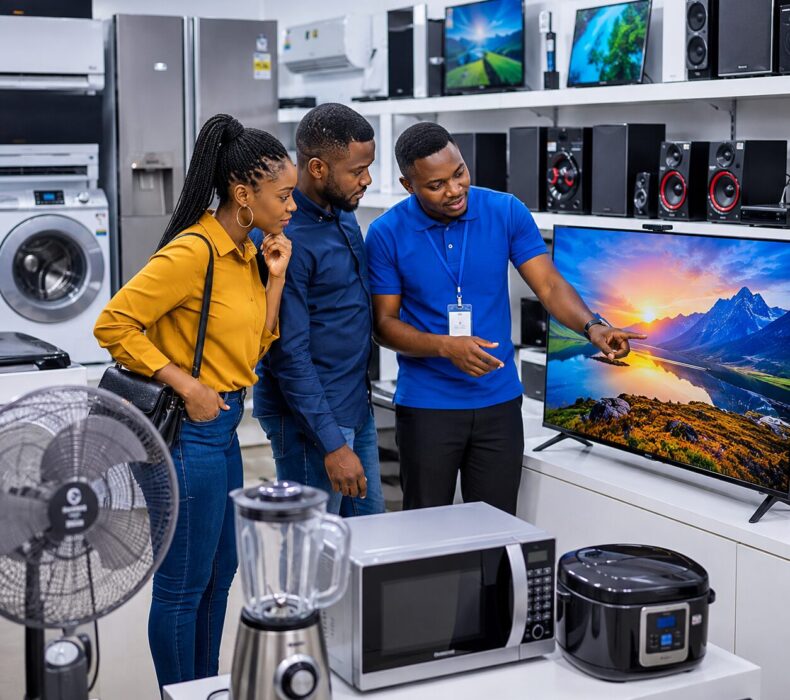
Purchasing electronic devices can be a significant investment, especially with the wide variety of products available today. This home electronics buying guide Nigeria helps consumers make informed decisions when shopping for televisions, sound systems, refrigerators, air conditioners, smart devices, and other household electronics. By knowing what to check before making a purchase, you can avoid costly mistakes and ensure you get the best value for your money.
Why It Is Important to Buy Electronics Carefully
Home electronics directly impact comfort, convenience, and energy consumption. Therefore, selecting the right products is essential for long-term satisfaction.
Additionally, Nigeria’s power supply challenges and climate conditions mean that buyers should consider factors beyond price alone. A well-informed purchase can save money on maintenance, repairs, and electricity bills over time.
1. Check Product Quality and Build
The first thing to evaluate is overall product quality.
Look for:
Durable construction
High-quality materials
Strong finishing
Reputable manufacturing standards
Furthermore, products with better build quality often last longer and require fewer repairs.
2. Verify Warranty Coverage
A warranty provides protection against manufacturing defects and unexpected faults.
Before buying:
Confirm warranty duration
Understand warranty terms
Check authorized service centers
Keep purchase receipts safely
As a result, you will have peace of mind if issues arise after purchase.
3. Consider Energy Efficiency
Electricity costs continue to rise, making energy efficiency increasingly important.
Energy-efficient appliances:
Consume less electricity
Reduce utility bills
Operate more sustainably
Generate less heat
Therefore, always check energy ratings before making a purchase.
4. Confirm Compatibility with Nigerian Power Supply
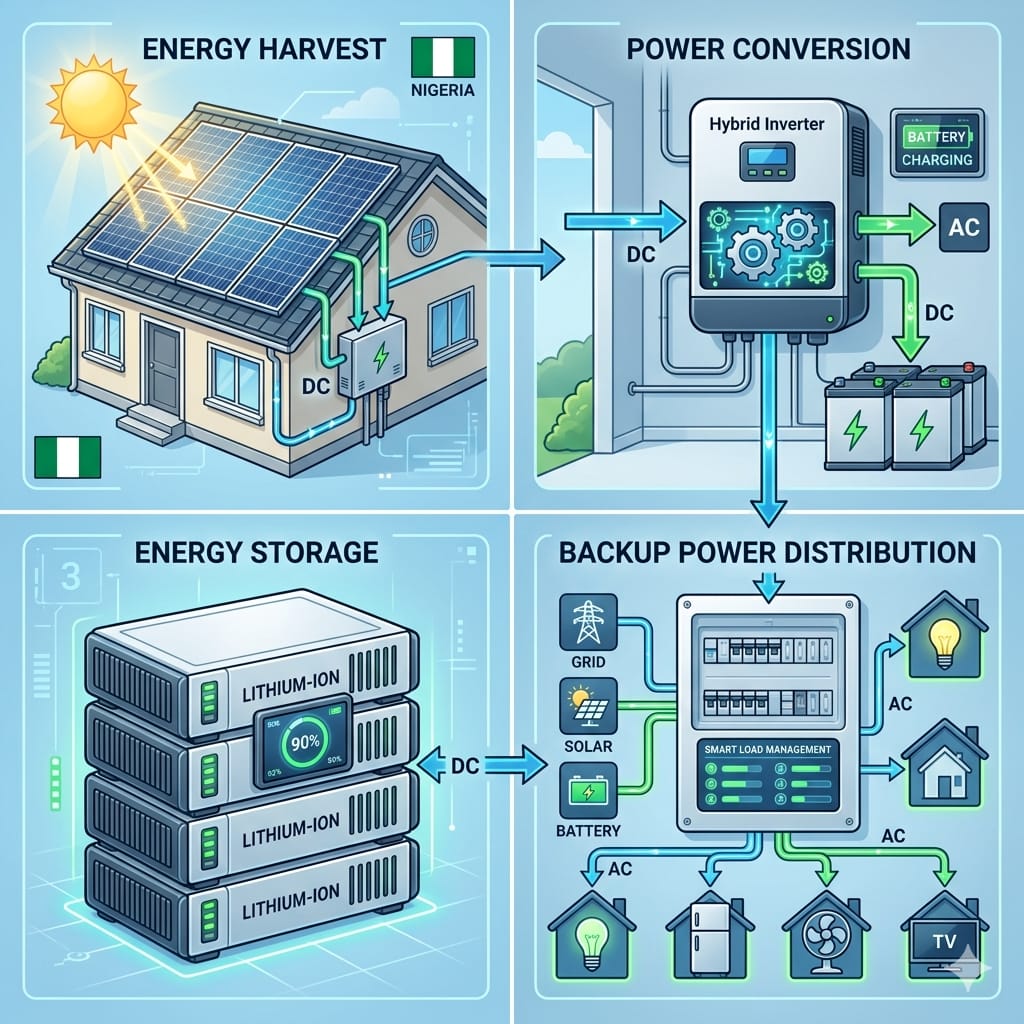
Power fluctuations remain a common challenge in many Nigerian homes.
For this reason, ensure electronics can handle:
Voltage fluctuations
Frequent power interruptions
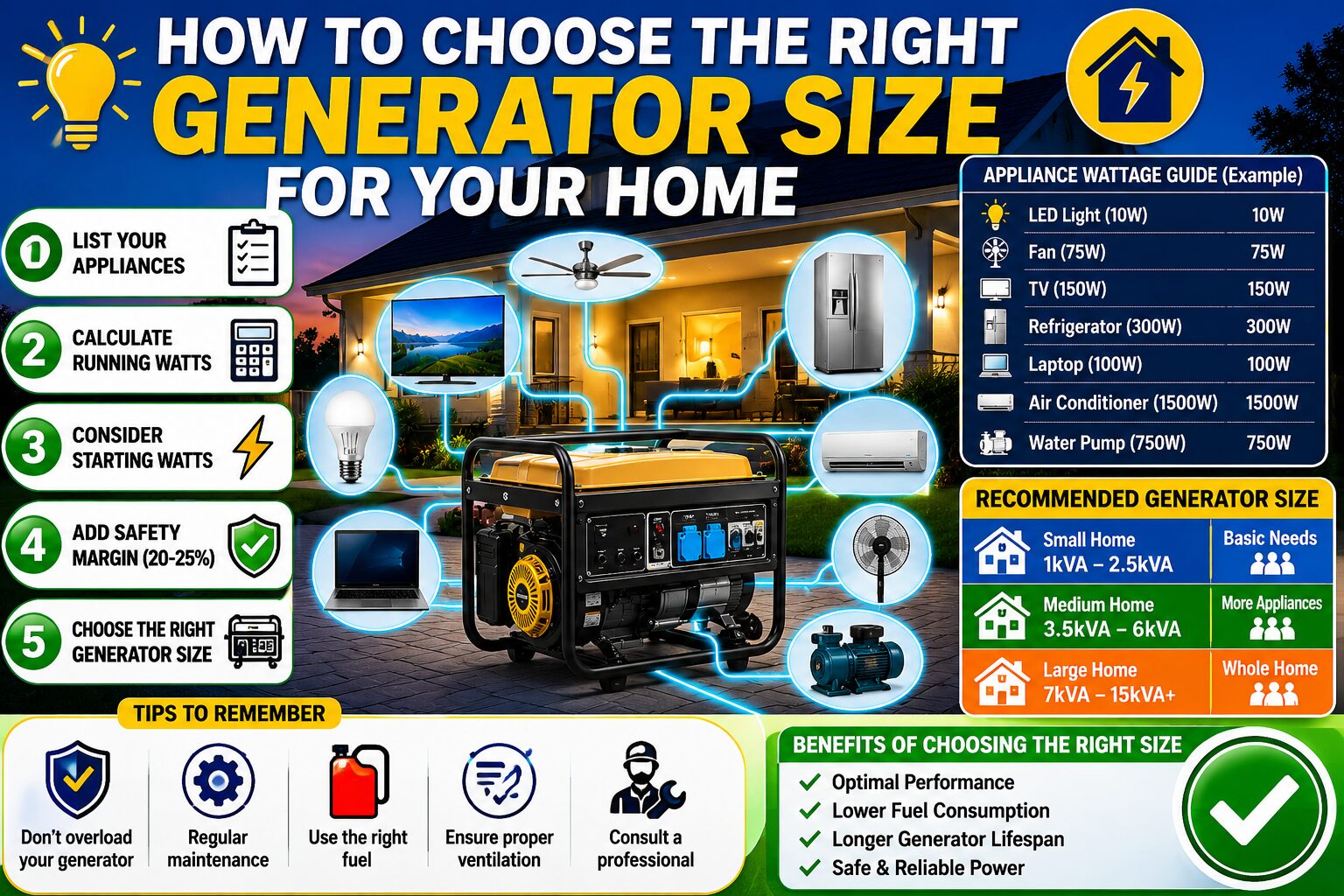
Generator power
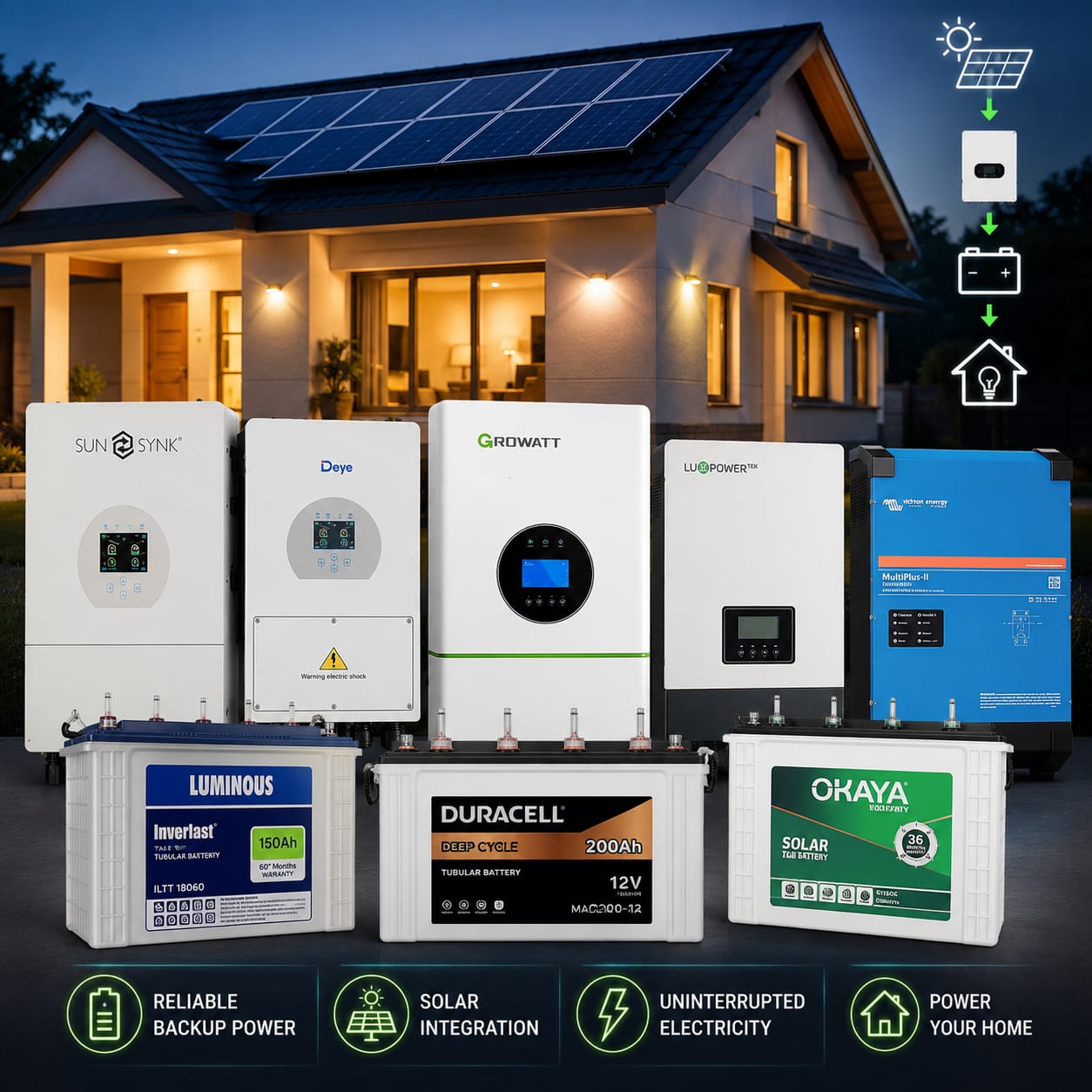
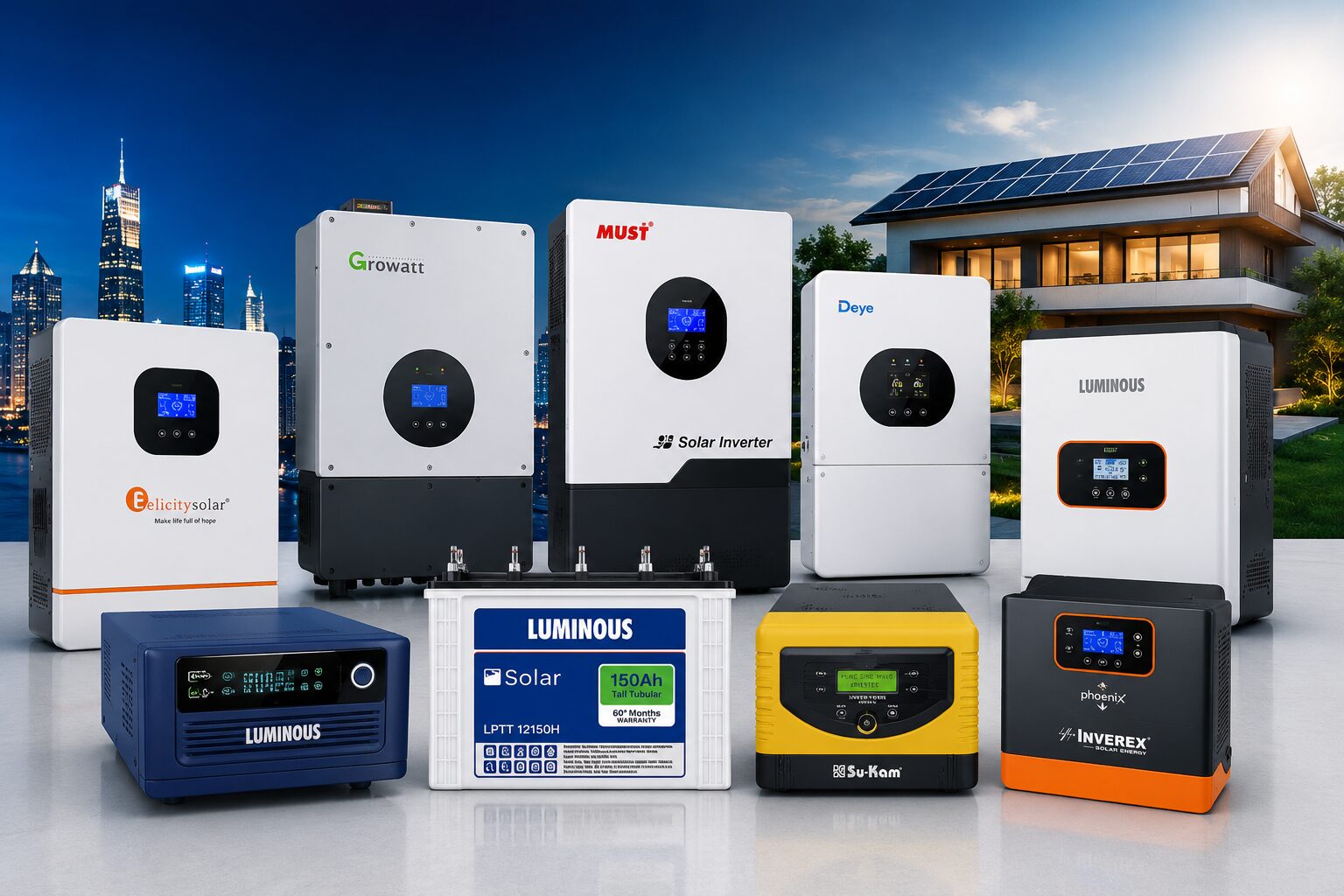
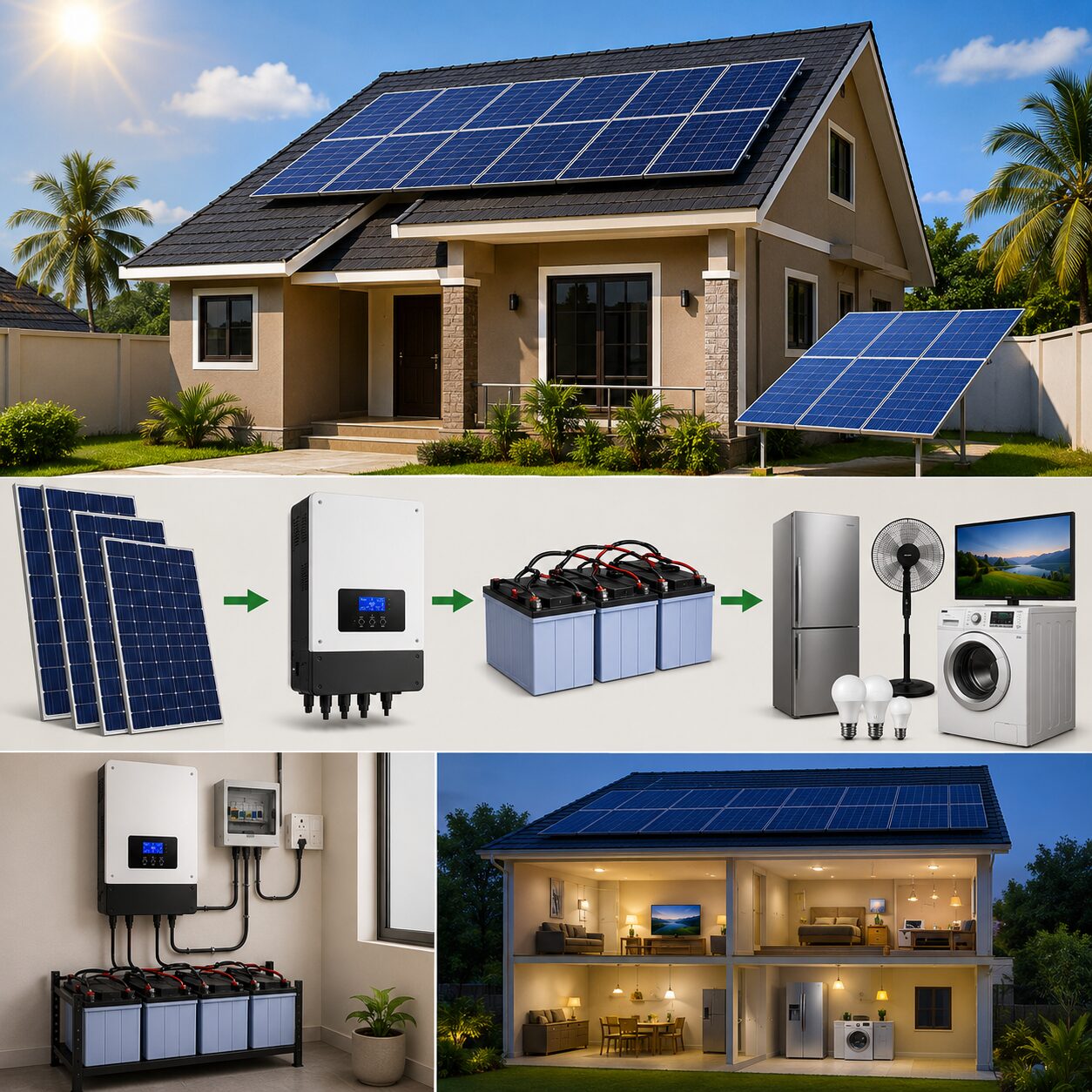
Inverter systems
Additionally, using surge protectors can help protect valuable electronics.
5. Compare Features Carefully
Many buyers focus solely on price while ignoring features.
Instead, compare products based on:
Performance
Connectivity options
Smart capabilities
Ease of use
Expandability
Consequently, you can choose a product that meets both current and future needs.
6. Research Brand Reputation
Brand reputation often reflects product reliability and customer support.
Before purchasing:
Read customer reviews
Check expert recommendations
Research after-sales support
Evaluate repair availability
Moreover, trusted brands usually offer better long-term value.
7. Examine After-Sales Support
Good after-sales service is extremely important.
Ask the seller:
Are spare parts available?
Is technical support accessible?
How quickly are repairs handled?
Are service centers nearby?
As a result, future maintenance becomes easier and less stressful.
8. Verify Storage and Space Requirements
Some home electronics require significant installation space.
For example:
Large refrigerators
Smart TVs
Home theater systems
Washing machines
Therefore, measure available space before purchasing to avoid fitting problems later.
9. Check Connectivity Options
Modern electronics often work best when connected to other devices.
Important connectivity features include:
Wi-Fi
Bluetooth
HDMI ports
USB ports
Smart home compatibility
Furthermore, having multiple connectivity options increases convenience and flexibility.
10. Compare Prices from Multiple Sellers
Finally, never buy from the first store you visit.
Instead:
Compare prices online
Visit different retailers
Watch for promotions
Verify product authenticity
Although cheaper products may seem attractive, quality and warranty coverage should remain top priorities.
Common Mistakes Buyers Should Avoid
Even experienced shoppers sometimes make costly errors.
Avoid these common mistakes:
Buying Based Only on Price
A lower price may indicate lower quality or limited support.
Ignoring Energy Consumption
High energy usage can increase operating costs significantly.
Overlooking Warranty Terms
A product without proper warranty coverage carries more risk.
Failing to Research Reviews
Customer feedback often reveals strengths and weaknesses that advertisements may not mention.
Choosing Incompatible Products
Always ensure devices work with your home’s electrical setup and existing systems.
Benefits of Following a Home Electronics Buying Guide
Using a reliable home electronics buying guide Nigeria offers several advantages:
Better purchasing decisions
Reduced maintenance costs
Improved product lifespan
Higher energy efficiency
Greater customer satisfaction
Consequently, buyers enjoy better value and fewer frustrations after purchase.
Best Electronics Categories to Research Carefully
Some products deserve extra attention before buying.
These include:
Smart TVs
Compare screen size, resolution, operating system, and connectivity options.
Refrigerators
Evaluate energy efficiency, storage capacity, and cooling performance.
Home Theater Systems
Consider sound quality, speaker configuration, and compatibility.
Air Conditioners
Check cooling capacity, inverter technology, and energy consumption.
Smart Home Devices
Ensure compatibility with your preferred ecosystem and existing devices.
Conclusion
Following this home electronics buying guide Nigeria can help you make smarter purchasing decisions and avoid expensive mistakes. From checking product quality and warranty coverage to evaluating energy efficiency and after-sales support, every factor plays a role in selecting the right electronics for your home. Moreover, careful research and comparison shopping can help you maximize value while ensuring long-term satisfaction. By considering these ten important factors, you can confidently invest in electronics that deliver performance, durability, and convenience for years to come.










 Get it on
  Download on the