






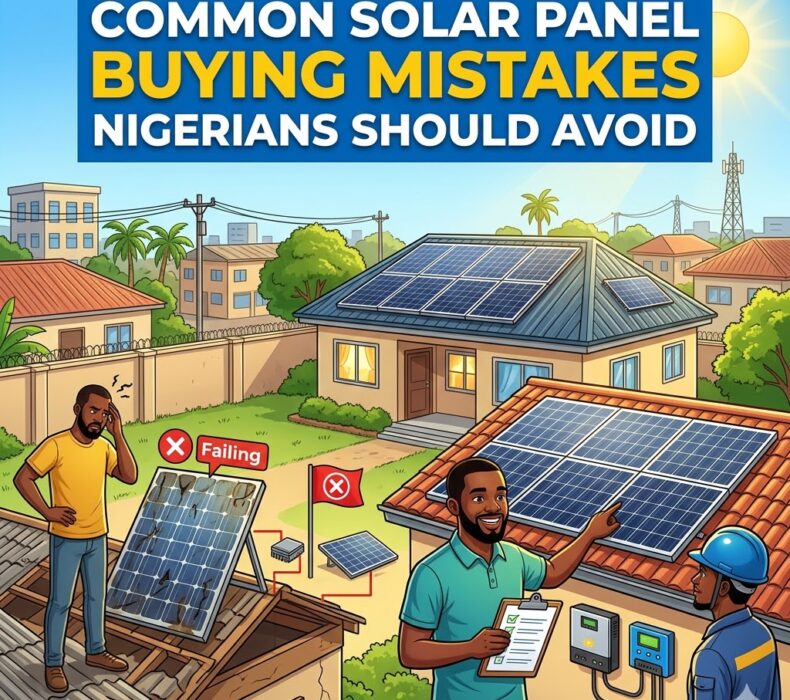
Solar energy is becoming increasingly popular across Nigeria due to rising electricity costs and frequent power outages. However, many buyers make costly mistakes during the purchasing process. Understanding Common Solar Panel Buying Mistakes Nigerians Should Avoid can help homeowners and businesses make smarter decisions, protect their investments, and enjoy reliable power for many years.
Why Proper Solar Planning Matters
Investing in solar energy is a long-term commitment. Therefore, every component should be selected carefully.
A properly designed solar system provides:
- Reliable electricity
- Lower energy costs
- Improved efficiency
- Long-term savings
- Better return on investment
Without adequate planning, buyers may end up with a system that does not meet their energy needs.
Mistake 1: Buying Based on Price Alone
Many people focus only on finding the cheapest solar panels available.
While saving money is important, extremely low-priced products often come with compromises in quality and durability. Consequently, these panels may produce less energy and require replacement sooner.
Instead, evaluate the overall value of the system. Consider efficiency, warranty coverage, and long-term performance before making a purchase.
Mistake 2: Ignoring Energy Consumption Requirements
One of the most common mistakes is purchasing a system without understanding household energy usage.
Before buying solar equipment, calculate:
- Daily electricity consumption
- Appliances to be powered
- Expected future energy needs
- Backup requirements
This information helps determine the correct solar panel capacity and battery size.
As a result, the system can perform effectively without unnecessary strain.
Mistake 3: Choosing Low-Quality Solar Panels
Not all solar panels offer the same level of quality.
Some buyers select panels from unknown manufacturers without verifying certifications or performance records. Unfortunately, low-quality panels may degrade quickly and produce less electricity over time.
For this reason, choose reputable brands that offer strong warranties and proven reliability.
Mistake 4: Overlooking Battery Quality
Solar panels generate electricity during the day, but batteries store energy for later use.
Many buyers spend significant amounts on solar panels while neglecting battery quality. However, poor batteries can limit overall system performance.
A high-quality battery typically provides:
- Longer lifespan
- Better efficiency
- Improved reliability
- Enhanced backup power
Therefore, battery selection should receive the same attention as solar panel selection.
Mistake 5: Selecting the Wrong Inverter
The inverter is one of the most important components of any solar system.
Its job is to convert solar-generated power into usable electricity for household appliances.
Choosing an undersized or incompatible inverter can cause performance issues. Consequently, some appliances may not operate correctly.
Always ensure the inverter matches the system’s power requirements.
Mistake 6: Ignoring Product Warranties
Warranties provide protection against manufacturing defects and performance issues.
Unfortunately, some buyers overlook warranty terms during the purchasing process.
A reliable solar panel should include:
Product Warranty
Protection against manufacturing defects.
Performance Warranty
Guaranteed power output over a specified period.
Long warranty coverage often indicates greater manufacturer confidence in product quality.
Mistake 7: Choosing Unqualified Suppliers
The supplier you choose plays a major role in the success of your solar project.
Some suppliers offer attractive prices but provide limited technical support and poor-quality products.
Before making a purchase:
- Check customer reviews
- Verify industry experience
- Confirm product certifications
- Request project references
Working with a trusted supplier reduces the risk of costly mistakes.
Mistake 8: Failing to Consider Future Expansion
Energy needs often increase over time.
For example, a homeowner may later add air conditioners, refrigerators, or additional appliances.
If future growth is not considered during system design, expensive upgrades may become necessary.
Planning ahead allows for easier expansion and better long-term value.
Mistake 9: Ignoring Installation Quality
Even the best solar equipment can perform poorly if installed incorrectly.
Improper installation may lead to:
- Reduced efficiency
- Safety concerns
- Equipment damage
- Lower energy production
Therefore, always work with qualified installation professionals who understand solar system requirements.
Mistake 10: Not Comparing Multiple Options
Some buyers purchase the first system they encounter.
However, comparing several suppliers and product options often leads to better outcomes.
Take time to evaluate:
- Pricing
- Product specifications
- Warranty coverage
- Customer support
- Installation services
A careful comparison helps identify the best solution for your budget and energy goals.
Mistake 11: Overlooking Local Climate Conditions
Nigeria experiences high temperatures and intense sunlight throughout much of the year.
Certain solar technologies perform better in these conditions than others.
As a result, buyers should select equipment designed to operate efficiently in local environmental conditions.
This approach helps maximize energy production and system lifespan.
Why These Mistakes Are Common in Nigeria
Nigeria’s growing solar market offers many opportunities. However, it also presents challenges for inexperienced buyers.
The increasing number of suppliers and products can make decision-making difficult. Furthermore, unreliable electricity supply often creates urgency, causing some buyers to make rushed choices.
Taking time to research options can help avoid costly errors and improve long-term satisfaction.
Tips for Making the Right Solar Purchase
To improve your chances of success:
- Assess your energy needs accurately
- Purchase certified products
- Select quality batteries and inverters
- Compare multiple suppliers
- Review warranties carefully
- Use experienced installers
- Plan for future expansion
Following these steps can help maximize the value of your solar investment.
Conclusion
Understanding Common Solar Panel Buying Mistakes Nigerians Should Avoid can save homeowners and businesses from costly errors. Choosing quality equipment, working with reputable suppliers, sizing systems correctly, and planning for future needs are all essential for success.

 Get it on
  Download on the