






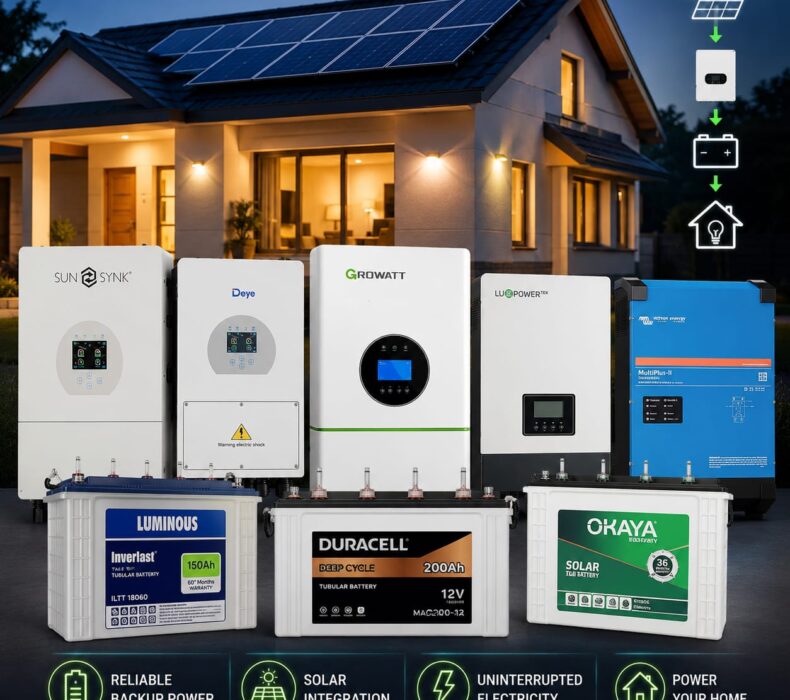
With frequent power outages affecting homes and businesses across the country, many Nigerians are turning to alternative energy solutions. Among the most effective options available today are inverters. Choosing the best inverters in Nigeria can provide reliable backup power, reduce dependence on generators, and improve overall comfort during blackouts. Whether you need power for lighting, televisions, refrigerators, computers, or other household appliances, a quality inverter system can keep your home running smoothly.
Moreover, modern inverters are quieter, cleaner, and more energy-efficient than traditional generators, making them an increasingly popular choice for homeowners.
Why Inverters Are Popular in Nigeria
Nigeria’s inconsistent electricity supply has created a growing demand for dependable backup power systems. Consequently, inverters have become essential household investments.
Some key benefits include:
- Silent operation
- Lower running costs
- No fuel expenses
- Environmentally friendly performance
- Automatic switching during outages
- Compatibility with solar power systems
Therefore, investing in a quality inverter can provide long-term convenience and savings.
What Makes an Inverter Reliable?
Before exploring the best options, it is important to understand the features that define a reliable inverter.
Power Capacity
The inverter should be capable of handling your household’s power requirements.
For example:
- 1kVA to 2kVA for basic appliances
- 3kVA to 5kVA for medium-sized homes
- 5kVA and above for larger households
As a result, selecting the correct capacity prevents system overload.
Pure Sine Wave Output
Pure sine wave inverters provide cleaner electricity and better protection for sensitive electronics.
These include:
- Smart TVs
- Computers
- Refrigerators
- Home theater systems
- Gaming consoles
Therefore, pure sine wave models are generally recommended.
Battery Compatibility
A good inverter should support high-quality batteries for longer backup time.
Additionally, battery performance significantly affects the overall efficiency of the system.
Best Inverters in Nigeria for Home Backup Power
1. 1.5kVA Pure Sine Wave Inverter
This capacity is ideal for small apartments and households with moderate power needs.
Suitable appliances include:
- LED lights
- Fans
- Televisions
- Internet routers
- Decoders
Furthermore, these systems are affordable and energy efficient.
2. 2.5kVA Pure Sine Wave Inverter
This model offers additional capacity for growing families.
It can comfortably power:
- Multiple televisions
- Refrigerators
- Laptops
- Lighting systems
- Small home office equipment
Consequently, it remains one of the most popular options among Nigerian homeowners.
3. 3.5kVA Inverter System
For medium-sized homes, a 3.5kVA inverter provides excellent performance.
Benefits include:
- Longer backup duration
- Higher appliance support
- Better energy management
Moreover, it can accommodate increased power demands without compromising efficiency.
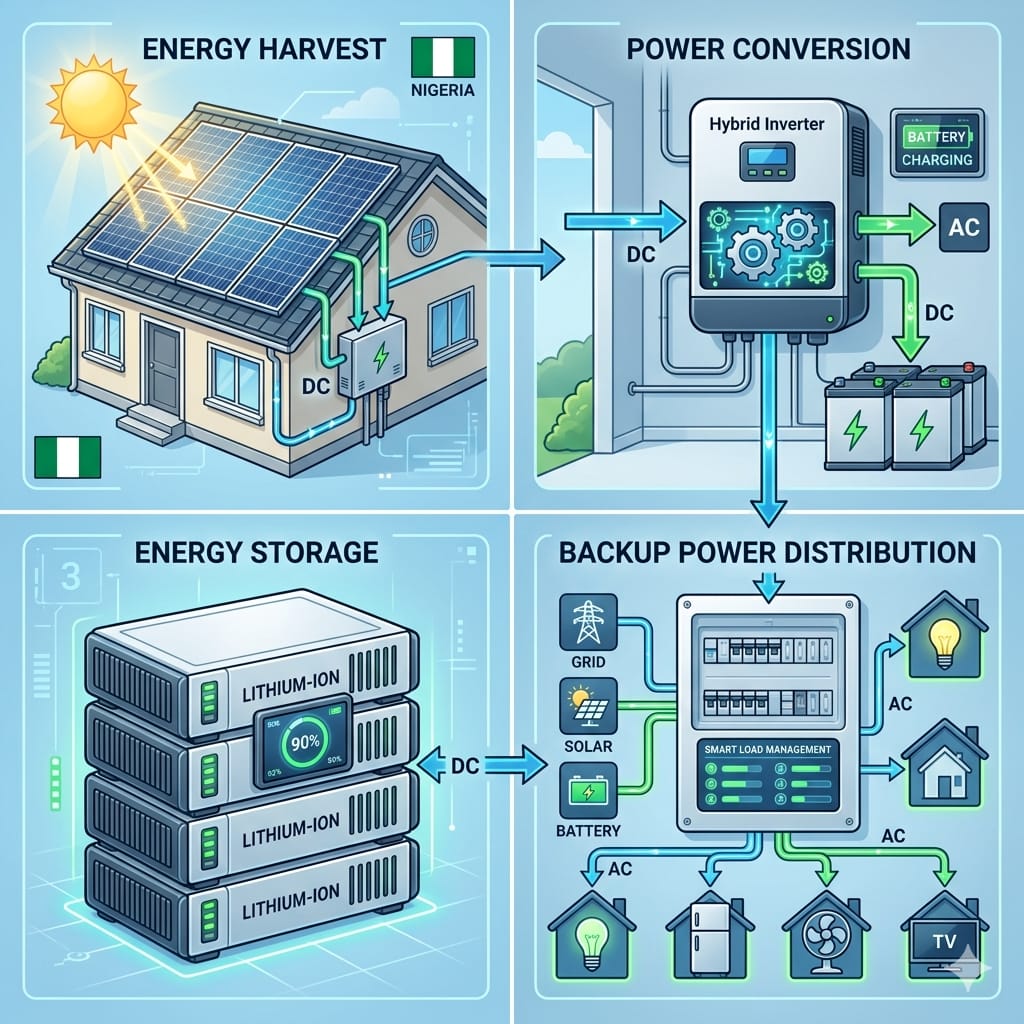
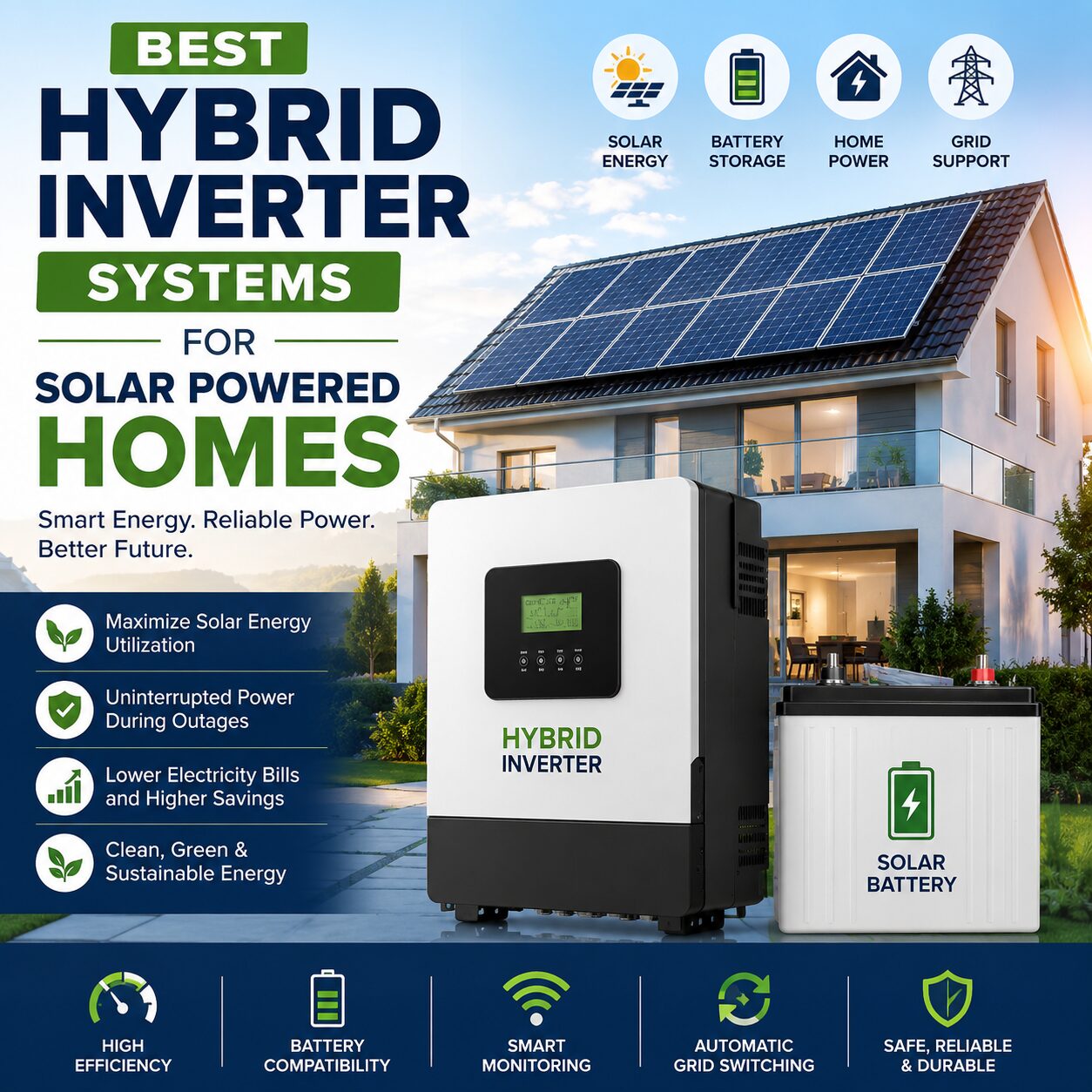
4. 5kVA Hybrid Inverter
Hybrid inverters combine battery backup and solar charging capabilities.
Advantages include:
- Reduced electricity bills
- Solar compatibility
- Greater energy independence
- Improved long-term savings
As solar adoption grows, hybrid systems continue to gain popularity.
5. 10kVA High-Capacity Inverter
Large homes and small businesses often require more powerful solutions.
A 10kVA inverter can support:
- Multiple air conditioners
- Refrigerators
- Entertainment systems
- Office equipment
- Security systems
Therefore, it is ideal for users with significant power requirements.
How to Choose the Best Inverter for Your Home
Selecting the best inverters in Nigeria depends on several important factors.
Calculate Your Energy Needs
First, determine the total wattage of appliances you plan to power.
Common household devices include:
- LED TV
- Refrigerator
- Fans
- Lighting
- Laptops
- Routers
Afterward, choose an inverter with sufficient capacity.
Consider Battery Backup Time
Battery backup duration depends on:
- Battery size
- Appliance load
- Inverter efficiency
Consequently, larger battery banks provide longer operating times.
Think About Future Expansion
Many homeowners eventually add more appliances or solar panels.
Therefore, choosing a scalable inverter system can save money in the long run.
Benefits of Installing an Inverter System
Quiet Operation
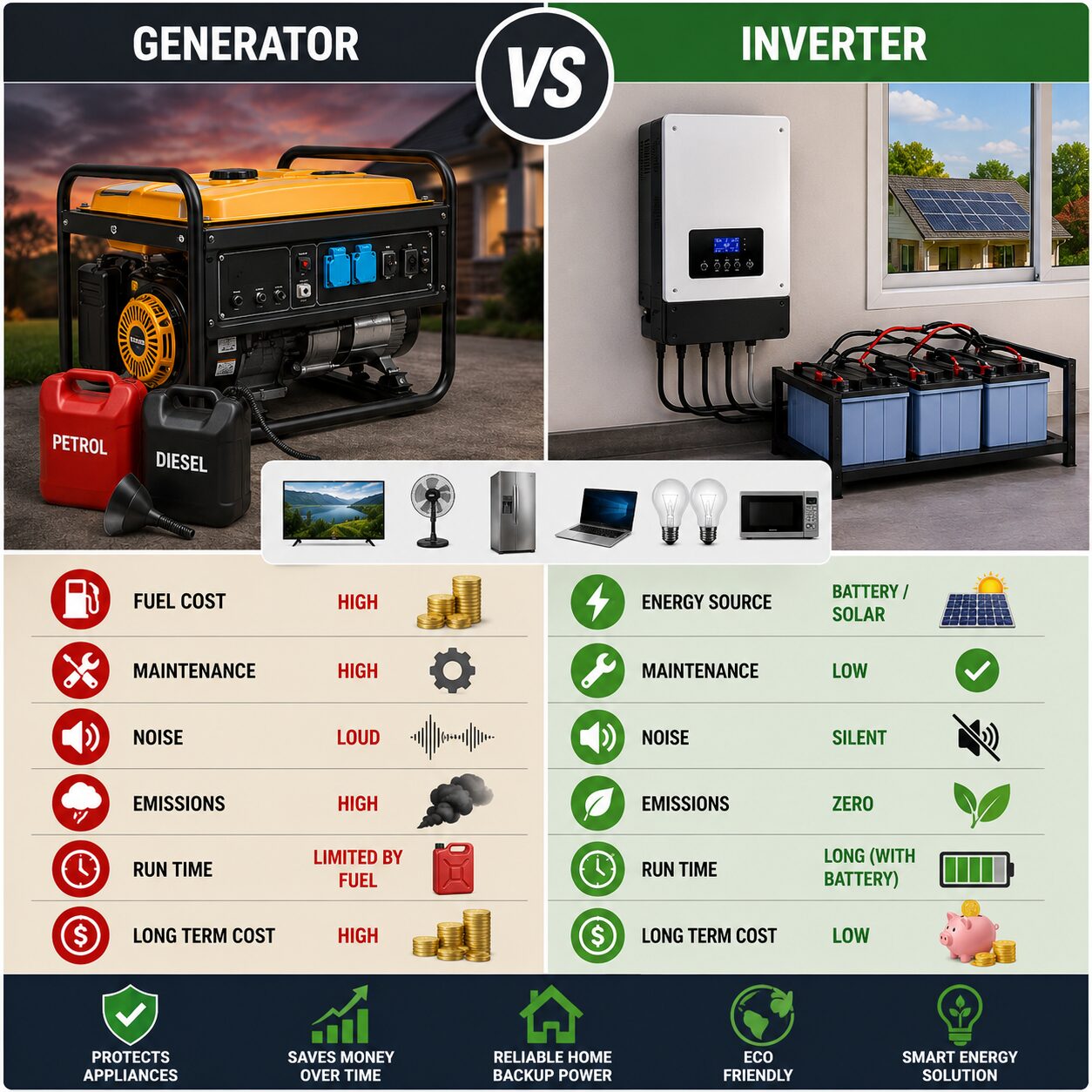
Unlike generators, inverters operate silently.
As a result, households enjoy a more peaceful environment.
Lower Operating Costs
Since inverters do not require fuel, daily running expenses are significantly reduced.
Furthermore, maintenance requirements are generally lower.
Better Protection for Electronics
Pure sine wave inverters deliver stable power.
Therefore, sensitive devices experience fewer electrical problems.
Environmentally Friendly
Inverters produce no direct emissions during operation.
Consequently, they represent a cleaner energy solution for modern homes.
Common Mistakes to Avoid
When purchasing an inverter, avoid these common errors:
Choosing Based Only on Price
Cheaper systems may lack quality components and long-term reliability.
Ignoring Battery Quality
Even the best inverter performs poorly with low-quality batteries.
Underestimating Power Requirements
Selecting an undersized inverter can result in overloads and reduced performance.
Neglecting Professional Installation
Proper installation improves safety and maximizes system efficiency.
Solar and Inverter Systems: A Perfect Combination
Many Nigerian households now combine solar panels with inverter systems.
This setup offers:
- Extended backup power
- Lower electricity costs
- Greater energy independence
- Reduced reliance on the national grid
Moreover, solar-powered inverter systems can continue generating electricity during daylight hours.
Conclusion
Investing in the best inverters in Nigeria is one of the smartest ways to ensure reliable backup power for your home. Whether you choose a compact 1.5kVA system or a larger hybrid inverter with solar integration, the right solution can improve comfort, reduce fuel expenses, and protect valuable electronics. Additionally, careful consideration of power requirements, battery capacity, and future energy needs will help you select an inverter system that delivers dependable performance for years to come.


 Get it on
  Download on the