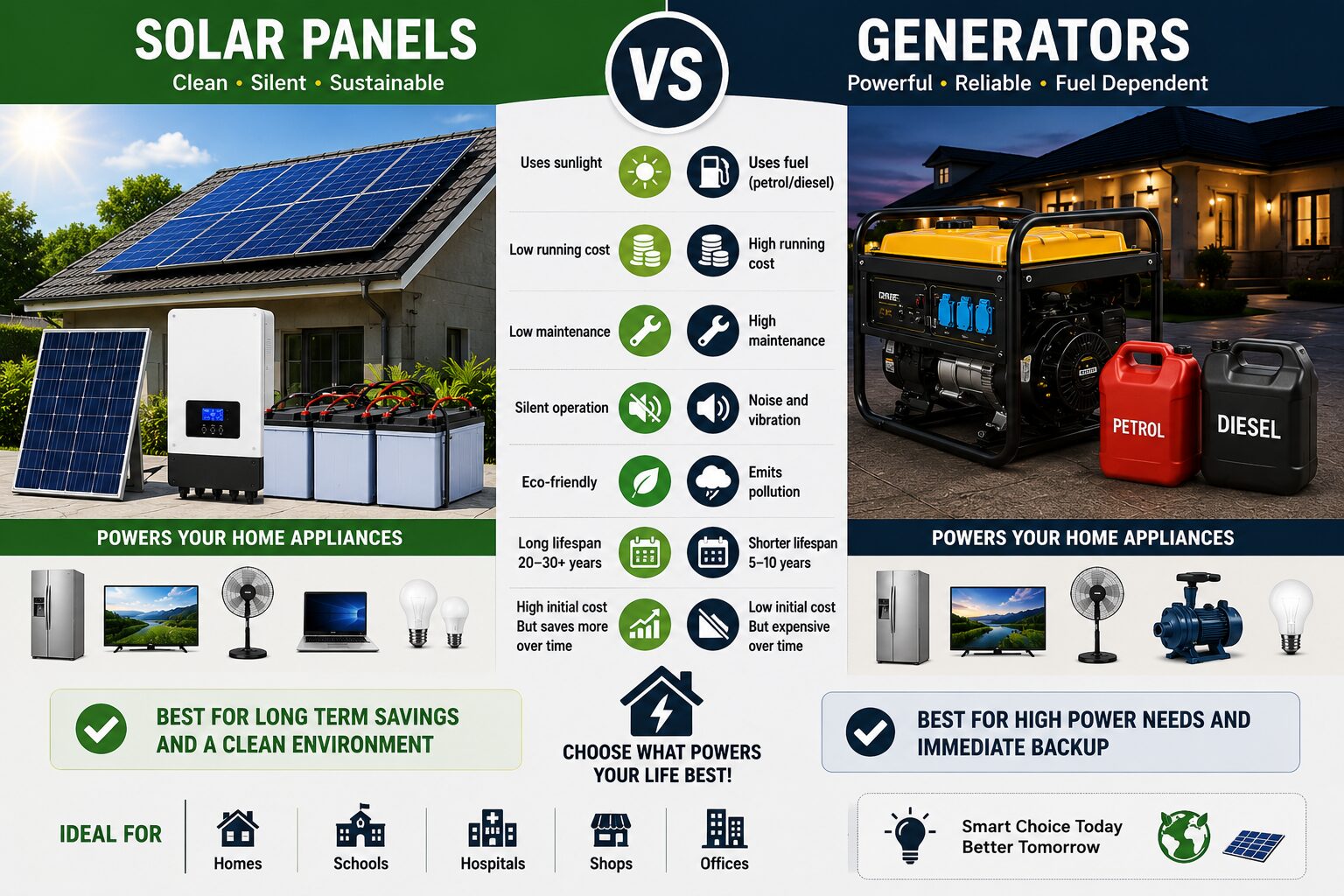
Reliable electricity is essential for modern living, yet many homes still experience frequent power interruptions. This Home Power Backup Guide explains how combining solar panels, inverters, and batteries can create an efficient and dependable energy solution. By integrating these components properly, homeowners can enjoy uninterrupted power, reduce generator dependence, and lower long-term energy costs.
Moreover, a well-designed backup power system provides greater comfort, convenience, and energy independence throughout the year.
Why You Need a Home Power Backup System
Power outages can affect daily activities, work productivity, security, and household comfort.
Therefore, a reliable backup power solution helps homeowners:
Maintain uninterrupted electricity
Protect sensitive electronics
Reduce fuel expenses
Improve energy security
Increase property value
Furthermore, combining renewable energy with battery storage provides long-term financial benefits.
Understanding the Main Components
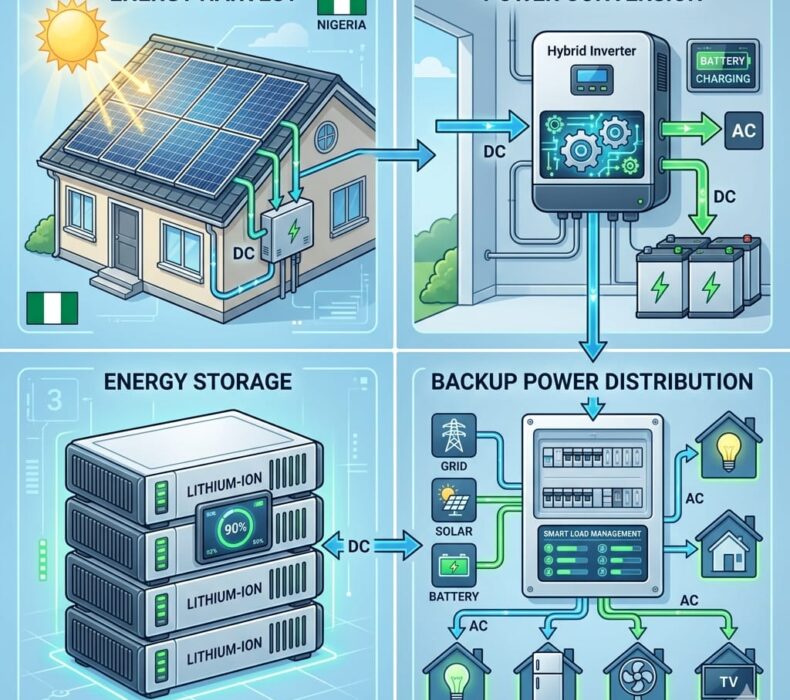
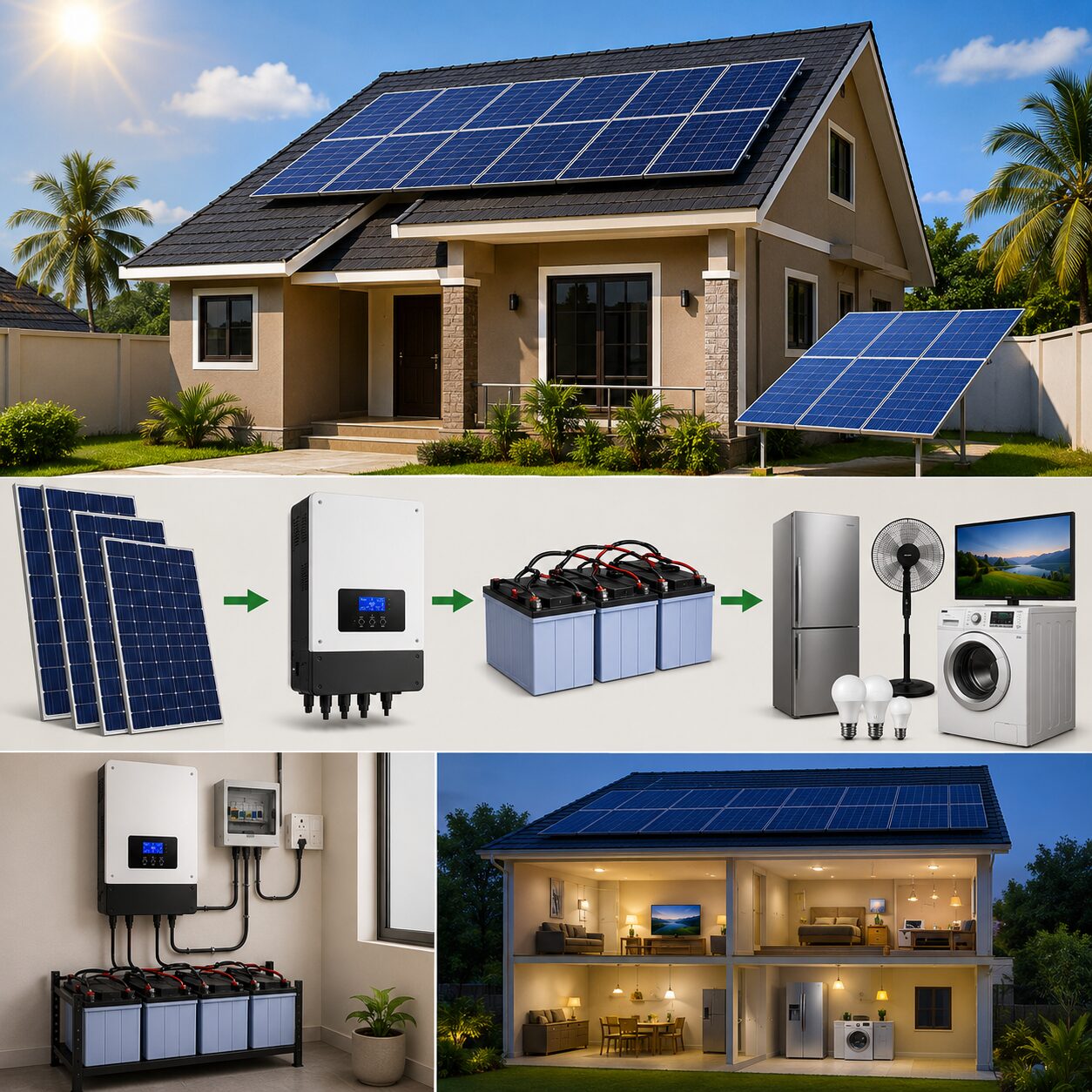
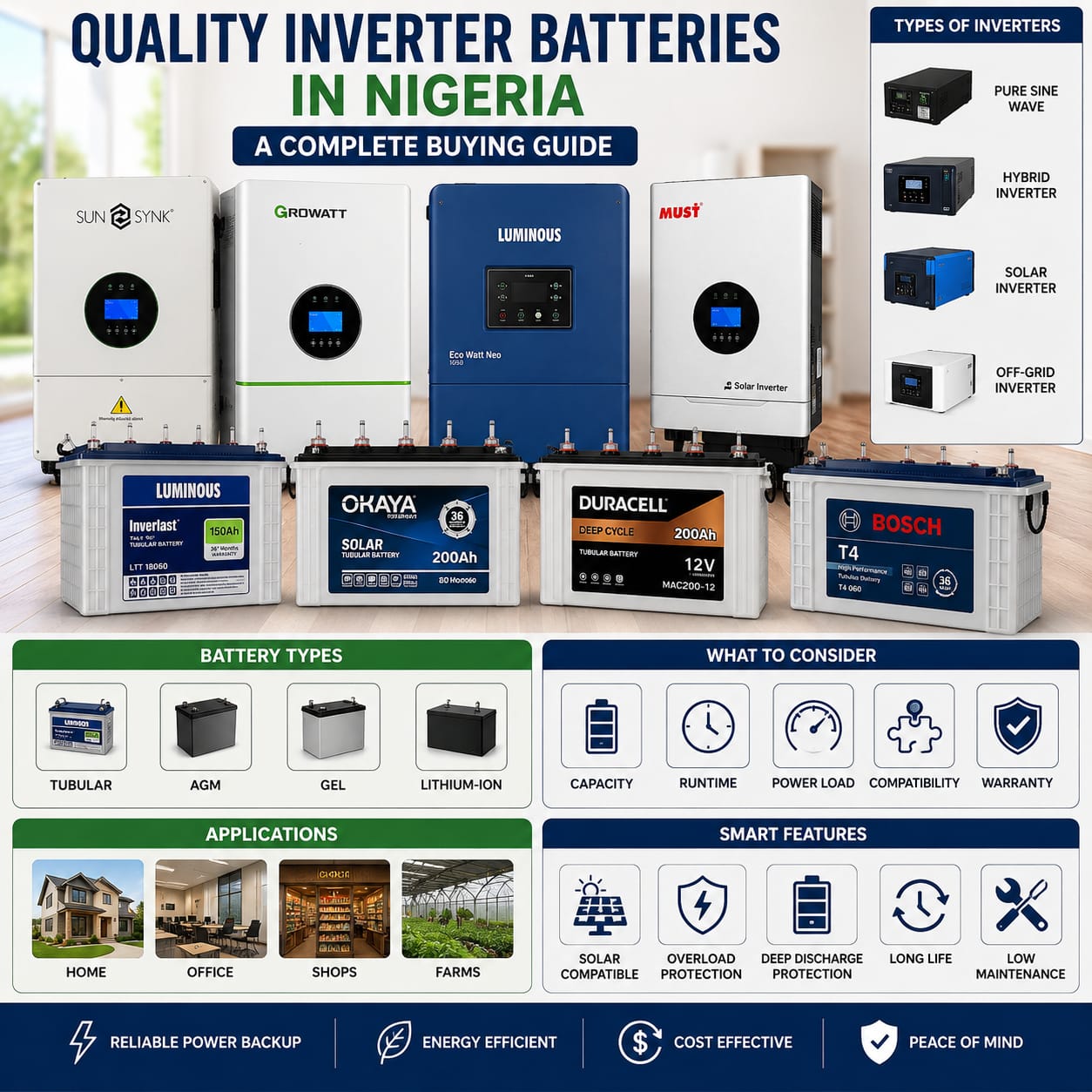
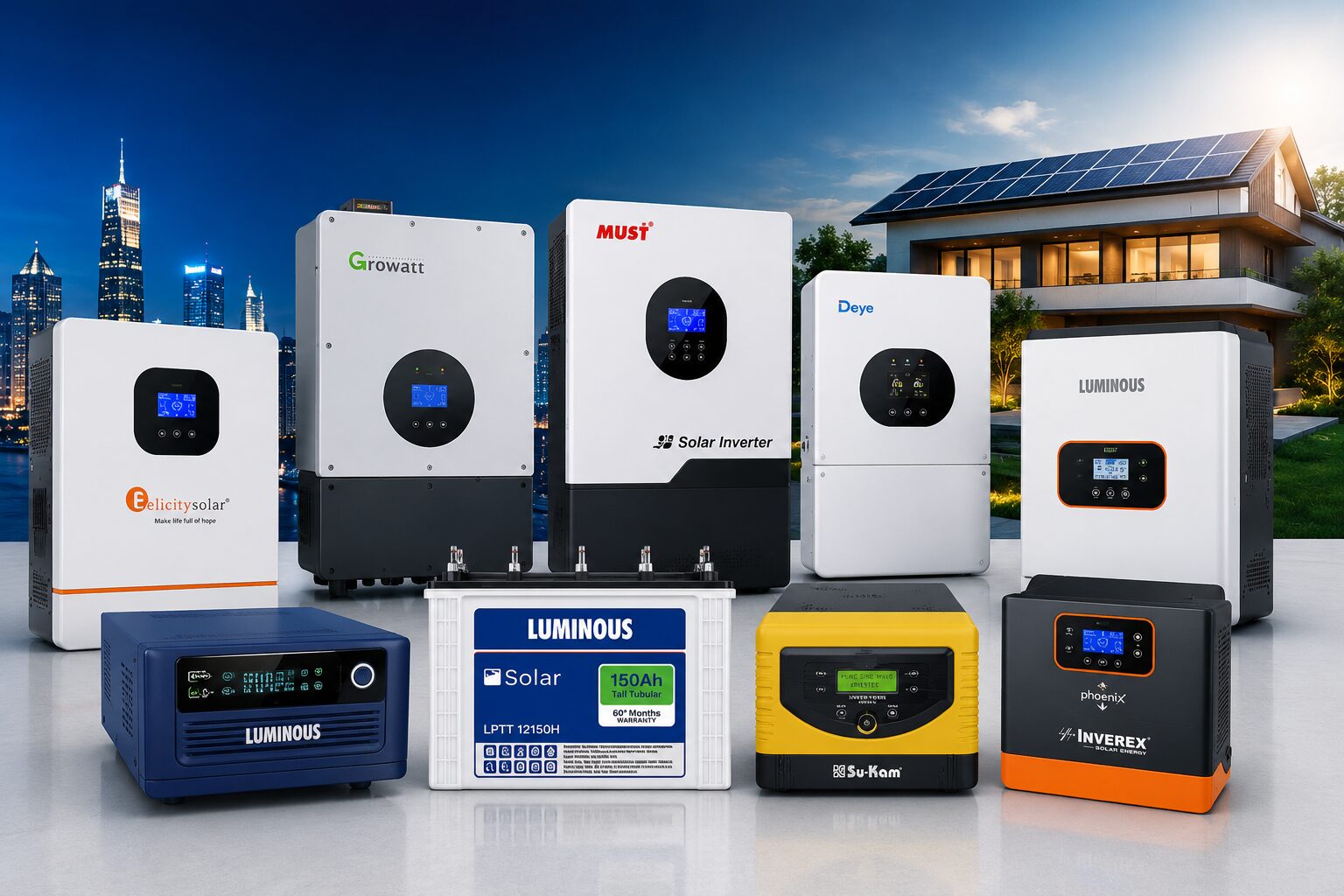
A complete backup power solution typically consists of three key components:
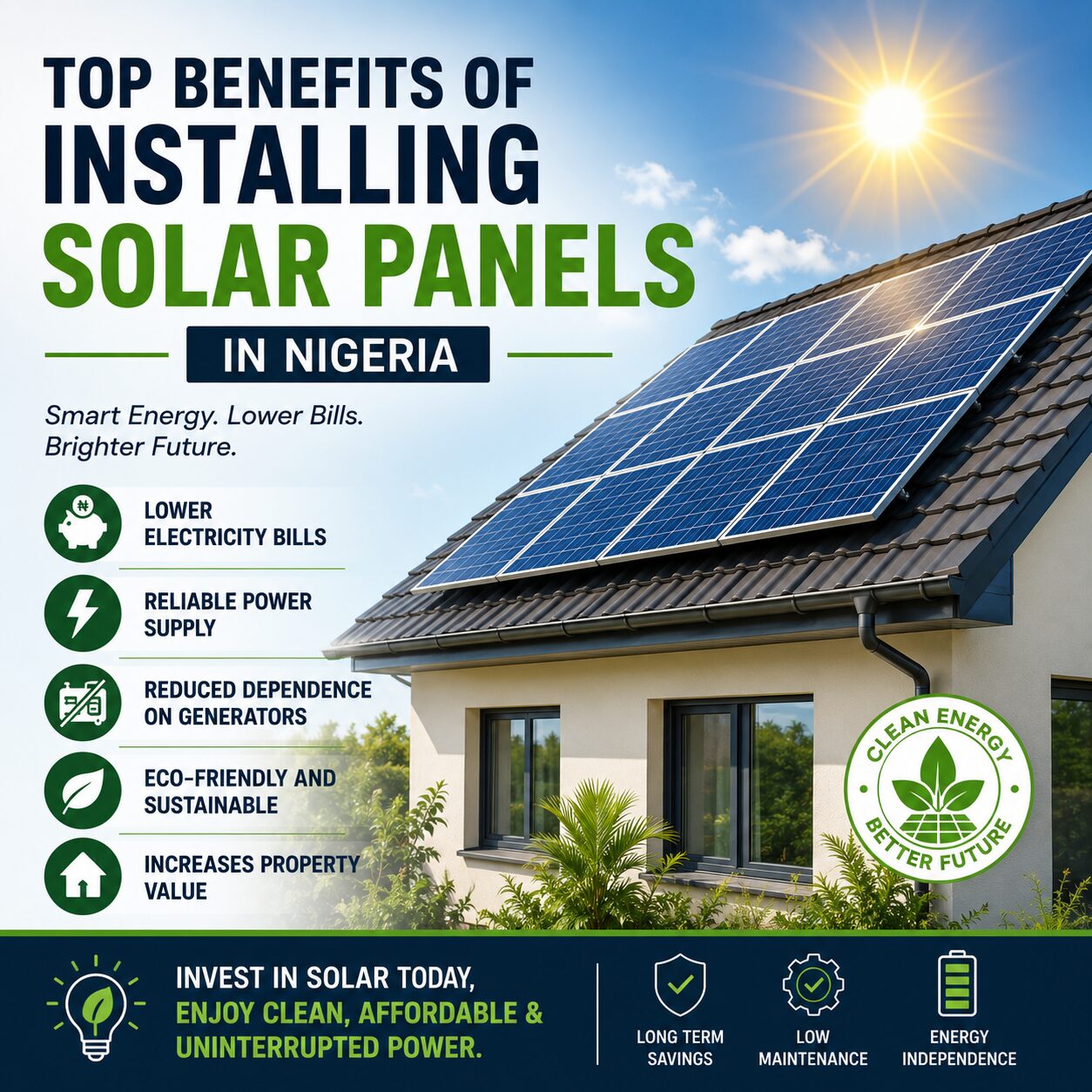
Solar Panels
Solar panels collect sunlight and convert it into electricity.
Benefits include:
Renewable energy generation
Reduced electricity bills
Low maintenance requirements
Environmentally friendly operation
As a result, solar panels form the foundation of many modern backup systems.
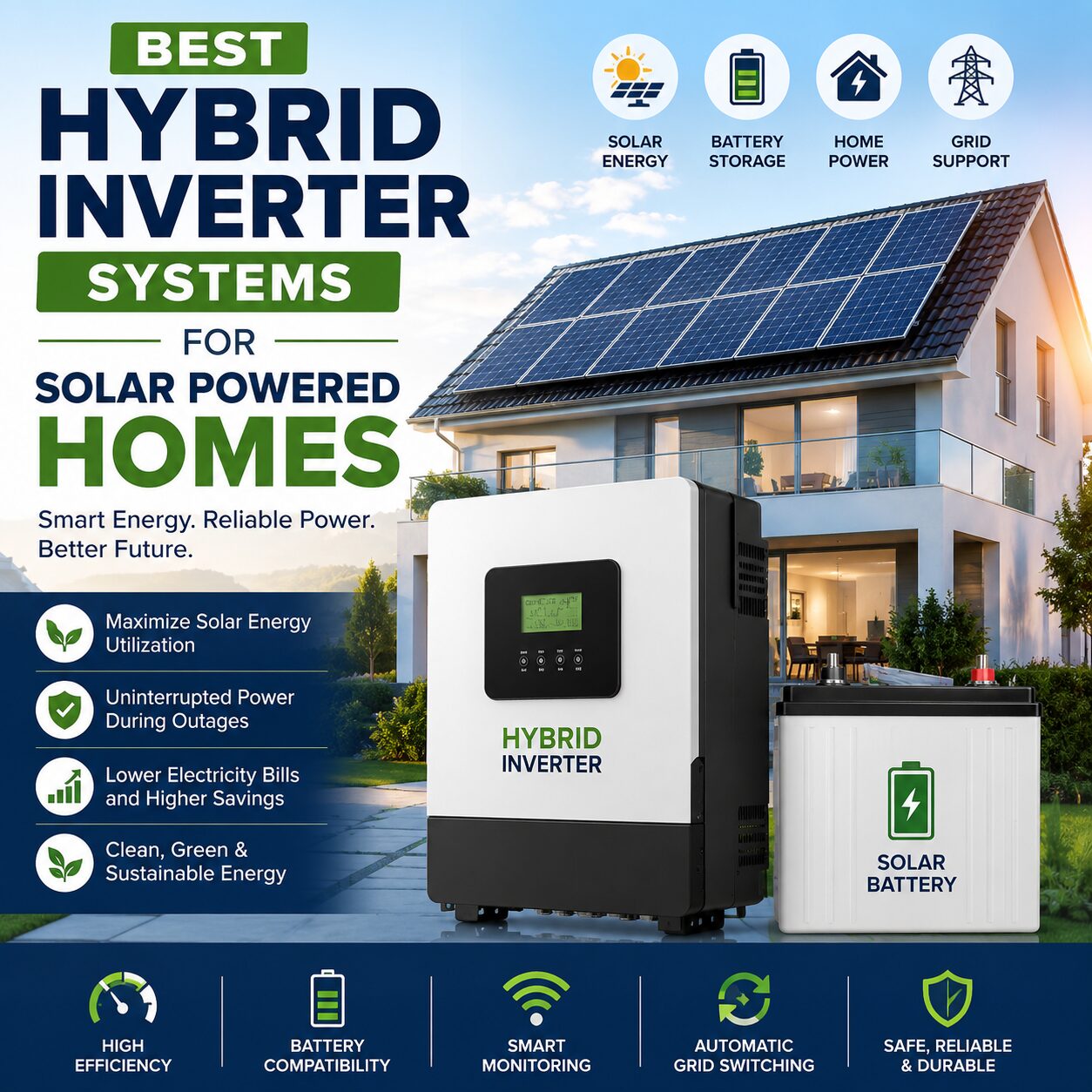
Inverters
An inverter converts stored DC power into AC electricity that household appliances can use.
Functions include:
Power conversion
Automatic switching during outages
Appliance protection
Energy management
Consequently, the inverter serves as the control center of the system.
Batteries
Batteries store excess energy generated by solar panels.
Advantages include:
Backup power at night
Electricity during cloudy weather
Reduced grid dependence
Stable power supply
Therefore, battery storage ensures electricity remains available when solar production decreases.
How the System Works Together
One of the most important parts of this Home Power Backup Guide is understanding how these components interact.
During Daylight Hours
Solar panels generate electricity from sunlight.
The generated power can:
Supply household appliances directly
Charge batteries
Reduce grid electricity usage
As a result, energy costs decrease significantly.
During Power Outages
When grid electricity fails:
Batteries provide stored energy.
The inverter converts battery power into usable electricity.
Although lithium batteries cost more initially, they often deliver superior long-term value.
Factors to Consider Before Installation
Before implementing the recommendations in this Home Power Backup Guide, evaluate several important factors.
Energy Consumption
Calculate the wattage of appliances you intend to power.
Roof Space
Ensure sufficient sunlight exposure for solar panel installation.
Budget
Determine whether you prefer:
Basic backup power
Partial home coverage
Full-house energy independence
Future Expansion
Select a system that can accommodate future energy demands.
Consequently, upgrades become easier and more cost-effective.
Long-Term Financial Benefits
Although installation requires an upfront investment, the financial rewards can be substantial.
Homeowners often experience:
Lower electricity bills
Reduced generator costs
Increased property value
Improved energy security
As a result, many systems recover their costs over time through energy savings.
Conclusion
This Home Power Backup Guide demonstrates how combining solar panels, inverters, and batteries creates a reliable and cost-effective energy solution for modern homes. By selecting the right components, sizing the system correctly, and ensuring professional installation, homeowners can enjoy uninterrupted electricity, reduced operating costs, and greater energy independence. Furthermore, integrating solar energy with battery storage helps protect against rising fuel prices and unreliable grid power, making it one of the smartest investments for long-term household comfort and sustainability.









 Get it on
  Download on the