






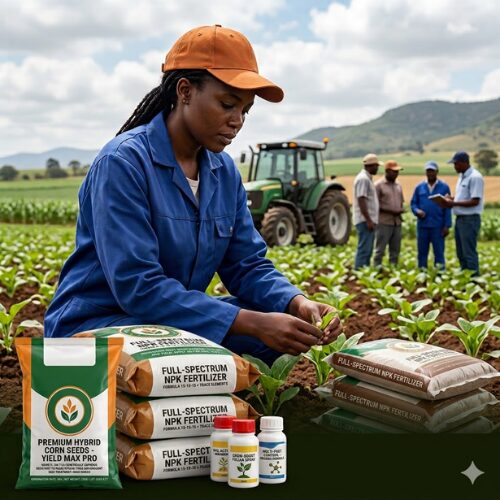
Buying Agricultural Inputs is one of the most important decisions farmers make each planting season. The quality of seeds, fertilizers, pesticides, and farm equipment directly affects crop performance, yields, and profitability. However, many farmers unknowingly make purchasing mistakes that lead to poor crop growth, financial losses, and reduced productivity.
By understanding these common errors and learning how to avoid them, farmers can make smarter investments and improve their chances of achieving successful harvests.
Why Agricultural Inputs Matter
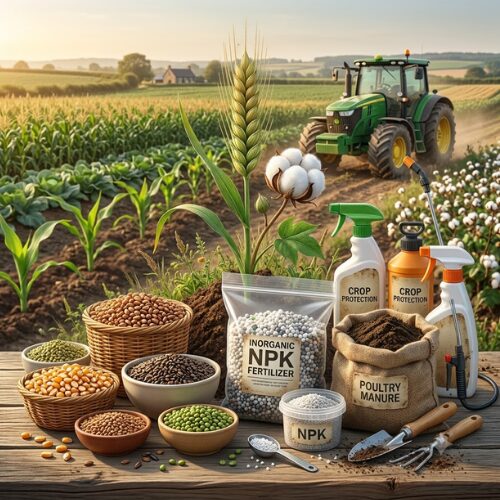
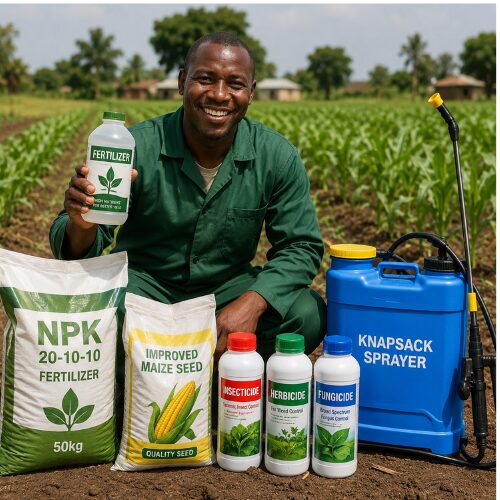
Agricultural inputs are the products and resources used to support crop production and farm operations. These include:
- Seeds
- Fertilizers
- Pesticides
- Herbicides
- Irrigation equipment
- Farm tools and machinery
Choosing the right inputs ensures healthy crop development, efficient farm management, and sustainable agricultural production.
Common Mistakes Farmers Make When Buying Agricultural Inputs
1. Purchasing Inputs Based Only on Price
One of the biggest mistakes farmers make is choosing the cheapest option available without considering quality.
While low prices may seem attractive, cheap products often result in:
- Poor germination rates
- Low crop yields
- Reduced effectiveness
- Increased production costs in the long run
Instead of focusing solely on cost, farmers should evaluate product quality, supplier reputation, and expected performance.
2. Buying Seeds Without Checking Quality
Seeds are the foundation of crop production. Purchasing poor-quality seeds can significantly affect farm productivity.
Common Problems
- Low germination rates
- Disease-infected seeds
- Poor genetic quality
- Reduced yield potential
Farmers should always purchase certified seeds from trusted suppliers and verify packaging information before planting.
3. Ignoring Soil Test Results
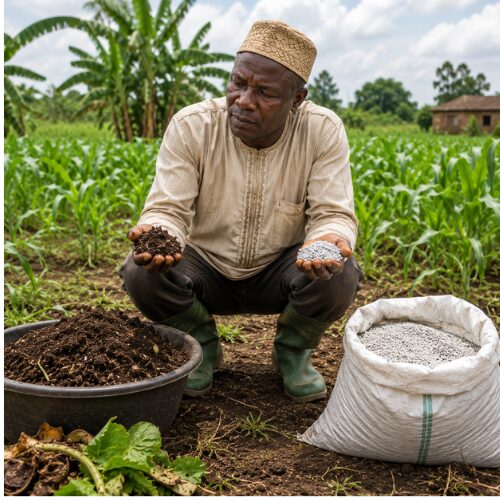
Many farmers apply fertilizers without understanding the nutrient status of their soil.
Why This Is a Problem
Different soils have different nutrient requirements. Applying the wrong fertilizer may:
- Waste money
- Reduce crop performance
- Cause nutrient imbalances
- Damage soil health
Before Buying Agricultural Inputs such as fertilizers, conducting a soil test helps determine the most appropriate nutrient requirements.
4. Purchasing Counterfeit or Unregistered Products
Counterfeit agricultural products are a growing challenge in many farming communities.
Risks of Fake Products
- Poor performance
- Crop damage
- Financial losses
- Health and environmental risks
Farmers should buy only from reputable agro-dealers and verify product authenticity whenever possible.
5. Choosing the Wrong Fertilizer
Not all fertilizers are suitable for every crop or soil condition.
Common Errors
- Applying fertilizer without soil analysis
- Using incorrect nutrient formulations
- Ignoring crop-specific requirements
Selecting the right fertilizer improves nutrient uptake and supports healthy crop development.
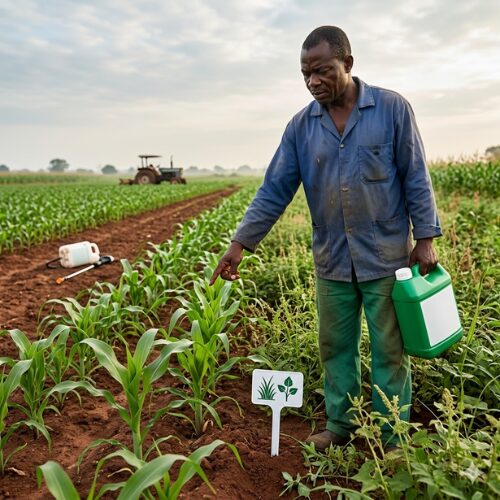
6. Buying Pesticides Without Understanding Their Purpose
Pesticides are designed to target specific pests, weeds, or diseases.
Common Mistakes
- Using insecticides for fungal diseases
- Applying herbicides incorrectly
- Selecting broad-spectrum products unnecessarily
Proper identification of the problem should always come before pesticide purchase.
7. Failing to Check Expiration Dates
Agricultural products have a limited shelf life.
Expired products may:
- Lose effectiveness
- Fail to control pests and diseases
- Reduce crop performance
Farmers should inspect manufacturing and expiration dates before purchasing any agricultural input.
8. Ignoring Product Labels and Instructions
Product labels contain valuable information about:
- Application rates
- Safety precautions
- Storage requirements
- Target crops and pests
Failing to read labels can lead to misuse and poor results.
9. Buying Excessive Quantities
Some farmers purchase more inputs than they need because of discounts or promotions.
Potential Problems
- Product expiration
- Storage challenges
- Increased financial burden
- Waste of resources
It is often more cost-effective to purchase quantities that match actual farm requirements.
10. Not Considering Climate and Environmental Conditions
Environmental factors influence the effectiveness of many agricultural inputs.
Examples
- Certain seed varieties perform better in specific climates.
- Some pesticides work best under particular weather conditions.
- Fertilizer requirements vary depending on rainfall and temperature.
Farmers should consider local environmental conditions when Buying Agricultural Inputs to maximize effectiveness.
11. Choosing Equipment Without Assessing Farm Needs
Agricultural equipment should match the scale and requirements of the farming operation.
Common Errors
- Purchasing oversized equipment
- Buying low-capacity tools for large farms
- Ignoring maintenance requirements
Proper assessment helps farmers invest in equipment that delivers value and efficiency.
How to Make Better Purchasing Decisions
Buy From Trusted Suppliers
Work with reputable agro-dealers and agricultural suppliers who offer genuine products and technical support.
Conduct Research
Compare products, read reviews, and seek professional advice before making major purchases.
Consult Agricultural Experts
Extension officers and agronomists can provide valuable recommendations based on crop and soil conditions.
Maintain Purchase Records
Keeping records helps farmers evaluate product performance and make informed decisions in future seasons.
Focus on Long-Term Value
Quality products often provide better returns than cheaper alternatives.
Benefits of Smart Agricultural Input Purchasing
Making informed decisions when Buying Agricultural Inputs provides several benefits:
- Improved crop yields
- Better pest and disease control
- Higher profitability
- Reduced production risks
- Efficient use of resources
- Enhanced sustainability
Careful input selection is a key factor in successful farming.
Best Practices for Buying Agricultural Inputs
To avoid costly mistakes:
- Purchase certified seeds.
- Conduct soil testing.
- Buy from trusted suppliers.
- Verify product authenticity.
- Read product labels carefully.
- Check expiration dates.
- Choose products suitable for your crops.
- Store inputs properly after purchase.
Following these practices helps maximize returns on investment and improve farm productivity.
Conclusion
Buying Agricultural Inputs is a critical aspect of modern farming that directly affects crop performance and profitability. Common mistakes such as purchasing low-quality products, ignoring soil tests, buying counterfeit inputs, and selecting the wrong pesticides can lead to disappointing results and financial losses.
By understanding these common pitfalls and adopting smart purchasing practices, farmers can make better decisions when Buying Agricultural Inputs. Investing in quality seeds, fertilizers, pesticides, and equipment ensures healthier crops, higher yields, and long-term agricultural success.



 Get it on
  Download on the