






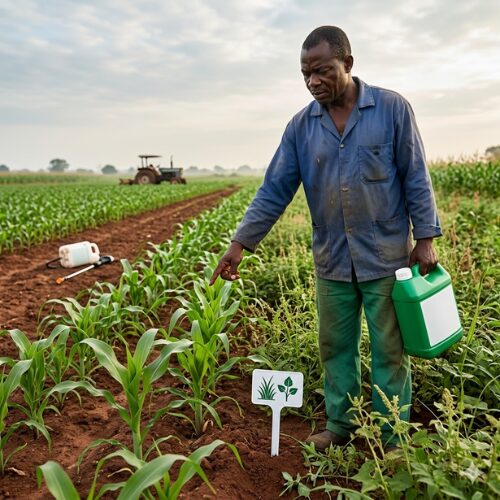
Weed control is one of the most important aspects of successful farming. Weeds compete with crops for nutrients, water, sunlight, and space, often reducing yields and profitability. Understanding How to Choose the Right Herbicide for Your Farm can help you achieve effective weed management, healthier crops, and improved farm productivity.
Why How to Choose the Right Herbicide for Your Farm Matters
Selecting the right herbicide is essential because different herbicides target different weed species. Some are designed for broadleaf weeds, while others work best on grasses or sedges. Choosing the wrong product can result in poor weed control, crop damage, and unnecessary expenses.
By learning How to Choose the Right Herbicide for Your Farm, you can make informed decisions that improve crop performance and reduce production costs.
For more farming solutions, visit our Agricultural Chemicals, Organic Fertilizers, and Crop Protection Products pages.
How to Choose the Right Herbicide for Your Farm Based on Weed Type
The first step is identifying the weeds present in your field.
Broadleaf Weeds
Broadleaf weeds have wider leaves and include species such as pigweed, purslane, and morning glory.
Grassy Weeds
Grassy weeds resemble grasses and include crabgrass, goosegrass, and foxtail.
Sedges
Sedges thrive in moist conditions and often require specialized herbicides for effective control.
Proper weed identification helps farmers select the most suitable herbicide for their specific weed problems.
Understanding Herbicide Types for Your Farm
Selective Herbicides
Selective herbicides target specific weeds while leaving crops unharmed. They are commonly used in maize, rice, vegetable farms, and lawns.
Non-Selective Herbicides
Non-selective herbicides kill most plants they contact and are often used for land clearing, pathways, and pre-planting weed control.
Understanding these categories is an important aspect of How to Choose the Right Herbicide for Your Farm.
How to Choose the Right Herbicide for Your Farm Using Pre-Emergence and Post-Emergence Products
Pre-Emergence Herbicides
These herbicides are applied before weeds germinate. They create a barrier that prevents weed seeds from developing.
Benefits include:
- Reduced weed competition
- Improved crop establishment
- Lower labor requirements
Post-Emergence Herbicides
These products are applied after weeds have emerged and are actively growing.
Benefits include:
- Direct weed targeting
- Flexible application timing
- Effective control of visible weeds
Choosing between these options depends on your crop stage and weed management goals.
Check Crop Compatibility Before Applying Herbicides
Not every herbicide is suitable for every crop. A herbicide that works well on maize may damage vegetables or ornamental plants.
Always read product labels carefully to ensure compatibility with your crops. This is a key part of How to Choose the Right Herbicide for Your Farm because crop safety should always come first.
Evaluate Environmental Conditions
Weather conditions can significantly affect herbicide performance.
Consider:
- Wind speed
- Rainfall forecasts
- Temperature
- Soil moisture
Avoid spraying during strong winds or before heavy rainfall to maximize effectiveness.
Prevent Herbicide Resistance
Repeated use of the same herbicide can cause weeds to develop resistance.
To reduce resistance:
- Rotate herbicides with different modes of action
- Combine chemical and cultural weed control methods
- Monitor fields regularly
- Follow recommended application rates
Follow Herbicide Safety Guidelines
Always wear protective clothing, gloves, and masks when handling herbicides. Follow label instructions and dispose of containers responsibly to protect people, animals, and the environment.
Conclusion
Effective weed control starts with understanding How to Choose the Right Herbicide for Your Farm. By identifying weeds, selecting the appropriate herbicide type, considering crop compatibility, and following proper application practices, farmers can improve crop health, increase yields, and support sustainable agricultural production.



 Get it on
  Download on the