






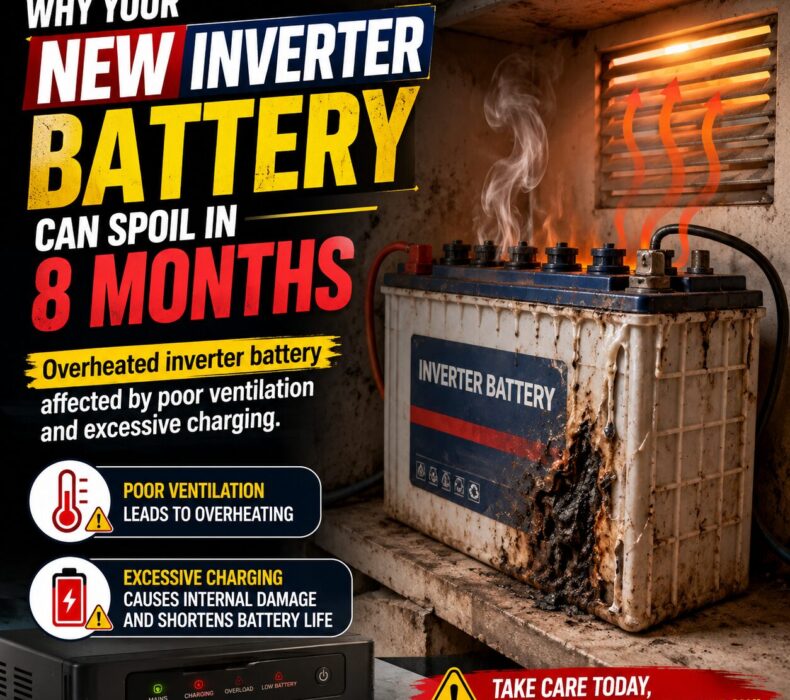
Many inverter owners are surprised when a recently purchased battery begins to fail unexpectedly. Understanding why your new inverter battery can spoil in 8 months is important because battery replacement can be expensive and inconvenient. Although most quality inverter batteries are designed to last several years, poor maintenance, improper charging, environmental conditions, and installation mistakes can significantly reduce their lifespan.
Should a New Inverter Battery Spoil in 8 Months?
Under normal conditions, a quality inverter battery should not fail within eight months.
Typically:
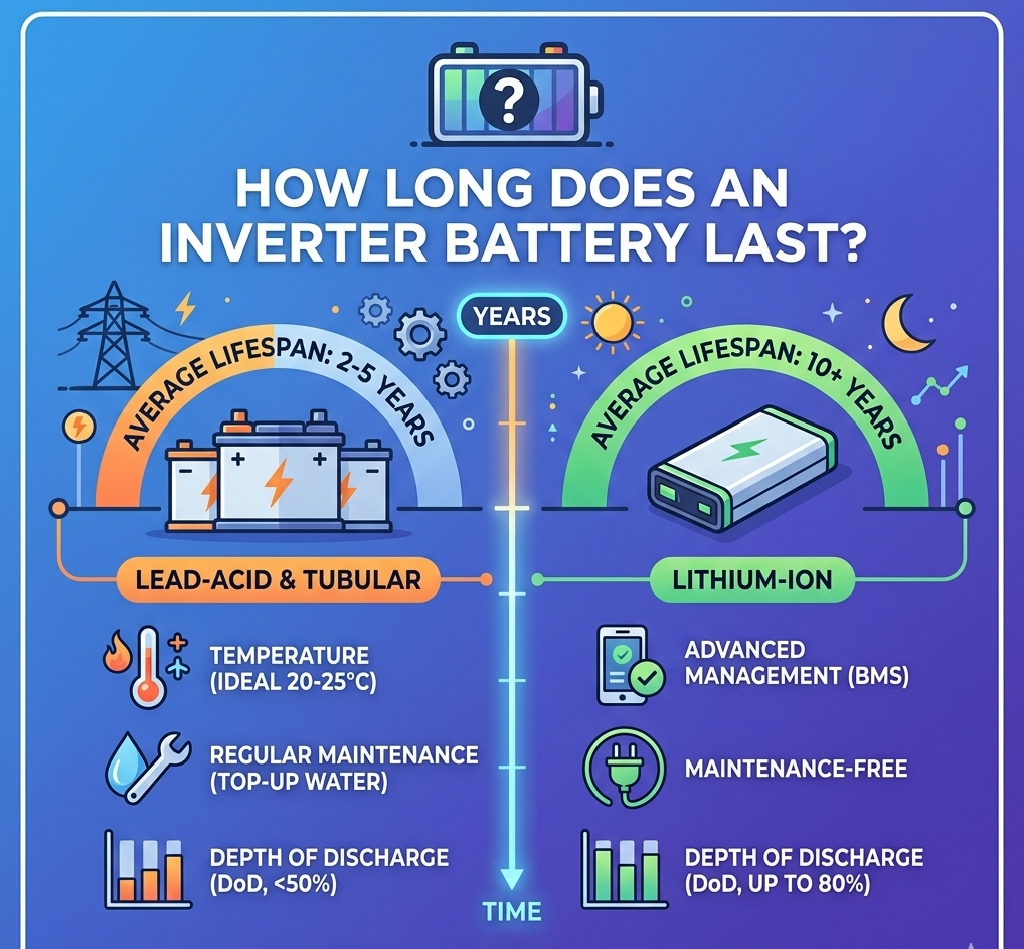
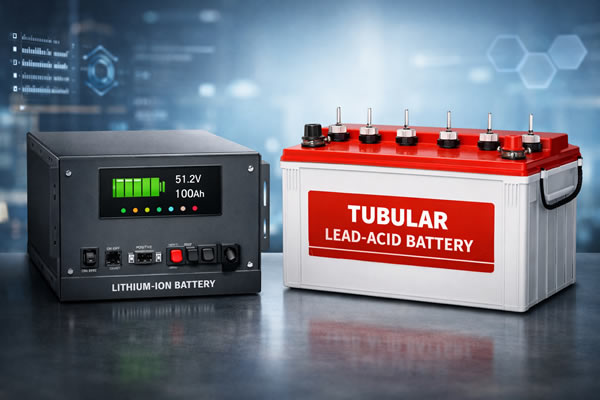
- Lead-acid batteries last 3–5 years.
- Tubular batteries last 5–8 years.
- Lithium batteries can last 8–15 years.
However, when batteries are exposed to poor operating conditions, their lifespan may decrease dramatically.
Consequently, understanding the causes of premature battery failure is essential.
Overcharging the Battery
One of the most common reasons why your new inverter battery can spoil in 8 months is overcharging.
When a battery receives excessive charging voltage:
- Internal components overheat.
- Water evaporates rapidly.
- Battery plates become damaged.
- Overall efficiency declines.
Furthermore, repeated overcharging accelerates battery wear and shortens its useful life.
Therefore, using an inverter with intelligent charging controls is highly recommended.
Frequent Deep Discharges
Deep discharge occurs when a battery is drained almost completely before recharging.
Although inverter batteries are designed to handle discharge cycles, excessive deep discharges can damage battery cells.
As a result:
- Battery capacity decreases.
- Backup time becomes shorter.
- Internal stress increases.
Therefore, recharging batteries before they become fully depleted helps preserve battery health.
Poor Ventilation
Heat is one of the biggest enemies of inverter batteries.
If batteries are installed in poorly ventilated areas:
- Temperatures rise excessively.
- Charging efficiency decreases.
- Internal components deteriorate faster.
Moreover, continuous overheating can significantly reduce battery lifespan.
Consequently, batteries should always be installed in cool and well-ventilated environments.
Low Electrolyte Levels
For lead-acid and tubular batteries, electrolyte levels are critical.
However, many users neglect routine inspections.
When electrolyte levels become too low:
- Battery plates become exposed.
- Internal damage occurs.
- Charging performance declines.
Therefore, checking battery water levels regularly is essential.
Additionally, only distilled water should be used when topping up battery cells.
Using the Wrong Charger Settings
Incorrect charging settings can cause serious battery problems.
For example:
- Charging voltage may be too high.
- Charging current may be excessive.
- Battery chemistry may not match inverter settings.
Consequently, the battery may deteriorate much faster than expected.
Therefore, always ensure charging parameters match the manufacturer’s recommendations.
Poor Quality Battery Products
Not all batteries available in the market meet high-quality standards.
In some cases, low-cost batteries may contain inferior materials or manufacturing defects.
As a result:
- Performance may be inconsistent.
- Capacity may decline quickly.
- Lifespan may be significantly shorter.
Therefore, purchasing from reputable suppliers is essential.
Furthermore, quality products typically include stronger warranties and better customer support.
Excessive Load on the Inverter System
Many users connect more appliances than their inverter system can comfortably support.
Consequently, batteries must work harder and discharge more deeply.
Common effects include:
- Increased battery stress
- Faster wear
- Reduced backup duration
Therefore, calculating your power requirements before installation is crucial.
Corroded Battery Terminals
Corrosion can interfere with efficient charging and discharging.
Signs of corrosion include:
- White powder deposits
- Greenish buildup
- Loose connections
As a result, battery performance may decline significantly.
Therefore, regular cleaning and inspection of battery terminals should be part of routine maintenance.
Exposure to High Temperatures
Hot climates can be especially challenging for inverter batteries.
When temperatures remain consistently high:
- Internal chemical reactions accelerate.
- Water loss increases.
- Battery lifespan decreases.
Moreover, prolonged exposure to heat can permanently damage battery components.
Consequently, proper temperature management is extremely important.
Poor Installation Practices
Improper installation can create long-term problems even when using high-quality equipment.
Common installation mistakes include:
- Incorrect cable sizing
- Loose connections
- Poor ventilation planning
- Improper battery positioning
Therefore, professional installation is often the safest option.
Additionally, qualified technicians can ensure the entire system operates efficiently.
Lack of Regular Maintenance
Some users assume inverter batteries require no maintenance.
However, neglecting routine care can lead to early failure.
Maintenance tasks should include:
- Checking water levels
- Cleaning terminals
- Monitoring charging performance
- Inspecting cables and connections
As a result, potential problems can be detected before they become serious.
Frequent Power Outages Without Proper Charging
In areas with constant blackouts, batteries may undergo frequent charge-discharge cycles.
If charging opportunities are limited:
- Batteries remain partially charged.
- Capacity gradually declines.
- Internal damage may occur.
Therefore, ensuring complete charging cycles whenever possible helps improve battery lifespan.
Signs Your Battery Is Failing Prematurely
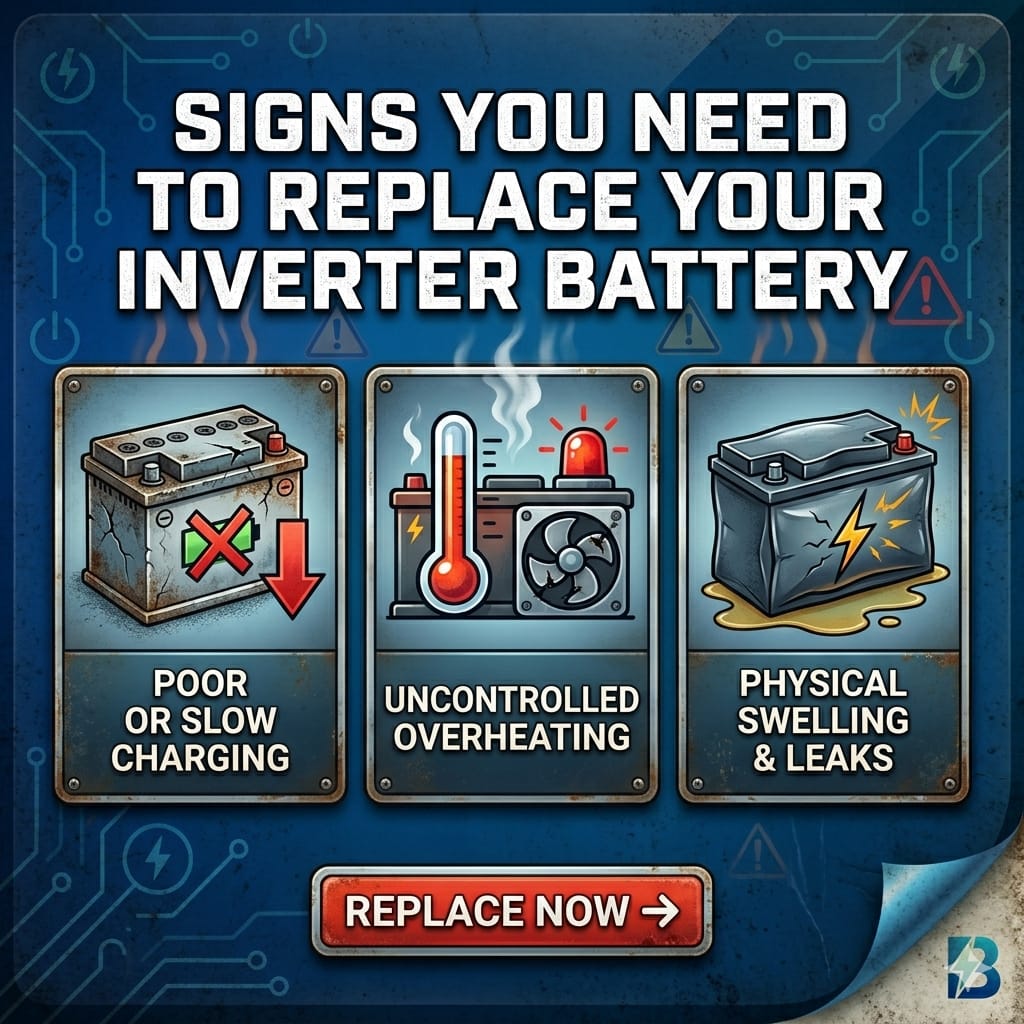
If your battery is deteriorating faster than expected, you may notice:
Reduced Backup Time
The battery no longer powers appliances for its usual duration.
Slow Charging
Charging takes significantly longer than before.
Excessive Heating
The battery becomes unusually hot during operation.
Swelling or Bulging
Physical deformation often indicates internal damage.
Frequent Low-Battery Warnings
The inverter may display warning messages more frequently.
Consequently, early diagnosis can help prevent total battery failure.
How to Prevent Premature Battery Failure
To avoid discovering why your new inverter battery can spoil in 8 months, follow these best practices:
- Use a quality inverter with smart charging features.
- Avoid deep battery discharges.
- Maintain proper ventilation.
- Monitor battery temperature.
- Check electrolyte levels regularly.
- Clean battery terminals.
- Avoid overloading the inverter.
- Schedule routine maintenance inspections.
Conclusion
Understanding why your new inverter battery can spoil in 8 months can help you avoid costly mistakes and maximize battery performance. While quality inverter batteries are designed to last for years, improper charging, overheating, poor maintenance, excessive loads, and installation errors can dramatically shorten their lifespan.



 Get it on
  Download on the