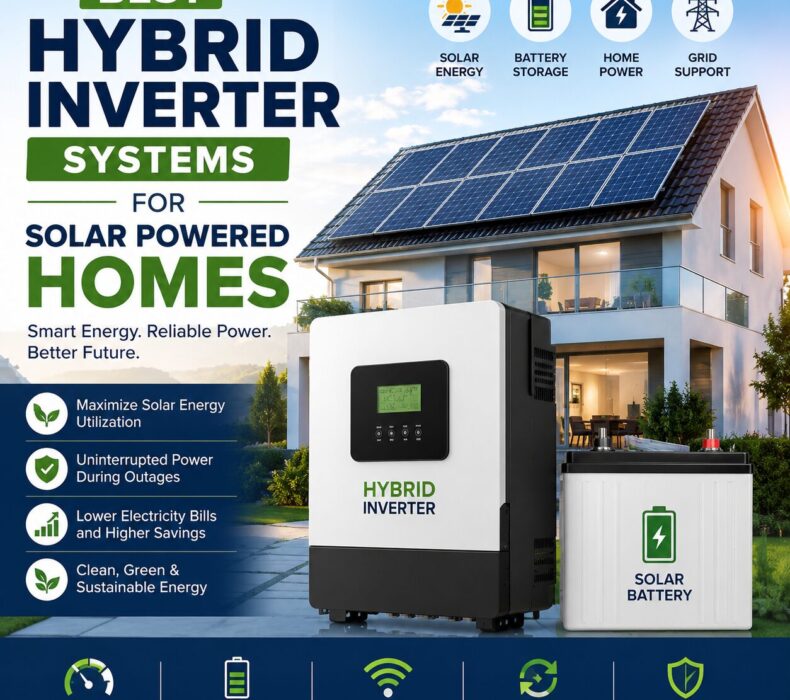
Choosing the Best Hybrid Inverter Systems for Solar Powered Homes is essential for homeowners who want reliable electricity, lower energy costs, and greater energy independence. As solar energy adoption continues to grow, hybrid inverters have become a popular solution because they combine solar power generation, battery storage, and grid connectivity in one intelligent system.
What Is a Hybrid Inverter?
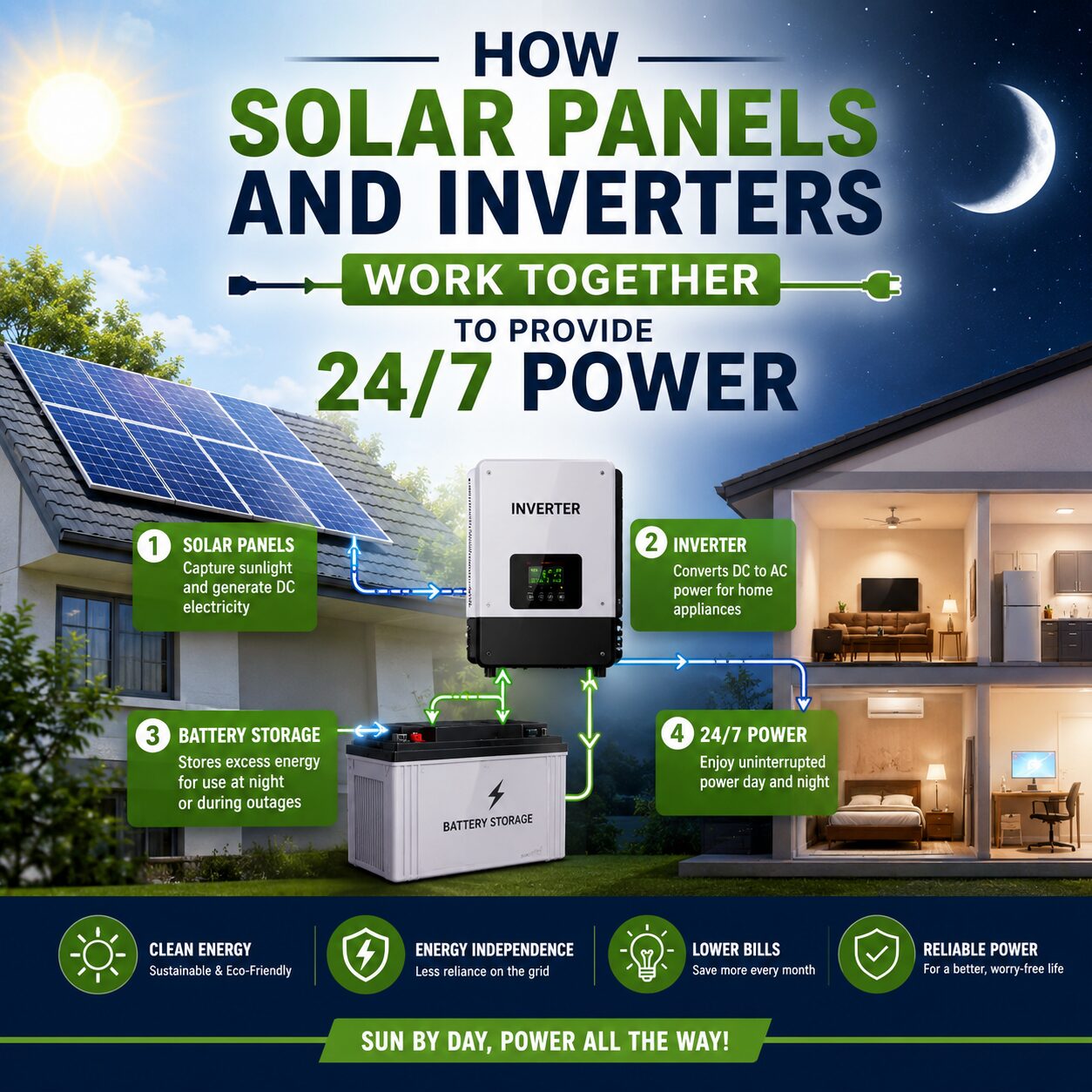
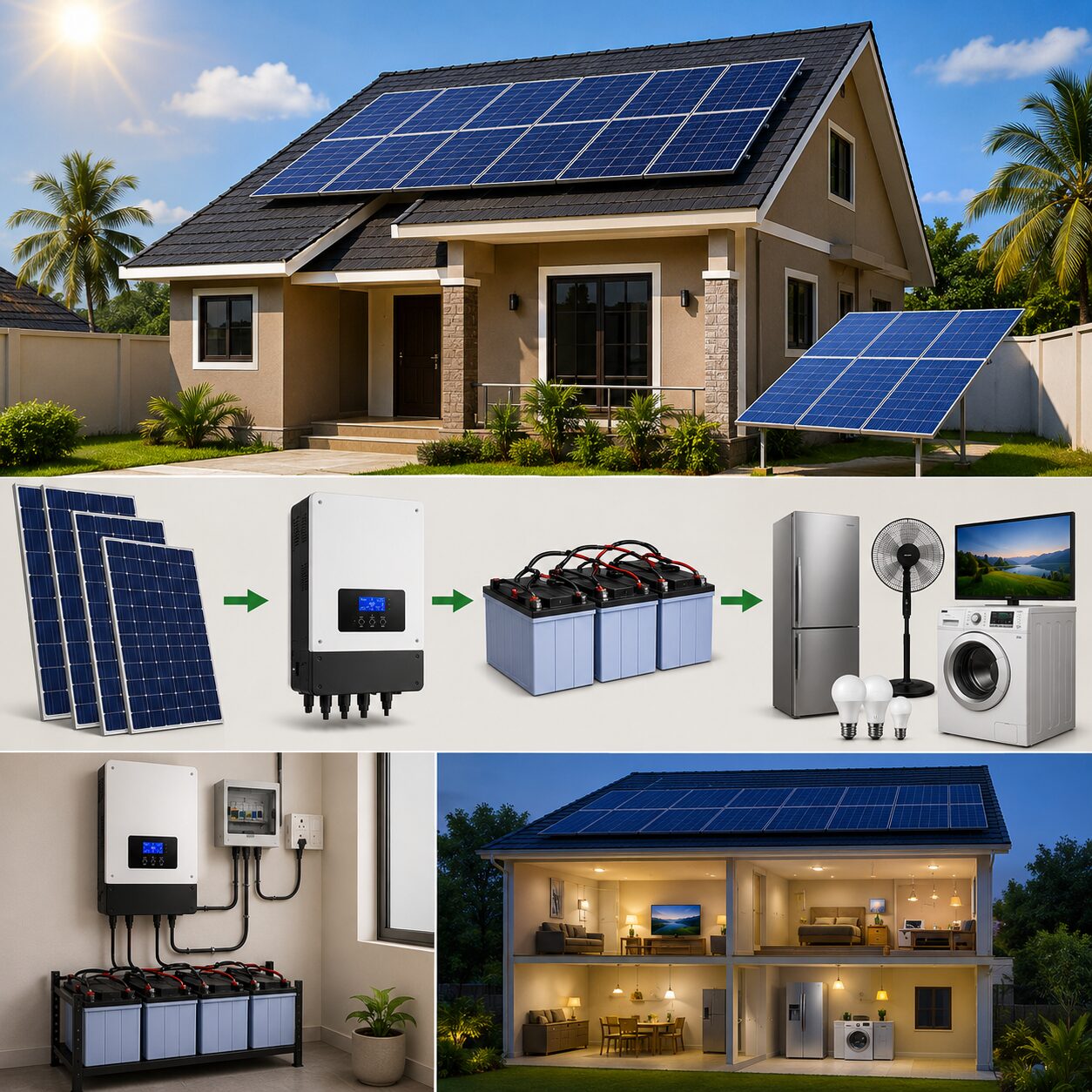
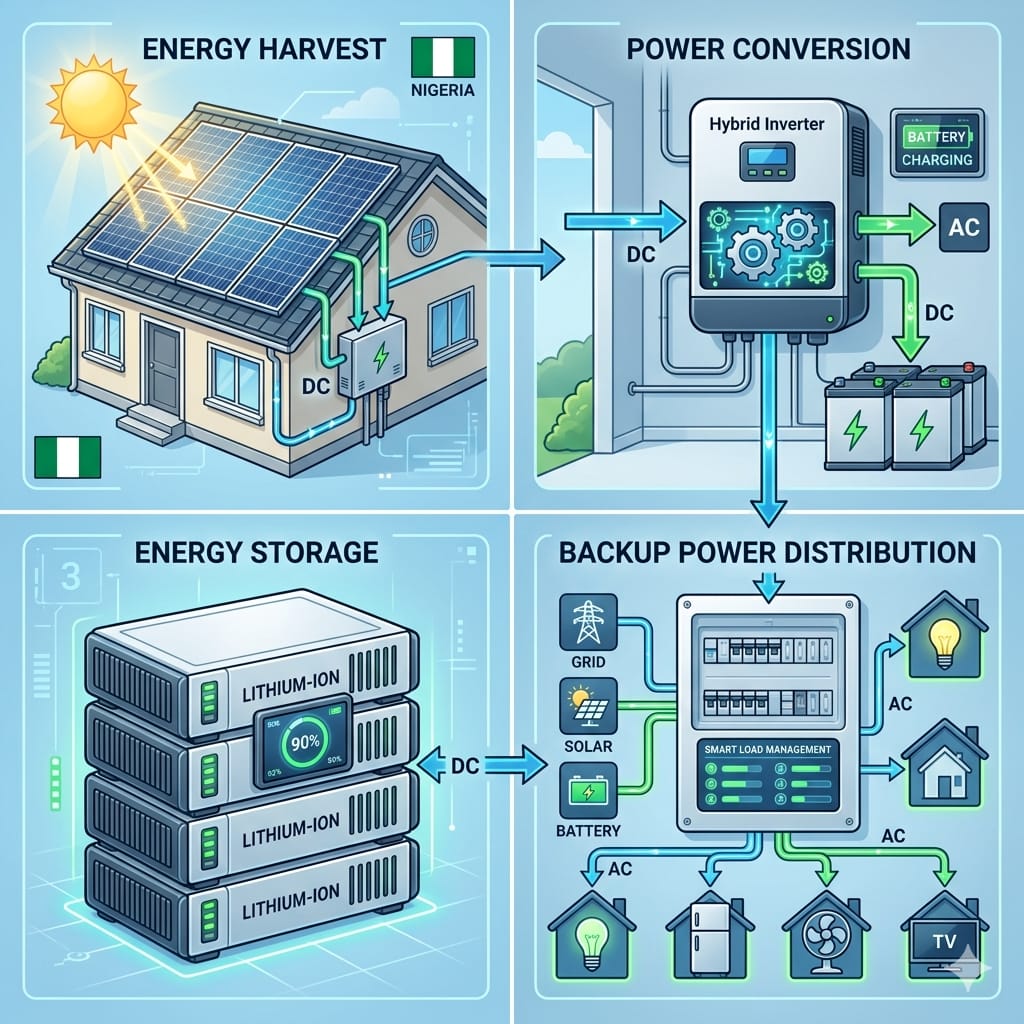
A hybrid inverter is a smart device that manages electricity from multiple sources, including solar panels, batteries, and the utility grid.
Unlike traditional inverters, hybrid systems can:
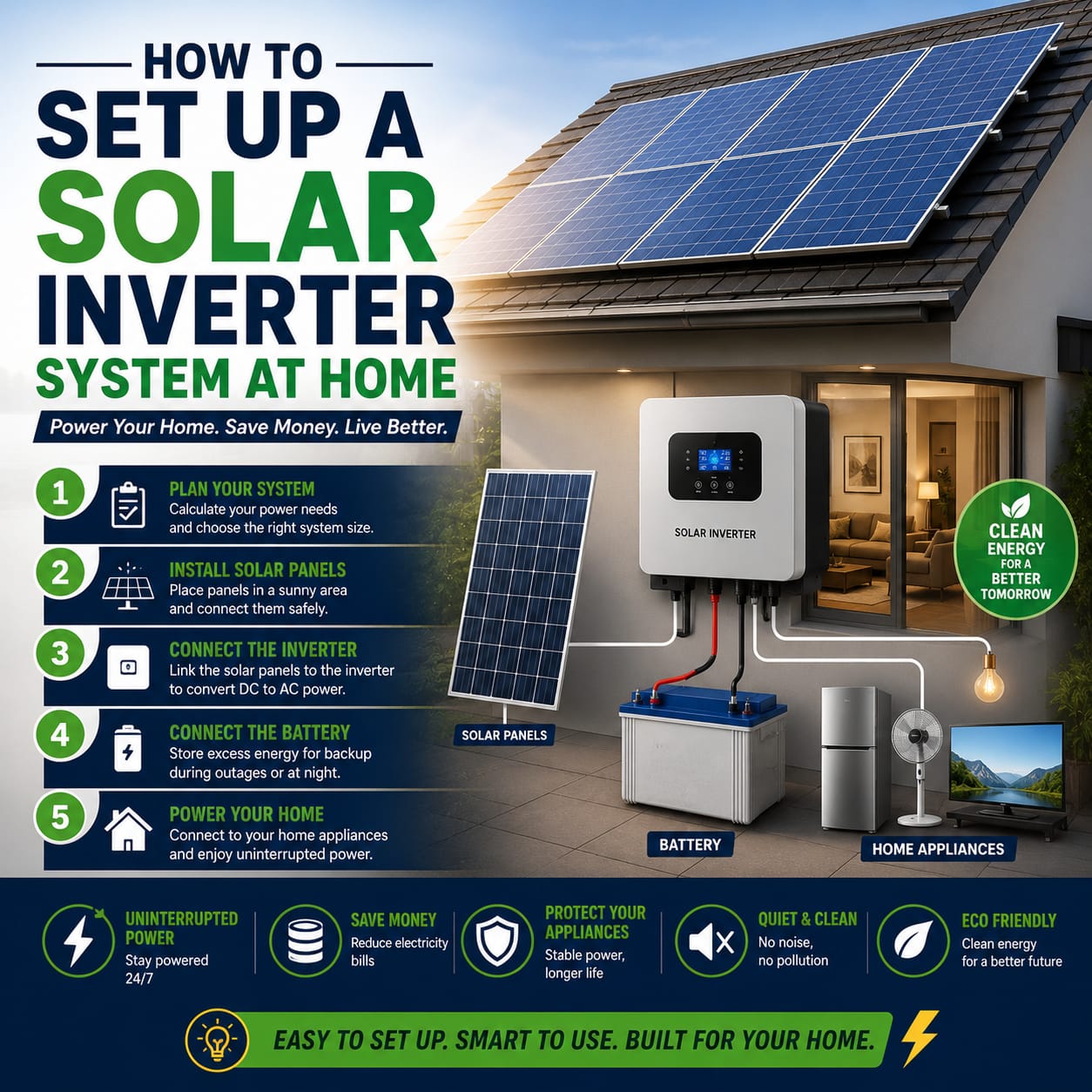
Convert solar energy into usable electricity.
Charge battery banks.
Supply power to household appliances.
Draw electricity from the grid when necessary.
Automatically switch between energy sources.
Consequently, homeowners enjoy a more flexible and efficient energy management system.
Why Hybrid Inverters Are Ideal for Solar Powered Homes
Solar-powered homes require efficient energy management to maximize savings and reliability.
Therefore, hybrid inverters offer several important advantages:
Seamless Power Backup
When utility power fails, the hybrid inverter automatically switches to battery power.
As a result, homeowners experience little or no interruption in electricity supply.
Better Energy Efficiency
Hybrid systems prioritize solar energy usage before drawing power from batteries or the grid.
Consequently, energy waste is minimized.
Lower Electricity Bills
By using more solar-generated electricity, homeowners reduce dependence on utility providers.
Furthermore, this can lead to substantial long-term savings.
Future-Proof Energy Solution
Many hybrid inverters support system expansion.
Therefore, homeowners can add more solar panels or batteries as energy needs increase.
Features to Look for in the Best Hybrid Inverter Systems for Solar Powered Homes
Before purchasing a hybrid inverter, it is important to evaluate key features.
High Conversion Efficiency
Efficient inverters convert more solar energy into usable electricity.
As a result, homeowners get maximum value from their solar investment.
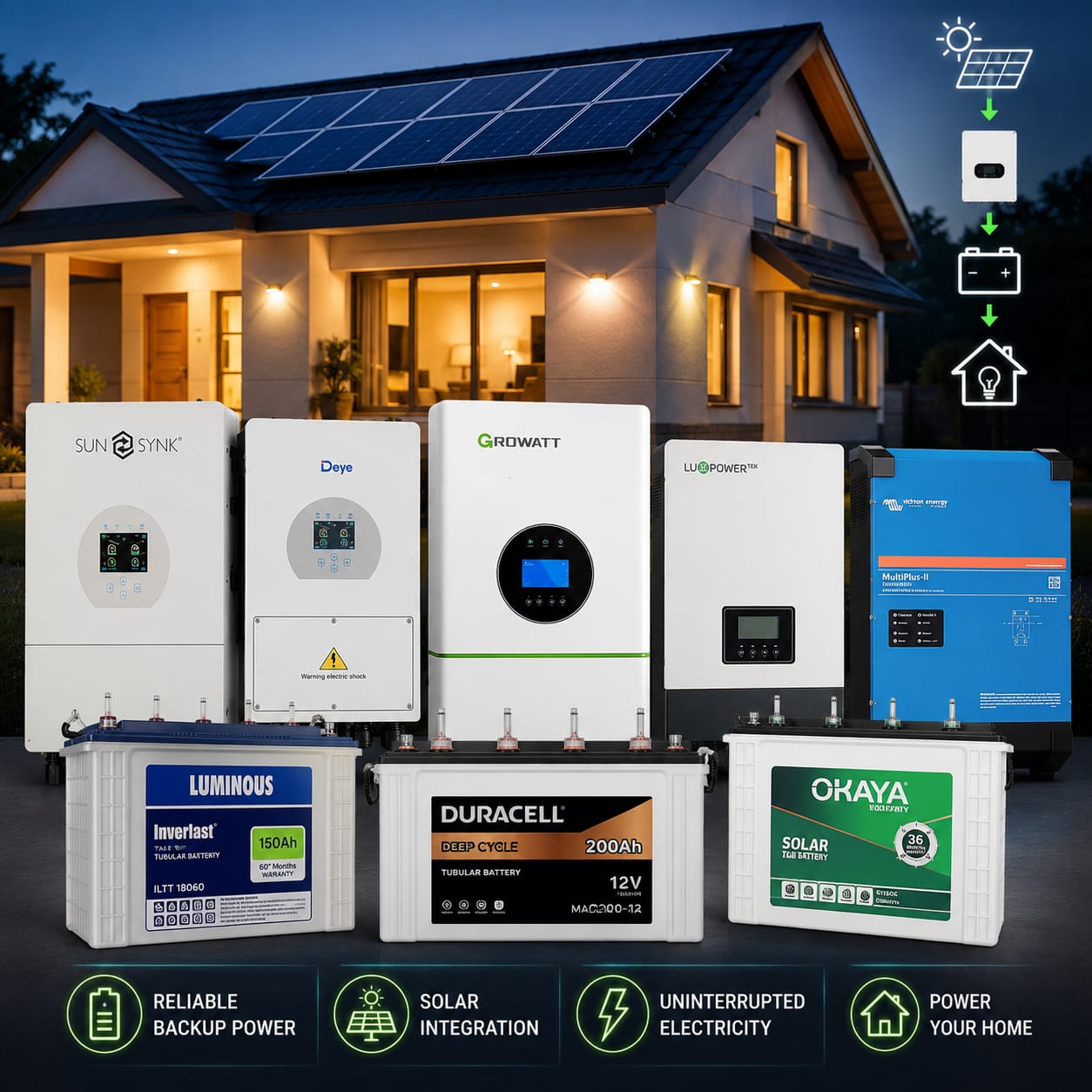
Battery Compatibility
The best hybrid inverters support multiple battery technologies, including:
Lithium-ion batteries
Lithium iron phosphate batteries
Tubular batteries
Lead-acid batteries
Consequently, homeowners have greater flexibility when choosing energy storage solutions.
Smart Monitoring
Modern hybrid inverters often include mobile applications and online monitoring platforms.
Therefore, users can monitor:
Energy production
Battery status
Power consumption
System performance
in real time.
Automatic Grid Switching
Reliable hybrid systems switch seamlessly between solar power, battery storage, and grid electricity.
As a result, power interruptions are minimized.
Top Benefits of Hybrid Inverter Systems
Energy Independence
One of the greatest advantages of hybrid inverters is reduced dependence on utility power.
Therefore, homeowners gain greater control over their energy usage.
Reliable Backup During Outages
Frequent power outages can disrupt daily life.
However, hybrid systems provide backup electricity whenever grid power becomes unavailable.
Environmental Benefits
Solar-powered homes generate clean energy.
Consequently, homeowners reduce their carbon footprint and support sustainable energy practices.
Long-Term Cost Savings
Although the initial investment may be significant, lower electricity bills often offset installation costs over time.
Furthermore, government incentives and solar financing options may improve affordability.
Best Hybrid Inverter System Configurations for Homes
Small Homes
For smaller households with moderate energy consumption:
3kVA to 5kVA hybrid inverter
5kWh battery storage
3kW to 5kW solar panel system
This setup typically supports:
Lighting
Fans
Televisions
Internet routers
Small appliances
Medium-Sized Homes
For families with higher energy demands:
5kVA to 8kVA hybrid inverter
10kWh battery storage
5kW to 8kW solar array
As a result, additional appliances such as refrigerators and washing machines can operate efficiently.
Large Homes
For larger properties:
10kVA or larger hybrid inverter
15kWh to 30kWh battery storage
Extensive solar panel installations
Consequently, homeowners can support air conditioners, pumps, and multiple high-power appliances.
How to Choose the Right Hybrid Inverter
Selecting the right system depends on several factors.
Assess Energy Consumption
First, calculate your household’s daily electricity usage.
Consider:
Lighting
Refrigeration
Entertainment devices
Kitchen appliances
Air conditioning systems
Consequently, accurate calculations help prevent under-sizing or over-sizing.
Consider Battery Storage Needs
Battery capacity determines how long backup power remains available.
Therefore, households experiencing lengthy outages should invest in larger battery banks.
Evaluate Solar Panel Capacity
Solar panels must generate enough energy to support both household consumption and battery charging.
Furthermore, future expansion should be considered during system design.
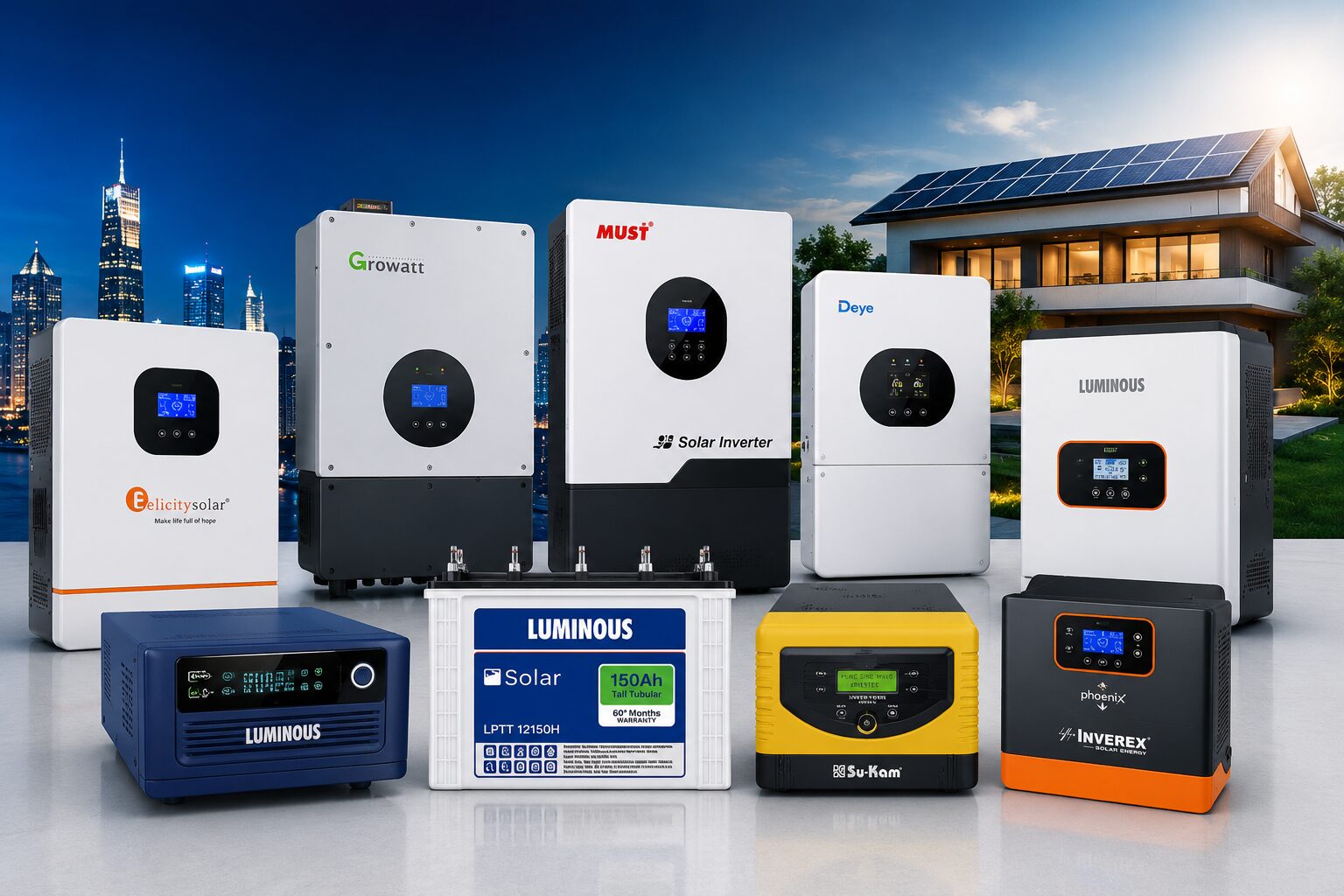
Prioritize Quality and Warranty
Reliable manufacturers typically offer:
Strong warranties
Technical support
Proven performance records
As a result, homeowners gain confidence in long-term system reliability.
Common Mistakes to Avoid
While searching for the Best Hybrid Inverter Systems for Solar Powered Homes, avoid these common mistakes:
Choosing Based Solely on Price
Cheaper systems may lack efficiency, reliability, and long-term durability.
Ignoring Battery Compatibility
Not all batteries work effectively with every hybrid inverter.
Therefore, compatibility should always be verified.
Underestimating Energy Needs
An undersized system may fail to meet household power demands.
Consequently, performance and user satisfaction may suffer.
Maintenance Tips for Hybrid Inverter Systems
To ensure long-term performance:
Clean solar panels regularly.
Inspect electrical connections.
Monitor battery health.
Check inverter performance indicators.
Schedule routine professional maintenance.
As a result, the system remains efficient and reliable for many years.
Conclusion
Investing in the Best Hybrid Inverter Systems for Solar Powered Homes provides homeowners with reliable backup power, lower electricity bills, and greater energy independence. Moreover, hybrid inverters combine solar generation, battery storage, and grid connectivity into one intelligent solution that maximizes energy efficiency.









 Get it on
  Download on the