Recognizing the signs you need to replace your inverter battery can help you avoid unexpected power interruptions and costly system failures. Although inverter batteries are designed to provide years of dependable service, they eventually wear out due to regular charging and discharging cycles. Therefore, understanding the warning signs of battery deterioration allows you to take action before complete failure occurs.
Why Inverter Batteries Need Replacement
Every inverter battery has a limited lifespan. Over time, internal components gradually lose their ability to store and deliver power efficiently.
Several factors can accelerate battery wear, including:
Frequent power outages
Deep battery discharges
Overcharging
Poor maintenance
High operating temperatures
Consequently, even well-maintained batteries will eventually require replacement.
Reduced Backup Time
One of the most common signs you need to replace your inverter battery is a noticeable reduction in backup duration.
For example, if your inverter previously powered essential appliances for several hours but now lasts only a short period, the battery may be losing capacity.
Furthermore, declining backup performance often indicates aging battery cells that can no longer hold a full charge.
Therefore, reduced backup time should never be ignored.
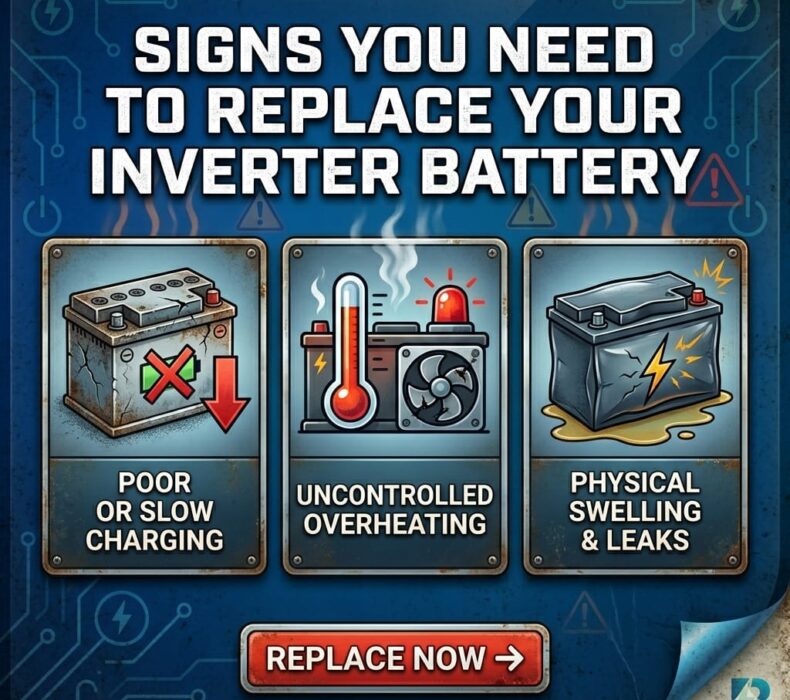
Battery Takes Longer to Charge
A healthy inverter battery should charge within the expected timeframe specified by the manufacturer.
However, as batteries age:
Charging becomes slower.
Efficiency decreases.
Energy storage capacity declines.
As a result, you may notice that your battery remains connected to the charger for longer periods without reaching full capacity.
Consequently, this can be a strong indication that replacement is approaching.
Frequent Low Battery Warnings
Modern inverter systems often provide alerts when battery levels become critically low.
If low-battery warnings occur more frequently than usual, even after charging, the battery may be struggling to maintain adequate capacity.
Additionally, recurring warnings often suggest that the battery can no longer support the connected load effectively.
Therefore, it is wise to investigate battery health immediately.
Swollen or Bulging Battery Casing
Physical changes to the battery casing should always be taken seriously.
A swollen battery may indicate:
Overheating
Internal chemical damage
Overcharging
Aging cells
Moreover, a bulging battery can pose safety risks if left unattended.
As a result, any visible swelling should prompt immediate inspection and possible replacement.
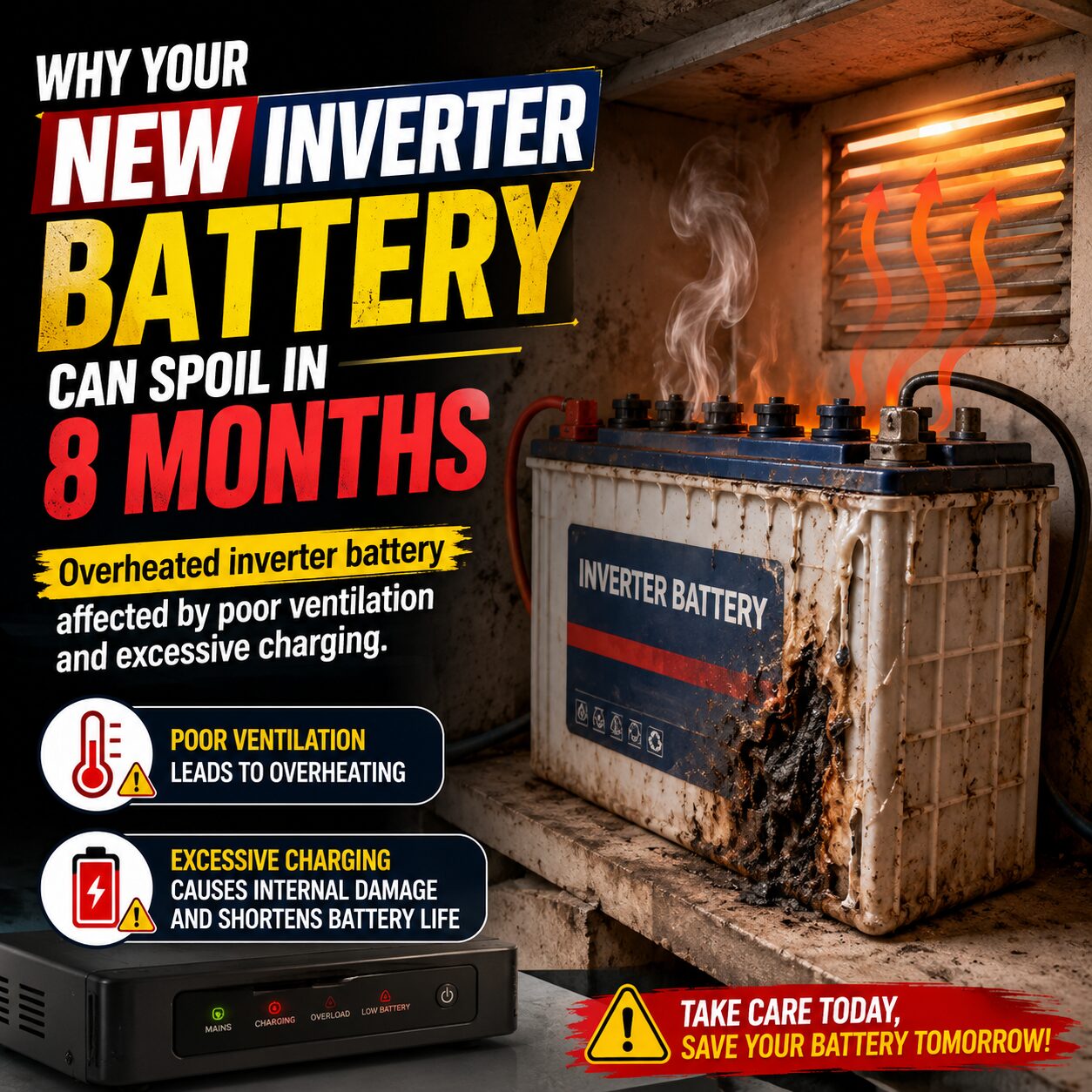
Excessive Heat During Operation
While some warmth during charging is normal, excessive heat is not.
If your battery becomes unusually hot:
Internal resistance may be increasing.
Charging efficiency may be decreasing.
Component deterioration may be occurring.
Furthermore, prolonged overheating can damage both the battery and the inverter.
Therefore, consistent overheating is among the most important warning signs to monitor.
Corrosion Around Battery Terminals
Corrosion appears as white, green, or bluish deposits around battery terminals.
Although minor corrosion can often be cleaned, persistent or severe corrosion may indicate deeper battery problems.
Consequently, damaged terminals can:
Reduce charging efficiency
Cause poor electrical connections
Affect overall inverter performance
Therefore, regular inspection of battery terminals is essential.
Unusual Noises During Charging
Healthy inverter batteries generally operate quietly.
However, if you notice:
Hissing sounds
Bubbling noises
Crackling sounds
the battery may be experiencing internal problems.
Furthermore, excessive gas generation during charging can indicate overcharging or cell failure.
As a result, unusual noises should be evaluated promptly by a qualified technician.
Difficulty Holding a Charge
Another major indicator among the signs you need to replace your inverter battery is an inability to retain stored energy.
For instance, a battery may appear fully charged but lose power quickly when the inverter begins operating.
Consequently, appliances may shut down sooner than expected.
This behavior typically indicates significant battery degradation.
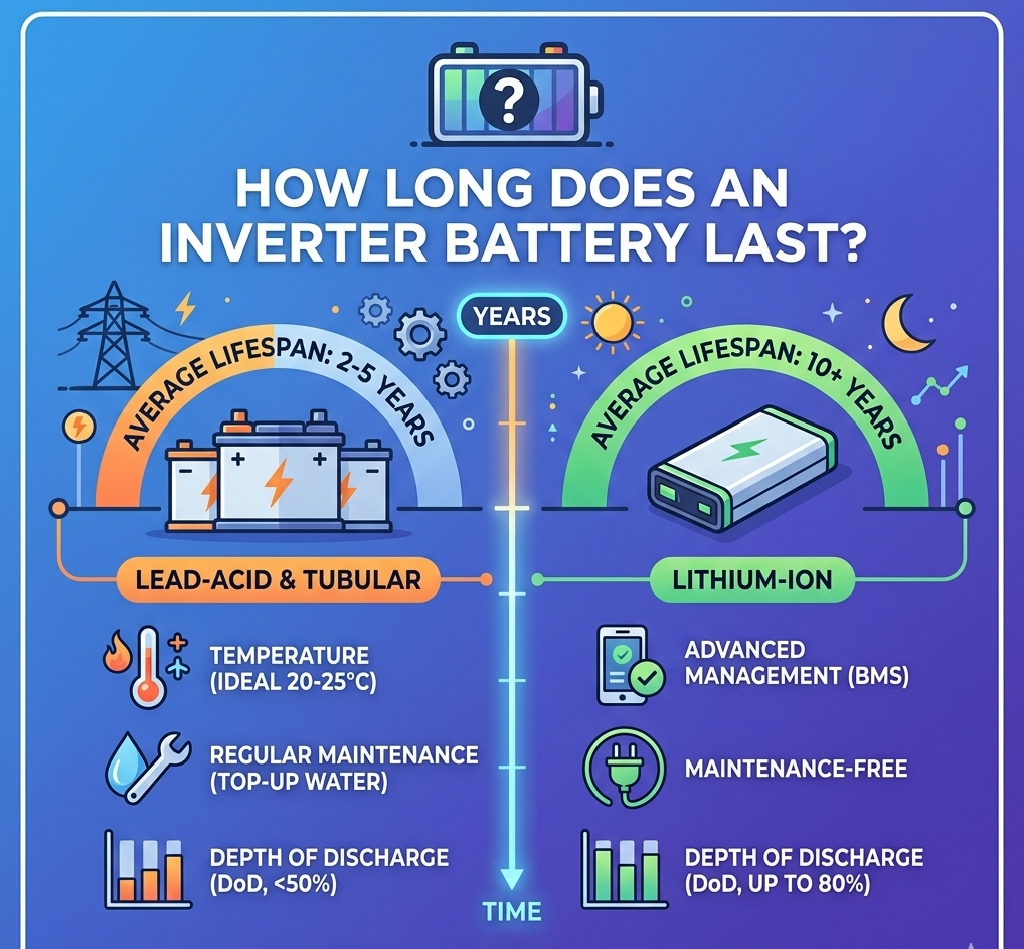
Battery Age Exceeds Recommended Lifespan
Even if no major issues are visible, battery age alone can signal the need for replacement.
Typical inverter battery lifespans include:
Lead-Acid Batteries
Generally last between 3 and 5 years, depending on usage and maintenance.
Tubular Batteries
Often provide 5 to 8 years of service under proper conditions.
Lithium Batteries
Can last 8 to 15 years or longer with appropriate care.
Therefore, if your battery has reached or exceeded its expected lifespan, replacement planning is advisable.
Visible Leaks or Damage
Battery leaks should never be ignored.
Signs include:
Fluid around the battery base
Cracks in the casing
Damaged terminals
Strong chemical odors
Moreover, leaking batteries can damage surrounding equipment and create safety hazards.
Therefore, immediate replacement is recommended whenever physical damage is detected.
Increased Electricity Consumption
An aging battery may require more energy to maintain acceptable performance.
As a result:
Charging cycles become less efficient.
More electricity is consumed.
Operating costs increase.
Consequently, higher energy bills can sometimes indicate declining battery health.
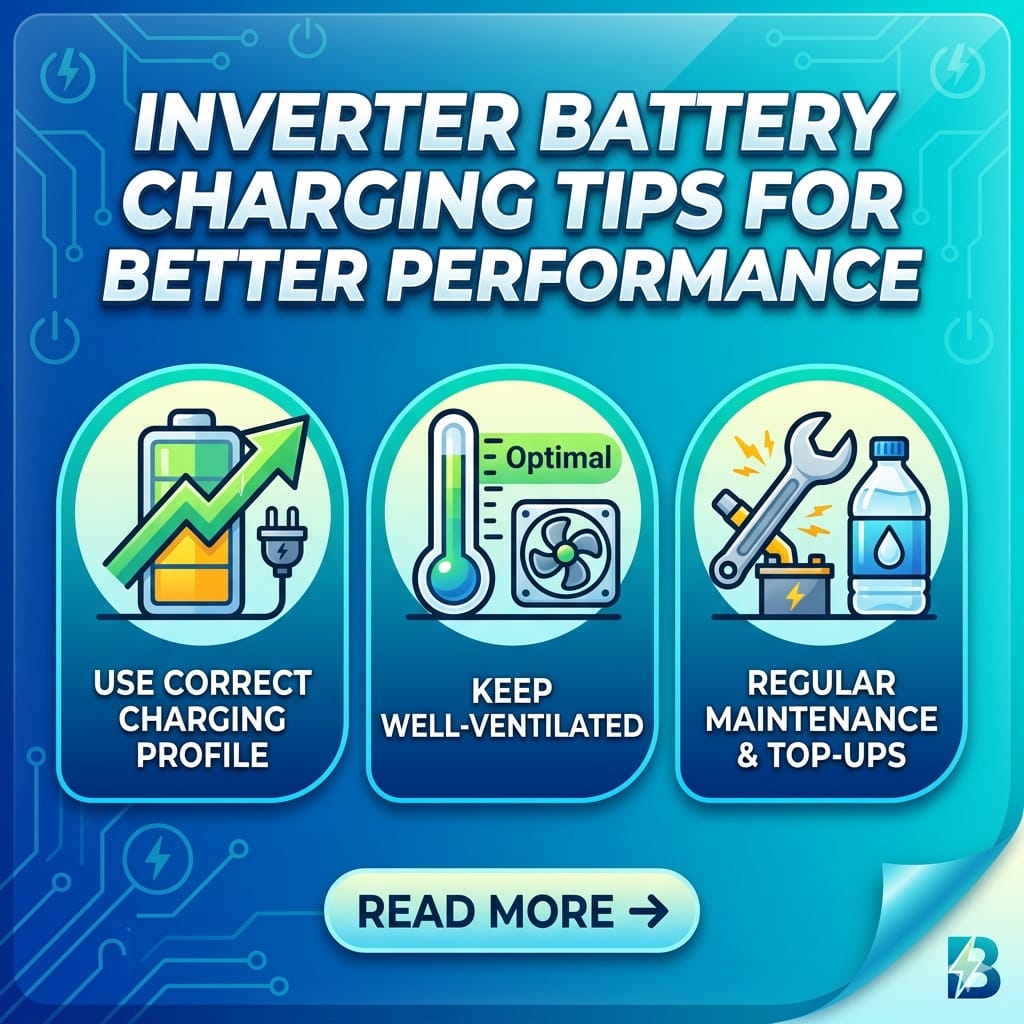
Tips for Extending Inverter Battery Life
Although replacement eventually becomes unavoidable, proper maintenance can maximize battery lifespan.
To improve longevity:
Avoid deep discharges.
Maintain proper charging practices.
Keep terminals clean.
Ensure adequate ventilation.
Monitor electrolyte levels where applicable.
Protect batteries from extreme temperatures.
As a result, you can delay replacement and improve overall system performance.
Conclusion
Understanding the signs you need to replace your inverter battery is essential for maintaining reliable backup power and protecting your investment. Whether you notice reduced backup time, slow charging, swelling, overheating, or frequent inverter shutdowns, these warning signs should never be ignored.










 Get it on
  Download on the