






Organic vs Conventional Foods: Is There Really a Difference?
Walk through any supermarket today, and you’ll likely see products labeled “organic” sitting beside conventional alternatives—often at significantly higher prices.
From fruits and vegetables to dairy products and packaged foods, organic products have become increasingly popular among health-conscious consumers.
But are they actually better?
Do organic foods contain more nutrients? Are they safer? Or is organic simply a marketing trend?
The debate around organic vs conventional foods continues to grow as more consumers pay closer attention to what they eat and where their food comes from.
In this guide, we’ll break down the key differences and help you decide which option makes the most sense for your lifestyle and budget.
What Are Organic Foods?
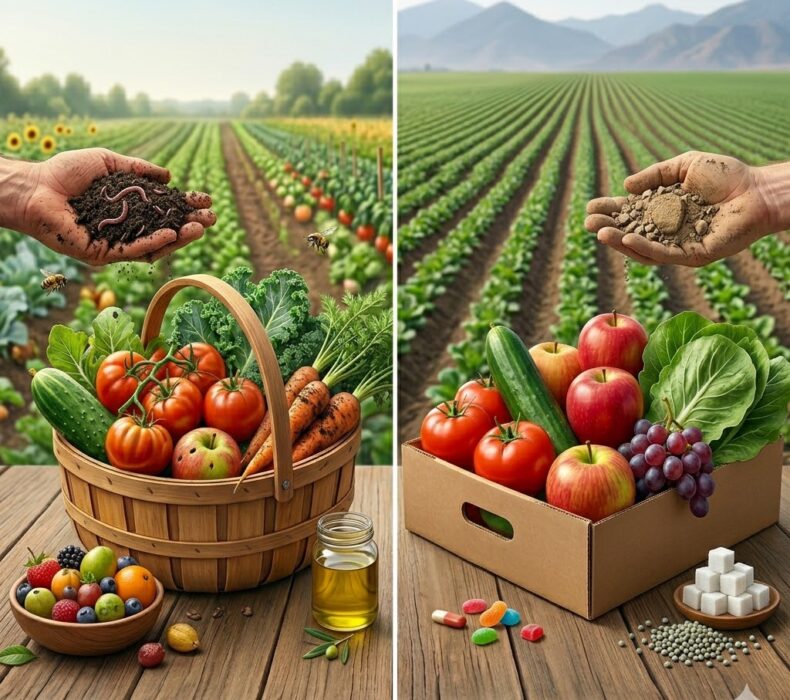
Organic foods are produced using farming practices that focus on natural processes and environmental sustainability.
Organic farming typically avoids:
- Synthetic pesticides
- Artificial fertilizers
- Genetically modified organisms (GMOs)
- Routine antibiotic use in livestock
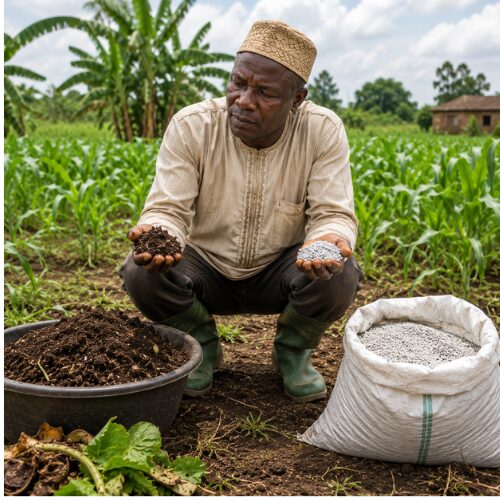
Instead, farmers rely on natural methods to manage pests, improve soil health, and support crop growth.
Many consumers are attracted to the perceived organic food benefits, particularly when it comes to environmental impact and food production practices.
What Are Conventional Foods?
Conventional foods are produced using modern agricultural techniques designed to maximize efficiency and food production.
Common conventional farming methods may include:
- Synthetic fertilizers
- Chemical pesticides
- Modern irrigation systems
- Advanced crop protection technologies
- Mechanized farming equipment
These methods help farmers produce large quantities of food while keeping costs relatively affordable for consumers.
Organic vs Conventional Foods: The Main Differences
While both types of food serve the same purpose, there are several important distinctions.
Farming Practices
One of the biggest differences between organic food vs regular food lies in how the food is produced.
Organic Farming
Organic farms focus on:
- Soil health
- Biodiversity
- Natural pest management
- Sustainable agricultural practices
Conventional Farming
Conventional farms prioritize:
- Higher yields
- Efficient production
- Cost-effective farming
- Large-scale food supply
Both systems have advantages and challenges depending on the goals of the producer and consumer.
Nutritional Value: Is Organic More Nutritious?
One of the most common questions consumers ask is whether organic foods are healthier.
The answer may surprise you.
Research shows that while some organic foods may contain slightly higher levels of certain antioxidants, the overall nutritional differences between organic and conventional foods are often relatively small.
In most cases, eating more fruits and vegetables—regardless of whether they’re organic—is more important than focusing solely on production methods.
The key is making consistent healthy food choices rather than avoiding nutritious foods because they’re not organic.
Food Quality and Safety
When discussing food quality and safety, many consumers assume organic automatically means safer.
However, both organic and conventional foods are subject to food safety regulations and quality standards.
Organic Foods
May contain lower levels of certain pesticide residues due to organic farming restrictions.
Conventional Foods
Are also monitored and regulated to ensure products meet safety requirements before reaching consumers.
Proper washing and handling remain important regardless of the food type.
Environmental Impact
Environmental concerns are one reason many people choose organic products.
Supporters often highlight several organic food benefits, including:
- Improved soil health
- Reduced chemical usage
- Greater biodiversity
- More sustainable farming practices
However, conventional farming can often produce more food using less land, which also plays an important role in feeding growing populations.
The environmental discussion is complex and involves multiple factors beyond simply choosing one system over another.
Taste: Can You Really Tell the Difference?
Some consumers claim organic foods taste better.
Others notice little or no difference.
Taste often depends on factors such as:
- Freshness
- Variety
- Growing conditions
- Storage methods
- Harvest timing
When comparing organic food vs regular food, flavor differences are often subjective rather than universal.
The Price Factor
One of the biggest barriers to buying organic products is cost.
Organic foods often cost more because:
- Production methods are labor-intensive
- Farms may have lower yields
- Certification requirements increase expenses
- Supply can be more limited
For many families, balancing budget and nutrition is an important consideration.
Fortunately, you can still make excellent healthy food choices without purchasing exclusively organic products.
When Organic Might Be Worth It
Some consumers prioritize organic purchases for products that are frequently consumed or eaten raw.
You may consider organic options if:
- Environmental sustainability is important to you
- You prefer foods produced with fewer synthetic inputs
- You want to support organic farming practices
- Organic products fit within your budget
These are some of the most commonly cited organic food benefits.
When Conventional Foods Make Sense
Conventional foods remain a practical choice for millions of households worldwide.
Advantages include:
- Greater affordability
- Wider availability
- Consistent supply
- Access to nutritious foods at lower costs
The most important thing is maintaining a balanced diet rich in fruits, vegetables, proteins, and whole grains.
Common Myths About Organic Foods
Myth 1: Organic Means Pesticide-Free
Organic farming may still use certain approved pesticides.
The difference is primarily in the types of substances permitted.
Myth 2: Organic Foods Are Always More Nutritious
While some studies show minor differences, nutrition depends on many factors beyond farming method alone.
Myth 3: Conventional Foods Are Unsafe
Modern conventional farming methods operate under regulations designed to protect consumers and ensure food safety.
How to Make Smarter Food Decisions
Instead of focusing solely on labels, consider these practical tips:
Prioritize Variety
A diverse diet provides a broader range of nutrients.
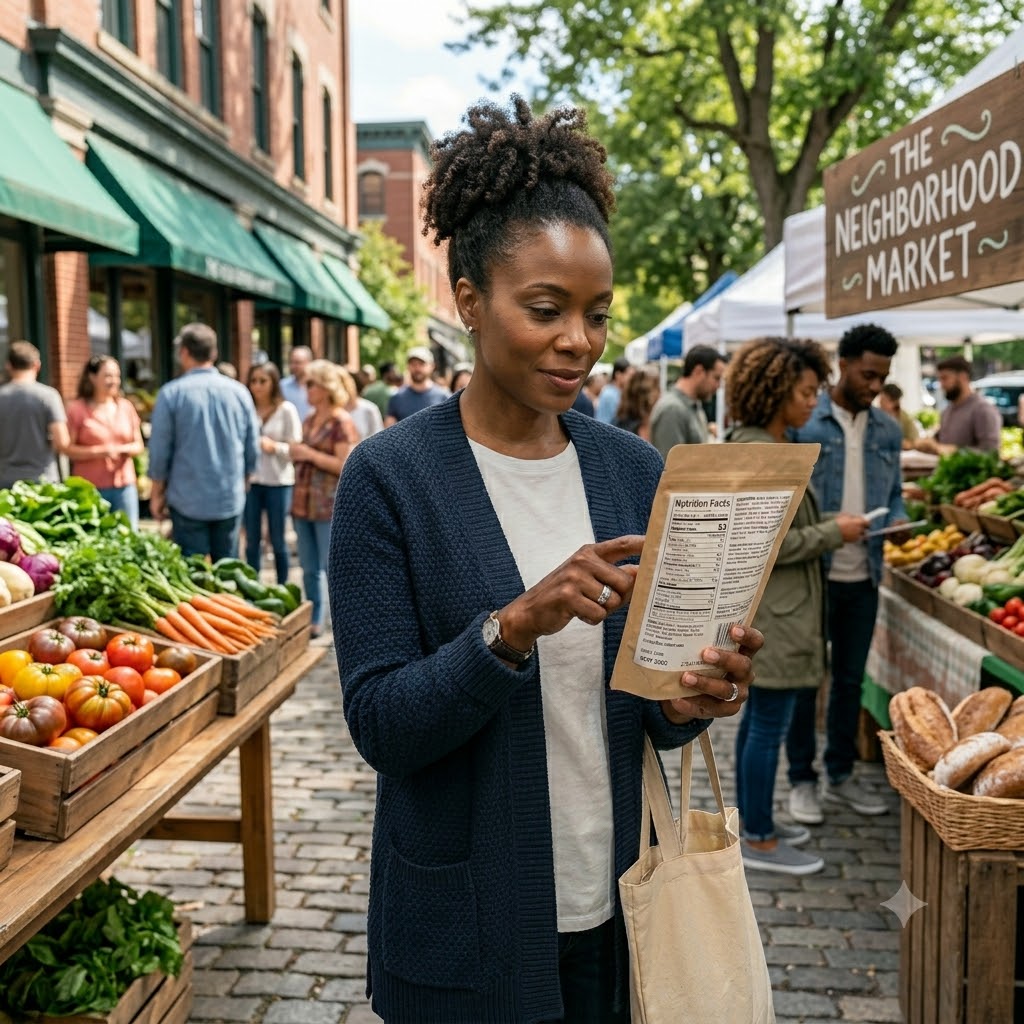
Read Product Labels
Understanding ingredients can be more important than whether a product is organic.
Wash Produce Properly
Good food handling practices support food quality and safety regardless of farming method.
Buy Within Your Budget
Healthy eating should be sustainable financially as well as nutritionally.
The Real Question: Which Is Better?
The truth is that there is no universal winner in the organic vs conventional foods debate.
Organic foods may appeal to consumers who prioritize environmental sustainability and certain farming practices.
Conventional foods provide affordability, accessibility, and a reliable food supply.
Both can be part of a healthy diet.
The best choice is often the one that aligns with your personal values, nutritional goals, and budget.
Final Thoughts
When comparing organic vs conventional foods, it’s important to look beyond marketing claims and focus on what truly matters.
Both options offer advantages, and both can contribute to a healthy lifestyle.
Rather than stressing over every food label, focus on making consistent healthy food choices, understanding food quality and safety, and eating a balanced diet rich in nutritious foods.
At the end of the day, the healthiest diet is the one you can maintain consistently—whether your groceries are organic, conventional, or a combination of both.




 Get it on
  Download on the