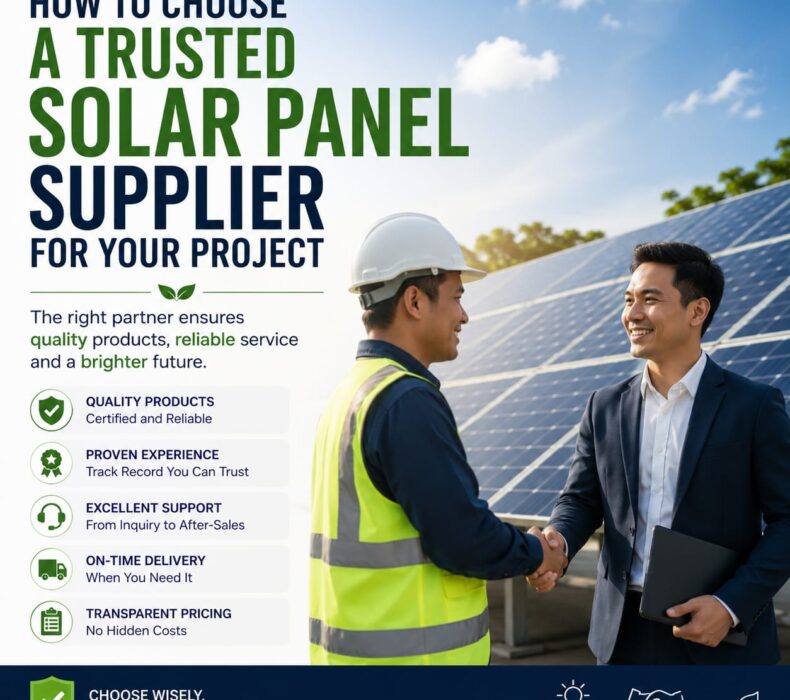
The success of any solar energy installation depends heavily on the supplier you choose. Whether you are planning a residential, commercial, or industrial project, understanding How to Choose a Trusted Solar Panel Supplier for Your Project can help you avoid costly mistakes and ensure long-term value. In addition, working with a reliable supplier gives you access to quality products, professional guidance, and dependable after-sales support.
Since solar panels are a long-term investment, selecting the right supplier should be one of your top priorities.
Why Choosing the Right Supplier Matters
A solar power system can last for decades. Therefore, the quality of the products and services you receive directly affects system performance.
A trusted supplier helps you:
Access high-quality solar equipment
Receive professional recommendations
Benefit from product warranties
Obtain technical support when needed
Maximize your investment
On the other hand, choosing an unreliable supplier can lead to poor system performance, unexpected costs, and frequent maintenance issues.
Check the Supplier’s Industry Experience
Experience is one of the first factors to consider.
Companies that have operated in the solar industry for several years often have a better understanding of customer needs and product performance. Furthermore, experienced suppliers are usually familiar with different project requirements and installation challenges.
Before making a decision, ask how long the company has been supplying solar products.
A proven track record can provide additional confidence.
Evaluate Product Quality
Not all solar panels offer the same level of performance.
For this reason, it is important to choose a supplier that provides high-quality products from reputable manufacturers.
Look for solar panels that offer:
High efficiency ratings
Long product lifespan
Strong performance warranties
Industry certifications
Reliable technical specifications
Quality products typically generate more electricity and maintain their performance for many years.
Review Available Warranties
A warranty reflects the manufacturer’s confidence in the product.
Trusted suppliers usually offer solar panels with comprehensive warranties covering both product quality and performance.
Carefully review:
Product Warranty
This protects against manufacturing defects.
Performance Warranty
This guarantees a certain level of power output over time.
Longer warranty periods often indicate higher product reliability.
Research Customer Reviews and Testimonials
Customer feedback can provide valuable insights into a supplier’s reputation.
Take time to review:
Online ratings
Customer testimonials
Social media comments
Independent review platforms
Positive reviews often indicate good customer service and reliable products.
However, pay attention to recurring complaints, as they may reveal potential concerns.
Assess Technical Knowledge
A trusted solar supplier should understand the products they sell.
Knowledgeable suppliers can explain:
Solar panel technologies
System sizing requirements
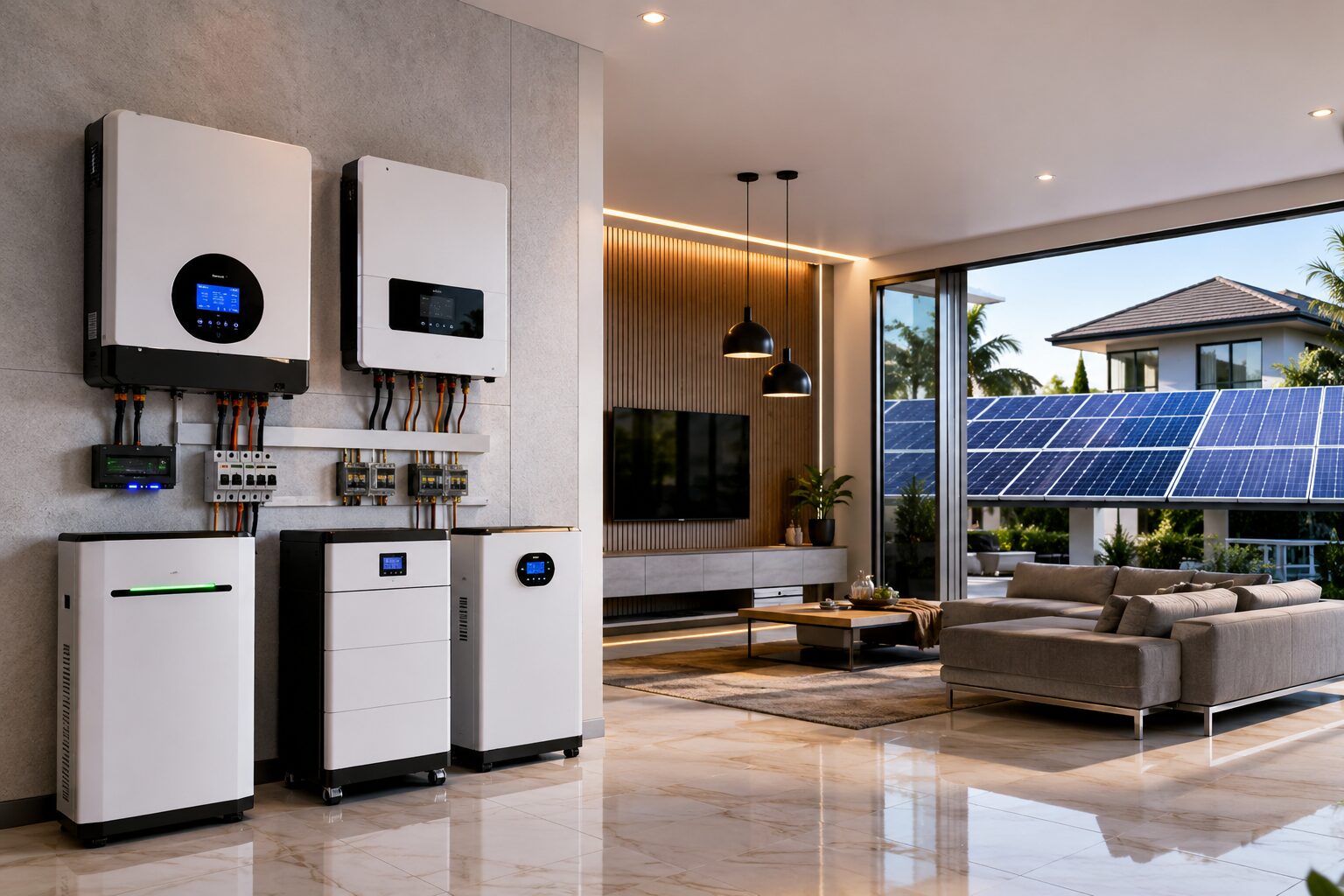
Battery storage options
Inverter compatibility
Installation recommendations
Clear and accurate information helps customers make informed decisions.
Therefore, avoid suppliers who struggle to answer basic technical questions.
Compare Product Options
Different projects require different solar solutions.
A reliable supplier typically offers a variety of products to meet different budgets and energy needs.
These may include:
Monocrystalline panels
Polycrystalline panels
Bifacial panels
Battery storage systems
Solar inverters
Having multiple options allows you to select the most suitable system for your project.
Verify Certifications and Standards
Industry certifications demonstrate that products meet recognized quality standards.
Before purchasing, confirm that the solar panels comply with relevant certifications and testing requirements.
Certified products generally offer:
Better reliability
Improved safety
Higher efficiency
Greater long-term performance
Consequently, certification should be an important consideration during the selection process.
Consider After-Sales Support
The relationship with your supplier should not end after the sale.
Reliable suppliers provide ongoing support to help customers maintain system performance.
Good after-sales service may include:
Technical assistance
Warranty claims support
Product troubleshooting
Maintenance guidance
Strong customer support can save time and reduce stress if issues arise in the future.
Evaluate Pricing Carefully
Price is an important factor, but it should not be the only consideration.
Some suppliers attract customers with unusually low prices. Unfortunately, these products may not offer the same quality or durability as premium alternatives.
Instead of focusing solely on cost, evaluate overall value.
A slightly higher upfront investment can often lead to better performance and lower long-term expenses.
Ask About Project References
Reputable suppliers are usually willing to share examples of completed projects.
Project references can help you evaluate:
Product performance
Customer satisfaction
Installation quality
Industry experience
Additionally, references demonstrate that the supplier has successfully worked on similar projects in the past.
Red Flags to Watch For
When evaluating suppliers, be cautious of the following warning signs:
Lack of certifications
Poor customer reviews
Unrealistically low prices
Limited warranty coverage
Weak technical knowledge
No after-sales support
If several of these issues are present, it may be wise to consider alternative suppliers.
Why Supplier Selection Matters in Nigeria
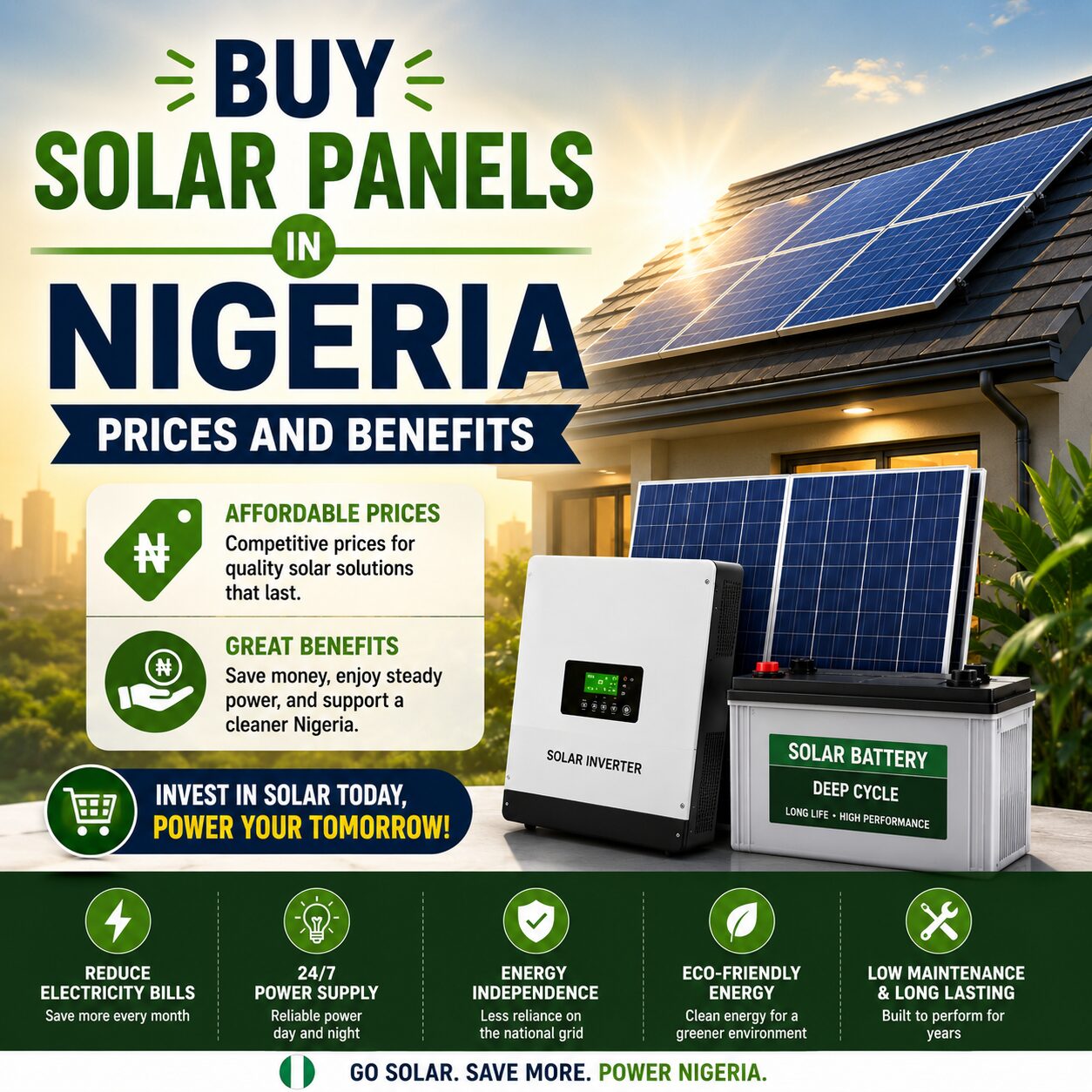
Nigeria’s growing demand for renewable energy has increased the number of solar equipment suppliers in the market.
While this provides more options, it also makes supplier selection more important than ever.
Reliable suppliers can help homeowners and businesses invest in quality systems that perform well under local conditions. As a result, customers enjoy greater energy reliability and better long-term returns.
Conclusion
Understanding How to Choose a Trusted Solar Panel Supplier for Your Project is essential for achieving a successful solar installation. Product quality, industry experience, certifications, warranties, and customer support all play important roles in the decision-making process.











 Get it on
  Download on the