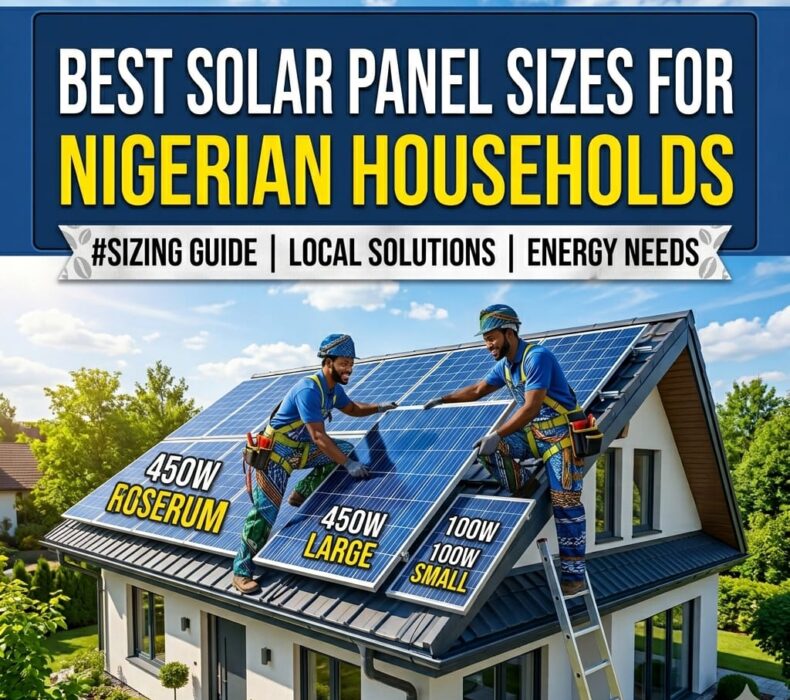
Choosing the right solar panel size is one of the most important decisions when installing a solar energy system. The best solar panel sizes for Nigerian households depend on energy consumption, household size, and the appliances that need power. Furthermore, selecting the correct panel size helps maximize efficiency, reduce electricity bills, and ensure a reliable power supply throughout the year.
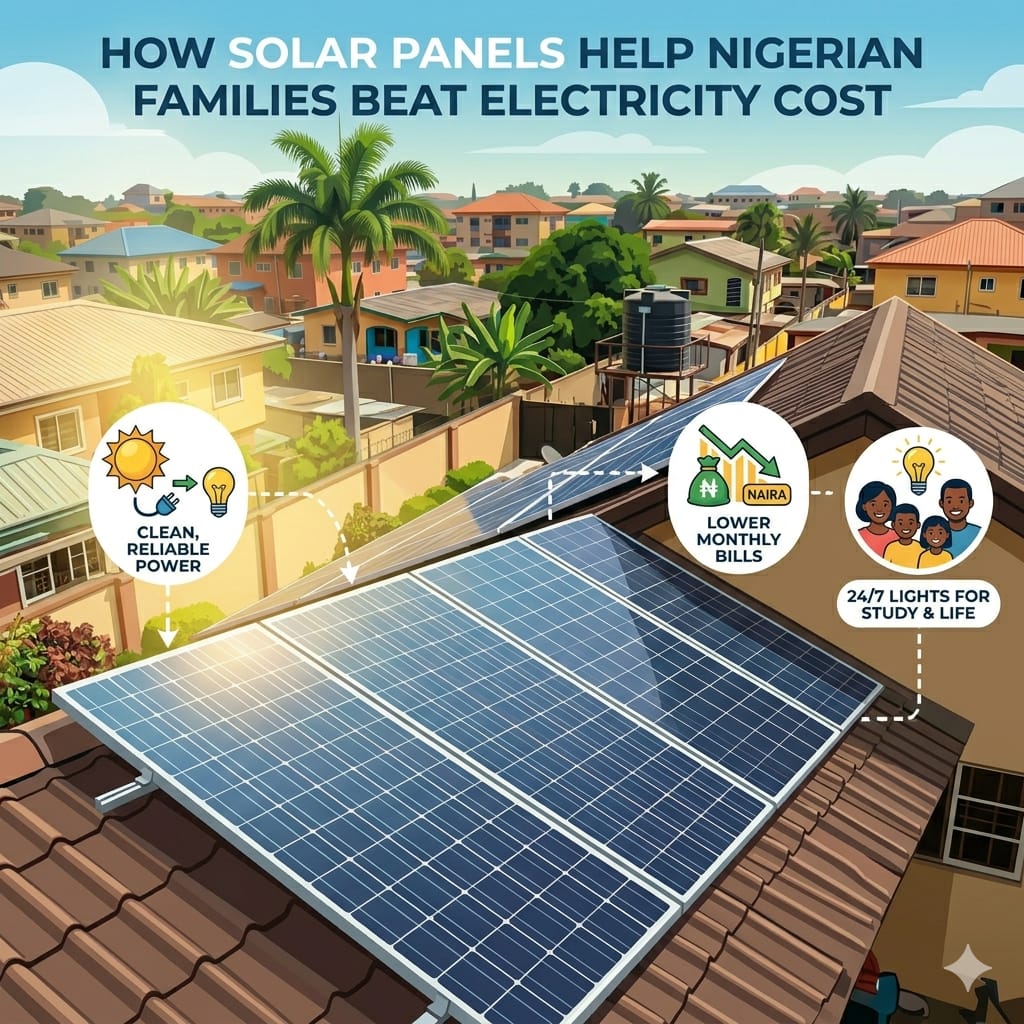
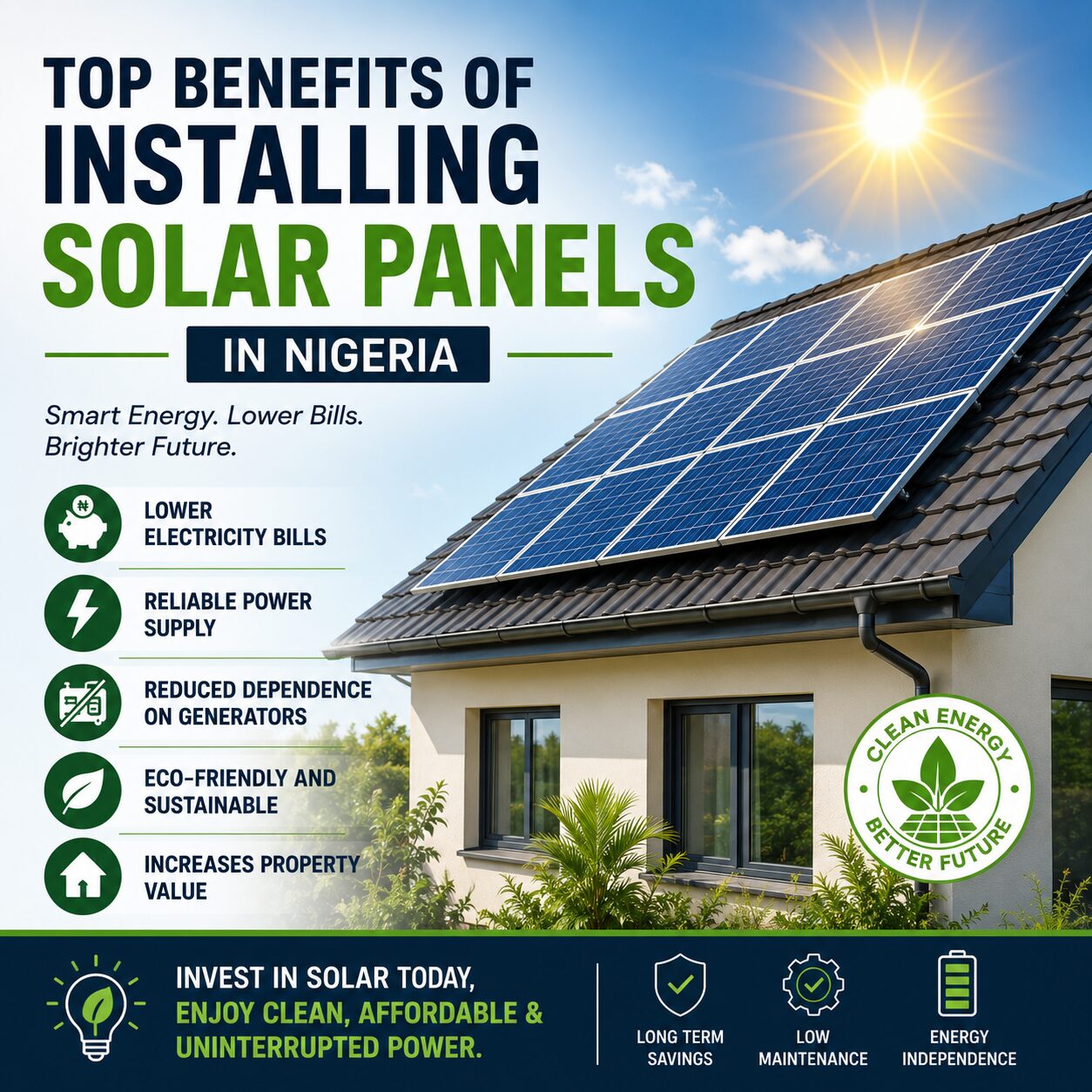
With rising electricity costs and frequent power outages, many Nigerian families are turning to solar energy as a practical and long-term solution.
Understanding Solar Panel Ratings
Solar panels are rated in watts (W).
Common residential solar panel sizes include:
200W solar panels
300W solar panels
400W solar panels
550W solar panels
600W solar panels
Higher wattage panels generate more electricity under ideal conditions. Consequently, fewer panels may be required to achieve the same energy output.
Factors That Determine the Right Solar Panel Size
Several factors influence the ideal solar panel size for a household.
Daily Electricity Consumption
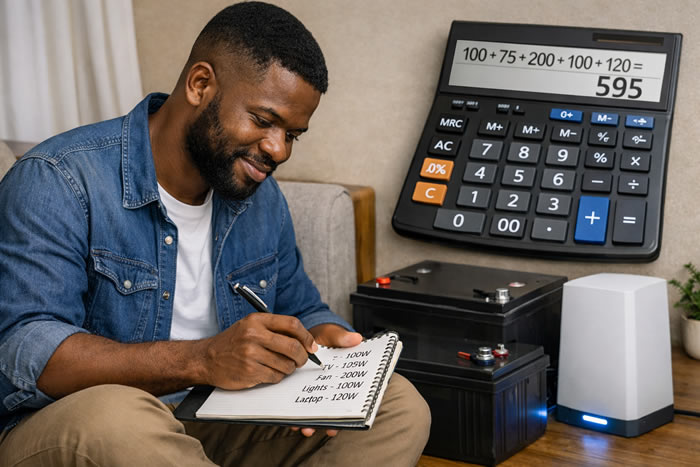
First, calculate how much electricity your home uses each day.
Consider appliances such as:
Refrigerators
Televisions
Fans
Air conditioners
Computers
Lighting systems
Higher energy usage generally requires larger solar capacity.
Number of Household Members
Larger families often consume more electricity. Therefore, household size should be considered during system design.
Available Roof Space
Roof size can limit the number of solar panels that can be installed.
For this reason, homeowners with limited space often choose higher-efficiency panels.
Budget
Your budget also affects panel selection. While premium panels may cost more initially, they often provide better long-term value.
Best Solar Panel Sizes for Small Nigerian Households
Small households typically consist of one to three people with modest energy requirements.
Recommended Capacity
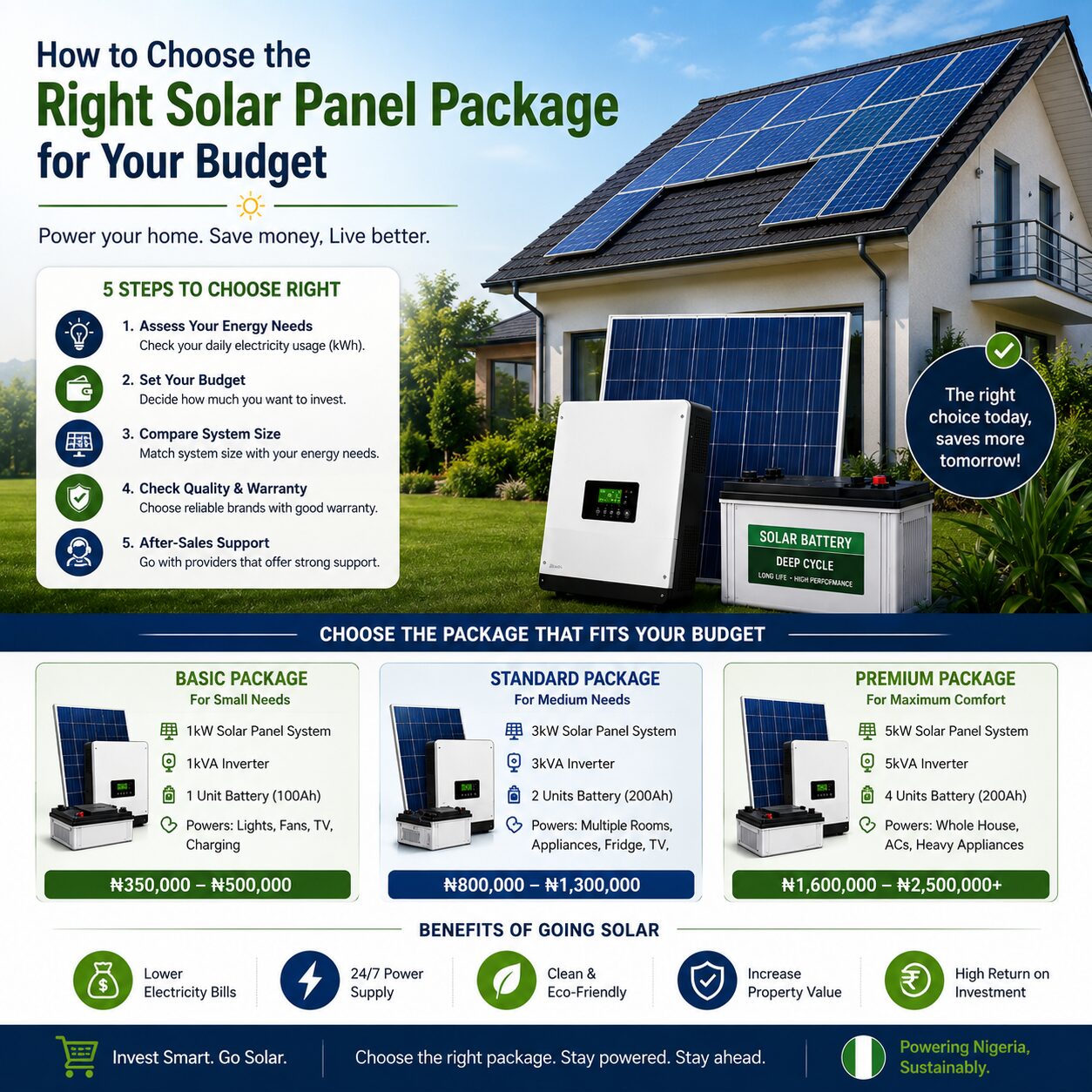
1kW to 2kW solar system
2 to 5 solar panels depending on wattage
Suitable for powering:
LED lights
Television
Fans
Mobile devices
Small refrigerator
As a result, small households can significantly reduce dependence on the national grid.
Best Solar Panel Sizes for Medium-Sized Nigerian Households
Medium-sized homes generally include four to six occupants and use more electrical appliances.
Recommended Capacity
3kW to 5kW solar system
6 to 12 solar panels depending on panel rating
Suitable for powering:
Multiple televisions
Refrigerators
Fans
Computers
Water pumps
Moderate air conditioning use
This system size provides a good balance between performance and affordability.
Best Solar Panel Sizes for Large Nigerian Households
Large families usually have higher energy demands due to increased appliance usage.
Recommended Capacity
5kW to 10kW solar system
10 to 20 solar panels depending on wattage
Suitable for powering:
Multiple air conditioners
Large refrigerators
Home offices
Entertainment systems
Water pumping systems
Consequently, larger solar systems provide greater energy independence and lower utility costs.
Popular Solar Panel Sizes in Nigeria
200W Solar Panels
These panels are suitable for small solar projects and basic household applications.
Benefits include:
Lower purchase cost
Easy installation
Suitable for limited power needs
300W Solar Panels
These remain a popular choice for residential installations.
Advantages include:
Good efficiency
Affordable pricing
Reliable performance
400W Solar Panels
Many homeowners prefer 400W panels because they offer a balance between output and installation space.
550W and 600W Solar Panels
These high-capacity panels are becoming increasingly popular.
Benefits include:
Higher energy production
Fewer panels required
Better use of roof space
As a result, they are ideal for households seeking maximum efficiency.
How Much Solar Capacity Does a Nigerian Home Need?
The required capacity depends on daily electricity consumption.
Basic Energy Needs
1kW–2kW system
Suitable for:
Lighting
Television
Phone charging
Small appliances
Moderate Energy Needs
3kW–5kW system
Suitable for:
Refrigeration
Computers
Water pumps
Multiple household appliances
High Energy Needs
5kW–10kW system
Suitable for:
Air conditioning
Large appliances
Home businesses
Extended backup power
Accurate energy calculations help determine the most suitable system size.
Common Sizing Mistakes to Avoid
Many buyers make mistakes when selecting solar panel sizes.
Common errors include:
Underestimating electricity usage
Ignoring future energy needs
Choosing panels based solely on price
Overlooking roof space limitations
Failing to consult professionals
Avoiding these mistakes can improve system performance and long-term satisfaction.
Conclusion
The best solar panel sizes for Nigerian households depend on factors such as electricity consumption, family size, roof space, and budget. Small homes may require a 1kW to 2kW system, while larger households often benefit from capacities of 5kW or more.








 Get it on
  Download on the