The cleaning industry has evolved rapidly over the past decade, driven not only by increased awareness of hygiene but also by the growing influence of government regulations. In Nigeria, where urbanization and public health concerns are rising, regulatory policies are playing a critical role in shaping how cleaning services operate.
From sanitation laws to environmental policies, these regulations are designed to ensure that cleaning practices are safe, effective, and environmentally responsible. For businesses and households alike, understanding these rules is essential.
So, how exactly are government regulations shaping the cleaning industry in Nigeria?
In this comprehensive guide, we explore the key policies, their impact on cleaning companies, and what they mean for consumers.
Why Government Regulations Matter in the Cleaning Industry
Cleaning is not just about aesthetics—it directly affects public health, safety, and environmental sustainability.
Key Reasons for Regulation
Prevent spread of diseases
Ensure safe use of chemicals
Protect workers
Promote environmental sustainability
Maintain industry standards
Without proper regulations, the industry could become unsafe and inconsistent.
Overview of Cleaning Industry Regulations in Nigeria
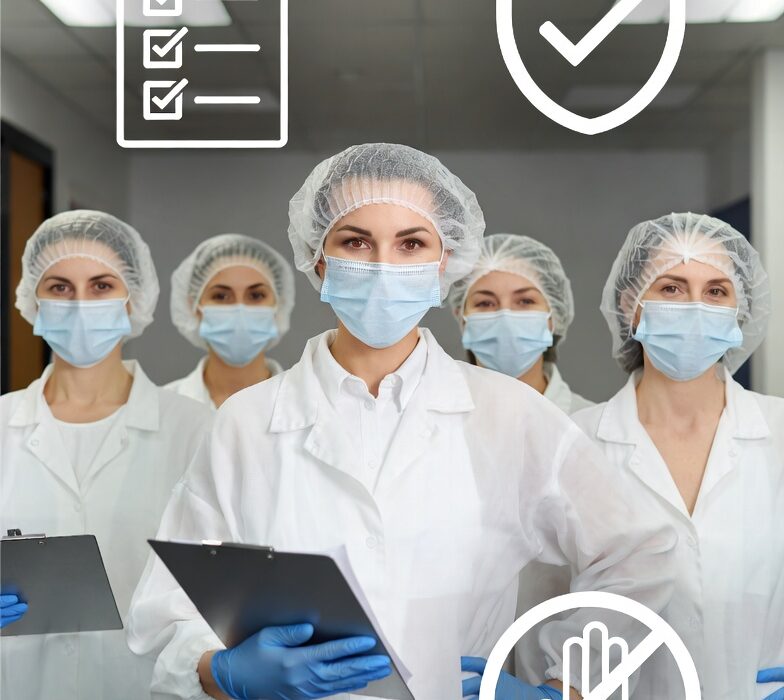
Several regulatory bodies oversee hygiene, sanitation, and environmental practices.
✔ Improved service quality ✔ Increased customer trust ✔ Better industry standards
Challenges
❌ Increased operational costs ❌ Compliance requirements ❌ Need for staff training
Impact on Consumers
Consumers benefit from:
Safer cleaning products
Better service quality
Improved hygiene standards
Role of Regulatory Compliance in Business Growth
Companies that comply with regulations:
Gain customer trust
Attract corporate clients
Build strong reputations
Rise of Eco-Friendly Cleaning Services
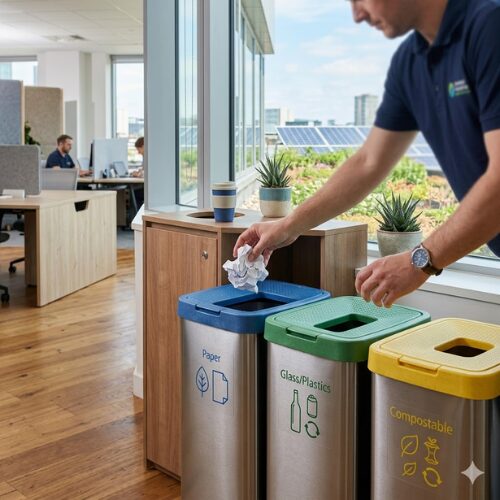
Regulations are encouraging greener practices.
Benefits
Reduced environmental impact
Safer homes
Sustainable cleaning
How Regulations Affect Cleaning Costs
Compliance can increase costs due to:
Certification fees
Training expenses
Use of approved products
However, it also improves value and quality.
Challenges Facing Regulation Enforcement in Nigeria
Despite progress, challenges remain:
Limited awareness
Weak enforcement
Informal service providers
Future of the Cleaning Industry in Nigeria
The industry is expected to grow with:
Stronger regulations
Increased awareness
Adoption of technology
Expansion of professional services
Why Businesses Must Adapt
Failure to comply can result in:
Legal penalties
Loss of customers
Poor reputation
Tips for Choosing a Compliant Cleaning Company
Check certifications
Verify licenses
Ask about safety practices
Read reviews
👉 Internal Link: Top Cleaning and Pest Control Companies in Lagos: Who Can You Trust?
Why This Matters for Nigerian Homes and Businesses
Regulations ensure that cleaning services are:
Safe
Effective
Reliable
Conclusion
Government regulations are playing a crucial role in shaping the cleaning industry in Nigeria. From improving safety standards to encouraging eco-friendly practices, these policies are transforming how cleaning services operate.
For businesses, compliance is no longer optional—it is essential. For consumers, it means better service quality, safer products, and improved hygiene.
As the industry continues to evolve, understanding these regulations will help you make smarter decisions and maintain a cleaner, healthier environment.













 Get it on
  Download on the