







The Future of Ride-Hailing Services in Africa
Introduction
The Future of Ride-Hailing Services in Africa is being shaped by rapid urbanization, smartphone adoption, digital payments, and evolving transportation needs. Over the last decade, ride-hailing platforms have transformed how millions of Africans move within cities. Today, services such as Uber, Bolt, inDrive, and local mobility startups have become essential parts of urban transportation.
As cities like Lagos, Abuja, Nairobi, Accra, and Johannesburg continue to expand, demand for reliable, affordable, and technology-driven transportation solutions is increasing. Consequently, the Future of Ride-Hailing Services in Africa looks promising, with innovation expected to drive significant growth across the continent.
The Growth of Ride-Hailing Across Africa
Ride-hailing has experienced remarkable growth due to several factors.
Key Growth Drivers
✔ Increased smartphone penetration
✔ Expanding internet access
✔ Urban population growth
✔ Digital payment adoption
✔ Demand for safer transportation
Furthermore, younger consumers are increasingly comfortable using mobile apps for everyday services.
As a result, ride-hailing platforms have become a preferred transportation option in many African cities.
How Ride-Hailing Has Changed Transportation in Nigeria
Nigeria remains one of Africa’s largest ride-hailing markets.
Major cities such as Lagos and Abuja experience heavy traffic congestion daily. Therefore, convenient transportation alternatives are highly valued.
Benefits include:
- Convenient booking
- Transparent pricing
- GPS navigation
- Improved safety features
- Cashless payment options
Consequently, ride-hailing services have become part of daily life for many Nigerians.
Major Ride-Hailing Companies Operating in Africa
Uber
Uber remains one of the most recognized transportation platforms globally.
Strengths
✔ Strong brand recognition
✔ Advanced technology
✔ Reliable safety features
✔ Wide driver network
Bolt
Bolt has grown rapidly throughout Africa.
Advantages
✔ Competitive pricing
✔ Large customer base
✔ Extensive African operations
✔ Flexible earning opportunities
inDrive
inDrive introduced a unique fare negotiation model.
Benefits
✔ Flexible pricing
✔ Driver-passenger negotiation
✔ Growing popularity
✔ Affordable transportation options
The Role of Technology in the Future of Ride-Hailing Services in Africa
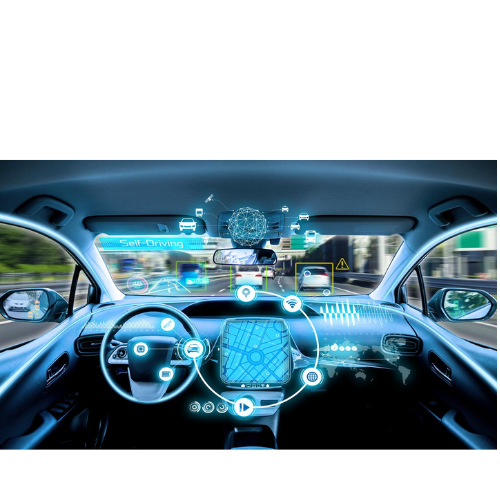
Technology continues to drive innovation within the transportation sector.
Emerging Technologies
Artificial Intelligence (AI)
AI helps improve:
- Route optimization
- Demand forecasting
- Driver matching
- Customer support
Real-Time Tracking
Modern ride-hailing platforms provide:
✔ Live vehicle tracking
✔ Estimated arrival times
✔ Enhanced passenger safety
Digital Payments
Cashless payments improve convenience and security.
Moreover, digital wallets are becoming increasingly popular across Africa.
Electric Vehicles Could Transform Ride-Hailing
One of the most exciting developments in the Future of Ride-Hailing Services in Africa is the adoption of electric vehicles (EVs).
Why EVs Matter
✔ Lower operating costs
✔ Reduced fuel dependency
✔ Lower emissions
✔ Improved sustainability
Many ride-hailing operators are exploring EV adoption as fuel costs continue to rise.
Although charging infrastructure remains limited in some regions, progress is being made.
Challenges Facing Ride-Hailing Companies in Africa
Despite impressive growth, several obstacles remain.
Fuel Costs
Fuel price increases continue to affect drivers and transportation companies.
Traffic Congestion
Cities like Lagos face significant congestion challenges.
As a result, travel times can become unpredictable.
Regulatory Changes
Governments continue to introduce new regulations affecting transportation platforms.
Therefore, companies must adapt quickly to changing policies.
Driver Retention
Maintaining driver satisfaction remains critical for platform success.
Opportunities for Growth
The future remains bright because many African markets remain underserved.
New Areas of Expansion
✔ Intercity transportation
✔ Corporate transportation
✔ Delivery services
✔ Motorcycle ride-hailing
✔ Electric mobility solutions
Furthermore, partnerships between governments and private companies could accelerate innovation.
The Rise of Super Apps
Many transportation companies are expanding beyond ride-hailing.
Today, users increasingly access:
- Food delivery
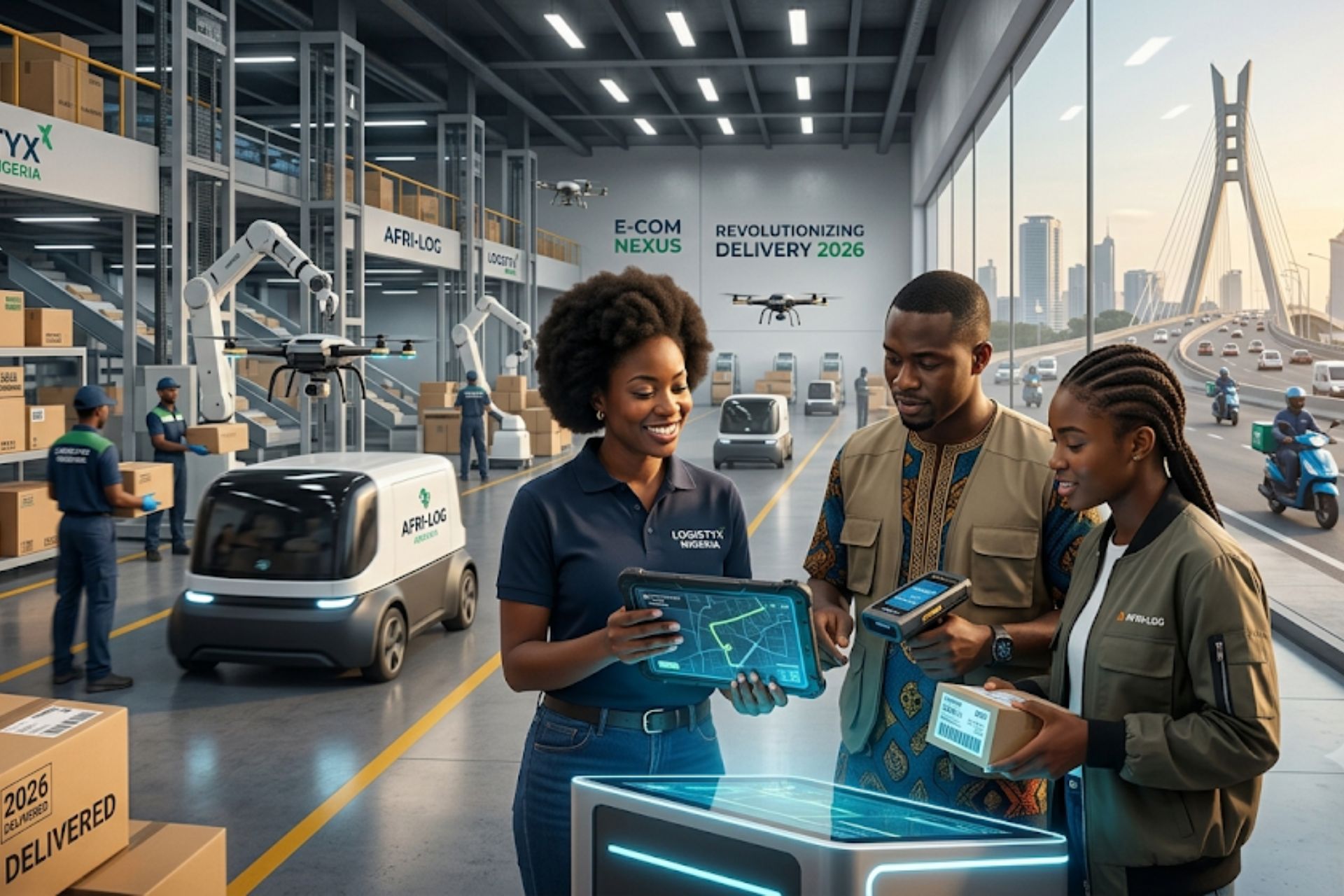
- Parcel delivery
- Grocery delivery
- Financial services
through a single application.
Consequently, mobility companies are evolving into broader digital ecosystems.
How Ride-Hailing Supports Small Businesses
Ride-hailing platforms also benefit entrepreneurs.
Business Advantages
✔ Easier customer access
✔ Faster deliveries
✔ Improved logistics
✔ Reduced transportation barriers
For small businesses, reliable transportation often contributes directly to growth.
Sustainability and Green Mobility
Environmental sustainability is becoming a major focus.
Future mobility solutions may include:
- Electric vehicles
- Shared transportation
- Carbon reduction initiatives
- Renewable energy charging infrastructure
Therefore, sustainability is likely to become a defining trend in the coming years.
What Nigerian Consumers Can Expect
Over the next few years, consumers may benefit from:
✔ Lower wait times
✔ Improved safety features
✔ Better route optimization
✔ Expanded service coverage
✔ More transportation choices
Additionally, competition among platforms could lead to more customer-friendly pricing and services.
Why Vehicle Maintenance Remains Important for Ride-Hailing Drivers
Regardless of technological advances, vehicle maintenance remains critical.
Drivers should prioritize:
- Regular servicing
- Tire inspections
- Interior cleaning
- Paint protection
- Engine maintenance
Well-maintained vehicles improve customer satisfaction and help maximize earnings.
Essential Car Care Products for Ride-Hailing Vehicles
Drivers can protect their vehicles using:
✔ Car wash shampoos
✔ Tire shine products
✔ Dashboard cleaners
✔ Upholstery cleaners
✔ Glass care products
✔ Professional detailing kits
Maintaining a clean vehicle creates a better passenger experience and supports higher customer ratings.
Final Thoughts
The Future of Ride-Hailing Services in Africa is being driven by technology, urbanization, digital payments, and changing consumer expectations. While challenges such as fuel costs, infrastructure limitations, and regulatory issues remain, the opportunities for growth are enormous.
Moreover, innovations such as electric vehicles, artificial intelligence, and integrated mobility platforms are likely to transform transportation across Africa. As these trends continue to evolve, ride-hailing services will play an increasingly important role in connecting people, supporting businesses, and shaping the future of urban mobility.






 Get it on
  Download on the