






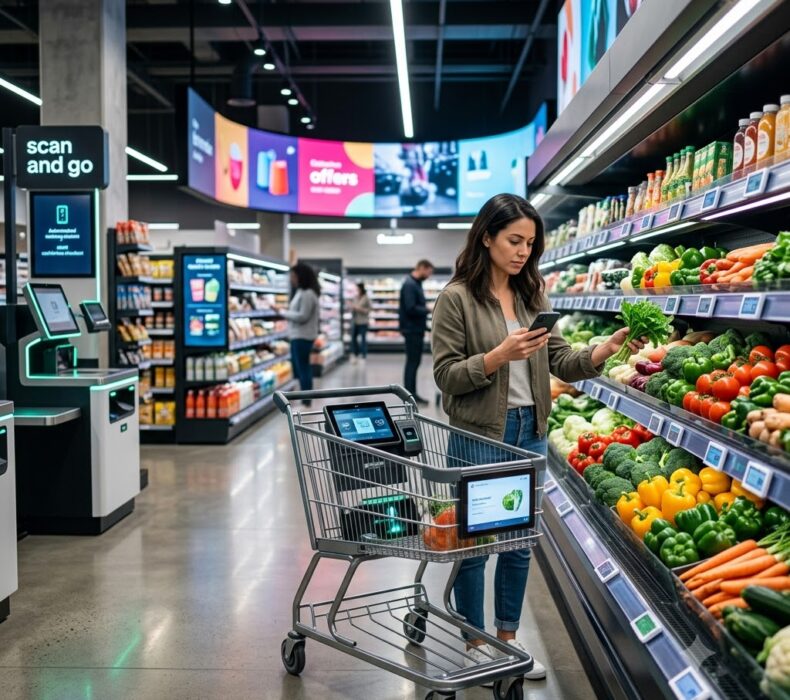
The Future of Grocery Shopping: What Consumers Can Expect
Grocery shopping has changed dramatically over the last decade. What used to be a simple trip to the local market or supermarket is now becoming a highly digital, personalized, and technology-driven experience. From mobile apps and online deliveries to artificial intelligence and cashierless stores, the grocery industry is evolving faster than ever.
As consumer behavior changes and technology advances, the future of grocery shopping promises greater convenience, better efficiency, and more personalized experiences. But what exactly should consumers expect in the coming years?
In this article, we explore the biggest future grocery shopping trends that will shape how we buy food and household essentials.
1. Online Grocery Shopping Will Continue to Grow
The online grocery shopping future looks stronger than ever.
More consumers now prefer ordering groceries from home instead of visiting physical stores. This shift has been fueled by convenience, busy lifestyles, and better delivery systems.
In the future, online grocery shopping will likely offer:
- Faster same-day delivery
- Better inventory tracking
- Real-time price comparison
- Subscription-based grocery services
- Automated repeat orders
Consumers will spend less time physically shopping and more time using apps and websites.
This trend is one of the strongest indicators of digital grocery shopping growth.
2. AI Will Personalize Grocery Shopping
One of the biggest developments is AI in grocery shopping.
Artificial intelligence is already helping stores understand customer behavior, but in the future, it will become even smarter.
AI can:
- Suggest products based on your shopping history
- Predict what you need before you run out
- Recommend healthier alternatives
- Create smart shopping lists
- Help compare prices instantly
Imagine opening your grocery app and seeing a personalized list based on your eating habits.
That’s where personalized grocery shopping is headed.
3. Smart Grocery Stores Will Become More Common
The rise of smart grocery stores is already happening.
These stores use technology to improve shopping experiences.
Features may include:
- Smart shelves
- Digital pricing labels
- AI inventory tracking
- App-based product location
- Voice-guided shopping assistance
Shoppers will be able to find products faster and make more informed decisions.
This represents a major shift in technology in supermarkets.
4. Cashierless Supermarkets Will Expand
One of the most exciting trends is cashierless supermarkets.
Instead of waiting in line, shoppers will:
- Walk in
- Pick their items
- Walk out
Sensors and AI automatically detect purchases and charge customers.
Benefits include:
- Faster shopping
- Reduced waiting time
- Better convenience
- Less human error
This model is expected to grow significantly in urban areas.
5. Grocery Delivery Will Become Faster and Smarter
Grocery delivery innovations are changing expectations.
Future delivery improvements may include:
- Delivery within 10–30 minutes
- Drone deliveries
- Robot deliveries
- Smart route optimization
- Real-time package tracking
This means consumers will get groceries faster than ever before.
The demand for speed will continue shaping the future of grocery shopping.
6. Smart Shopping Carts Will Improve Convenience
Future stores may use advanced shopping carts.
These carts can:
- Scan products automatically
- Calculate totals instantly
- Suggest promotions
- Help track budgets
- Show store maps
This makes shopping easier, especially for budget-conscious buyers.
Smart carts will become a major part of next generation grocery stores.
7. Augmented Reality Will Enhance Shopping
AR (Augmented Reality) may transform product interaction.
For example:
Point your phone at a product and instantly see:
- Ingredients
- Nutrition facts
- Reviews
- Suggested recipes
- Allergy warnings
This technology will make shopping more interactive and informative.
It will strongly influence technology in supermarkets.
8. Sustainability Will Drive Consumer Choices
Future grocery shopping will be greener.
Consumers increasingly care about:
- Eco-friendly packaging
- Sustainable farming
- Local sourcing
- Reduced plastic use
- Ethical supply chains
Stores will adapt by offering:
- Refillable products
- Minimal packaging
- Carbon footprint labels
Sustainability will become a core factor in buying decisions.
9. Voice Shopping Will Become Normal
Voice assistants will play a bigger role.
Consumers will be able to say:
“Add milk, bread, and eggs to my shopping list.”
Voice-powered grocery shopping will:
- Save time
- Improve accessibility
- Simplify ordering
This is another growing trend in digital grocery shopping.
10. Subscription-Based Grocery Services Will Increase
Subscription grocery models are growing.
Examples include:
- Weekly produce boxes
- Meal kit subscriptions
- Monthly pantry supplies
Benefits:
- Convenience
- Predictable budgeting
- Less stress
This trend supports the online grocery shopping future.
Challenges Consumers May Face
While the future is exciting, there are challenges.
Privacy concerns
AI collects shopping data.
Technology dependency
Older consumers may struggle with adoption.
Job displacement
Cashierless systems may reduce some jobs.
Delivery costs
Fast delivery may increase expenses.
Consumers will need to balance convenience with these concerns.
How Consumers Can Prepare
To stay ahead:
✔ Learn to use grocery apps
✔ Compare online prices
✔ Embrace digital payments
✔ Understand AI recommendations
✔ Prioritize data privacy
✔ Stay flexible with shopping habits
Adapting early will help consumers benefit the most.
Final Thoughts
The future of grocery shopping will be faster, smarter, and more personalized than ever before.
From AI in grocery shopping to cashierless supermarkets, consumers can expect major improvements in convenience and efficiency. While traditional grocery stores will still exist, technology will continue transforming how we shop.
The next decade will likely bring innovations we can barely imagine today. For smart consumers, staying informed and adaptable will be the key to making the most of these changes.
One thing is certain: grocery shopping will never be the same again.







 Get it on
  Download on the