






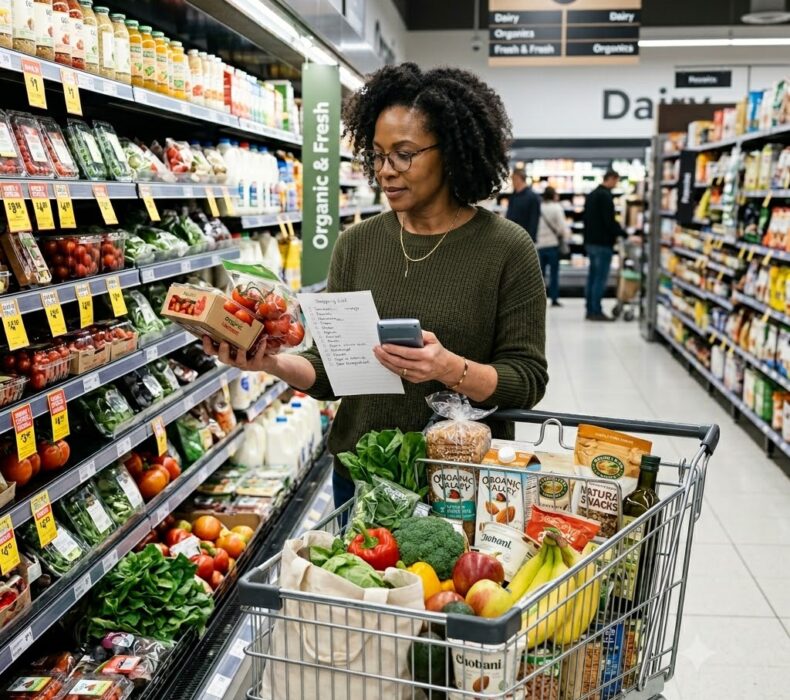
Introduction
Grocery shopping is something almost everyone does, yet many people still overspend, buy unhealthy foods, or waste money on items they never use. In today’s economy, being a smart consumer is no longer optional—it’s necessary.
Whether you’re shopping for a family, living alone, or managing a tight budget, understanding the best grocery shopping strategies can save you time, money, and stress. This ultimate grocery shopping guide will teach you everything you need to know about shopping smarter, making healthier choices, and maximizing your budget.
If you’ve ever wondered about how to save money on groceries, improve your food quality, or reduce waste, this guide is for you.
Why Smart Grocery Shopping Matters
Smart grocery shopping isn’t just about spending less money. It’s about making informed decisions that affect your health, lifestyle, and finances.
Benefits of smart shopping include:
- Lower grocery bills
- Healthier eating habits
- Less food waste
- Better meal planning
- Reduced impulse spending
- Improved financial management
With rising food prices globally, budget grocery shopping has become a top priority for households.
1. Always Plan Before You Shop
One of the most important smart grocery shopping tips is planning.
Walking into a supermarket without a plan often leads to overspending and unnecessary purchases.
Create a Weekly Meal Plan
Meal planning helps you buy only what you need.
Benefits include:
- Reduced food waste
- Better nutrition
- Easier cooking schedule
- Lower grocery costs
A good meal planning for grocery shopping routine should include:
- Breakfast meals
- Lunch options
- Dinner plans
- Snacks
- Emergency meals
Example:
Monday: Rice and chicken
Tuesday: Pasta and vegetables
Wednesday: Beans and plantain
Thursday: Salad and grilled fish
Friday: Stir-fry noodles
This makes shopping easier and more structured.
2. Make a Grocery Shopping Checklist
A grocery shopping checklist keeps you focused.
Organize your list into categories:
Produce
- Tomatoes
- Onions
- Lettuce
- Apples
- Bananas
Proteins
- Chicken
- Fish
- Eggs
- Beans
Carbohydrates
- Rice
- Bread
- Pasta
Dairy
- Milk
- Cheese
- Yogurt
Household Items
- Tissue paper
- Cleaning supplies
- Dish soap
Shopping with a checklist reduces unnecessary spending and ensures you don’t forget essentials.
3. Set a Budget Before Shopping
Budgeting is a powerful part of budget grocery shopping.
Decide how much you can spend before entering the store.
Example:
Weekly budget = ₦30,000
Breakdown:
- Proteins = ₦10,000
- Carbs = ₦7,000
- Vegetables = ₦5,000
- Snacks = ₦3,000
- Miscellaneous = ₦5,000
This method keeps spending under control.
4. Never Shop Hungry
This is one of the oldest but most effective grocery shopping hacks.
Shopping hungry makes you more likely to:
- Buy junk food
- Overspend
- Make emotional purchases
Eat a light meal or snack before heading to the store.
It helps you stick to your plan.
5. Compare Prices Carefully
Learning how to compare grocery prices can save a lot of money over time.
Many shoppers only look at the price tag, but smart consumers compare:
- Price per unit
- Product size
- Quality
- Brand reputation
- Expiry date
Example:
Product A = ₦2,500 for 1kg
Product B = ₦4,200 for 2kg
Product B may offer better value.
Always check unit pricing.
6. Buy Generic Brands When Possible
Brand loyalty can be expensive.
Store-brand products often have similar quality at lower prices.
Items where generic works well:
- Rice
- Flour
- Sugar
- Salt
- Cleaning supplies
- Frozen vegetables
This is one of the best grocery shopping strategies for reducing costs.
7. Understand Expiry Dates
Smart consumers always read labels.
Key date terms:
Best Before
Quality may reduce after this date but may still be safe.
Use By
Consume before this date for safety.
Sell By
For store inventory purposes.
Checking dates prevents waste and health risks.
8. Shop Seasonal Foods
Seasonal produce is usually:
- Fresher
- Cheaper
- More nutritious
For example:
Rainy season:
- Corn
- Watermelon
- Cucumbers
Dry season:
- Mangoes
- Oranges
- Sweet potatoes
A healthy grocery shopping guide always prioritizes seasonal foods.
9. Avoid Impulse Buying
One major money killer is avoiding impulse buying in supermarkets.
Retail stores are designed to encourage unplanned purchases.
Common impulse triggers:
- Snacks at checkout
- Discount signs
- “Buy 2 Get 1 Free” offers
- Attractive packaging
How to avoid it:
- Stick to your list
- Set a spending limit
- Ignore flashy promotions unless needed
10. Read Nutrition Labels
A proper healthy grocery shopping guide includes understanding food labels.
Check:
- Sugar content
- Sodium levels
- Calories
- Protein
- Artificial additives
Avoid products with excessive sugar and unhealthy fats.
Health-conscious shopping improves long-term wellbeing.
11. Buy in Bulk (But Smartly)
Bulk buying works best for:
- Rice
- Beans
- Pasta
- Tissue paper
- Cleaning products
Benefits:
- Lower cost per unit
- Fewer shopping trips
- Long-term savings
However, avoid bulk purchases for perishables unless you can store them.
This is a proven grocery shopping hack.
12. Use Technology to Your Advantage
Modern shoppers should use:
- Price comparison apps
- Digital coupons
- Loyalty programs
- Store apps
- Cashback rewards
Technology makes smart grocery shopping tips easier to apply.
13. Prioritize Fresh Foods Over Processed Foods
Processed foods are convenient but often expensive and unhealthy.
Choose:
✔ Fresh vegetables
✔ Fresh fruits
✔ Whole grains
✔ Fresh proteins
Limit:
✘ Sugary cereals
✘ Processed meats
✘ Frozen junk food
✘ Artificial drinks
This supports both health and savings.
14. Shop at the Right Time
Timing matters.
Best times:
- Early morning for fresh produce
- Late evening for markdown deals
- Mid-week for less crowd
Smart timing improves shopping efficiency.
15. Know Your Store Layout
Frequent shoppers should learn store layouts.
This saves:
- Time
- Energy
- Unplanned spending
Usually:
Outer aisles = fresh foods
Middle aisles = processed items
Sticking to outer aisles supports healthier choices.
Common Grocery Shopping Mistakes to Avoid
Even smart shoppers make mistakes.
Avoid these:
Buying too much
Leads to waste.
Ignoring price comparisons
You may overpay.
Falling for fake discounts
Not all promotions save money.
Forgetting pantry inventory
Causes duplicate purchases.
Shopping emotionally
Can destroy your budget.
Recognizing these mistakes improves best grocery shopping strategies.
Smart Grocery Shopping for Families
Families need extra planning.
Tips:
- Buy larger packs
- Prepare weekly meal plans
- Focus on versatile foods
- Buy kid-friendly healthy snacks
- Track consumption patterns
This improves household savings significantly.
Smart Grocery Shopping for Singles
Singles often waste food.
Tips:
- Buy smaller portions
- Freeze leftovers
- Shop more frequently
- Avoid overstocking perishables
This supports smarter budgeting.
Grocery Shopping Checklist for Every Smart Consumer
Before leaving home:
✔ Check pantry
✔ Make meal plan
✔ Set budget
✔ Write shopping list
✔ Eat before shopping
✔ Carry reusable bags
✔ Check for discounts
✔ Review store deals
This simple checklist improves every trip.
Final Thoughts
Being a smart consumer isn’t about being cheap—it’s about being intentional.
With the right smart grocery shopping tips, you can save money, eat better, reduce waste, and improve your overall lifestyle.
Remember:
- Plan ahead
- Stick to your list
- Compare prices
- Avoid impulse buying
- Buy seasonal foods
- Focus on health
Mastering these habits will transform the way you shop forever.
Whether your goal is how to save money on groceries, improve nutrition, or become better at budget grocery shopping, these strategies will help you become a more confident and efficient shopper.
Smart shopping starts with smarter choices.







 Get it on
  Download on the