






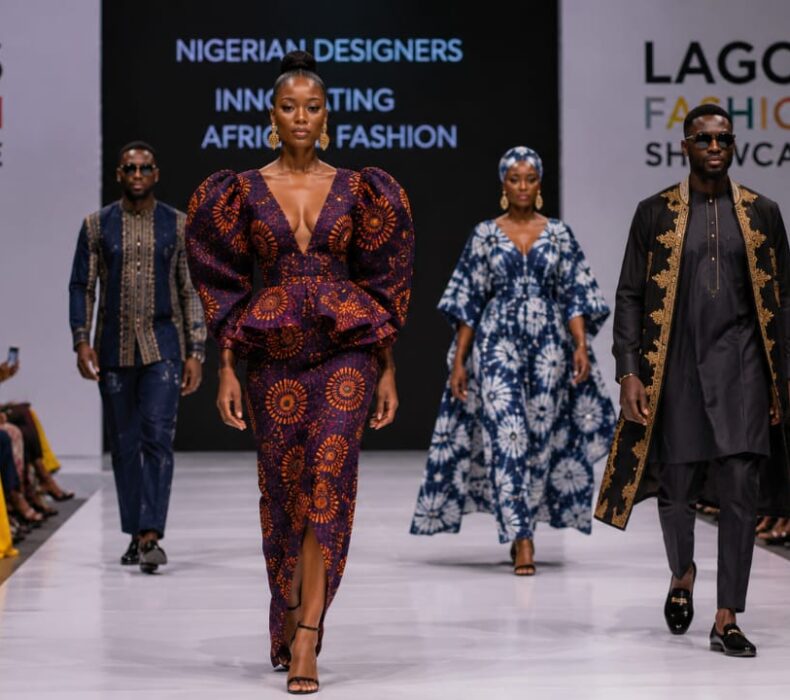
Nigeria has become one of Africa’s most influential fashion hubs. Over the years, the country’s designers have gained international recognition for blending traditional African aesthetics with modern fashion innovation. Today, Nigerian fashion is no longer limited to local markets. It is making its mark on global runways, international fashion weeks, celebrity wardrobes, and online fashion stores worldwide.
The rise of top Nigerian fashion designers has not only elevated the country’s reputation but has also contributed significantly to economic growth, job creation, and cultural preservation. In 2026, Nigerian designers continue to redefine style, proving that African fashion can compete with the best in the world.
This article highlights some of the most influential local fashion designers Nigeria has produced and examines how they are transforming the industry.
The Growth of Nigeria’s Fashion Industry
The Nigerian fashion industry has experienced remarkable growth over the last decade. Social media, eCommerce platforms, fashion influencers, and increased global exposure have created opportunities for designers to showcase their work beyond local audiences.
Today, many Nigerian fashion brands are recognized for their creativity, quality craftsmanship, and ability to blend traditional fabrics with contemporary designs.
Several factors have contributed to this growth:
- Increased demand for African fashion
- Global appreciation of cultural diversity
- Expansion of online retail
- Growth of fashion entrepreneurship
- International collaborations
As a result, Nigeria now stands among Africa’s leading fashion destinations.
Why Nigerian Designers Are Gaining Global Attention
Modern consumers are increasingly seeking authenticity and unique fashion experiences. Nigerian designers provide exactly that through collections inspired by culture, heritage, and innovation.
Many African fashion designers from Nigeria have successfully introduced global audiences to fabrics such as:
- Ankara
- Adire
- Aso Oke
- Lace
- George
By transforming these traditional materials into modern garments, designers create pieces that appeal to both local and international markets.
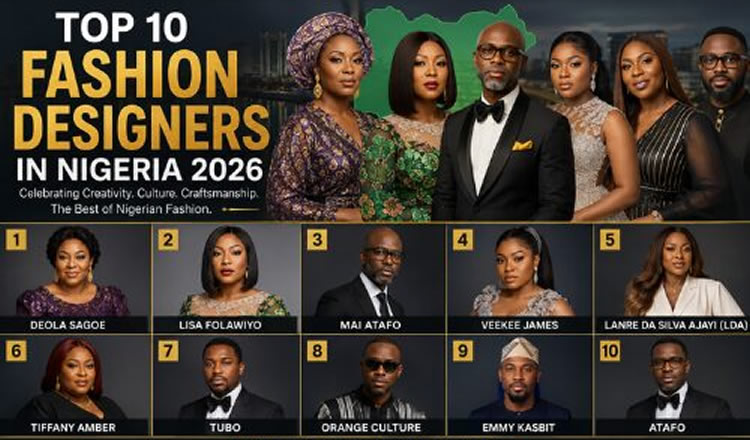
Deola Sagoe: A Pioneer of Luxury African Fashion
Deola Sagoe remains one of Nigeria’s most respected fashion icons.
Known for her luxury designs and innovative use of traditional textiles, she has played a major role in introducing African fashion to international audiences.
Her designs have been worn by celebrities, dignitaries, and influential figures worldwide.
Key contributions include:
- Promoting indigenous fabrics
- Elevating African luxury fashion
- Inspiring emerging designers
- Expanding global awareness of Nigerian fashion
Her influence continues to shape luxury fashion Nigeria trends today.
Lisa Folawiyo: Reinventing Ankara Fashion
Lisa Folawiyo has transformed perceptions of Ankara by introducing intricate embellishments and modern tailoring techniques.
Her brand demonstrates how traditional African fabrics can be adapted for contemporary fashion consumers.
Through innovation and craftsmanship, she has helped position made in Nigeria fashion as a premium product category.
Mai Atafo: Redefining Men’s Fashion
Mai Atafo is widely recognized for redefining men’s fashion in Nigeria.
His brand is known for:
- Tailored suits
- Wedding attire
- Luxury menswear
- Contemporary styling
His commitment to quality and elegance has made him one of the country’s most respected designers.
Many professionals and celebrities rely on his collections for major events.
Orange Culture: Challenging Fashion Norms
Adebayo Oke-Lawal has gained international recognition through his brand, Orange Culture.
The brand is celebrated for:
- Creative storytelling
- Gender-fluid fashion
- Contemporary African aesthetics
- Youth-focused design
Orange Culture has successfully expanded the conversation around African fashion and modern identity.
This innovative approach has attracted attention from international fashion communities.
Tiffany Amber: Building a Global African Brand
Folake Coker is another influential figure shaping the industry.
Her brand has become synonymous with sophistication and elegance.
Achievements include:
- International runway appearances
- Luxury fashion recognition
- Strong brand identity
- Promotion of African craftsmanship
She remains one of the most successful names in Nigerian fashion brands.
Emerging Designers to Watch in 2026
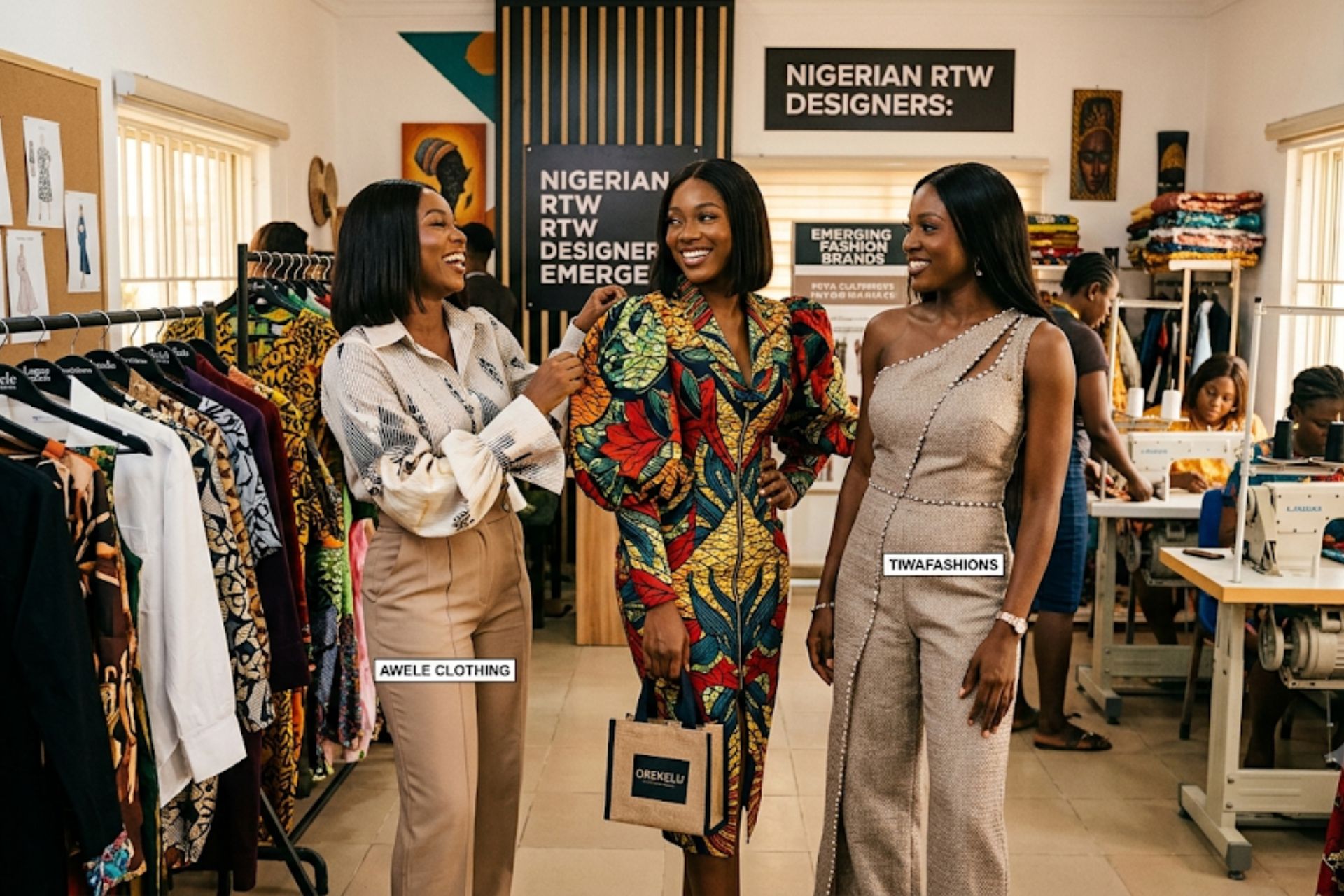
While established designers continue to thrive, a new generation of talent is rapidly emerging.
These designers are bringing fresh ideas to the industry through:
- Sustainable fashion
- Digital innovation
- Contemporary streetwear
- Modern tailoring
Many younger designers leverage social media and eCommerce to reach wider audiences.
This shift is helping accelerate the growth of fashion industry Nigeria opportunities.
The Rise of Sustainable Fashion
Sustainability has become a major focus for many designers.
Consumers increasingly seek:
- Ethical production
- Eco-friendly materials
- Durable garments
- Responsible manufacturing
As sustainability gains momentum, many local fashion designers Nigeria are adapting their production processes to meet changing consumer expectations.
This trend is expected to play an even larger role in the future.
How Technology Is Changing Fashion
Technology is transforming how designers operate.
Key developments include:
- Online fashion stores
- Virtual fashion shows
- Digital marketing
- AI-assisted design tools
- Global eCommerce platforms
These innovations allow designers to reach international customers without relying solely on physical retail locations.
As a result, Nigerian fashion is becoming more accessible than ever before.
Supporting Made-in-Nigeria Fashion
The success of made in Nigeria fashion depends heavily on consumer support.
Buying from local designers offers several benefits:
- Supports local businesses
- Creates employment opportunities
- Promotes cultural heritage
- Encourages innovation
Consumers who support local brands contribute directly to the continued growth of the industry.
Challenges Facing Nigerian Fashion Designers
Despite significant progress, challenges remain.
Common obstacles include:
- Rising production costs
- Import dependency
- Counterfeit products
- Infrastructure limitations
- Access to funding
However, many designers continue to overcome these barriers through innovation, resilience, and strategic partnerships.
The Future of Nigerian Fashion
The future looks exceptionally promising for Nigerian fashion.
Industry experts expect continued growth in:
- International exports
- Luxury fashion
- Sustainable production
- Digital commerce
- Global collaborations
The influence of top Nigerian fashion designers is likely to expand even further as global interest in African fashion continues to rise.
Final Thoughts
The success of top Nigerian fashion designers demonstrates the creativity, resilience, and innovation driving the country’s fashion industry.
From pioneers such as Deola Sagoe and Lisa Folawiyo to emerging talents redefining contemporary fashion, Nigeria continues to produce designers who influence global trends while celebrating African heritage.
As consumers increasingly embrace made in Nigeria fashion, support local fashion designers Nigeria, and explore leading Nigerian fashion brands, the industry is poised for even greater success in the years ahead.
Nigeria is not just participating in the global fashion conversation—it is helping shape it.
Related Posts:


- Tags:
- African fashion designers
- Afrocentric fashion brands
- Ankara fashion designers
- best fashion designers in Nigeria
- contemporary African fashion
- emerging Nigerian designers
- fashion brands in Nigeria
- fashion entrepreneurs Nigeria
- Nigerian fashion designers 2026
- Nigerian fashion industry
- Nigerian fashion trends 2026
- Top Nigerian fashion designers


 Get it on
  Download on the