






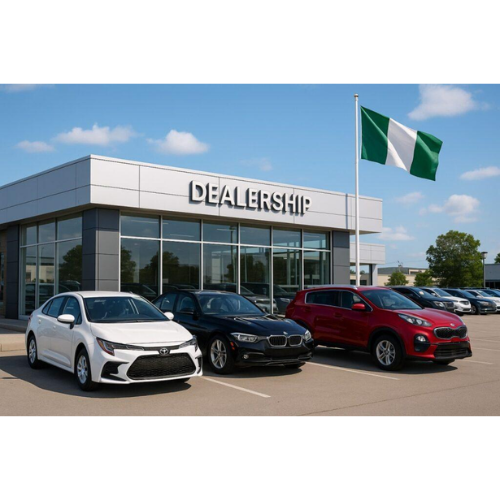
Introduction
Electric vehicles are the future but can they survive in Nigeria?
Brands like Tesla have transformed the global auto industry with innovation, sustainability, and cutting-edge technology. However, bringing these luxury EVs into a country like Nigeria especially cities like Lagos comes with serious challenges.
From unstable electricity to limited infrastructure, this article explores whether Tesla and similar EV brands can truly thrive in Nigeria.
⚡ Power Supply: The Biggest Obstacle

One of the biggest issues affecting EV adoption in Nigeria is unreliable electricity.
Unlike countries with stable power grids, Nigeria experiences:
- Frequent blackouts
- High reliance on generators
- Inconsistent voltage supply
For a brand like Tesla, which depends entirely on electric charging, this presents a major barrier.
👉 Imagine owning an EV but needing fuel (petrol) just to power your generator to charge it.
🔌 Charging Infrastructure Is Almost Nonexistent

In developed countries, EV users benefit from widespread charging stations. In Nigeria, this infrastructure is still in its infancy.
Challenges include:
- Very few public charging stations
- No standardized EV charging network
- Heavy dependence on home charging
Without reliable infrastructure, scaling Tesla in Nigeria becomes extremely difficult.
🛣️ Road Conditions & Driving Environment


Nigeria’s road conditions present another major challenge:
- Potholes and uneven roads
- Flooding during rainy seasons
- Heavy traffic congestion
Luxury EVs like Tesla vehicles are designed for smoother environments. Constant exposure to rough roads can:
- Damage suspension systems
- Reduce battery efficiency
- Increase maintenance costs
💰 Cost & Affordability


Tesla vehicles are considered premium luxury cars.
In Nigeria:
- Import duties are high
- Currency fluctuations increase costs
- Limited financing options exist
This makes Tesla accessible only to a small percentage of Nigerians.
🔧 Maintenance & Technical Expertise
Another key concern is after-sales support.
Currently:
- Few technicians are trained in EV repairs
- Spare parts are not readily available
- No official Tesla service centers
This creates uncertainty for potential buyers.
🌱 Is There Still Hope for Tesla in Nigeria?
Despite the challenges, there is potential.
Opportunities include:
- Growing interest in clean energy
- Rising fuel prices pushing alternatives
- Tech-savvy younger population
If Nigeria improves:
- Power supply
- Charging infrastructure
- EV awareness
Then Tesla could gradually gain traction.
🚘 What This Means for Car Owners in Lagos
For now, petrol-powered vehicles still dominate roads in Lagos.
This means car maintenance remains critical:
- Protect your paint from harsh sun
- Maintain interiors due to heat
- Keep your vehicle clean and efficient
🧼 Why Car Care Still Matters (Even in an EV Future)
Whether petrol or electric, every car needs proper maintenance.
At your store, customers can find:
- Exterior protection products
- Interior care solutions
- Tire and wheel cleaners
- Professional detailing services
Keeping your car in top condition is essential—regardless of future EV adoption.
🔚 Final Thoughts
So, can Tesla survive Nigeria?
👉 The answer: Yes—but not yet easily.
Until infrastructure, electricity, and affordability improve, EV adoption will remain slow. However, the future is promising—and Nigeria may eventually catch up with global automotive trends.
📣 Call to Action
Looking to keep your current car in perfect condition?
👉 Shop premium car care products today
👉 Get professional detailing services in Lagos
👉 Send us a DM to order
Related Posts:



- Tags:
- Tesla in Nigeria


 Get it on
  Download on the