The global energy landscape is changing rapidly. As governments, businesses, and homeowners seek cleaner power solutions, renewable energy continues to gain momentum. The Future of Renewable Energy: Why Solar Panels Lead the Way has become an important topic because solar technology offers an effective combination of affordability, reliability, and environmental benefits.
Today, solar panels are more efficient and accessible than ever before. Consequently, millions of people are choosing solar energy to reduce electricity costs and decrease their reliance on traditional power sources.
Understanding Renewable Energy
Renewable energy comes from natural resources that are continuously replenished. These resources include sunlight, wind, water, and geothermal heat.
Unlike fossil fuels, renewable energy sources produce little to no harmful emissions. For this reason, they play a critical role in reducing environmental pollution and combating climate change.
Several renewable energy technologies are available today. However, solar energy remains one of the most widely adopted options worldwide.
Why Solar Energy Continues to Grow
Solar energy has experienced remarkable growth over the past decade. Falling equipment costs and technological improvements have made solar systems more attractive to consumers.
Many countries are also investing heavily in renewable energy infrastructure. As a result, solar power installations continue to increase year after year.
Another important factor is energy independence. Homeowners and businesses want greater control over their electricity supply. Solar panels provide an effective solution by allowing users to generate their own power.
Solar Panels Offer Clean Energy
One of the biggest advantages of solar panels is their ability to produce clean electricity.
Traditional power generation often relies on coal, oil, or natural gas. These fuels release greenhouse gases into the atmosphere. Solar panels, on the other hand, generate electricity directly from sunlight without harmful emissions.
Therefore, solar energy helps create a cleaner environment while supporting global sustainability goals.
Lower Energy Costs for Consumers
Electricity prices continue to rise in many parts of the world. Consequently, consumers are searching for ways to reduce monthly utility expenses.
Solar panels can significantly lower electricity bills by generating free energy from sunlight. Although installation requires an upfront investment, long-term savings often outweigh the initial costs.
Furthermore, advancements in solar technology continue to improve efficiency, increasing the financial benefits for system owners.
Improved Technology Drives Adoption
Modern solar panels are far more advanced than earlier generations.
Manufacturers now produce panels with higher efficiency ratings and longer lifespans. In addition, innovations such as bifacial panels, TOPCon technology, and smart monitoring systems are improving overall performance.
These developments allow homeowners to generate more electricity from the same amount of sunlight. As a result, solar power becomes even more attractive for residential and commercial applications.
Solar Energy Supports Energy Independence
Many regions experience unreliable power supplies and frequent outages.
Solar systems help address these challenges by enabling users to produce electricity on-site. When combined with battery storage, solar panels can provide power during grid interruptions.
This capability is especially valuable in areas where electricity infrastructure is inconsistent. Consequently, more households are investing in solar energy solutions.
Environmental Benefits of Solar Panels
Environmental sustainability remains a major reason for the growth of solar energy.
Solar panels help reduce:
Carbon emissions
Air pollution
Dependence on fossil fuels
Environmental degradation
Moreover, renewable energy systems require fewer natural resources during operation than conventional power plants.
By adopting solar energy, individuals and businesses contribute to a healthier planet for future generations.
Solar Energy Creates Economic Opportunities
The growth of the solar industry is generating employment opportunities around the world.
Jobs are being created in:
Manufacturing
Installation
Maintenance
Engineering
Research and development
As investment in renewable energy increases, the demand for skilled workers continues to grow. Therefore, solar energy contributes not only to environmental progress but also to economic development.
The Role of Battery Storage
Battery technology plays a crucial role in the future of renewable energy.
Solar panels generate electricity during daylight hours. Batteries store excess energy for use at night or during cloudy weather.
Recent improvements in battery storage systems have increased efficiency and affordability. Consequently, solar energy is becoming a more reliable source of electricity.
As storage technology continues to advance, renewable energy systems will become even more practical.
The Future of Solar Innovation
Researchers continue to develop new ways to improve solar panel performance.
Emerging technologies include:
Perovskite solar cells
Advanced battery systems
Artificial intelligence energy management
Smart grid integration
These innovations have the potential to further increase efficiency while reducing costs.
At the same time, manufacturing improvements are making solar technology more affordable for consumers worldwide.
What This Means for Nigeria
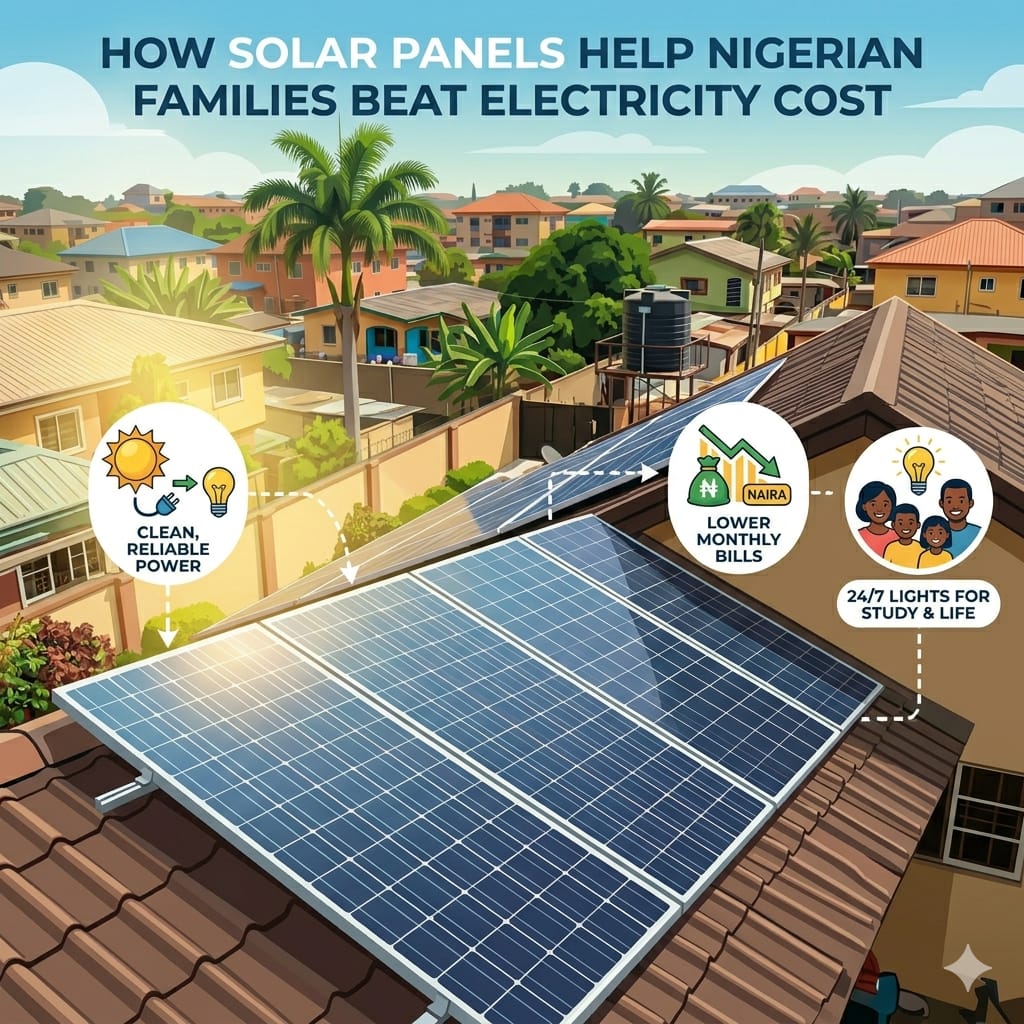
Nigeria receives abundant sunlight throughout the year. This natural advantage makes solar energy particularly attractive for homes and businesses.
Many Nigerians face challenges such as unreliable electricity supply and rising energy costs. Solar panels offer a practical solution to both issues.
As technology becomes more affordable, solar adoption is expected to grow significantly across the country. Therefore, solar energy could play a major role in improving access to reliable electricity.
Conclusion
The Future of Renewable Energy: Why Solar Panels Lead the Way is evident in the rapid growth of solar technology worldwide. Solar panels provide clean electricity, reduce energy costs, support sustainability, and promote energy independence.
As renewable energy adoption accelerates, solar panels are positioned to remain at the forefront of global energy transformation.















 Get it on
  Download on the