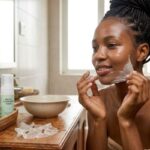
If you enjoy skincare products that leave your face feeling fresh, smooth and deeply cleansed, you may have come across a peel-off mask. These facial masks are applied as a liquid, gel or cream-like formula and allowed to dry on the skin before being gently peeled away.
Peel-off masks have become popular because they offer more than just a relaxing skincare experience. Depending on the formulation, they can help remove surface impurities, excess oil and loose dead skin cells, leaving the skin feeling softer and refreshed.
However, not every peel-off mask is suitable for every skin type. Using one too frequently or peeling it off aggressively may result in dryness, redness or irritation. This is particularly important for people with sensitive or easily irritated skin.
So, what is a peel-off mask, how does it work, what are its benefits, and are there any side effects?
In this guide, we explain everything you need to know about peel-off masks, including how to use them correctly, how often to use them, who should avoid them and how to choose one for your skin type.
What Is a Peel-Off Mask?
Apeel-off maskis a type of facial mask that forms a thin film over the skin as it dries. Once completely dry, the film can be gently lifted and peeled away.
Unlike traditional clay masks, cream masks or wash-off masks, you do not normally rinse a peel-off mask away immediately. Instead, the product is allowed to dry before being removed.
The peeling process can physically remove loose dead skin cells, surface oil and some impurities sitting on the skin.
Peel-off masks are available in different formulations. Some are designed for oily skin, while others focus on hydration, brightening, soothing or improving the appearance of dull skin.
Common ingredients found in peel-off masks may include:
Charcoal
Aloe vera
Botanical extracts
Antioxidants
Vitamins
Hydrating ingredients
Film-forming ingredients
Skin-conditioning agents
The benefits depend largely on the ingredients used in the particular product.
How Does a Peel-Off Mask Work?
Understanding how a peel-off mask works makes it easier to use one correctly.
After application, the water or other volatile components in the formula gradually evaporate. The remaining film-forming ingredients create a flexible layer over the skin.
Once the mask dries, it can be carefully lifted from the edges and peeled away.
As the mask comes off, it can take some loose material from the surface of the skin with it, including:
Dead skin cells
Excess surface oil
Loose flakes
Surface impurities
Some cosmetic residue
This can create an immediate sensation of smoother, cleaner skin.
However, a peel-off mask does not literally pull all dirt or blackheads from deep inside your pores. The appearance of smaller-looking pores after using one is often temporary and may be related to removing surface buildup and excess oil.
10 Benefits of a Peel-Off Mask
The specific benefits of a peel-off mask depend on its ingredients and your skin type. Here are some of the most common reasons people use them.
1. Removes Surface Dead Skin Cells
One of the main benefits of a peel-off mask is physical removal of loose dead skin cells.
When these cells accumulate on the skin’s surface, they can contribute to a dull or rough appearance. Gently removing some of this buildup can make the skin feel smoother.
However, peeling should be gentle. Aggressive removal can irritate the skin.
2. Helps Remove Excess Oil
Some peel-off masks are formulated for oily and combination skin.
They may help remove excess oil from the skin’s surface, leaving the face feeling cleaner and less greasy.
If you have oily skin, however, avoid trying to remove all facial oil. Excessive stripping can leave the skin dry and uncomfortable.
3. Leaves Skin Feeling Smoother
After a peel-off mask is removed, many users notice an immediately smoother skin texture.
This can be particularly noticeable when surface flakes and dead skin cells have been removed.
4. Gives the Skin a Fresh Appearance
A buildup of oil, dead skin and environmental impurities can make the skin appear tired or dull.
An occasional peel-off mask may help refresh the appearance of the skin by removing some of this surface buildup.
5. Provides Gentle Physical Exfoliation
Depending on the formulation and how it is removed, a peel-off mask can provide a form of physical exfoliation.
This can help improve the feel of rough skin.
However, people who already use exfoliating acids or retinoids should be careful about combining multiple exfoliating treatments.
6. Can Help Prepare the Skin for Skincare
Smoother skin may make products such as moisturizers easier to spread.
However, a peel-off mask should not be used as a way to force skincare products deeper into the skin.
The priority should always be maintaining a healthy skin barrier.
7. Can Temporarily Improve the Appearance of Pores
Peel-off masks can make pores appear temporarily cleaner or less noticeable by removing surface oil and buildup.
It is important to remember that pores cannot be permanently closed because they are normal structures in the skin.
8. Can Be Relaxing
Skincare is not only about appearance.
Applying a facial mask can also become part of a relaxing self-care routine. Spending a few minutes caring for your skin can make your skincare routine feel more enjoyable.
9. Convenient for At-Home Skincare
A peel-off mask does not usually require complicated equipment.
You can apply it at home, allow it to dry and remove it according to the product instructions.
This makes it a convenient option for people who want an occasional facial treatment.
10. Different Formulas Suit Different Skin Concerns
One major advantage of peel-off masks is the variety of formulations available.
You can find products marketed for:
Oily skin
Combination skin
Dull skin
Uneven-looking skin
Hydration
Brightening
Surface exfoliation
The important thing is to choose according to your skin type rather than buying a mask simply because it is popular.
What Is a Peel-Off Mask Used For?
A peel-off mask can be used for several skincare purposes depending on its formulation.
Peel-Off Mask for Oily Skin
If your face becomes oily during the day, an oil-control peel-off mask may help reduce surface oil temporarily.
Look for products designed to cleanse without leaving the skin excessively tight or dry.
Peel-Off Mask for Dull Skin
A peel-off mask may help remove surface buildup that contributes to a dull-looking complexion.
Some products also contain ingredients intended to support a brighter-looking appearance.
Peel-Off Mask for Exfoliation
The removal process can help lift loose dead skin cells from the surface.
However, if you already use exfoliating products, such as glycolic acid, lactic acid or salicylic acid, avoid overdoing exfoliation.
Peel-Off Mask for a Smoother Skin Texture
Removing surface flakes can temporarily make the skin feel softer and smoother.
For lasting improvements in texture, however, consistent skincare is more important than occasional masking.
How to Use a Peel-Off Mask Correctly
Using a peel-off mask correctly can help reduce unnecessary irritation.
Step 1: Cleanse Your Face
Begin with a gentle facial cleanser.
Remove makeup, sunscreen, sweat and surface dirt before applying the mask.
Pat your face dry.
Step 2: Apply the Mask
Apply an even layer according to the product instructions.
Avoid your:
Eyebrows
Eyelids
Lips
Hairline
Areas with broken or irritated skin
Unless the manufacturer specifically says otherwise, keep the product away from the delicate eye area.
Step 3: Let It Dry Completely
Allow the mask to dry for the recommended amount of time.
Do not leave it on much longer than recommended. A longer application does not automatically mean better results.
Step 4: Peel It Off Slowly
Start from an edge and gently lift the mask.
Peel slowly rather than pulling it off quickly.
If the mask is painful to remove, stop and soften or remove it according to the manufacturer’s directions.
Step 5: Rinse Any Remaining Product
If residue remains, gently rinse your face with lukewarm water.
Avoid scrubbing your skin.
Step 6: Apply Moisturizer
Finish with a gentle moisturizer to support your skin’s moisture barrier.
If you are doing your routine during the day, apply a broad-spectrum sunscreen afterward.
Peel-Off Mask Side Effects
Although many people can use peel-off masks without problems, they may cause side effects in certain situations.
1. Skin Redness
The physical removal process can temporarily make the skin red, particularly if the mask is peeled off too aggressively.
2. Dry or Tight Skin
Some peel-off masks can remove too much surface oil, leaving the skin feeling tight or dry.
This can be more noticeable if you already have dry skin.
3. Skin Irritation
Fragrance, alcohol or other ingredients may irritate sensitive skin.
If your skin burns or stings significantly during or after use, discontinue the product.
4. Increased Sensitivity
Overuse of physical exfoliation can make the skin more sensitive.
This is one reason why using a peel-off mask every day is generally unnecessary.
5. Damage to the Skin Barrier
Repeated aggressive exfoliation can interfere with the skin’s natural protective barrier.
Signs of an unhappy skin barrier may include persistent dryness, stinging and increased sensitivity.
6. Allergic Reactions
Some people may be allergic to particular ingredients.
Stop using a product if you develop a significant reaction. Severe swelling, difficulty breathing or other serious symptoms require urgent medical attention.
Are Peel-Off Masks Good for Acne?
A peel-off mask may help remove excess surface oil and dead skin, but it should not be considered a primary treatment for acne.
Acne develops for several reasons, including clogged pores, inflammation and excess oil production. Simply peeling away surface material does not address every cause of acne.
If you have acne-prone skin, choose skincare products carefully and avoid aggressive peeling.
For persistent or severe acne, professional advice from a dermatologist can be more appropriate than repeatedly using peel-off masks.
Are Peel-Off Masks Good for Blackheads?
This is one of the most common reasons people use peel-off masks.
Although a peel-off mask may remove some surface material and make blackheads appear less noticeable temporarily, it does not permanently remove the cause of blackheads.
Blackheads are open comedones caused by clogged pores.
Products containing ingredients such as salicylic acid may be more appropriate for managing clogged pores than relying solely on a peel-off mask.
Can You Use a Peel-Off Mask Every Day?
Using a peel-off mask every day is generally unnecessary.
Even if your skin feels smooth after use, frequent physical exfoliation may lead to dryness, redness or irritation.
Follow the instructions provided with the individual product and pay attention to how your skin responds.
If you notice persistent tightness, peeling or sensitivity, reduce use or stop using the product.
How Often Should You Use a Peel-Off Mask?
There is no single frequency that works for everyone.
The recommended frequency depends on the specific formula, your skin type and the other products in your skincare routine.
Someone with sensitive skin may need to avoid peel-off masks altogether, while someone with resilient oily skin may tolerate occasional use.
Always follow the manufacturer’s instructions rather than assuming that more frequent use will produce better results.
Can You Use a Peel-Off Mask on Sensitive Skin?
People with sensitive skin should be particularly cautious.
The peeling action itself can create physical stress on the skin. Fragrances and other ingredients may also cause irritation.
If you have sensitive skin and want to try a peel-off mask:
Check the ingredient list.
Perform a patch test.
Avoid applying it to irritated skin.
Do not peel aggressively.
Stop using it if you experience significant irritation.
A gentle hydrating mask may be a better alternative if your skin reacts easily.
Peel-Off Mask vs Clay Mask: What’s the Difference?
Both products can be used as facial treatments, but they work differently.
A peel-off mask dries into a film that is physically removed from the skin.
A clay mask is usually applied to the skin and then washed away after drying or after the recommended application time.
Clay masks are often used for oil control, while peel-off masks provide a distinctive physical removal and exfoliation experience.
Neither is automatically better. The right choice depends on your skin type, skincare goals and the product’s ingredients.
How to Choose the Best Peel-Off Mask
Before buying a peel-off mask, consider your skin type and skincare concerns.
For Oily Skin
Look for formulas designed to manage excess oil without excessively stripping the skin.
For Dry Skin
Choose a gentle formula and prioritize moisturizing ingredients.
For Sensitive Skin
Consider avoiding harsh peel-off formulas. If you decide to try one, look for a gentle formulation and patch test first.
For Dull-Looking Skin
Look for products containing ingredients that support a brighter and more refreshed appearance without excessive exfoliation.
For Combination Skin
You may benefit from using targeted products on different areas rather than applying a strong mask to your entire face.
Important Mistakes to Avoid When Using a Peel-Off Mask
To get the most from your skincare routine, avoid these common mistakes:
Applying the mask to your eyebrows: The product can stick to facial hair and make removal uncomfortable.
Applying it too close to the eyes: The skin around the eyes is delicate and should be protected.
Leaving the mask on too long: Longer does not necessarily mean more effective.
Peeling too quickly: Aggressive removal can cause unnecessary irritation.
Using it too frequently: Excessive exfoliation may compromise the skin barrier.
Skipping moisturizer: Your skin may benefit from hydration after exfoliation.
Using multiple strong exfoliants at once: Combining several exfoliating products can increase irritation.
Frequently Asked Questions About Peel-Off Masks
Do peel-off masks remove dirt from pores?
They can remove some surface oil, dead skin and impurities, but they do not literally pull all dirt from deep inside pores.
Can peel-off masks remove blackheads permanently?
No. They may temporarily make some blackheads less noticeable, but they do not permanently prevent clogged pores.
Should I wash my face before using a peel-off mask?
Yes. Applying the mask to clean skin helps remove surface dirt, makeup and sunscreen first.
Should I moisturize after using a peel-off mask?
Yes. Applying a suitable moisturizer afterward can help keep the skin comfortable and hydrated.
Can I use a peel-off mask after exfoliating?
Be cautious. Combining multiple exfoliating treatments can increase irritation. If you already use acids or other exfoliating products, avoid over-exfoliating.
Is a peel-off mask suitable for men?
Yes. Skincare products are not limited by gender. Men can use peel-off masks if the formulation suits their skin type.
Can teenagers use peel-off masks?
Teenagers may use appropriate skincare products, but harsh exfoliation is not necessary for everyone. A gentle cleanser, moisturizer and sunscreen are often more important basics.
Final Thoughts: Is a Peel-Off Mask Worth Adding to Your Skincare Routine?
A peel-off mask can be a useful occasional addition to a skincare routine when selected and used correctly. It can help remove loose dead skin cells, excess surface oil and impurities while giving the skin a temporarily smoother and refreshed appearance.
However, it is not a miracle treatment for acne, blackheads, hyperpigmentation, wrinkles or permanently enlarged pores. The quality of the formulation, your skin type and the rest of your skincare routine all matter.
For healthy-looking skin, focus on the fundamentals: gentle cleansing, appropriate hydration, targeted treatments when needed and daily sun protection.
If you decide to use a peel-off mask, choose one that matches your skin type, follow the manufacturer’s instructions and avoid aggressive peeling. If your skin becomes persistently red, dry, painful or irritated, discontinue use and consider seeking advice from a qualified skincare professional or dermatologist.












 Get it on
  Download on the