






- BeautyWriter
- August 6, 2026
- No Comments
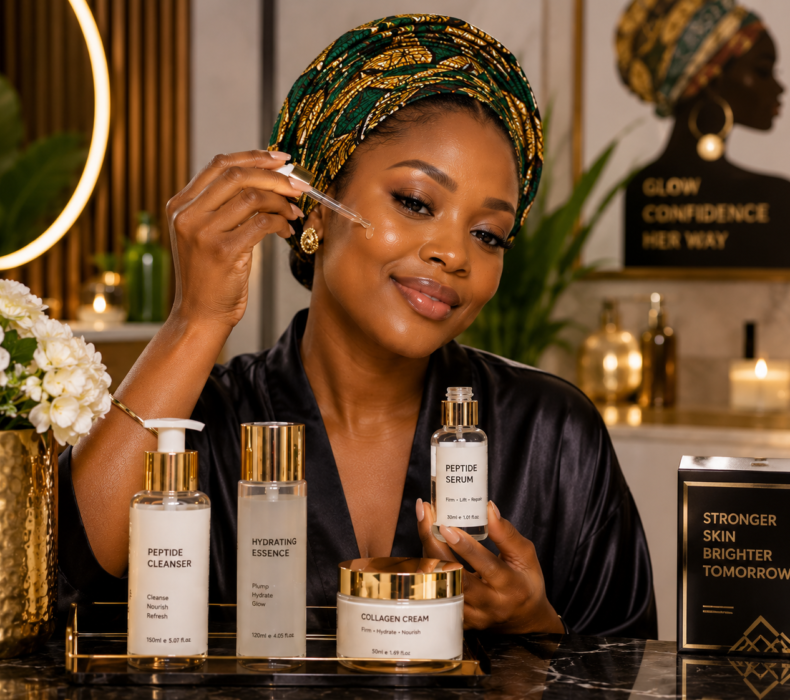
Layering peptide serum has become one of the most effective skincare techniques for anyone looking to achieve firmer, smoother, and younger-looking skin. Whether you are dealing with early signs of aging, dullness, fine lines, or loss of elasticity, knowing how to apply peptide serum correctly can significantly improve your skincare results.
Peptides are among the most researched anti-aging ingredients available today. When used correctly with cleansers, toners, moisturizers, sunscreen, and other active ingredients, peptide serums help support collagen production, improve skin barrier function, and maintain healthy, hydrated skin.
In this comprehensive guide, you’ll learn everything about layering peptide serum, including the correct application order, ingredients that work well together, ingredients to avoid, common mistakes, and professional skincare tips for getting the best results.
What Is a Peptide Serum?
A peptide serum is a lightweight skincare product formulated with amino acid chains known as peptides. These tiny proteins act as messengers that signal your skin to produce more collagen and elastin—two essential proteins responsible for keeping your skin firm, smooth, and youthful.
As we age, collagen production naturally declines, leading to wrinkles, sagging skin, and loss of elasticity. Peptide serums help encourage the skin’s natural repair process, making them one of the most effective anti-aging skincare products.
Benefits of Peptide Serum
Using peptide serum consistently offers numerous skincare benefits:
- Stimulates collagen production
- Improves skin firmness
- Reduces fine lines and wrinkles
- Strengthens the skin barrier
- Deeply hydrates the skin
- Improves skin texture
- Boosts skin elasticity
- Promotes a youthful glow
- Reduces skin roughness
- Supports skin repair
Unlike harsh active ingredients, peptides are generally suitable for all skin types, including sensitive skin.
Why Layering Peptide Serum Matters
Simply owning a high-quality peptide serum isn’t enough. The order in which you apply your skincare products determines how effectively the active ingredients penetrate your skin.
Proper layering helps:
- Maximize ingredient absorption
- Prevent product interference
- Improve hydration
- Lock in moisture
- Increase effectiveness of anti-aging ingredients
- Protect the skin barrier
Incorrect layering may reduce the effectiveness of your skincare products or cause unnecessary irritation.
The Correct Order for Layering Peptide Serum
Following the right skincare routine ensures your peptide serum delivers maximum benefits.
Step 1: Cleanse Your Face
Start with a gentle facial cleanser to remove:
- Dirt
- Oil
- Makeup
- Sweat
- Environmental pollutants
Applying peptide serum on clean skin allows deeper penetration.
Step 2: Apply Toner
A hydrating toner prepares the skin by restoring moisture after cleansing.
Good toners may contain:
- Hyaluronic Acid
- Glycerin
- Aloe Vera
- Panthenol
Avoid alcohol-heavy toners that can dry the skin.
Step 3: Apply Peptide Serum
This is the most important step.
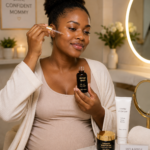
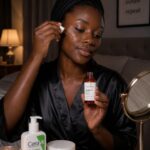
Apply 2–4 drops onto slightly damp skin.
Gently press the serum into your face rather than rubbing aggressively.
Focus on:
- Forehead
- Around the eyes
- Smile lines
- Neck
- Jawline
Allow the serum to absorb for about one minute.
Step 4: Apply Hydrating Serum (Optional)
If your routine includes Hyaluronic Acid, it can usually be layered with peptide serum.
This combination provides:
- Better hydration
- Improved plumpness
- Reduced appearance of fine lines
Step 5: Apply Moisturizer
Moisturizer seals in hydration while preventing water loss.
Look for moisturizers containing:
- Ceramides
- Squalane
- Shea Butter
- Glycerin
- Fatty Acids
These ingredients complement peptides beautifully.
Step 6: Finish with Sunscreen (Morning)
During daytime, always finish with broad-spectrum SPF 30 or higher.
Sunscreen protects newly repaired skin from:
- UV damage
- Premature aging
- Hyperpigmentation
- Collagen breakdown
Without sunscreen, even the best peptide serum cannot fully protect your skin from photoaging.
Ingredients That Work Well with Peptide Serum
One of the advantages of peptides is their compatibility with many skincare ingredients.
Hyaluronic Acid
This combination is excellent.
Benefits include:
- Deep hydration
- Skin plumping
- Improved elasticity
- Enhanced moisture retention
Ceramides
Ceramides strengthen the skin barrier while peptides repair aging skin.
Together they help:
- Reduce dryness
- Repair damaged skin
- Improve resilience
Niacinamide
Niacinamide and peptides are an excellent pairing.
Benefits include:
- Reduced redness
- Smaller-looking pores
- Improved skin tone
- Better barrier function
Glycerin
Glycerin attracts moisture into the skin, making peptide serums work even better.
Squalane
Squalane provides lightweight moisture without clogging pores.
It supports peptide serum by reducing moisture loss.
Can You Layer Peptide Serum with Vitamin C?
Yes—but with some considerations.
Many modern formulations are designed to work together.
If your Vitamin C serum is highly acidic and your skin is sensitive, you may prefer to:
- Use Vitamin C in the morning
- Use Peptide Serum at night
This approach minimizes potential irritation while maximizing benefits.
Can You Layer Peptide Serum with Retinol?
Absolutely.
Retinol stimulates skin renewal while peptides support skin repair.
Ideal routine:
Evening
- Cleanser
- Peptide Serum
- Retinol
- Moisturizer
If you have sensitive skin, alternate retinol and peptide serum on different nights until your skin adapts.
Can Peptide Serum Be Used with Hyaluronic Acid?
Yes.
This is one of the best skincare combinations available.
Benefits include:
- Long-lasting hydration
- Reduced wrinkles
- Improved skin bounce
- Better elasticity
Many premium serums already combine these ingredients.
Ingredients to Use Carefully
Although peptides are generally compatible with most ingredients, some combinations may not suit everyone.
Strong Exfoliating Acids
High concentrations of:
- Glycolic Acid
- Lactic Acid
- Salicylic Acid
can sometimes increase sensitivity.
If using strong exfoliants, consider applying peptide serum in a different routine.
High-Strength Acidic Vitamin C
Some older Vitamin C formulations have a very low pH.
If irritation occurs:
- Use Vitamin C in the morning
- Use Peptide Serum at night
Morning Skincare Routine with Peptide Serum
A simple morning routine:
- Gentle cleanser
- Hydrating toner
- Peptide serum
- Hyaluronic acid
- Moisturizer
- Sunscreen SPF 30+
Night Routine with Peptide Serum
Evening skincare focuses on repair.
Suggested routine:
- Cleanser
- Toner
- Peptide Serum
- Retinol (if tolerated)
- Moisturizer
Nighttime is when your skin naturally repairs itself, making it an ideal time to use peptide serum.
Common Mistakes When Layering Peptide Serum
Avoid these mistakes:
Applying on Dirty Skin
Always cleanse first.
Using Too Much Product
More serum does not equal better results.
Two to four drops are usually sufficient.
Skipping Moisturizer
Peptide serum works best when moisture is sealed into the skin.
Forgetting Sunscreen
Sun exposure quickly breaks down collagen.
Daily SPF is essential.
Mixing Too Many Active Ingredients
Avoid overwhelming your skin with excessive acids or potent actives in one routine. Keep your regimen balanced and monitor how your skin responds.
How Long Does It Take to See Results?
Peptide serums require consistency.
General timeline:
2–4 weeks
- Better hydration
- Softer skin
4–8 weeks
- Improved texture
- Healthier glow
8–12 weeks
- Firmer skin
- Reduced fine lines
- Better elasticity
Long-term use delivers the best results.
Who Should Use Peptide Serum?
Peptide serum is suitable for:
- People in their 20s looking to prevent premature aging
- Adults experiencing fine lines
- Dry skin
- Mature skin
- Sensitive skin
- Combination skin
- Oily skin
- Post-acne skin
- Anyone wanting healthier-looking skin
Its gentle nature makes it an excellent addition to most skincare routines.
Tips for Getting the Best Results
To maximize the benefits of layering peptide serum:
- Apply consistently every day.
- Follow the correct skincare order.
- Use products formulated for your skin type.
- Avoid over-exfoliating.
- Stay hydrated.
- Eat a balanced diet rich in antioxidants and protein.
- Get adequate sleep.
- Wear sunscreen daily.
- Store your serum in a cool, dry place away from direct sunlight.
- Be patient—healthy skin improvements develop gradually.
Why Choose Quality Peptide Serums?
Not all peptide serums are created equal. High-quality formulations often include complementary ingredients such as hyaluronic acid, niacinamide, ceramides, and antioxidants that enhance hydration and support overall skin health. Choosing products from trusted brands and purchasing from reputable retailers helps ensure you receive authentic skincare products that deliver consistent results.
Conclusion
Layering peptide serum correctly is one of the simplest yet most effective ways to achieve healthier, firmer, and younger-looking skin. By applying it after cleansing and toning, pairing it with compatible ingredients like hyaluronic acid, niacinamide, and ceramides, and finishing with moisturizer and sunscreen, you can maximize its anti-aging benefits.
Consistency is the key to success. A well-structured skincare routine, combined with quality products and healthy lifestyle habits, can help reduce fine lines, improve skin elasticity, and maintain a radiant complexion over time. Whether you’re new to skincare or refining an existing regimen, making Layering Peptide Serum a regular part of your routine is a smart investment in long-term skin health.



 Get it on
  Download on the