Acne is one of the most common skin concerns affecting teenagers and adults in Nigeria. The combination of heat, humidity, excess oil production, pollution, and hormonal changes often leads to frequent breakouts, blackheads, whiteheads, and stubborn acne scars. While there are countless skincare products on the market, many Nigerians continue to rely on a trusted traditional remedy—African Black Soap.
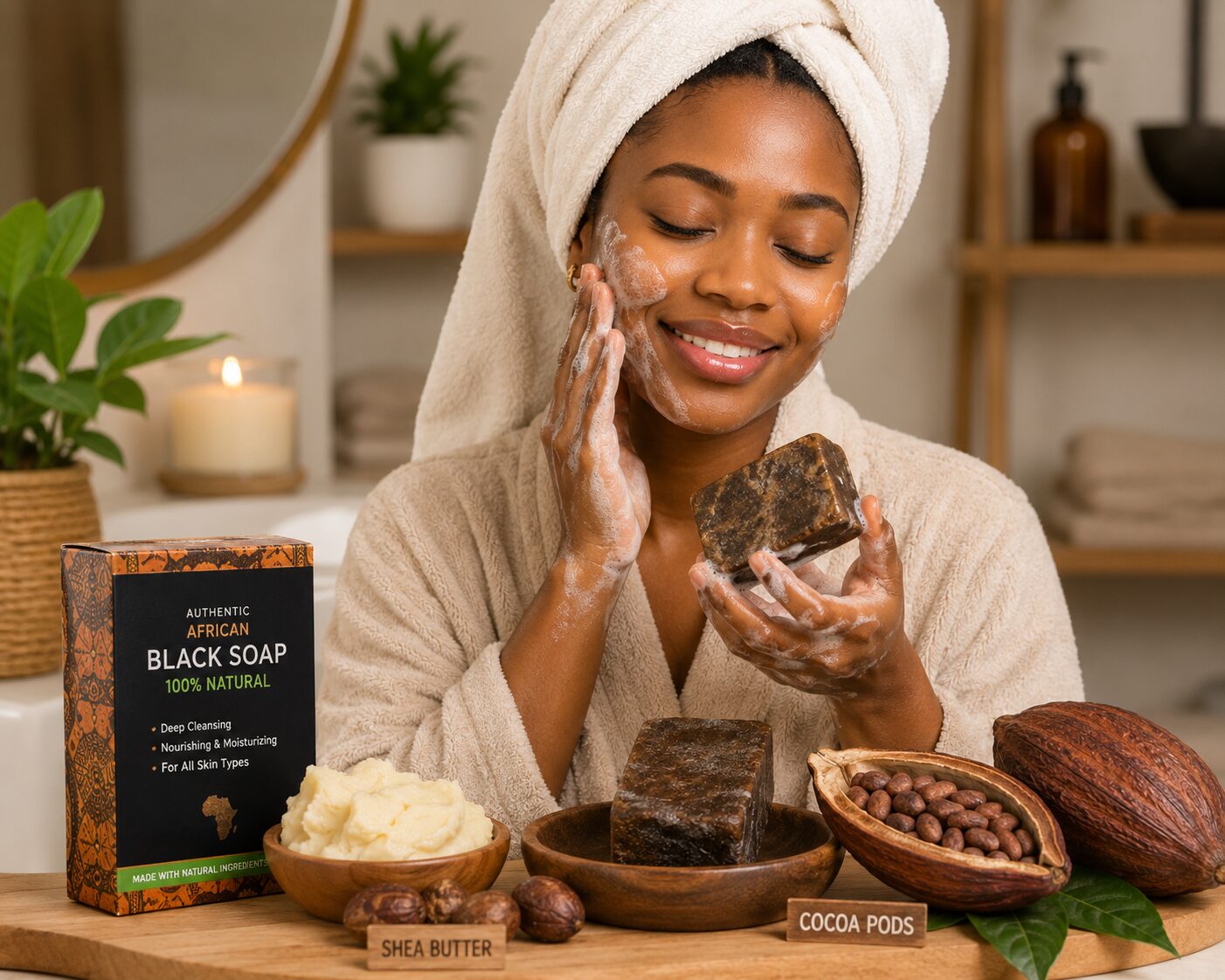
Known locally as Ose Dudu among the Yoruba and by other regional names across West Africa, authentic African Black Soap has been used for generations to cleanse the skin naturally. Made from plant-based ingredients such as cocoa pod ash, palm kernel oil, shea butter, coconut oil, and plantain skin ash, this soap is renowned for its deep-cleansing and gentle exfoliating properties. Unlike many commercial soaps loaded with harsh chemicals, authentic African Black Soap contains naturally derived ingredients that can help support healthier skin when used correctly.
If you’re searching for thebest African Black Soap for acne-prone skin in Nigeria, this guide explains everything you need to know, including its benefits, how to choose authentic products, how to use it safely, and why it remains a favorite among skincare enthusiasts.
Why African Black Soap Is Popular in Nigeria
Nigeria has a long history of producing authentic African Black Soap. Traditional artisans carefully prepare the soap by burning plant materials such as cocoa pods and plantain peels into ash before mixing them with nourishing oils and natural butters. This unique production process gives the soap its distinctive brown or dark color and rich mineral content.
Many Nigerians prefer African Black Soap because it is:
Made with natural ingredients
Free from harsh detergents in traditional formulations
Suitable for oily and acne-prone skin
Affordable and widely available
Multi-purpose for face and body care
Its popularity has grown even more as people seek natural alternatives to chemical-based cleansers.
Why African Black Soap Works for Acne-Prone Skin
Acne develops when pores become clogged with excess oil, dead skin cells, and bacteria. African Black Soap addresses several of these contributing factors simultaneously.
1. Deep Cleansing
Authentic African Black Soap effectively removes excess oil, dirt, sweat, sunscreen, and impurities that accumulate throughout the day.
For people living in Nigerian cities where dust and humidity are common, regular cleansing helps reduce clogged pores that often lead to acne breakouts.
2. Natural Exfoliation
The natural ash content provides gentle exfoliation by helping remove dead skin cells.
This allows pores to remain clearer while encouraging smoother skin texture.
Regular exfoliation may also improve the appearance of post-acne marks over time when combined with sunscreen.
3. Helps Reduce Excess Oil
Oily skin is one of the biggest contributors to acne.
African Black Soap helps cleanse away excess sebum without relying on harsh synthetic detergents.
When used appropriately, many users notice that their skin feels cleaner and less greasy throughout the day.
4. Antibacterial Properties
Traditional African Black Soap contains plant-derived compounds with natural antibacterial properties.
While it should not be considered a medical acne treatment, these cleansing properties may help reduce bacteria that contribute to acne formation.
5. Reduces Inflammation
Many people experience painful inflamed pimples.
Ingredients such as shea butter provide moisturizing and soothing benefits that may help calm irritated skin after cleansing.
Key Ingredients to Look For
When shopping for African Black Soap in Nigeria, always read the ingredient list.
Because of its popularity, counterfeit versions have become common.
Here are signs of genuine African Black Soap:
Uneven Appearance
Real African Black Soap is usually rough, crumbly, and irregular.
It rarely has a perfectly smooth finish.
Brown Rather Than Jet Black
Authentic soap often appears dark brown instead of solid black.
Very shiny black bars may contain artificial coloring.
Natural Earthy Smell
Traditional soap has a mild earthy aroma instead of strong perfume.
Handmade Texture
Each piece may vary slightly in color and shape because authentic products are handmade.
Best African Black Soap for Acne-Prone Skin
When choosing the best African Black Soap, prioritize products that are:
100% natural
Unrefined
Fragrance-free
Handmade
Rich in shea butter
Free from bleaching chemicals
Raw African Black Soap is often preferred because it retains more of its traditional ingredients and avoids unnecessary additives.
How to Use African Black Soap for Acne
Using African Black Soap correctly makes a significant difference.
Step 1
Wet your face with lukewarm water.
Step 2
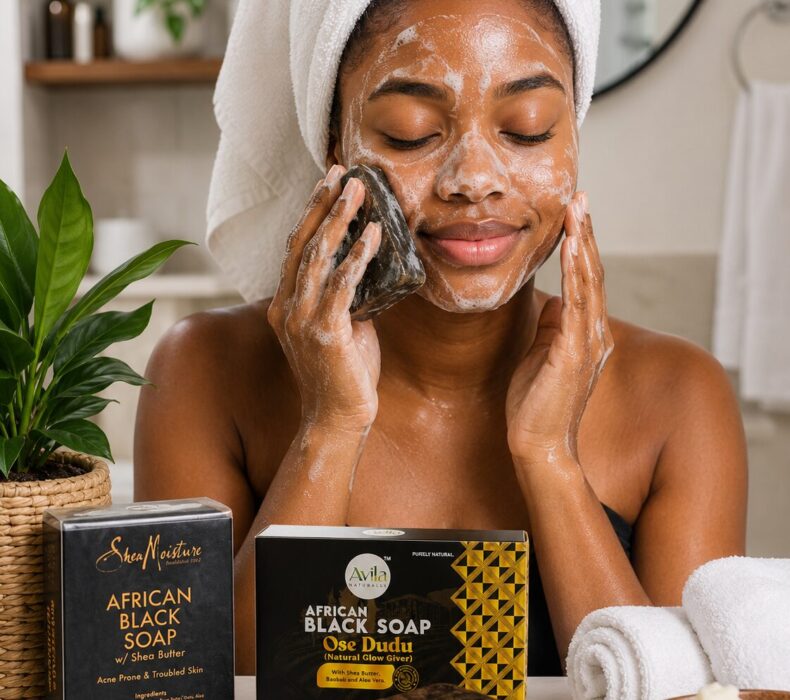
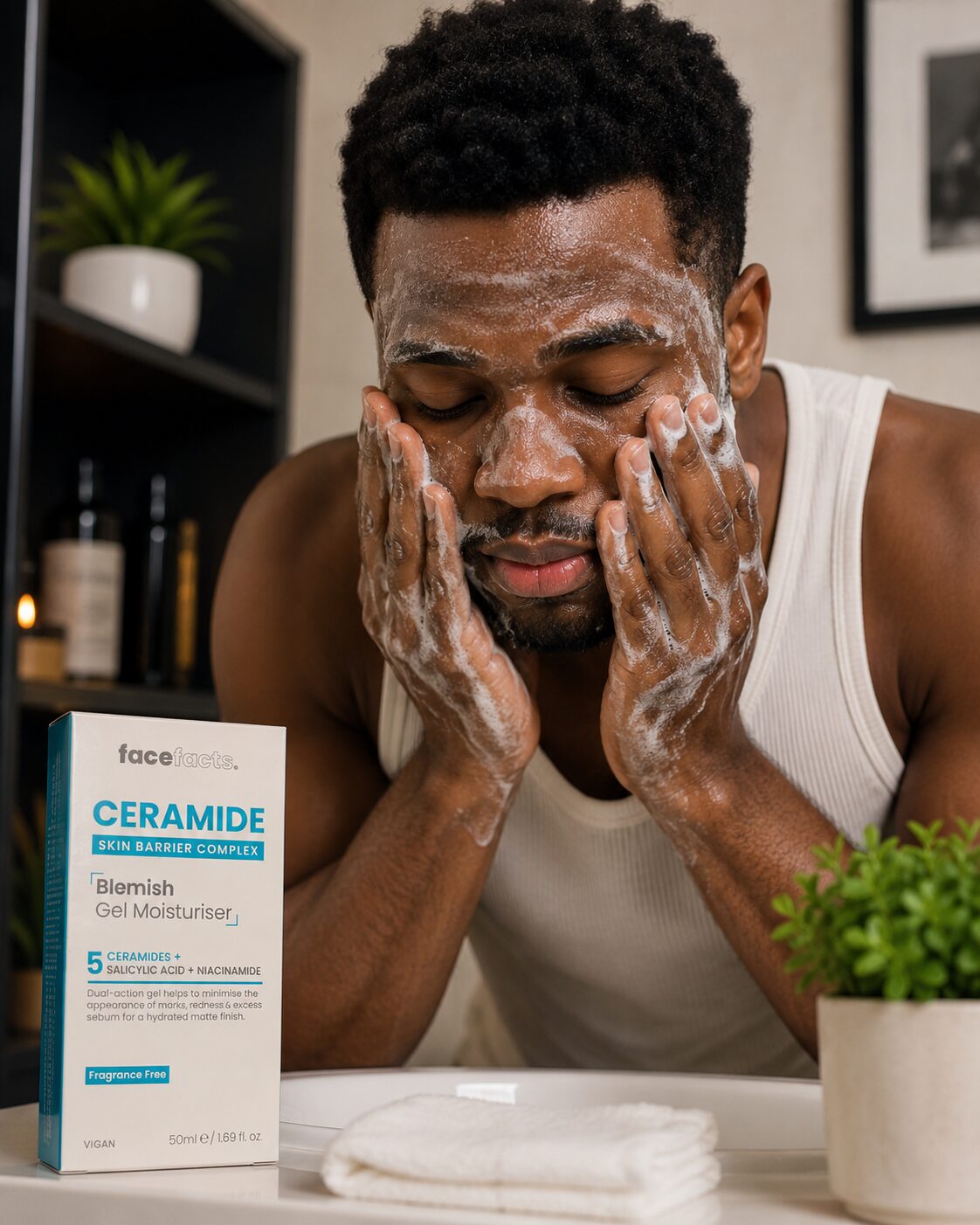
Instead of rubbing the soap bar directly on your face, lather it between your hands.
Step 3
Apply the foam gently using circular motions.
Avoid aggressive scrubbing.
Step 4
Rinse thoroughly.
Step 5
Immediately apply a lightweight, non-comedogenic moisturizer.
Moisturizing helps maintain the skin barrier because African Black Soap can sometimes feel drying. Dermatologists generally recommend introducing it gradually and moisturizing after use.
How Often Should You Use It?
If you have acne-prone skin:
Beginners: 2–3 times weekly
Oily skin: Once daily if well tolerated
Sensitive skin: Every other day
Using the soap too frequently may lead to dryness or irritation.
If your skin becomes excessively dry, reduce usage.
Pair African Black Soap with the Right Skincare Routine
For better acne management, combine African Black Soap with a simple skincare routine.
Morning Routine
African Black Soap cleanser
Alcohol-free toner
Lightweight moisturizer
Broad-spectrum sunscreen
Night Routine
African Black Soap cleanser
Acne treatment (if prescribed or suitable)
Moisturizer
Keeping your routine simple reduces the risk of irritation.
Benefits Beyond Acne
African Black Soap offers additional skincare benefits.
Helps Fade Acne Marks
Regular cleansing and gentle exfoliation may gradually improve the appearance of post-inflammatory hyperpigmentation left behind after acne heals.
Improves Skin Texture
Dead skin removal helps reveal smoother-looking skin.
Cleanses Oily Skin
The soap leaves skin feeling fresh without heavy residue.
Suitable for Face and Body
People with body acne often use African Black Soap on areas such as:
Back
Chest
Shoulders
Neck
Common Mistakes to Avoid
Many people experience irritation because they use African Black Soap incorrectly.
Avoid these mistakes:
Using It Too Frequently
Over-cleansing may dry out the skin.
Skipping Moisturizer
Always moisturize after washing.
Buying Fake Products
Only purchase from reputable skincare stores.
Mixing Too Many Active Ingredients
Avoid combining multiple exfoliating products on the same day unless advised by a dermatologist.
Who Should Avoid African Black Soap?
Although generally suitable for many skin types, some individuals should exercise caution.
Avoid or limit use if you have:
Extremely dry skin
Active eczema flare-ups
Broken skin
Known allergies to any ingredient
If irritation persists, discontinue use and seek advice from a dermatologist.
Choosing the Best African Black Soap in Nigeria
When buying African Black Soap, consider the following checklist:
✔ Authentic handmade product
✔ Natural ingredients only
✔ No bleaching agents
✔ No artificial fragrance
✔ No harsh detergents
✔ Rich in shea butter
✔ Trusted Nigerian supplier
Purchasing from reputable skincare retailers helps ensure product quality and authenticity.
Frequently Asked Questions
Can African Black Soap completely cure acne?
No. African Black Soap is a cleanser, not a cure for acne. It may help reduce oil, unclog pores, and support healthier skin, but persistent or severe acne often requires medical evaluation and targeted treatment.
Does African Black Soap remove dark spots?
It may gradually improve the appearance of acne marks through gentle exfoliation and cleansing, but results vary and it is not an instant solution.
Can teenagers use African Black Soap?
Yes. Teenagers with oily or acne-prone skin can use authentic African Black Soap, provided they moisturize afterward and monitor for dryness.
Can I use African Black Soap every day?
Some people tolerate daily use, especially those with oily skin. If you experience dryness or irritation, reduce use to a few times per week.
Final Thoughts
Finding the best African Black Soap for acne-prone skin in Nigeria starts with choosing an authentic, high-quality product made from traditional natural ingredients. Genuine African Black Soap offers deep cleansing, gentle exfoliation, and oil-balancing properties that can support clearer, healthier-looking skin when incorporated into a consistent skincare routine. While it is not a miracle cure for acne, it remains one of the most trusted natural skincare products in Nigeria because of its versatility, affordability, and long-standing reputation.
For the best results, purchase authentic African Black Soap from a reputable retailer, use it consistently but gently, follow with a suitable moisturizer, and wear sunscreen during the day. Combined with healthy skincare habits, African Black Soap can be a valuable addition to your routine, helping you manage breakouts, improve skin texture, and achieve a cleaner, more radiant complexion over time.










 Get it on
  Download on the