African Black Soap has become one of the most sought-after natural skincare products worldwide, thanks to its impressive cleansing properties and skin-loving ingredients. Originally made in West Africa, particularly in countries such as Ghana and Nigeria, this traditional soap has been used for centuries to cleanse, nourish, and improve various skin conditions.
Unlike many commercial soaps that contain harsh chemicals, artificial fragrances, and synthetic detergents, authentic African Black Soap is made from natural ingredients such as plantain skins, cocoa pods, palm kernel oil, coconut oil, shea butter, and palm oil. These ingredients are carefully roasted and blended to create a soap that is rich in vitamins, antioxidants, and minerals.
Whether you have oily skin, dry skin, acne-prone skin, or sensitive skin, African Black Soap offers numerous benefits when used correctly. However, despite its popularity, many people are unaware of the proper way to use it or the possible side effects that may occur if it is overused.
In this comprehensive guide, you’ll learn everything you need to know about African Black Soap, including its ingredients, benefits, uses, potential side effects, and tips for getting the best results.
What Is African Black Soap?
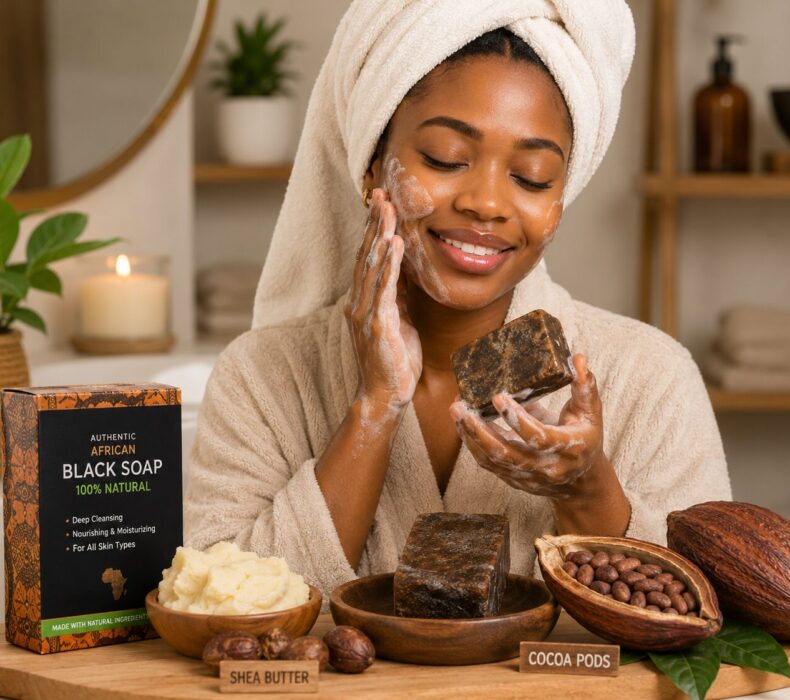
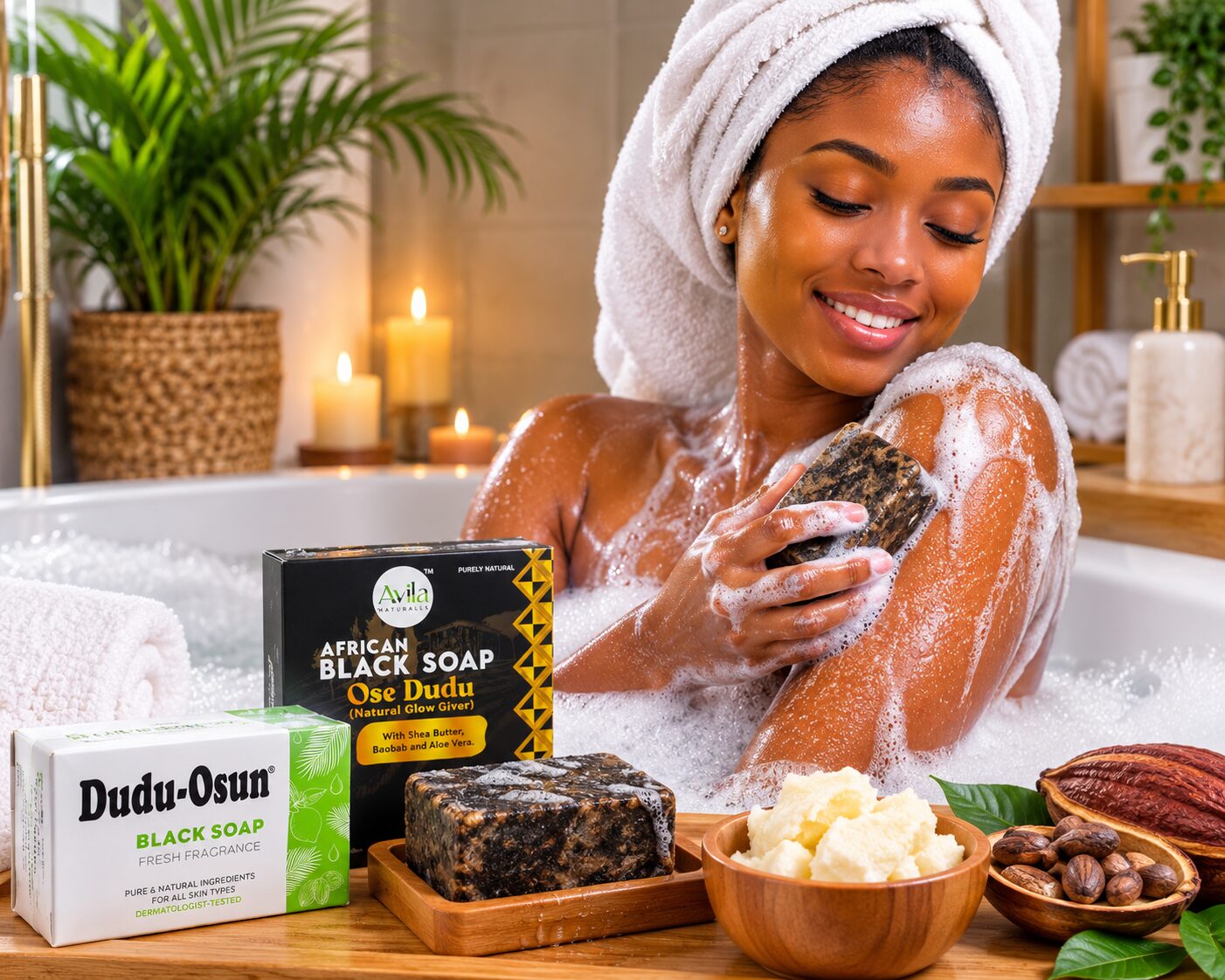
African Black Soap is a natural handmade soap traditionally produced in West African countries. It is commonly known as Ose Dudu among the Yoruba people of Nigeria, which translates to “black soap.”
The soap gets its dark brown or black color from the ash produced by roasting natural plant materials like:
Cocoa pod shells
Plantain skins
Palm leaves
Shea tree bark
The ash is then mixed with nourishing oils and butters such as:
Shea butter
Palm kernel oil
Coconut oil
Palm oil
Unlike factory-produced soaps, authentic African Black Soap is handmade in small batches using traditional methods that have been passed down for generations.
Its texture is usually soft and slightly crumbly rather than perfectly smooth, which is one way to identify genuine African Black Soap.
The History of African Black Soap
African Black Soap has a rich cultural history dating back hundreds of years.
Women in Ghana and Nigeria originally developed the soap using locally available plants and oils. It was widely used for:
Daily bathing
Baby skincare
Treating acne
Managing eczema
Healing minor skin irritations
Washing hair naturally
Today, African Black Soap has gained international recognition because of its natural ingredients and effectiveness for different skin types.
Key Ingredients in African Black Soap
One reason African Black Soap is highly valued is its nutrient-rich ingredients.
1. Plantain Skin Ash
Roasted plantain skins create the ash that gives the soap its dark color.
Benefits include:
Natural exfoliation
Deep cleansing
Rich antioxidants
2. Cocoa Pod Ash
Cocoa pods are packed with antioxidants that help protect the skin against environmental damage.
They also assist in:
Gentle exfoliation
Removing excess oil
Supporting healthy skin renewal
3. Shea Butter
Shea butter is one of Africa’s most famous skincare ingredients.
It helps:
Moisturize dry skin
Reduce inflammation
Repair damaged skin
Improve skin elasticity
4. Coconut Oil
Coconut oil contains natural fatty acids that nourish and soften the skin.
It also has antimicrobial properties that may help reduce acne-causing bacteria.
5. Palm Kernel Oil
Palm kernel oil contributes to the soap’s rich lather while moisturizing the skin.
It contains Vitamin E and healthy fats that support healthy-looking skin.
6. Palm Oil
Palm oil adds additional vitamins and antioxidants while helping improve the soap’s texture.
Benefits of African Black Soap
African Black Soap offers numerous skincare benefits due to its natural composition.
1. Deeply Cleanses the Skin
African Black Soap removes:
Dirt
Sweat
Excess oil
Makeup residue
Dead skin cells
Without stripping the skin completely of its natural oils.
2. Helps Reduce Acne
One of the biggest reasons people buy African Black Soap is its effectiveness against acne.
Its antibacterial properties may help:
Clear clogged pores
Reduce pimples
Minimize blackheads
Prevent future breakouts
Consistent use may improve overall skin clarity.
3. Controls Oily Skin
People with oily skin often struggle with excessive shine.
African Black Soap helps balance natural oil production without making the skin excessively dry.
4. Fights Hyperpigmentation
Dark spots caused by acne, sun exposure, or skin irritation may gradually fade with regular use.
The soap encourages healthy skin renewal, resulting in a brighter complexion.
5. Exfoliates Naturally
Unlike harsh facial scrubs, African Black Soap gently removes dead skin cells.
This helps improve:
Skin texture
Smoothness
Brightness
Overall appearance
6. Helps Soothe Eczema
Many people with mild eczema report relief after switching to African Black Soap.
Its natural ingredients may reduce:
Itching
Dryness
Irritation
However, those with severe eczema should consult a healthcare professional before use.
7. May Reduce Razor Bumps
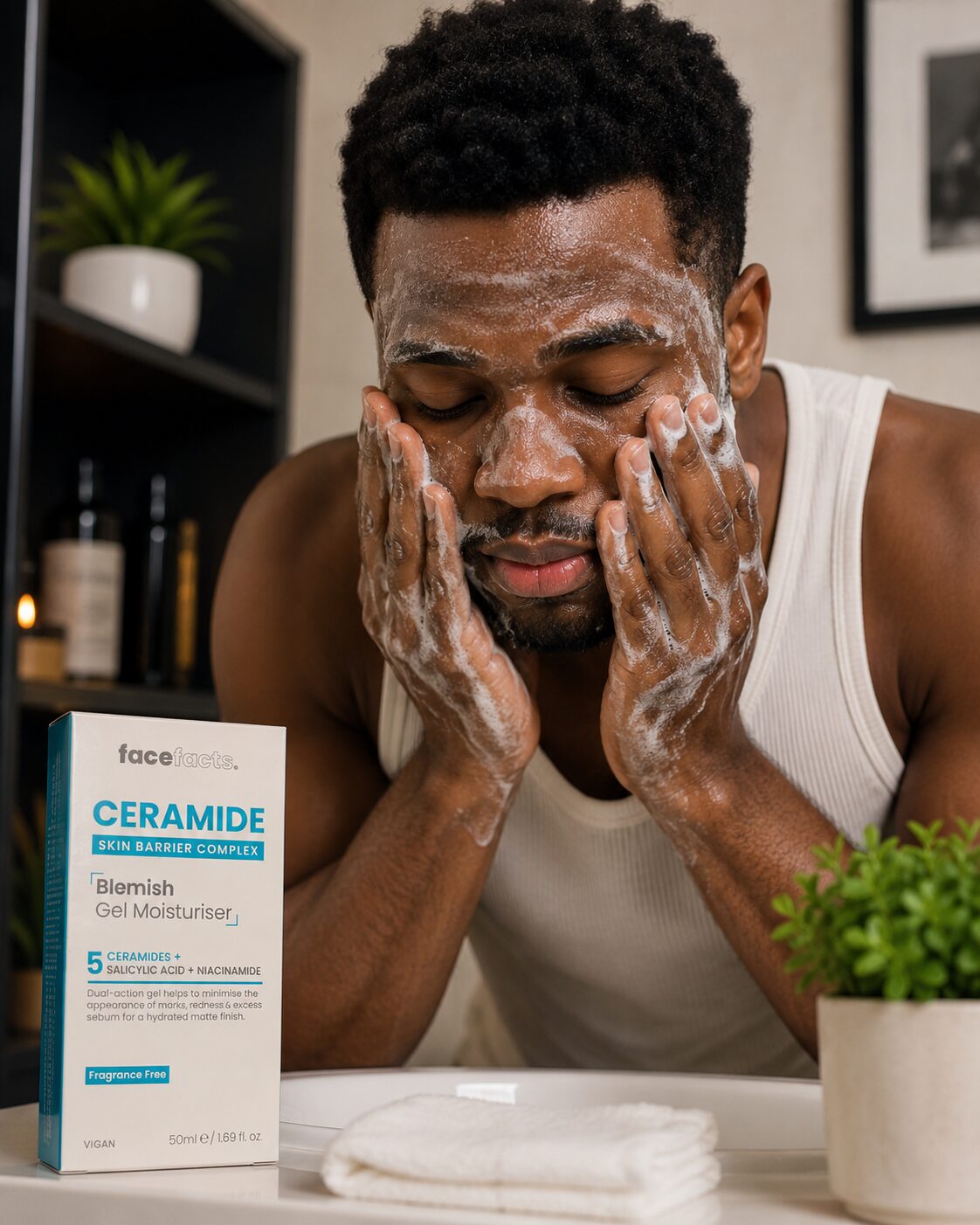
African Black Soap is commonly used before and after shaving.
It helps:
Clean pores
Reduce inflammation
Prevent ingrown hairs
8. Supports Healthy Skin
The vitamins and antioxidants found in African Black Soap help maintain healthier-looking skin over time.
Regular use may improve:
Skin tone
Texture
Elasticity
Overall radiance
Uses of African Black Soap
African Black Soap is extremely versatile.
Facial Cleanser
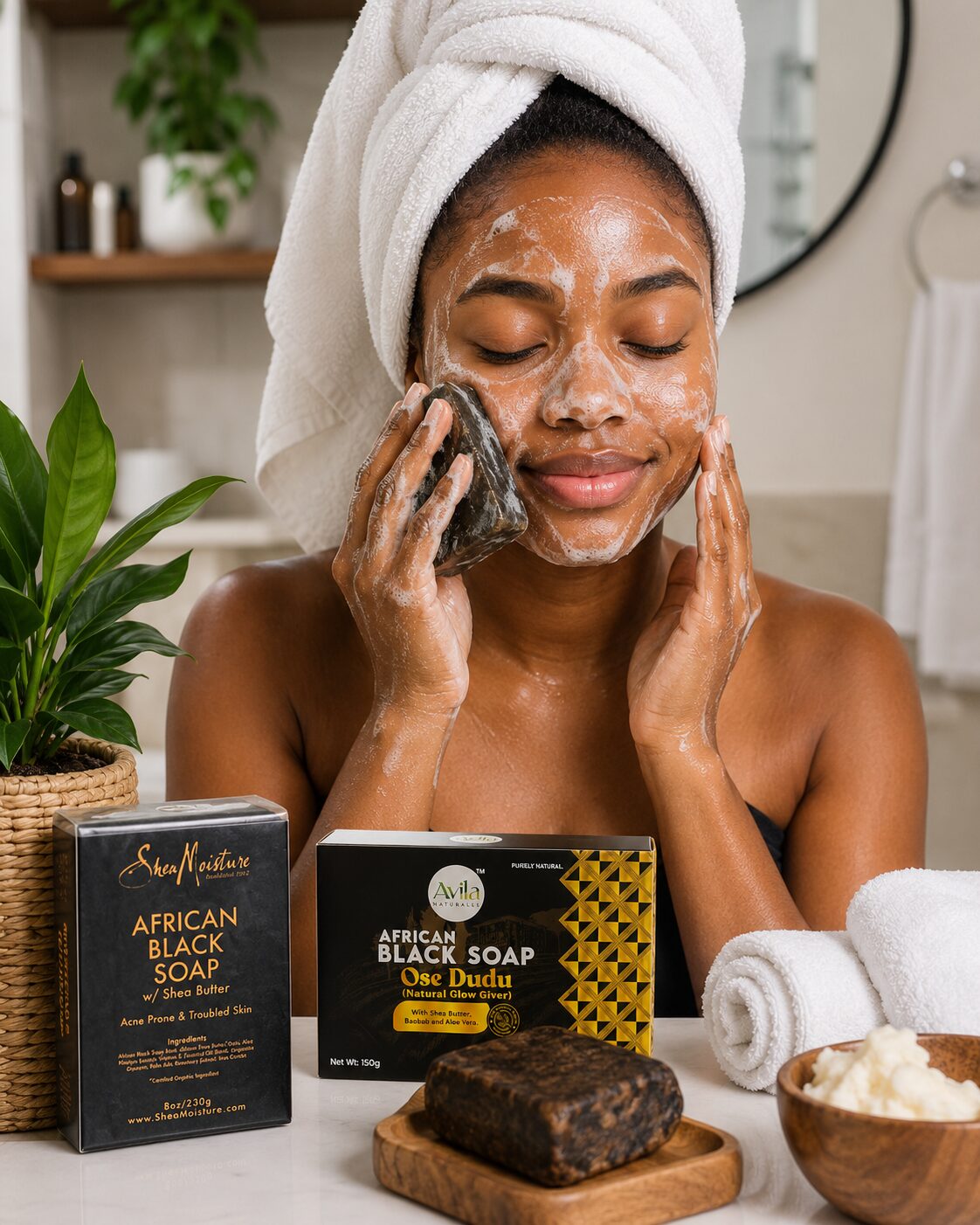
Many people use it as a daily face wash.
It helps:
Remove dirt
Control oil
Clean pores
Reduce acne
For beginners, using it two to three times weekly before increasing frequency is often recommended.
Body Wash
African Black Soap effectively cleanses the entire body while leaving the skin feeling refreshed.
It is especially useful for people with body acne or oily skin.
Shampoo
Traditional African Black Soap is also used as a natural shampoo.
It helps remove product buildup while cleansing the scalp.
Some users follow with a conditioner because the soap can leave hair feeling dry.
Makeup Remover
African Black Soap can remove light makeup and sunscreen when used with warm water.
Heavy waterproof makeup may require an oil-based cleanser first.
Shaving Soap
The rich lather provides lubrication that may reduce razor irritation during shaving.
Hand Soap
Because of its natural cleansing properties, African Black Soap can also be used for washing hands.
How to Use African Black Soap Correctly
Using African Black Soap properly helps prevent irritation.
Step 1
Break off a small piece rather than using the whole bar.
Step 2
Rub it between wet hands or a soft washcloth to create foam.
Avoid rubbing the soap directly onto your face if you have sensitive skin.
Step 3
Massage the lather gently onto the skin.
Step 4
Rinse thoroughly with lukewarm water.
Step 5
Apply a moisturizer immediately after cleansing to lock in hydration.
Who Should Use African Black Soap?
African Black Soap may benefit individuals with:
Oily skin
Combination skin
Acne-prone skin
Hyperpigmentation
Body acne
Rough skin
Dull skin
Those with dry or highly sensitive skin should introduce it gradually and moisturize afterward.
Possible Side Effects of African Black Soap
Although African Black Soap is natural, it may not suit everyone.
1. Dryness
Overusing the soap may remove too much natural oil.
Signs include:
Tight skin
Flaking
Rough patches
Using a moisturizer afterward helps reduce dryness.
2. Skin Irritation
Some people may experience:
Redness
Burning
Stinging
Especially during the first few uses.
3. Increased Sensitivity
Because African Black Soap exfoliates the skin, it may increase sensitivity to sunlight.
Daily sunscreen is recommended when using it during the day.
4. Allergic Reactions
Individuals allergic to ingredients such as coconut oil, palm oil, or shea butter should avoid using the soap.
Always perform a patch test before full application.
5. Over-Exfoliation
Using African Black Soap multiple times daily may damage the skin barrier.
Not every soap labeled “African Black Soap” is genuine.
Look for products that:
Have a natural brown or black color
Are handmade
Contain natural ingredients
Have little or no artificial fragrance
Feel slightly rough or crumbly
Avoid products loaded with synthetic detergents, artificial colors, or excessive perfumes.
African Black Soap vs Regular Soap
Feature
African Black Soap
Regular Soap
Ingredients
Mostly natural
Often synthetic
Fragrance
Usually natural
Artificial fragrances common
Exfoliation
Gentle natural exfoliation
Usually none
Antioxidants
High
Low
Skin Benefits
Multiple
Mainly cleansing
Suitable for Acne
Often yes
Depends on formulation
Frequently Asked Questions
Can I use African Black Soap every day?
Yes, many people use it daily. However, if you have dry or sensitive skin, start with two to three times a week and increase gradually if your skin tolerates it well.
Does African Black Soap lighten the skin?
African Black Soap does not bleach the skin. It may help fade dark spots and improve uneven skin tone by encouraging healthy skin renewal, giving the complexion a brighter and more even appearance.
Can African Black Soap remove acne scars?
It may gradually reduce the appearance of post-acne marks by promoting exfoliation and skin regeneration. Deep acne scars typically require additional treatments.
Is African Black Soap suitable for children?
Traditional African Black Soap has long been used for babies and children in West Africa. However, because children’s skin is delicate, use it sparingly and discontinue use if irritation occurs. Consult a healthcare professional if you have concerns.
Can I use African Black Soap on my hair?
Yes. Many people use it as a natural shampoo to cleanse the scalp and remove buildup. Since it can be drying, follow with a moisturizing conditioner or hair treatment.
Tips for Best Results
To get the most from African Black Soap:
Store it in a dry soap dish after use to prolong its lifespan.
Avoid leaving it in standing water, as it softens easily.
Always follow cleansing with a moisturizer suited to your skin type.
Wear sunscreen during the day, especially if you use the soap on your face.
Introduce it gradually into your routine if you have sensitive skin.
Perform a patch test before first use to check for any allergic reaction.
Pair it with a balanced skincare routine that includes hydration and sun protection.
Conclusion
African Black Soap is far more than an ordinary cleanser. Rooted in centuries-old West African traditions, it combines naturally derived ingredients that help cleanse, exfoliate, and nourish the skin. Its ability to support acne-prone, oily, and uneven skin has made it a popular choice for people seeking a more natural skincare routine.
Like any skincare product, African Black Soap works best when used correctly and in moderation. While it offers numerous benefits—including deep cleansing, improved skin texture, and a brighter complexion—it may also cause dryness or irritation if overused, especially on sensitive skin. By choosing authentic African Black Soap, performing a patch test, moisturizing after each use, and protecting your skin with sunscreen, you can enjoy its benefits while minimizing potential side effects.
Whether you’re new to natural skincare or looking to upgrade your daily routine, African Black Soap remains a trusted, time-tested option that continues to earn its place in skincare regimens around the world.












 Get it on
  Download on the