How to Read Food Labels Like a Nutrition Expert
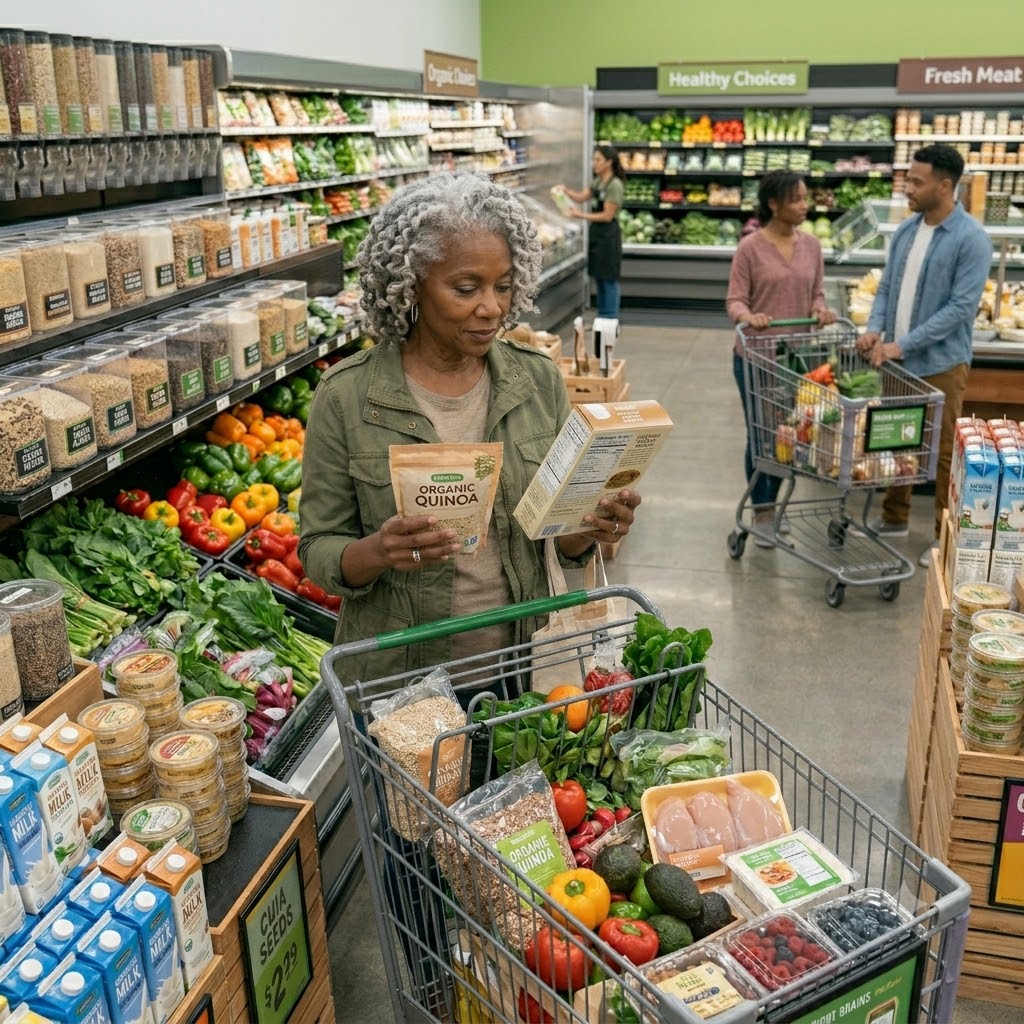
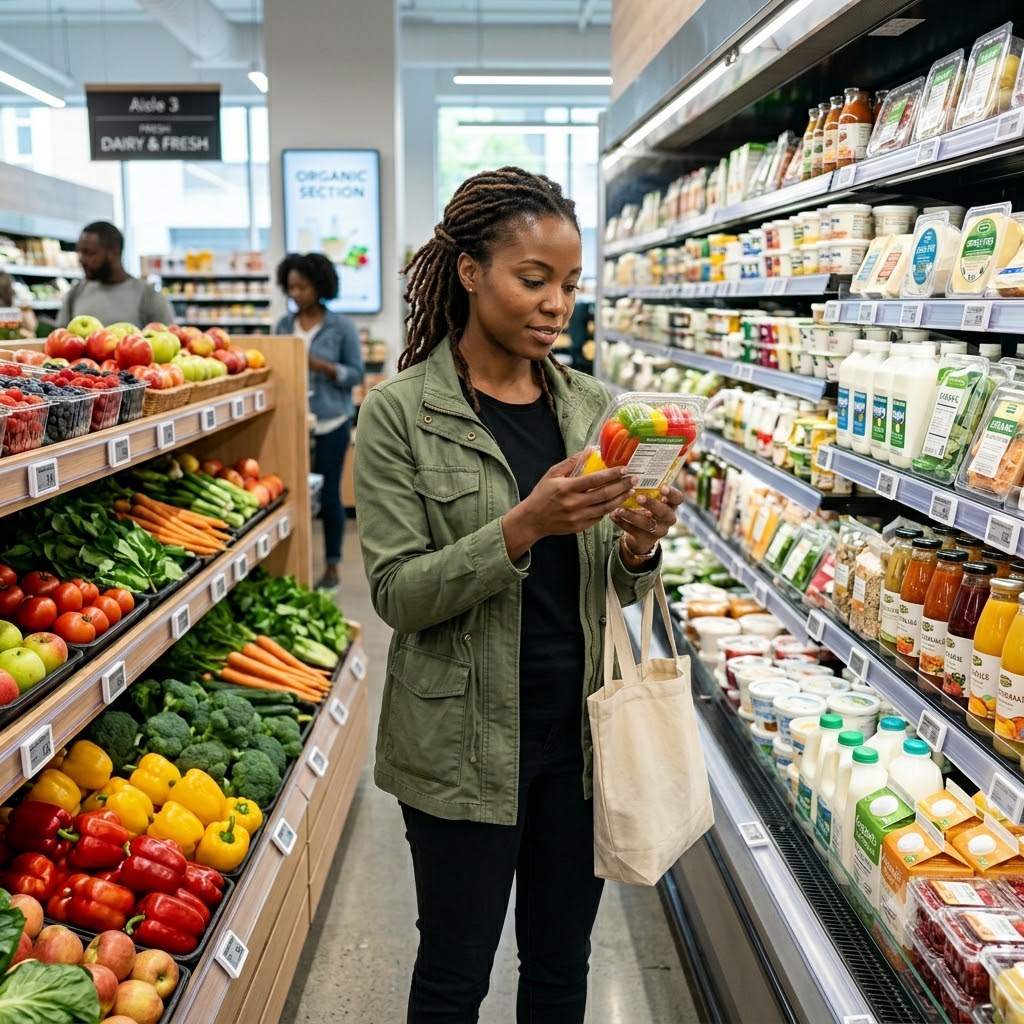
Food labels are one of the most powerful tools consumers have when making grocery decisions. Yet many people either ignore them or misunderstand what they mean. Attractive packaging and bold health claims can be misleading, making it easy to buy products that seem healthy but are loaded with sugar, sodium, and artificial additives.
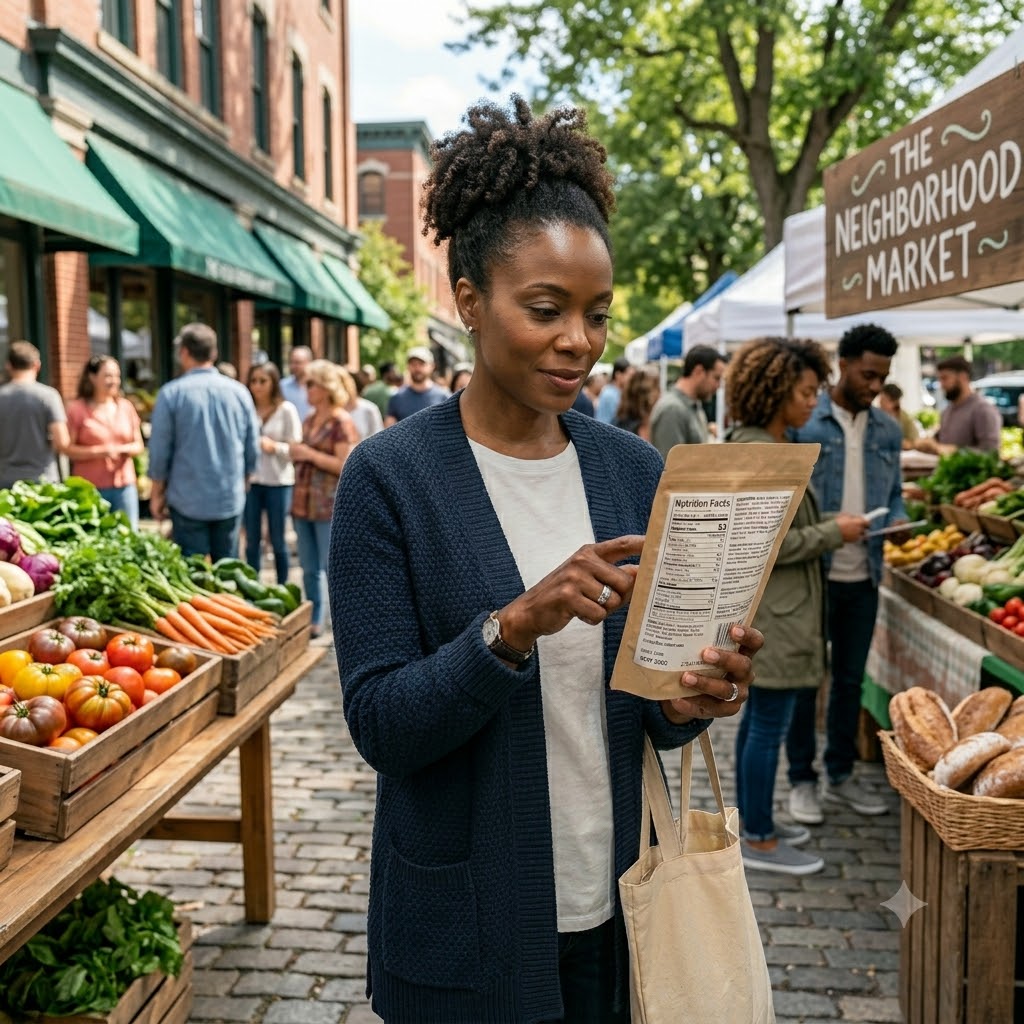
Learning how to read food labels can help you make smarter food choices, improve your diet, and avoid unhealthy products. Whether you’re shopping for snacks, cereals, dairy, canned foods, or beverages, understanding labels can save you money and protect your health.
This guide breaks down understanding nutrition labels in a simple and practical way—just like a nutrition expert would.
Why Food Labels Matter
Food labels help consumers understand:
- What’s inside the product
- How nutritious it is
- Whether it fits their dietary needs
- How much they’re actually eating
- Potential allergens or harmful ingredients
Without reading labels, you’re buying blindly.
A proper food label guide gives you the power to compare products and choose better options.
1. Start with the Serving Size
The serving size is one of the most important—and most ignored—parts of any food label.
Why?
Because all nutritional information is based on that serving.
Example:
A bag of chips may say:
- Calories: 150
- Sugar: 2g
- Sodium: 180mg
But if the bag contains 4 servings and you eat the whole bag:
- Calories = 600
- Sugar = 8g
- Sodium = 720mg
This is why nutrition facts explained always begin with serving size.
Always ask:
“How much am I really eating?”
2. Check the Calories
Calories show how much energy the food provides.
This matters if you are:
- Managing weight
- Building muscle
- Controlling portions
- Tracking daily intake
But calories alone don’t determine quality.
Example:
100 calories from almonds is very different from 100 calories from candy.
Smart consumers focus on both calories and nutrients.
This is part of how to identify healthy food products.
3. Look at Total Sugar (and Added Sugar)
Sugar is one of the biggest hidden dangers in packaged foods.
A product may seem healthy but contain excessive sugar.
Common sugar aliases include:
- Glucose
- Fructose
- Sucrose
- Dextrose
- Malt syrup
- Corn syrup
Always check:
✔ Total sugar
✔ Added sugar
Example:
Yogurt may contain natural sugar from milk, but added sugar increases health concerns.
This is a key step in how to avoid unhealthy foods.
4. Watch Sodium Levels
Sodium affects blood pressure and heart health.
Many packaged foods are high in sodium, especially:
- Instant noodles
- Canned soups
- Processed meats
- Snacks
A product with lower sodium is often a smarter choice.
Experts recommend comparing products before buying.
This is part of understanding nutrition labels properly.
5. Check the Protein Content
Protein is important for:
- Muscle repair
- Fullness
- Energy
- Growth
Foods with higher protein can be more filling and nutritious.
Examples of better high-protein packaged foods:
✔ Greek yogurt
✔ Beans
✔ Nuts
✔ Protein oats
This helps in how to identify healthy food products.
6. Don’t Ignore Fiber
Fiber supports:
- Digestion
- Blood sugar control
- Fullness
- Heart health
Higher fiber often means better quality.
Good fiber-rich foods include:
- Whole grain cereals
- Oats
- Beans
- Seeds
Low-fiber processed foods are often less satisfying.
A proper healthy packaged foods guide always prioritizes fiber.
7. Read the Ingredient List Carefully
The ingredient list tells the real story.
Ingredients are listed from highest to lowest quantity.
That means the first few ingredients matter most.
Good example:
Whole wheat, oats, seeds, salt
Poor example:
Sugar, refined flour, palm oil, preservatives
Learning how to check food ingredients is one of the strongest consumer skills.
A shorter ingredient list is often better.
8. Watch Out for Artificial Additives
Some packaged foods contain:
- Artificial flavors
- Artificial colors
- Preservatives
- Flavor enhancers
These are not always harmful, but too many can be a red flag.
Smart consumers choose products with fewer unnecessary additives.
This is part of food packaging labels explained.
9. Check Fat Types, Not Just Total Fat
Many people fear fat, but not all fats are bad.
Look for:
✔ Healthy fats
- Unsaturated fats
- Omega-3 fats
Limit:
✘ Trans fats
✘ Hydrogenated oils
Example:
Peanut butter with natural oils is better than one with hydrogenated fats.
This is a key part of nutrition facts explained.
10. Look for Certifications and Allergy Information
Labels often include:
- Organic
- Non-GMO
- Gluten-free
- Halal
- Vegan
Also check allergy warnings for:
- Nuts
- Dairy
- Soy
- Wheat
This improves safety and trust.
It’s an important part of a complete food label checklist.
Common Food Label Tricks to Watch Out For
Manufacturers often use misleading words.
Examples:
“Natural”
Doesn’t always mean healthy.
“Low Fat”
May contain extra sugar.
“Sugar-Free”
Could contain artificial sweeteners.
“Multigrain”
May still be refined.
Always verify using the label.
This is one of the best smart grocery shopping tips.
Quick Food Label Comparison Example
| Label Area | Better Option | Worse Option |
|---|---|---|
| Sugar | 4g | 18g |
| Sodium | 120mg | 550mg |
| Fiber | 6g | 1g |
| Protein | 10g | 2g |
| Ingredients | Whole foods | Artificial additives |
This makes understanding nutrition labels easier.
Food Label Checklist for Smart Consumers
Before buying:
✔ Check serving size
✔ Review calories
✔ Look at added sugar
✔ Compare sodium
✔ Check protein
✔ Check fiber
✔ Read ingredients
✔ Avoid artificial additives
✔ Review fat type
✔ Check expiry date
This simple food label checklist can transform your shopping habits.
Final Thoughts
Learning how to read food labels is one of the smartest things you can do for your health.
Food labels reveal what marketing often hides.
By mastering understanding nutrition labels, learning how to check food ingredients, and using a simple food label guide, you can make healthier and more informed choices every time you shop.
Smart consumers don’t buy based on packaging alone.

They read. Compare. Analyze.
And that’s exactly how nutrition experts do it.
- Tags:
- Food Ingredients Guide
- Food Label Checklist
- Food Label Guide
- Food Labels
- Food Safety Guide
- Grocery Shopping Tips
- Healthy Eating Tips
- Healthy Food Shopping
- Healthy Packaged Foods
- How to Read Food Labels
- Nutrition Facts Explained
- Nutrition Labels
- Packaged Food Buying Guide
- Smart Consumer Tips
- Understanding Nutrition Labels

Get it on
Download on the