The Smart Consumer’s Guide to Buying Packaged Foods
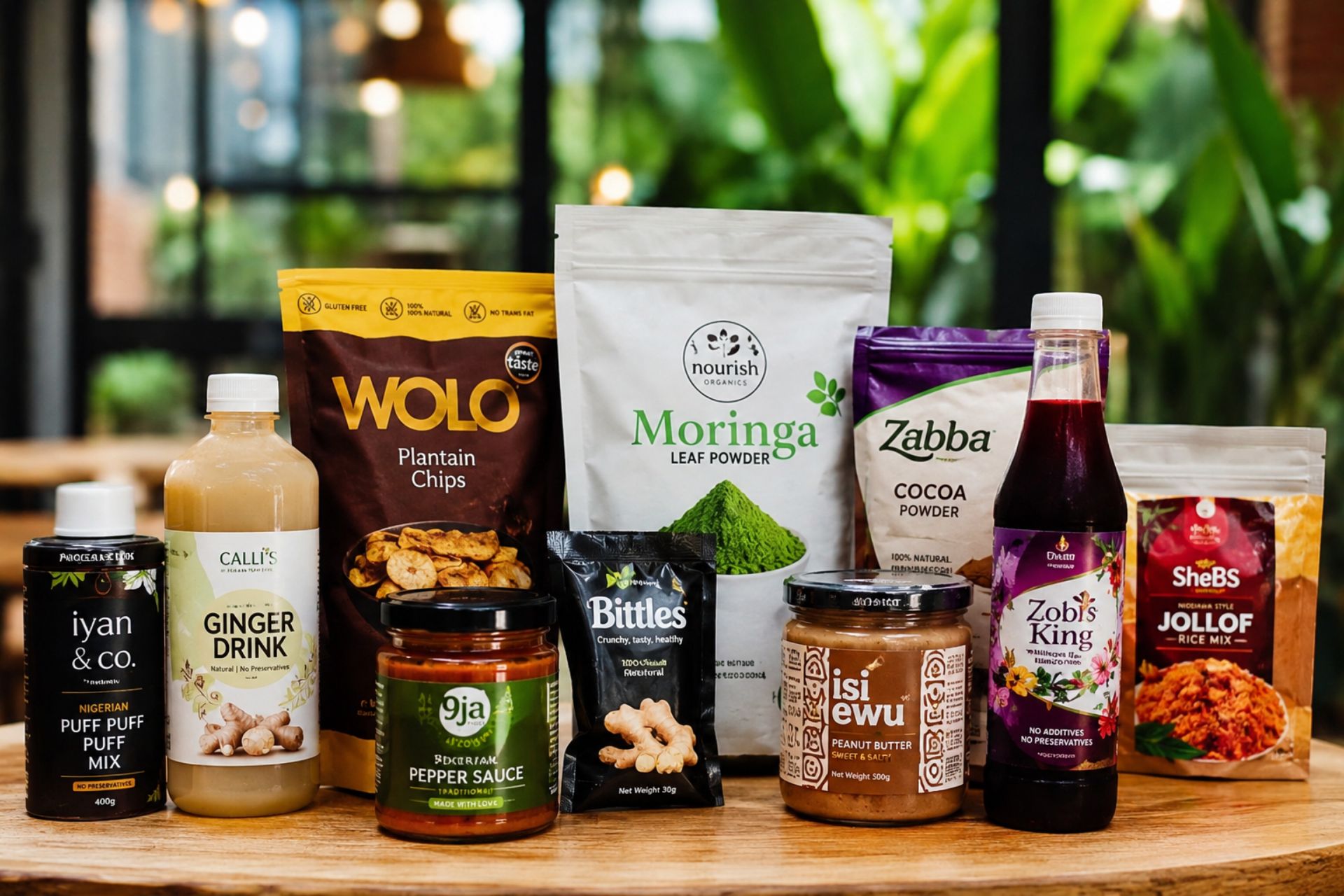
Packaged foods have become a major part of modern grocery shopping. From cereals and snacks to canned foods and frozen meals, they offer convenience, longer shelf life, and easy storage. But convenience often comes with hidden risks—high sugar, excessive sodium, artificial additives, and misleading packaging.
For smart consumers, buying packaged foods should go beyond simply choosing what looks appealing. Understanding what to check before buying packaged foods can help you make healthier, safer, and more cost-effective decisions.
This guide will show you exactly how to choose packaged foods wisely.
Why Packaged Food Choices Matter
Many consumers buy packaged foods daily without realizing how much these products affect their health.
Poor choices can lead to:
- High sugar intake
- Excess sodium consumption
- Weight gain
- Poor nutrition
- Increased food waste
- Higher grocery bills
Making better choices means learning the basics of a proper packaged food buying guide.
1. Always Read the Ingredient List
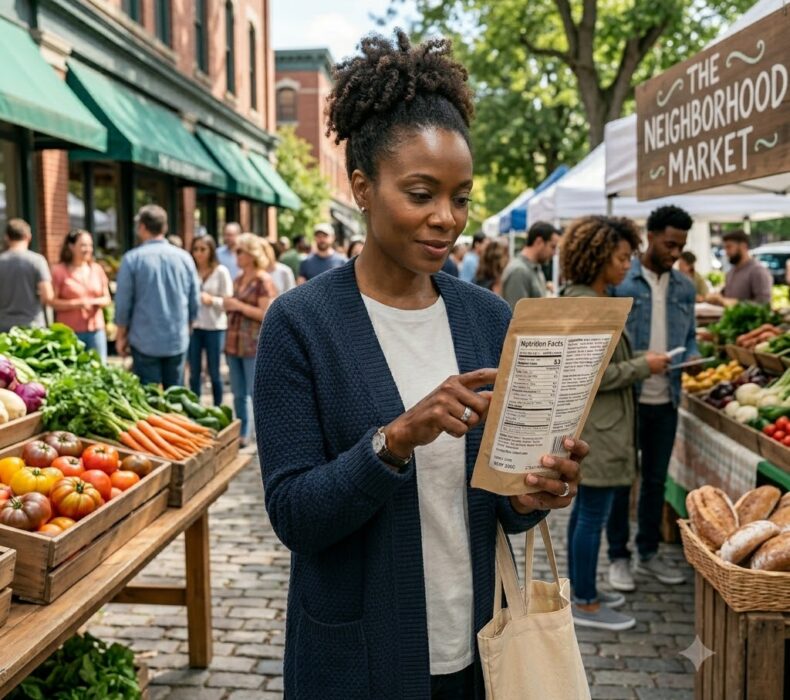
One of the most important steps in how to read food labels is checking the ingredient list.
Ingredients are listed by quantity—from highest to lowest.
This means the first few ingredients matter most.
Example:
Good granola:
Oats, honey, almonds, raisins
Poor granola:
Sugar, corn syrup, artificial flavor, preservatives
A shorter ingredient list usually indicates less processing.
Smart consumers avoid products with too many artificial additives.
This is a critical food label checklist habit.
2. Understand Nutrition Facts
The nutrition label gives important details about the product.
Pay close attention to:
Calories
Helps track energy intake.
Sugar
Too much sugar increases health risks.
Sodium
Excess sodium can contribute to high blood pressure.
Protein
Higher protein often means better nutritional value.
Fiber
More fiber improves digestion and fullness.
This is one of the strongest smart grocery shopping tips.
3. Watch Out for Hidden Sugars
Sugar appears under many names.
Examples:
- Glucose
- Fructose
- Sucrose
- Maltose
- Corn syrup
- Cane syrup
A product labeled “healthy” may still be loaded with sugar.
This is especially common in:
- Yogurts
- Cereals
- Granola bars
- Juices
Choosing healthy packaged foods means spotting hidden sugars.
4. Check the Expiry Date
This sounds simple, but many shoppers forget.
Always check:
- Best before
- Use by
- Packed on
Expired or near-expiry products may:
- Lose quality
- Taste worse
- Become unsafe
Checking dates is part of food packaging safety.
5. Inspect the Packaging Condition
Damaged packaging can affect food quality.
Avoid products with:
✘ Dents
✘ Leaks
✘ Broken seals
✘ Swelling
✘ Tears
Good packaging protects food from contamination.
This is one of the most overlooked parts of what to check before buying packaged foods.
6. Be Careful with Marketing Claims
Many packaging labels use attractive words like:
- Natural
- Organic
- Low fat
- Sugar-free
- Premium
- Healthy
But these words can be misleading.
Example:
“Low fat” may mean higher sugar.
Always verify through ingredients and nutrition facts.
Never trust marketing alone.
7. Compare Similar Products
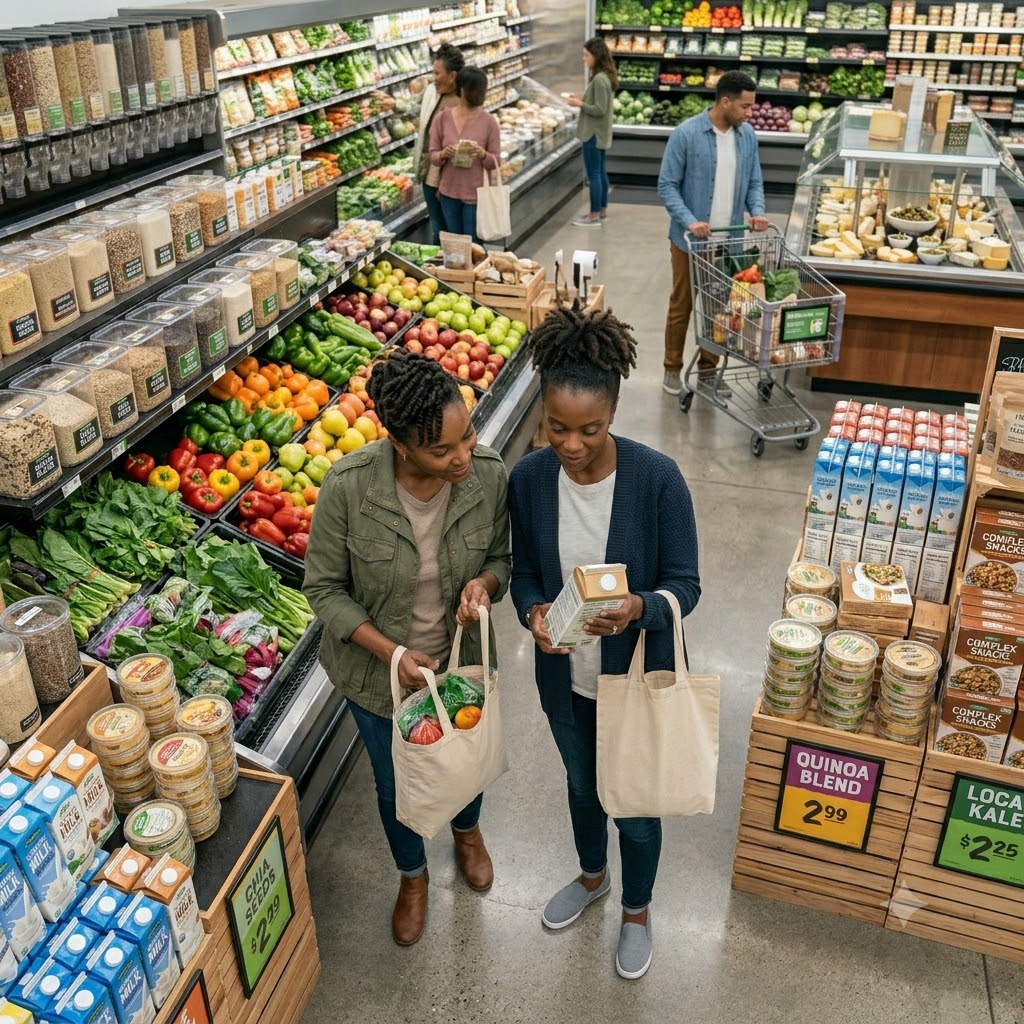
One of the best smart grocery shopping tips is comparing products side by side.
Compare:
- Price
- Ingredients
- Nutrition
- Quantity
- Brand reputation
Example:
Two tomato sauces may look similar, but one could have twice the sodium.
This makes how to choose packaged foods easier.
8. Understand Processing Levels
Not all packaged foods are bad.
There are different levels:
Minimally Processed
Examples:
- Frozen vegetables
- Plain yogurt
- Oats
Usually better.
Highly Processed
Examples:
- Instant noodles
- Sugary cereals
- Chips
Usually contain more additives.
A smart processed food shopping guide helps reduce overconsumption of heavily processed foods.
9. Look for Quality Certifications
Certifications can improve trust.
Examples:
- Organic
- HACCP
- ISO
- Non-GMO
- Gluten-free
- Halal
These can indicate higher production standards.
Though not always necessary, they can help.
10. Consider Portion Sizes
Many products can be misleading.
A small-looking snack may contain:
3–4 servings
This affects:
- Calories
- Sugar
- Sodium
Always check serving size.
This is a major part of how to read food labels.
Best Packaged Foods to Buy
Some packaged foods can still be smart choices.
Examples:
✔ Whole grain oats
✔ Unsweetened yogurt
✔ Canned beans
✔ Frozen vegetables
✔ Brown rice
✔ Natural peanut butter
✔ Whole grain pasta
✔ Plain popcorn
These are examples of healthy packaged foods.
Packaged Foods to Limit
Some products should be limited.
Examples:
✘ Sugary drinks
✘ Instant noodles
✘ Candy
✘ Highly processed snacks
✘ Sweetened cereals
✘ Artificial fruit drinks
✘ Processed meats
These often contain excessive additives.
Common Mistakes Consumers Make
Avoid these:
Buying based on packaging design
Looks can be deceptive.
Ignoring ingredient order
The first ingredient matters most.
Believing health claims blindly
Always verify.
Choosing the cheapest option only
Cheap may mean lower quality.
Not checking serving sizes
Can cause overeating.
A complete food label checklist prevents these mistakes.
Quick Packaged Food Buying Checklist
Before buying:
✔ Check ingredients
✔ Read nutrition facts
✔ Look for hidden sugars
✔ Inspect packaging
✔ Check expiry date
✔ Compare brands
✔ Review serving size
✔ Watch sodium levels
✔ Avoid unnecessary additives
This simple packaged food buying guide can save money and improve health.
Final Thoughts
Buying packaged foods doesn’t have to be risky.
With the right knowledge, you can make smarter choices that support your health and budget.
By learning how to choose packaged foods, understanding how to read food labels, and following a proper food label checklist, you can avoid unhealthy products and choose better alternatives.
Packaged foods are part of modern life—but smart shopping makes all the difference.
The next time you pick up a packaged product, don’t just look at the front.

Turn it around. Read it. Understand it.
That’s how smart consumers shop.
- Tags:
- Buying Packaged Foods
- Food Ingredient Checklist
- Food Labels
- Food Packaging Safety
- Food Quality Guide
- Grocery Shopping Tips
- Healthy Grocery Shopping
- Healthy Packaged Foods
- How to Read Food Labels
- Nutrition Facts
- Packaged Food Buying Guide
- Packaged Foods
- Processed Foods Guide
- Smart Consumer Guide
- Supermarket Shopping Tips

Get it on
Download on the