






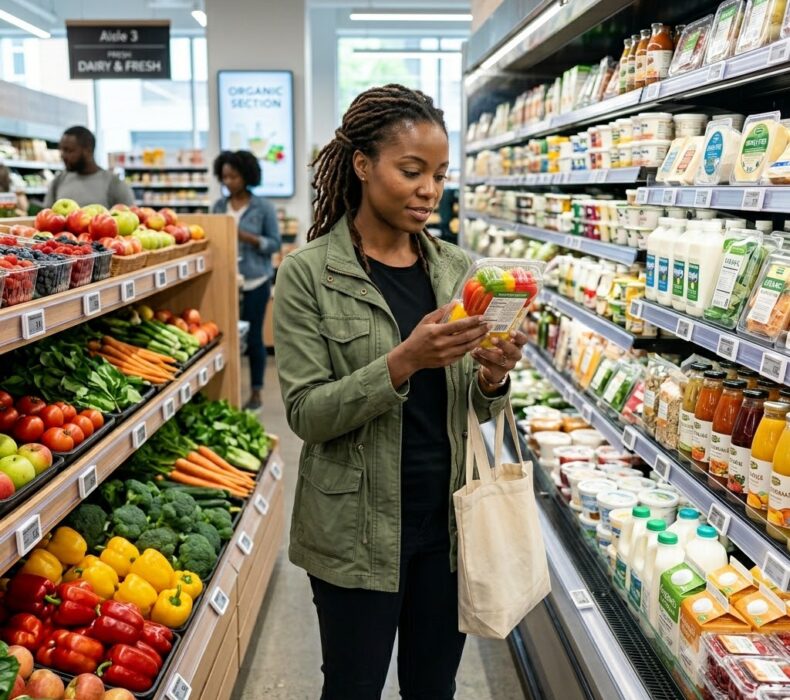
What Makes a Food Product High Quality?
When shopping for groceries, many consumers assume that expensive means better. But price alone does not determine whether a food product is high quality. A truly high-quality food product is defined by several important factors, including freshness, nutritional value, ingredients, sourcing, safety, and even packaging.
Understanding what makes food high quality is essential for making smarter buying decisions. Whether you’re buying fresh produce, packaged foods, dairy products, or proteins, knowing how to assess quality can save money, protect your health, and improve your meals.
In this guide, we’ll break down the key food quality indicators every smart consumer should know.
Why Food Quality Matters
Food quality affects more than taste.
It directly impacts:
- Health and nutrition
- Food safety
- Shelf life
- Value for money
- Cooking results
Low-quality food products often contain excessive preservatives, artificial additives, or poor ingredients that may affect long-term health.
Learning how to identify quality food products helps you make healthier and more cost-effective choices.
1. Freshness Is One of the Biggest Indicators
Freshness is one of the strongest food quality indicators.
Fresh foods usually have:
- Better flavor
- Higher nutrient content
- Longer useful life
- Better texture
How to Check Freshness:
Fruits and Vegetables
Look for:
✔ Bright color
✔ Firm texture
✔ Natural smell
✔ No mold or bruising
Avoid:
✘ Wilted leaves
✘ Soft spots
✘ Discoloration
This is a critical part of any fresh food buying guide.
Meat and Fish
Fresh proteins should have:
- Clean smell
- Firm texture
- Natural color
- No slimy surface
Spoiled meat often smells sour or looks discolored.
2. Ingredient Quality Matters
One of the easiest ways to determine what makes a food product high quality is by checking ingredients.
A high-quality product usually has:
- Simple ingredients
- Recognizable ingredients
- Minimal artificial additives
Example:
Good peanut butter:
Peanuts, salt
Poor peanut butter:
Sugar, hydrogenated oil, preservatives, flavoring
Shorter ingredient lists often mean less processing.
This is one of the best food product quality checklist practices.
3. Nutritional Value Is Essential
A high-quality food product should nourish your body.
Key nutrients to check:
- Protein
- Fiber
- Healthy fats
- Vitamins
- Minerals
Avoid foods high in:
- Added sugar
- Sodium
- Trans fats
Knowing how to choose healthy food products starts with nutritional awareness.
Example:
Whole grain bread is often higher quality than white bread because it contains more fiber and nutrients.
4. Packaging Quality Can Reveal Product Standards
Packaging matters more than most people realize.
Good packaging protects food from:
- Moisture
- Light
- Air
- Contamination
Signs of quality packaging:
✔ Proper seals
✔ No leaks
✔ No swelling
✔ No dents
✔ Clear labels
Damaged packaging can compromise food safety and quality.
Always inspect before buying.
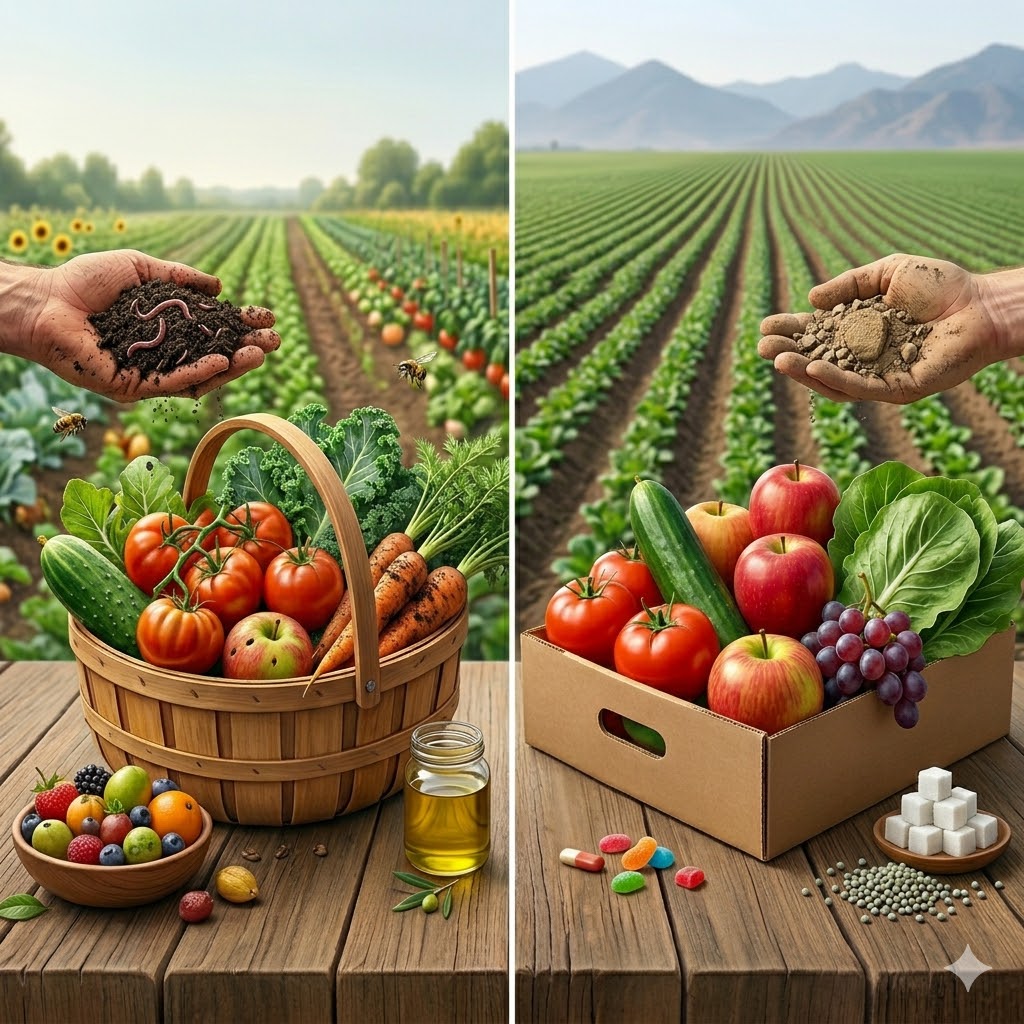
5. Source and Origin Matter
Where food comes from plays a major role in quality.
Consumers increasingly prefer:
- Organic farms
- Local producers
- Ethical suppliers
- Sustainable agriculture
Products with transparent sourcing often indicate higher standards.
For example:
Locally sourced vegetables may be fresher than imported ones because they spend less time in transit.
Premium sourcing often contributes to premium food products.
6. Expiry Dates and Shelf Life Are Important
Always check dates.
Important terms:
Best Before
Quality may decline after this date.
Use By
Food safety deadline.
Packed On
Shows production freshness.
A longer shelf life isn’t always better—sometimes it means more preservatives.
Freshly packed products are usually better.
This is a key part of food safety and quality.
7. Taste and Texture Matter
Quality food often tastes better because of better ingredients and processing.
Examples:
Fresh bread:
Soft, aromatic, natural flavor
Low-quality bread:
Dry, artificial smell, bland
Good yogurt:
Creamy texture, balanced taste
Poor yogurt:
Watery texture, overly sweet
Taste and texture are practical food quality indicators.
8. Certifications Can Add Trust
Look for certifications such as:
- Organic
- HACCP
- ISO food safety
- Non-GMO
- Halal (where relevant)
These certifications often show adherence to quality standards.
While not perfect, they can help when deciding.
9. Brand Reputation Can Be Helpful
Some brands build trust through consistency.
Before buying:
- Read reviews
- Ask for recommendations
- Research the manufacturer
A trusted brand often invests in better quality control.
But always verify by checking ingredients and labels.
10. Label Transparency Is a Strong Sign
Knowing how to read food labels is one of the most valuable shopping skills.
Quality brands usually provide clear:
- Ingredient lists
- Nutritional values
- Allergen warnings
- Expiry dates
- Storage instructions
Hidden ingredients or vague labeling can be red flags.
Transparency builds consumer trust.
How to Read Food Labels Like a Smart Consumer
If you want to master how to read food labels, focus on:
Serving Size
Some products appear healthy until you check serving amounts.
Sugar Content
Watch for hidden sugars.
Sodium Levels
Too much salt can affect health.
Protein Content
Higher protein can improve quality.
Fiber Content
Higher fiber often means better nutrition.
This helps you choose better products faster.
High Quality vs Low Quality Food: Quick Comparison
| Factor | High Quality | Low Quality |
|---|---|---|
| Ingredients | Natural, simple | Artificial, complex |
| Freshness | Fresh, vibrant | Wilted, stale |
| Nutrition | High nutrient density | Empty calories |
| Packaging | Secure, clean | Damaged, weak |
| Labels | Clear and transparent | Misleading or vague |
| Taste | Natural and rich | Artificial or bland |
This simple comparison makes how to identify quality food products easier.
Common Mistakes Consumers Make
Avoid these:
Choosing by price alone
Expensive doesn’t always mean better.
Ignoring ingredients
The label tells the truth.
Not checking freshness
Appearance matters.
Falling for marketing tricks
Words like “natural” can be misleading.
Overlooking expiry dates
This can affect safety.
Following a food product quality checklist helps avoid these mistakes.
Smart Tips for Buying High Quality Food
Here are some best food shopping tips:
✔ Shop fresh sections first
✔ Buy seasonal produce
✔ Read labels carefully
✔ Compare ingredient lists
✔ Check packaging condition
✔ Look at expiry dates
✔ Prioritize whole foods
✔ Choose trusted sellers
These habits improve food choices over time.
Final Thoughts
Understanding what makes a food product high quality helps you shop smarter and eat better.
High-quality food isn’t just about luxury—it’s about:
- Better health
- Better taste
- Better value
- Better safety
By learning how to identify quality food products, reading labels, checking freshness, and evaluating ingredients, you can make informed choices every time you shop.
The next time you’re in a supermarket, remember: quality starts with awareness.
And smart consumers always buy with knowledge.
Related Posts:
- Tags:
- Food Ingredient Guide
- Food Packaging Quality
- Food Product Guide
- Food Quality
- Food Quality Indicators
- Food Safety
- Food Shopping Checklist
- Fresh Food Buying Guide
- Grocery Shopping Tips
- healthy eating
- Healthy Food Shopping
- High Quality Food Products
- Nutrition Labels
- Premium Food Products
- Smart Consumer Tips


 Get it on
  Download on the