






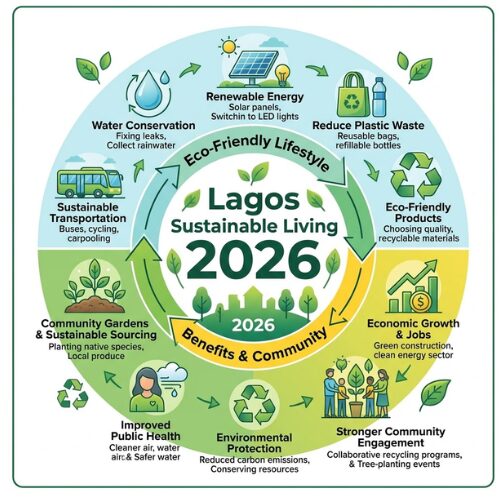
Living an Eco-Sustainable Lifestyle has become increasingly important as environmental challenges continue to affect communities around the world. From climate change and pollution to resource depletion, individuals have a significant role to play in creating a healthier planet. The good news is that sustainability does not require drastic changes. Small, consistent actions can make a meaningful difference over time.
In 2026, adopting environmentally friendly habits is easier than ever thanks to greater awareness, improved technology, and increased access to sustainable products and services. Here are ten practical ways to embrace a greener lifestyle and reduce your environmental impact.
What Is an Eco-Sustainable Lifestyle?
An Eco-Sustainable Lifestyle involves making conscious choices that minimize harm to the environment while promoting the responsible use of natural resources. It focuses on reducing waste, conserving energy, supporting sustainable products, and adopting habits that contribute to long-term environmental health.
Whether at home, work, or in your community, every sustainable action contributes to a cleaner and more resilient future.
1. Reduce Single-Use Plastics
Single-use plastics are among the largest contributors to environmental pollution. Plastic bags, bottles, straws, and packaging often end up in landfills, rivers, and oceans.
You can reduce plastic waste by:
- Carrying reusable shopping bags
- Using refillable water bottles
- Avoiding plastic straws
- Choosing products with minimal packaging
These simple changes help reduce waste and support a more sustainable environment.
2. Conserve Energy at Home
Energy conservation is one of the easiest ways to lower your environmental footprint and save money.
Practical energy-saving tips include:
- Switching to LED lighting
- Turning off appliances when not in use
- Using energy-efficient appliances
- Maximizing natural lighting and ventilation
Reducing energy consumption helps decrease greenhouse gas emissions and supports environmental sustainability.
3. Practice Water Conservation
Freshwater resources are becoming increasingly strained due to population growth and climate change.
Simple ways to save water include:
- Fixing leaking taps
- Taking shorter showers
- Using water-efficient fixtures
- Collecting rainwater for gardening
Responsible water use is a key component of sustainable living.
4. Choose Sustainable Transportation
Transportation contributes significantly to carbon emissions. Opting for greener alternatives can reduce your environmental impact.
Consider:
- Walking or cycling for short trips
- Using public transportation
- Carpooling with others
- Driving fuel-efficient or electric vehicles
Sustainable transportation choices help improve air quality and reduce pollution.
5. Support Eco-Friendly Products
One of the best ways to maintain an Eco-Sustainable Lifestyle is by purchasing products from companies that prioritize environmental responsibility.
Look for products that:
- Use recycled materials
- Have eco-friendly packaging
- Are designed for long-term use
- Are sourced sustainably
Supporting responsible brands encourages sustainable production practices across industries.
6. Reduce Food Waste
Millions of tons of food are wasted globally each year, contributing to landfill emissions and resource waste.
Reduce food waste by:
- Planning meals in advance
- Storing food properly
- Using leftovers creatively
- Composting organic waste
Minimizing food waste conserves resources and reduces environmental pressure.
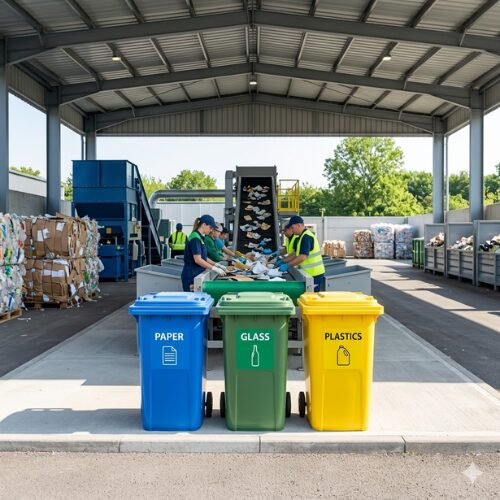
7. Recycle and Reuse Materials
Recycling helps reduce landfill waste and conserves natural resources. Reusing items extends their lifespan and decreases the demand for new products.
Common recyclable materials include:
- Paper and cardboard
- Glass containers
- Aluminum cans
- Certain plastics
Developing recycling habits is an effective way to support environmental conservation.
8. Adopt Sustainable Gardening Practices
Gardening can contribute positively to environmental sustainability when done responsibly.
Eco-friendly gardening methods include:
- Composting organic waste
- Using natural fertilizers
- Conserving water through drip irrigation
- Planting native species
Sustainable gardens help improve biodiversity and reduce environmental impact.
9. Buy Less and Choose Quality
Fast consumption often leads to unnecessary waste. Instead of frequently replacing low-quality products, invest in durable items that last longer.
Benefits include:
- Reduced waste generation
- Lower resource consumption
- Long-term cost savings
- Better environmental outcomes
Mindful purchasing decisions are essential for a sustainable future.
10. Educate Others and Get Involved
One person’s actions can inspire many others. Sharing knowledge about sustainability helps build stronger, environmentally conscious communities.
You can:
- Participate in local clean-up events
- Join environmental organizations
- Share sustainability tips online
- Encourage family and friends to adopt green habits
Community involvement amplifies the positive impact of sustainable living.
Benefits of Living an Eco-Sustainable Lifestyle
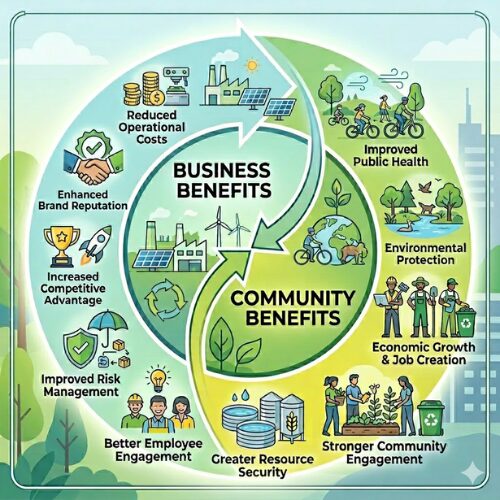
Choosing an Eco-Sustainable Lifestyle offers numerous advantages for individuals, communities, and the environment.
Environmental Benefits
- Reduced pollution
- Lower carbon emissions
- Conservation of natural resources
- Protection of biodiversity
Economic Benefits
- Lower utility bills
- Reduced household expenses
- Increased efficiency
- Long-term savings
Social Benefits
- Healthier communities
- Improved public health
- Greater environmental awareness
- Stronger community engagement
Challenges and How to Overcome Them
Many people believe sustainable living is expensive or difficult. However, most eco-friendly habits involve simple behavioral changes rather than major investments.
To overcome common barriers:
- Start with one sustainable habit at a time
- Focus on long-term benefits
- Look for affordable eco-friendly alternatives
- Stay informed about sustainability practices
Small actions performed consistently often have the greatest impact.
The Future of Sustainable Living
As technology advances and environmental awareness grows, sustainable living is becoming more accessible. Smart homes, renewable energy systems, eco-friendly products, and circular economy initiatives are making it easier for people to reduce their environmental footprint.
Governments, businesses, and consumers are increasingly recognizing the importance of sustainability, making eco-conscious choices an essential part of modern life.
Conclusion
Adopting an Eco-Sustainable Lifestyle is one of the most effective ways individuals can contribute to environmental protection in 2026. By reducing waste, conserving energy and water, supporting sustainable products, and making responsible daily choices, everyone can help create a cleaner and healthier planet. The journey toward sustainability begins with simple actions, and every step taken today helps secure a better future for generations to come.




 Get it on
  Download on the