






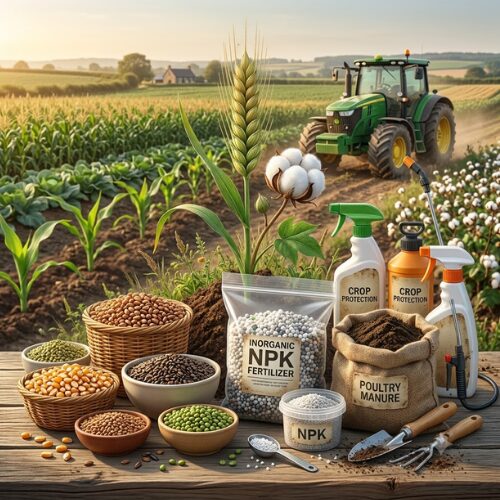
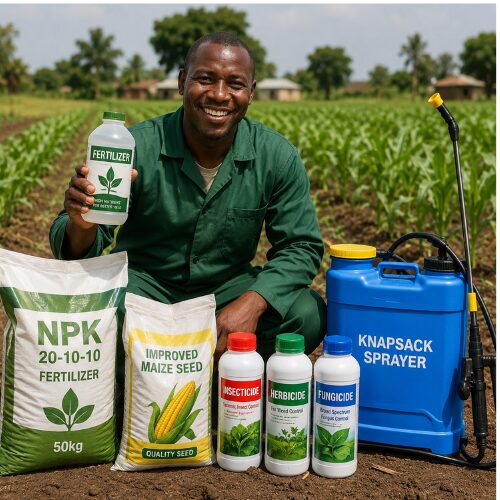
Successful farming begins with the proper selection and use of Essential Farm Inputs. Whether you are growing vegetables, grains, fruits, or cash crops, the quality of your farm inputs can significantly affect crop health, yield, and profitability. Among the most important farm inputs are seeds, fertilizers, and pesticides. These products work together to support plant growth, improve soil fertility, and protect crops from pests and diseases.
Understanding how these inputs function and how to use them effectively can help farmers maximize productivity while promoting sustainable agricultural practices.
What Are Farm Inputs?
Farm inputs are the resources, materials, and products used in agricultural production. They help farmers cultivate crops, improve yields, and maintain healthy farming systems.
Examples of farm inputs include:
- Seeds
- Fertilizers
- Pesticides
- Irrigation equipment
- Farm machinery
- Animal feed
- Crop protection products
Among these, seeds, fertilizers, and pesticides are considered the most critical because they directly influence crop establishment, growth, and protection.
Seeds: The Foundation of Crop Production
Seeds are the starting point of every crop production cycle. High-quality seeds provide the genetic potential needed for healthy growth and high yields.
Types of Seeds
Hybrid Seeds
Hybrid seeds are developed by crossing two different plant varieties to produce improved characteristics such as disease resistance, higher yields, and uniform growth.
Open-Pollinated Seeds
These seeds can reproduce naturally and are often preferred by farmers who save seeds for future planting.
Improved Variety Seeds
Improved seeds are bred to perform better under specific environmental conditions and farming systems.
Benefits of Quality Seeds
- Higher germination rates
- Improved crop yields
- Better resistance to diseases
- Enhanced tolerance to environmental stress
- Uniform crop development
Choosing quality seeds is one of the most important decisions farmers can make when investing in Essential Farm Inputs.
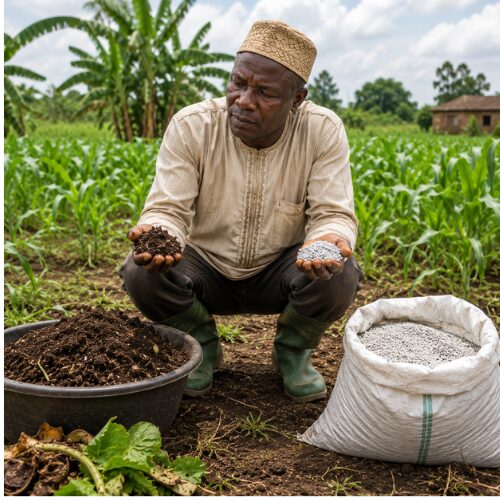
Fertilizers: Feeding Crops for Healthy Growth
Fertilizers provide crops with nutrients needed for proper growth and development. Over time, soil loses nutrients due to continuous cultivation, making fertilizer application necessary.
Types of Fertilizers
Organic Fertilizers
Organic fertilizers are derived from natural sources such as:
- Compost
- Poultry manure
- Cow dung
- Green manure
These fertilizers improve soil structure and promote long-term soil health.
Inorganic Fertilizers
Chemical fertilizers are manufactured to supply specific nutrients to crops.
Common examples include:
- NPK fertilizer
- Urea
- Ammonium sulfate
- Single super phosphate
Major Plant Nutrients
Nitrogen (N)
Supports leafy growth and overall plant vigor.
Phosphorus (P)
Promotes root development and flowering.
Potassium (K)
Improves disease resistance and crop quality.
Benefits of Fertilizers
- Increased crop productivity
- Improved nutrient availability
- Enhanced plant growth
- Better crop quality
- Increased farm profitability
Proper fertilizer application ensures crops receive the nutrients required for optimum performance.
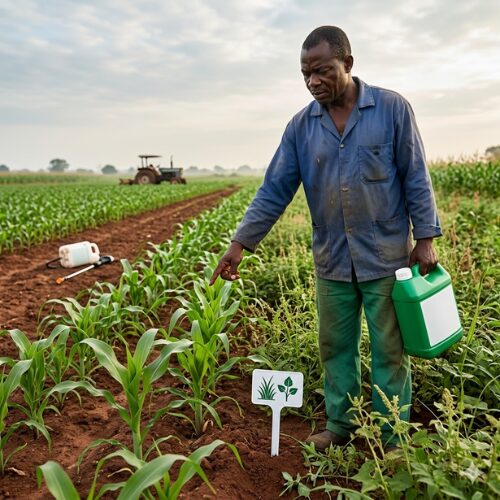
Pesticides: Protecting Crops from Pests and Diseases
Pesticides help protect crops from harmful organisms that can reduce yields and damage harvests.
Types of Pesticides
Insecticides
Used to control harmful insects that attack crops.
Examples include:
- Aphid control products
- Caterpillar control products
- Beetle control products
Herbicides
Used to eliminate weeds that compete with crops for nutrients, sunlight, and water.
Fungicides
Protect crops from fungal diseases that affect growth and yield.
Rodenticides
Used to control rats and other rodents that damage crops and stored produce.
Benefits of Pesticides
- Reduced crop losses
- Improved crop quality
- Increased yields
- Better pest management
- Protection of stored produce
When used correctly, pesticides are valuable Essential Farm Inputs that contribute to food security and farm profitability.
How Seeds, Fertilizers, and Pesticides Work Together
For maximum productivity, farmers must use these inputs in combination.
Seeds Establish the Crop
Quality seeds provide a strong foundation for healthy plant growth.
Fertilizers Support Growth
Fertilizers supply nutrients that help crops develop properly throughout the growing season.
Pesticides Protect the Investment
Pesticides safeguard crops from insects, weeds, and diseases that can reduce yields.
Together, these three components form the backbone of successful crop production systems.
Choosing the Right Farm Inputs
Selecting suitable farm inputs depends on several factors:
Crop Type
Different crops require specific seed varieties, fertilizers, and crop protection products.
Soil Condition
Soil testing helps determine nutrient deficiencies and fertilizer requirements.
Climate
Environmental conditions influence the choice of seed varieties and pest management strategies.
Farm Size
The scale of production affects input quantities and investment decisions.
Budget
Farmers should balance cost considerations with product quality and expected returns.
Careful planning helps maximize the benefits of Essential Farm Inputs while minimizing unnecessary expenses.
Best Practices for Using Farm Inputs
To achieve the best results:
- Purchase inputs from reputable suppliers.
- Follow manufacturer recommendations.
- Conduct soil tests before fertilizer application.
- Use certified seeds whenever possible.
- Apply pesticides safely and responsibly.
- Store inputs properly to maintain quality.
Following these practices improves efficiency and reduces production risks.
Benefits of Investing in Essential Farm Inputs
Using high-quality Essential Farm Inputs provides numerous advantages:
- Increased agricultural productivity
- Improved crop quality
- Better pest and disease management
- Enhanced soil fertility
- Greater profitability
- Sustainable farming practices
Farmers who invest in quality inputs are better positioned to achieve consistent harvests and long-term success.
Conclusion
Seeds, fertilizers, and pesticides are the backbone of modern agriculture. These Essential Farm Inputs play a critical role in establishing healthy crops, supplying vital nutrients, and protecting plants from pests and diseases. By selecting high-quality products and applying them correctly, farmers can improve yields, enhance crop quality, and increase profitability. Understanding the importance of Essential Farm Inputs is key to building a productive, sustainable, and successful farming operation.



 Get it on
  Download on the